Eupatorium lindleyanum DC. Suppresses Cytokine Storm by Inhibiting NF-κB and PI3K–Akt Signaling in Sepsis-Associated and Virus-Related Acute Lung Injury
Chen Luo, Peilin He, Yan Yang, Lian Xia, Wenjie Xu, Daike Zou, Yiduo Feng, Lian Duan, Junjie Deng, Yong Jing, Xianqin Luo

TL;DR
This study shows that Eupatorium lindleyanum DC., a Chinese medicinal herb, can reduce lung inflammation in sepsis and virus-related conditions by targeting key inflammatory pathways.
Contribution
The study identifies the herb's multi-component, multi-target mechanisms in suppressing cytokine storms via NF-κB and PI3K–Akt pathways.
Findings
Eupatorium lindleyanum DC. reduced lung injury and cytokine production in sepsis and virus-related lung injury models.
Hyperoside, a compound in the herb, inhibited key inflammatory pathways and showed interactions with SARS-CoV-2-related targets.
The herb's protective effects were confirmed through in vivo and in vitro experiments and molecular simulations.
Abstract
Cytokine storm is a central pathogenic mechanism underlying sepsis-induced acute lung injury (SALI) and severe coronavirus disease 2019 (COVID-19), yet effective therapeutic strategies remain limited. Eupatorium lindleyanum DC. (EL), a traditional Chinese medicinal herb, has been reported to possess anti-inflammatory, antioxidant, and antiviral-related activities; however, its protective mechanisms in SALI and virus-associated inflammatory lung injury remain incompletely understood. In this study, an integrated strategy combining computational prediction and experimental validation was employed to investigate the therapeutic potential and underlying mechanisms of EL. The chemical constituents of EL were characterized by UPLC–Q–TOF/MS, followed by network pharmacology, molecular docking, and molecular dynamics analyses to predict key targets and signaling pathways. A cecal ligation and…
Genes, proteins, chemicals, diseases, species, mutations and cell lines named across the full text — each resolved to its canonical identifier and authoritative record.
Click any figure to enlarge with its caption.
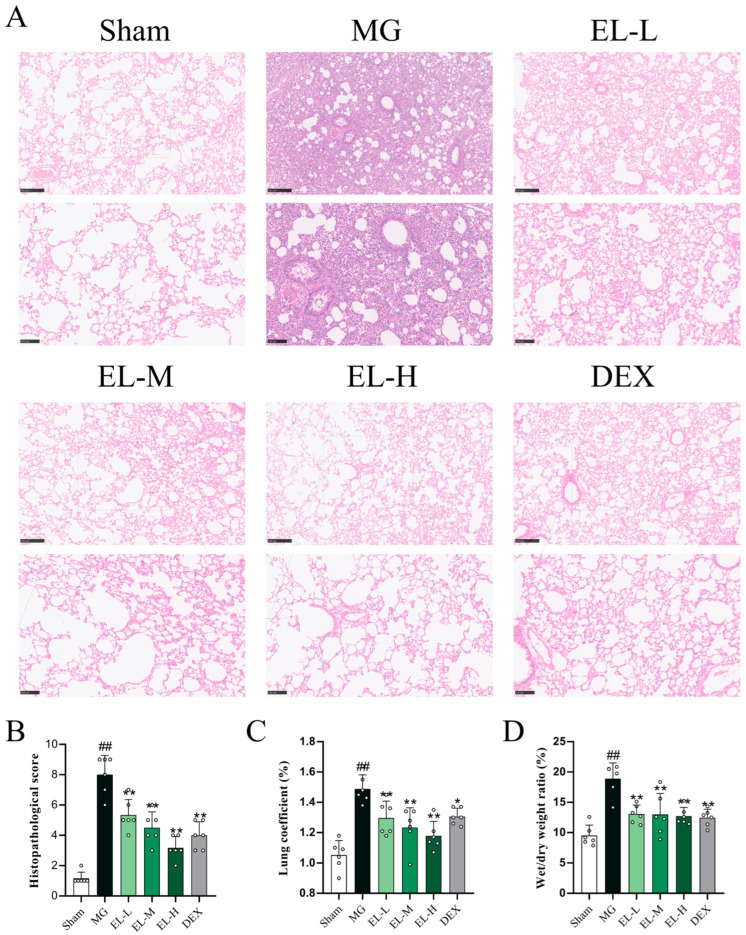 Figure 1
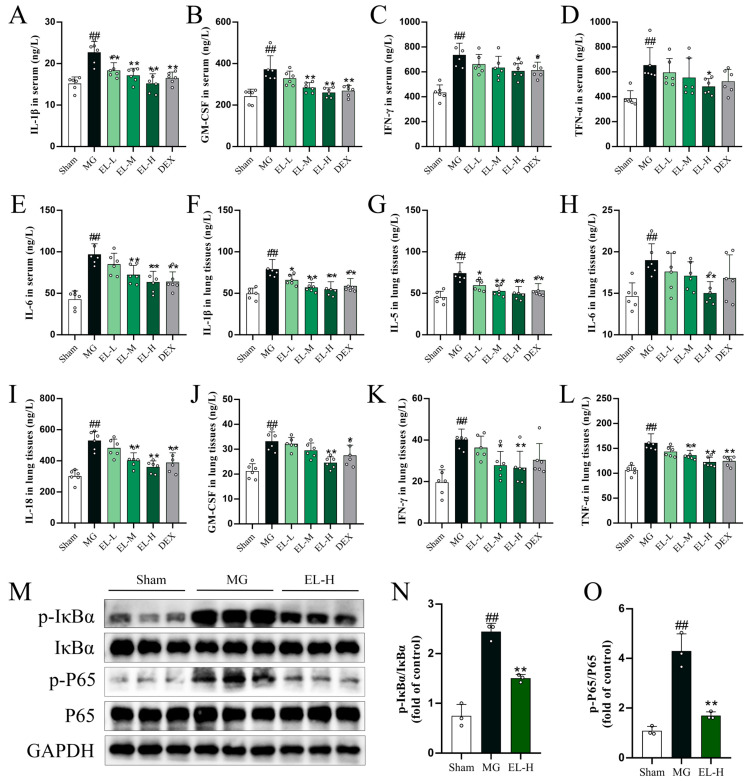 Figure 2
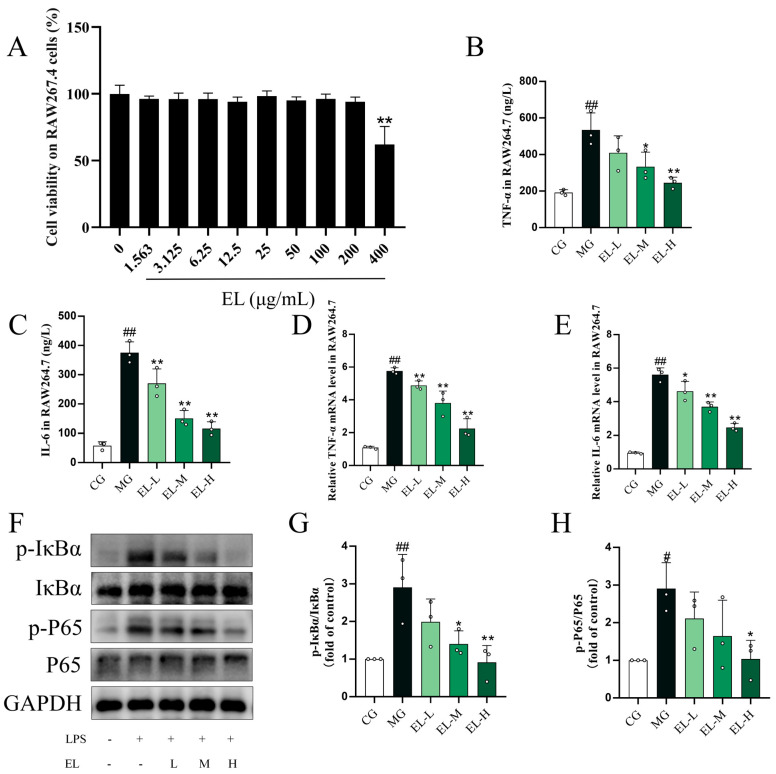 Figure 3
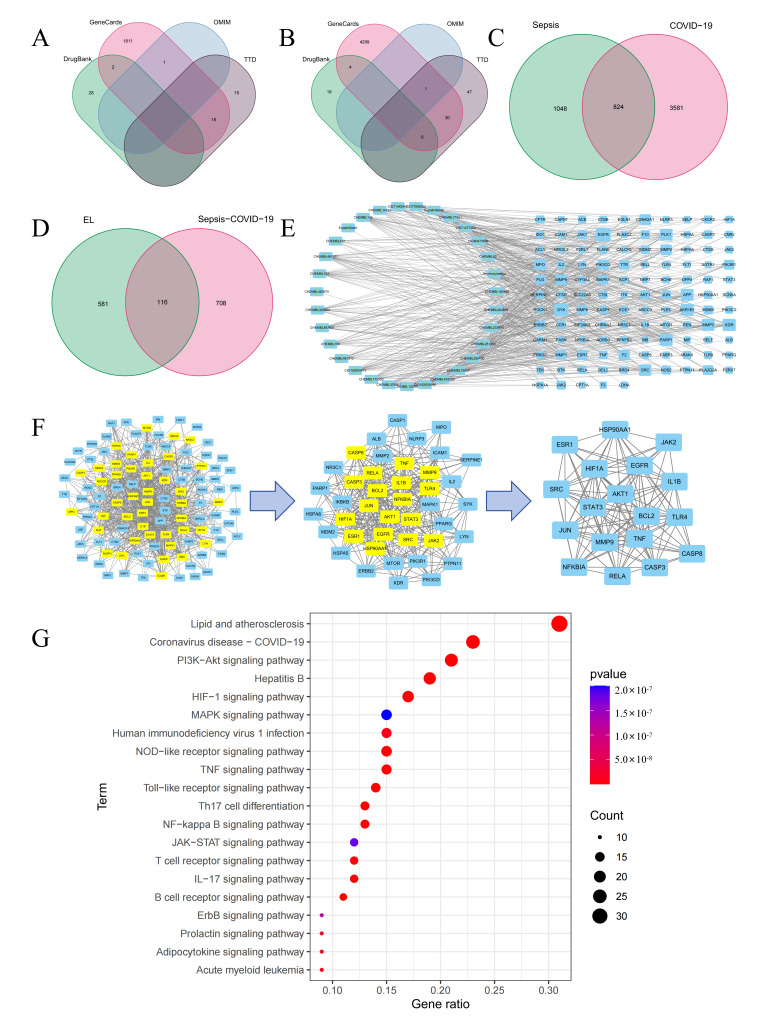 Figure 4
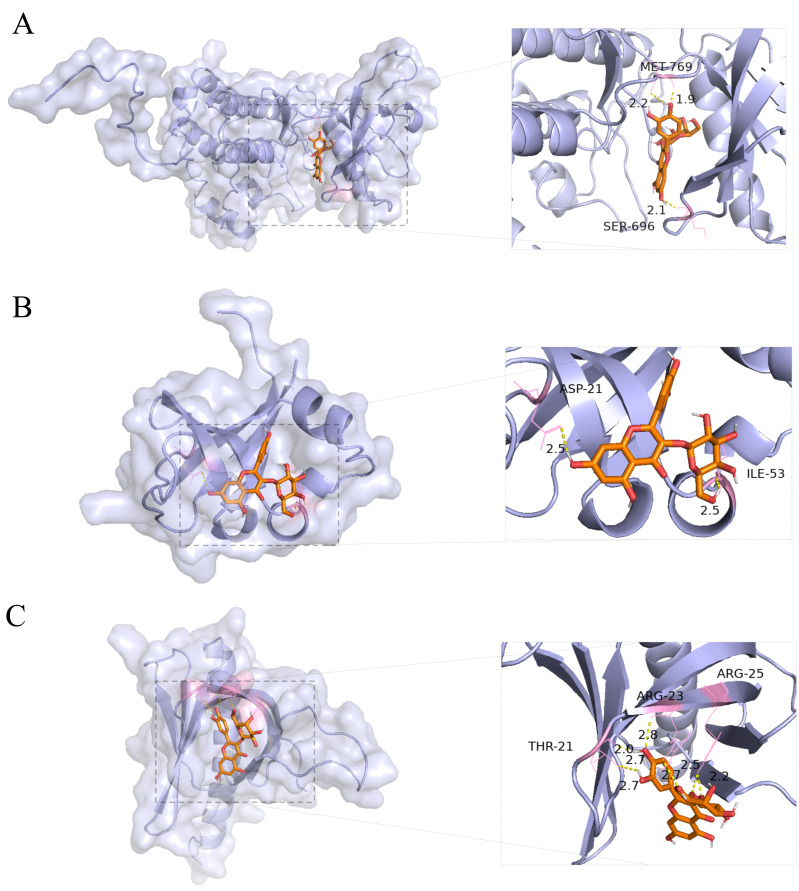 Figure 5
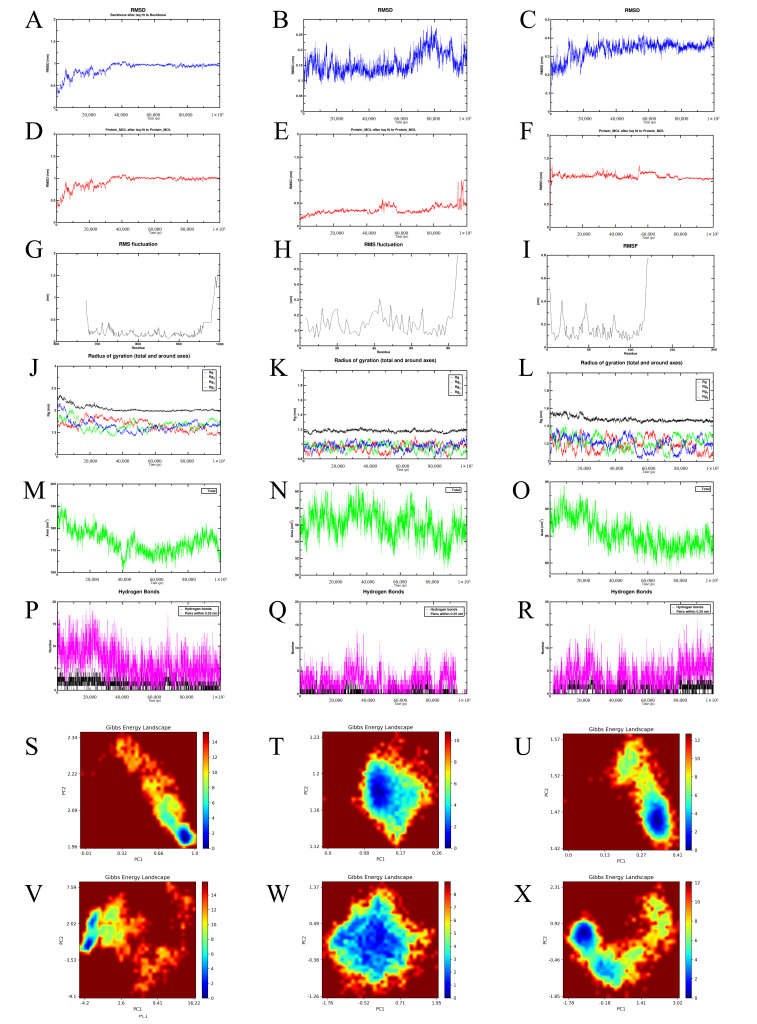 Figure 6
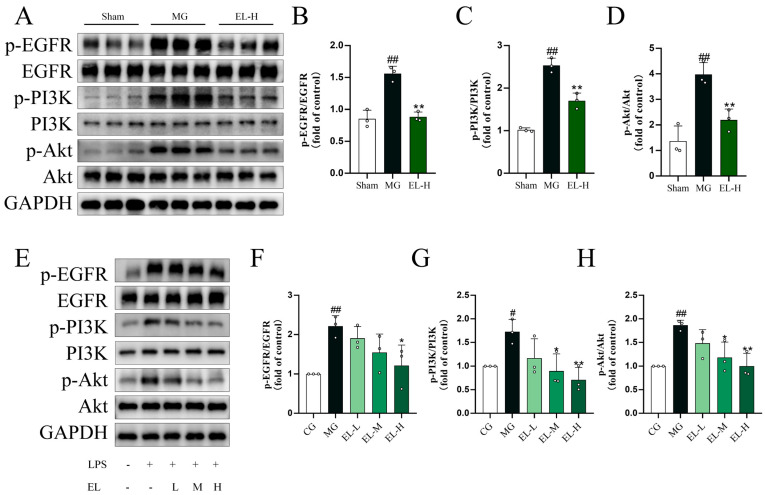 Figure 7
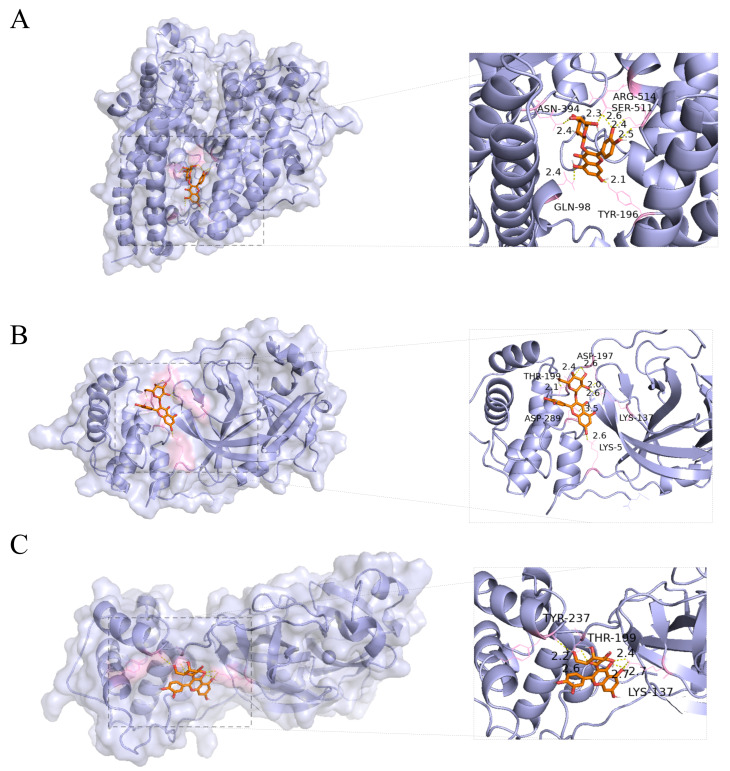 Figure 8
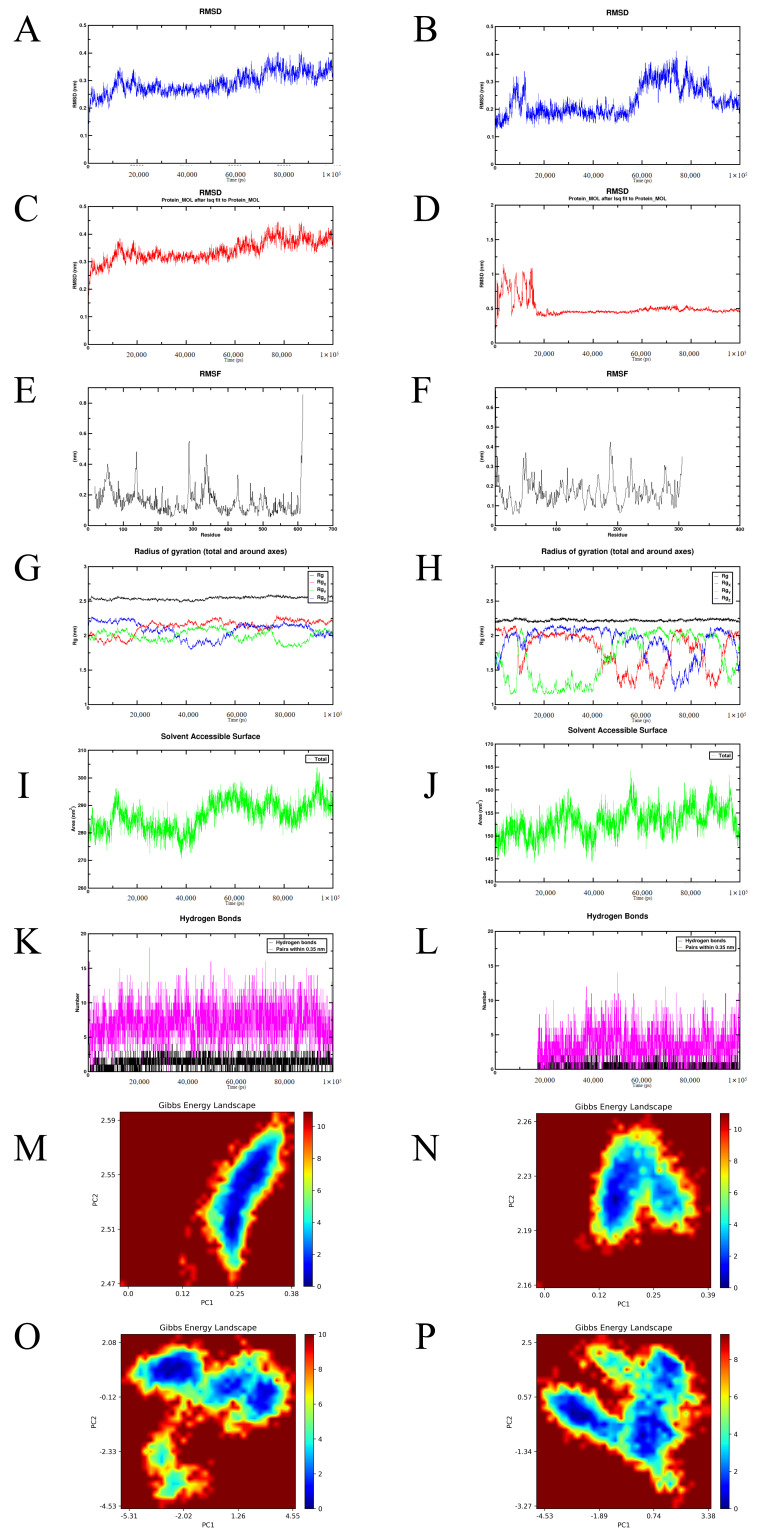 Figure 9
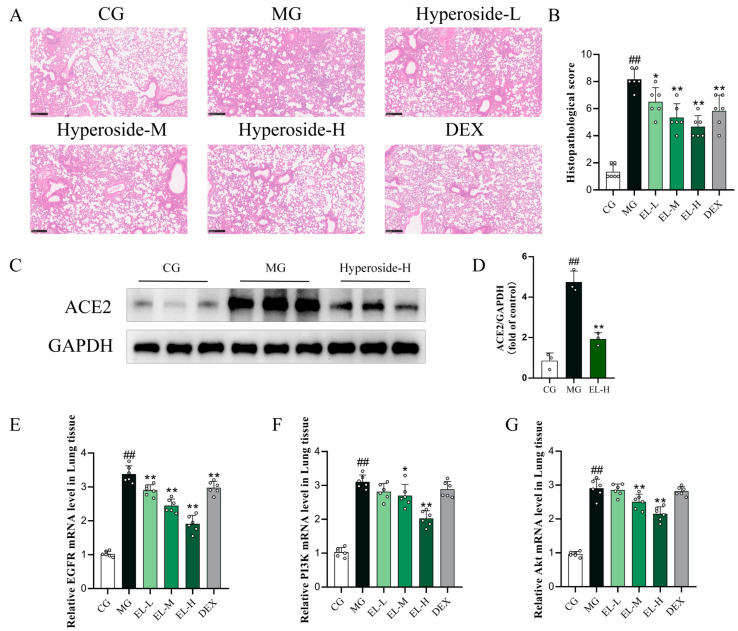 Figure 10
Peer Reviews
No public reviews on file for this paper yet. If you reviewed it on a platform where reviews are public (OpenReview, ICLR, NeurIPS, ICML), you can paste yours below so the community can read it here.
Videos
No videos yet. Explain this paper in a talk, walkthrough, or lecture? Add one.
Taxonomy
TopicsMedicinal Plants and Bioactive Compounds · Natural Compounds in Disease Treatment · Traditional Chinese Medicine Analysis