An Analysis of G3BP2 in Non-Small Cell Lung Cancer
Leela S. S. Bandi, Leah Timon, Elena O’Toole, Diarmuid O’Connor, Kristen Andersen, Bashir M. Mohamed, Siobhan Nicholson, Gerard J. Fitzmaurice, Ronan Ryan, Vincent Young, Sinead Cuffe, Stephen P. Finn, Steven G. Gray

TL;DR
This study explores the role of G3BP2 in non-small cell lung cancer and finds it is linked to cancer-related pathways but not patient survival.
Contribution
The study reveals novel associations between G3BP2 and cancer pathways like immune cell infiltration and DNA damage response in non-small cell lung cancer.
Findings
G3BP2 expression was not upregulated in non-small cell lung cancer tissues.
G3BP2 correlated with immune cell infiltration and DNA damage response pathways.
Two CpG residues showed higher methylation linked to worse survival.
Abstract
Exposure to stress can make cells die, and cells develop coping strategies to prevent this. One of the things that can lead to this stress in a cancer cell is an overproduction of messages (called mRNA) which overwhelms the cells’ ability to turn these messages into protein. To stop this, cells respond by pulling these mRNAs into a complex called a stress granule, which stops the cells from making these messages into protein. In cancer, this stress granule response can, however, lead to cancer cell survival and poor outcomes for cancer patients. An essential molecule found in stress granules is a protein called G3BP2. This study examines G3BP2 in lung cancer, and the results provide a better understanding of how this protein affects lung cancer and how we may be able to target this protein for patient benefit. Background/Objectives: Cancer cells are subjected to various stress…
Genes, proteins, chemicals, diseases, species, mutations and cell lines named across the full text — each resolved to its canonical identifier and authoritative record.
Click any figure to enlarge with its caption.
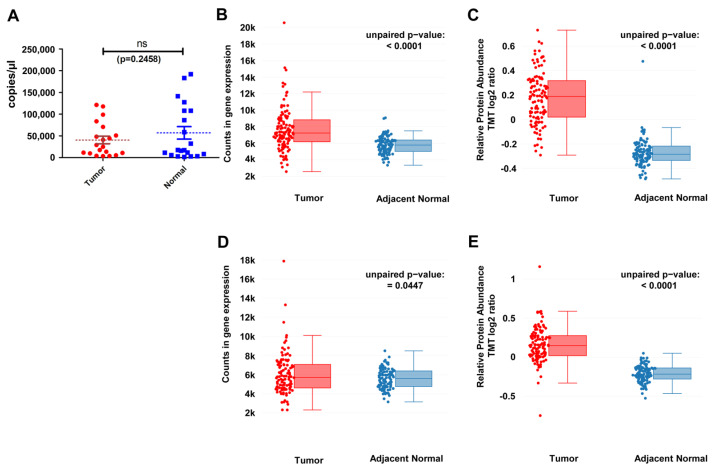 Figure 1
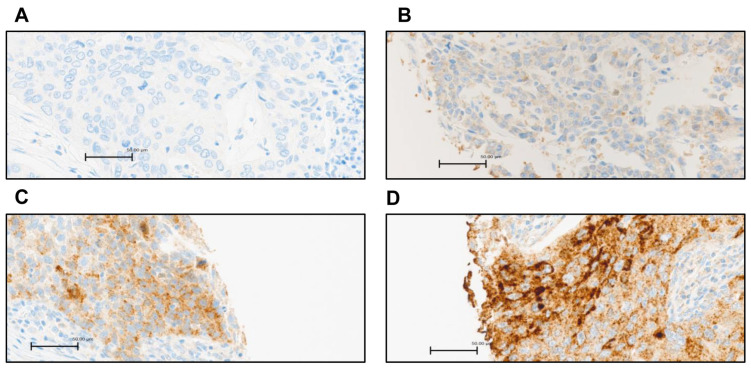 Figure 2
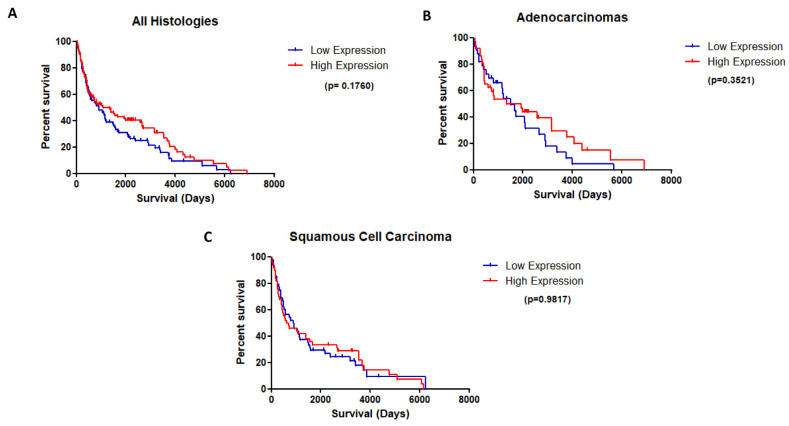 Figure 3
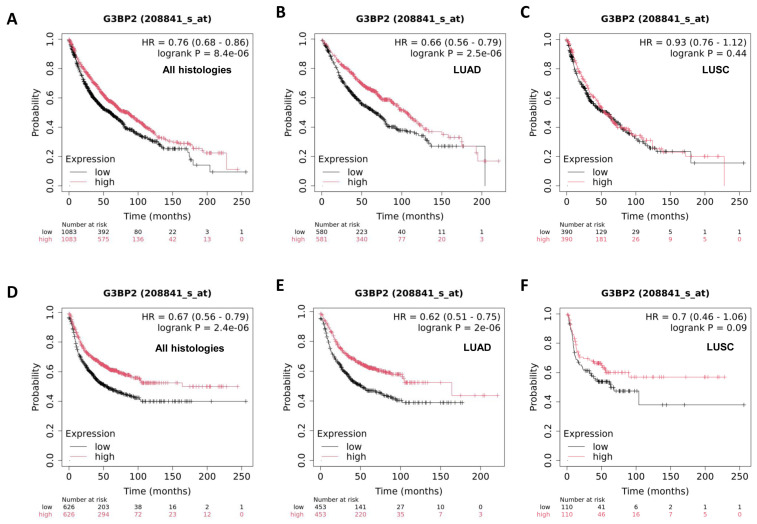 Figure 4
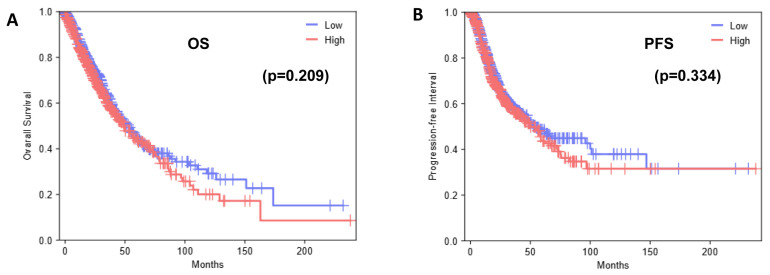 Figure 5
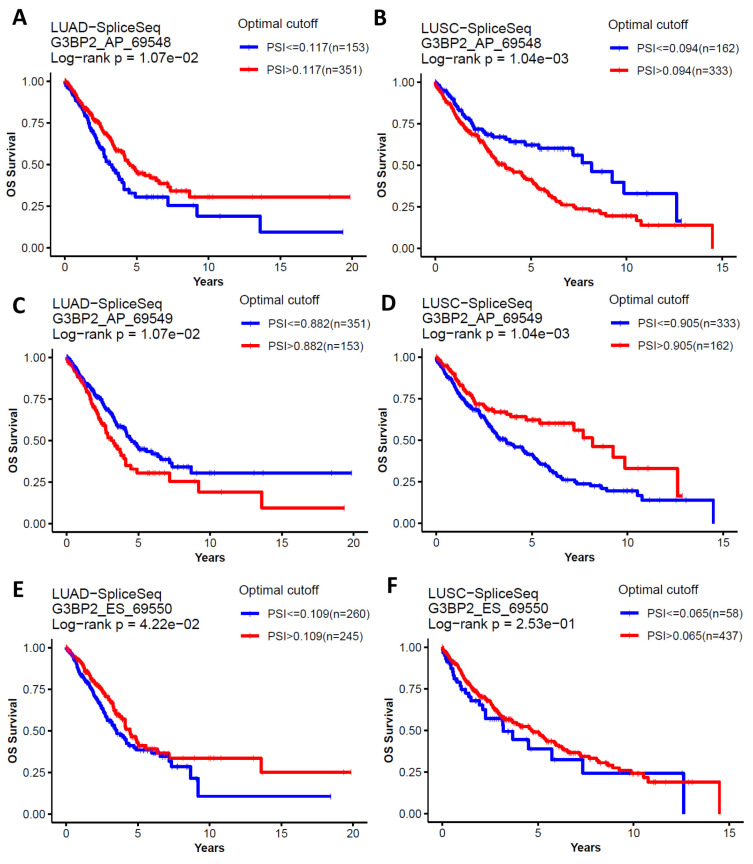 Figure 6
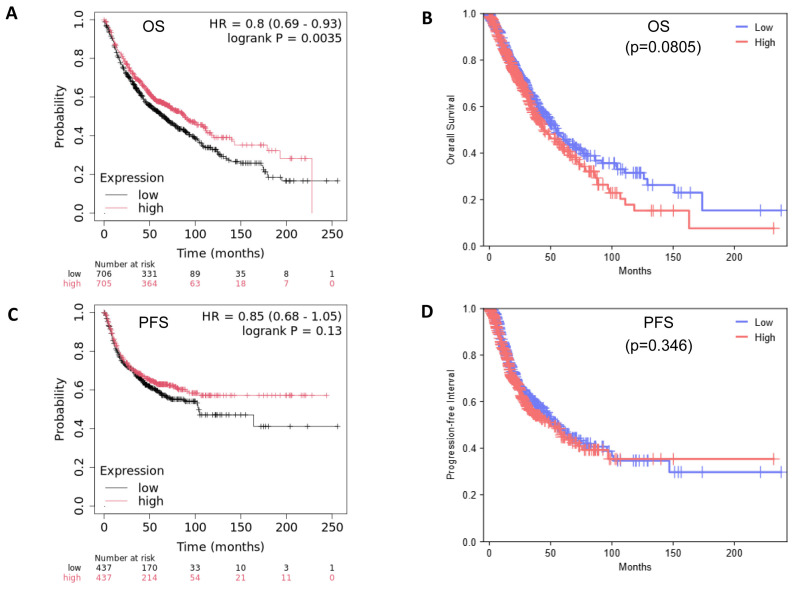 Figure 7
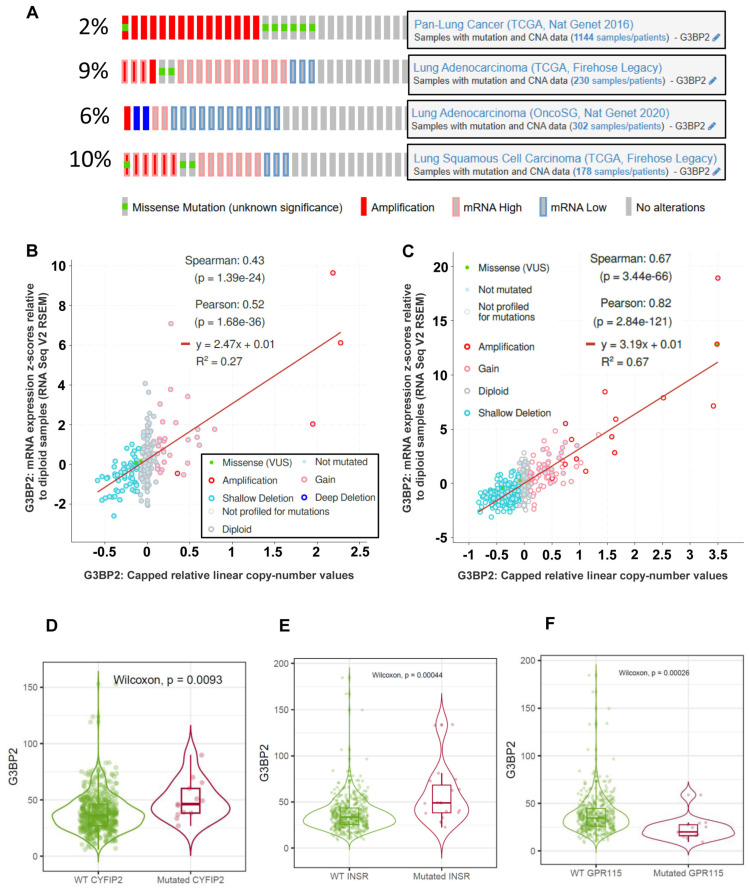 Figure 8
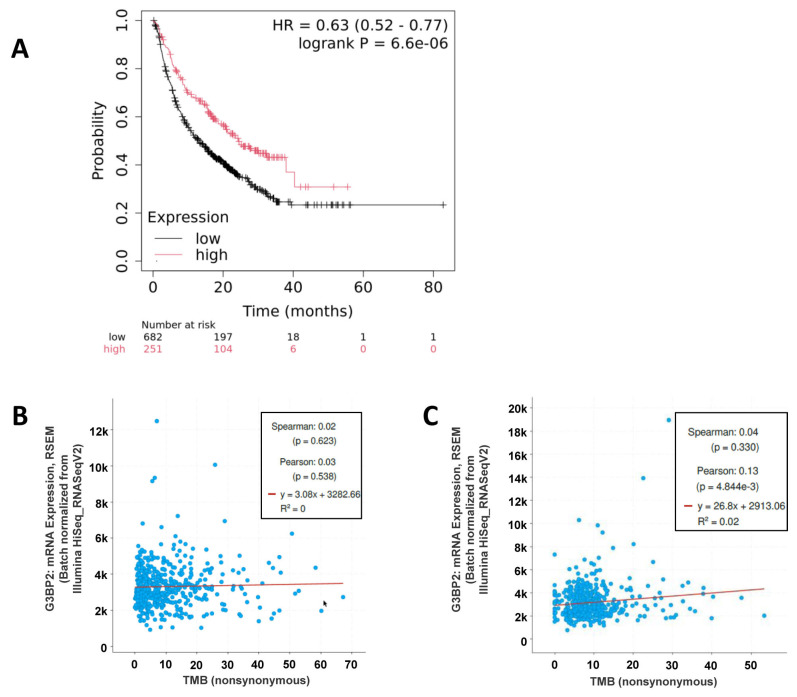 Figure 9
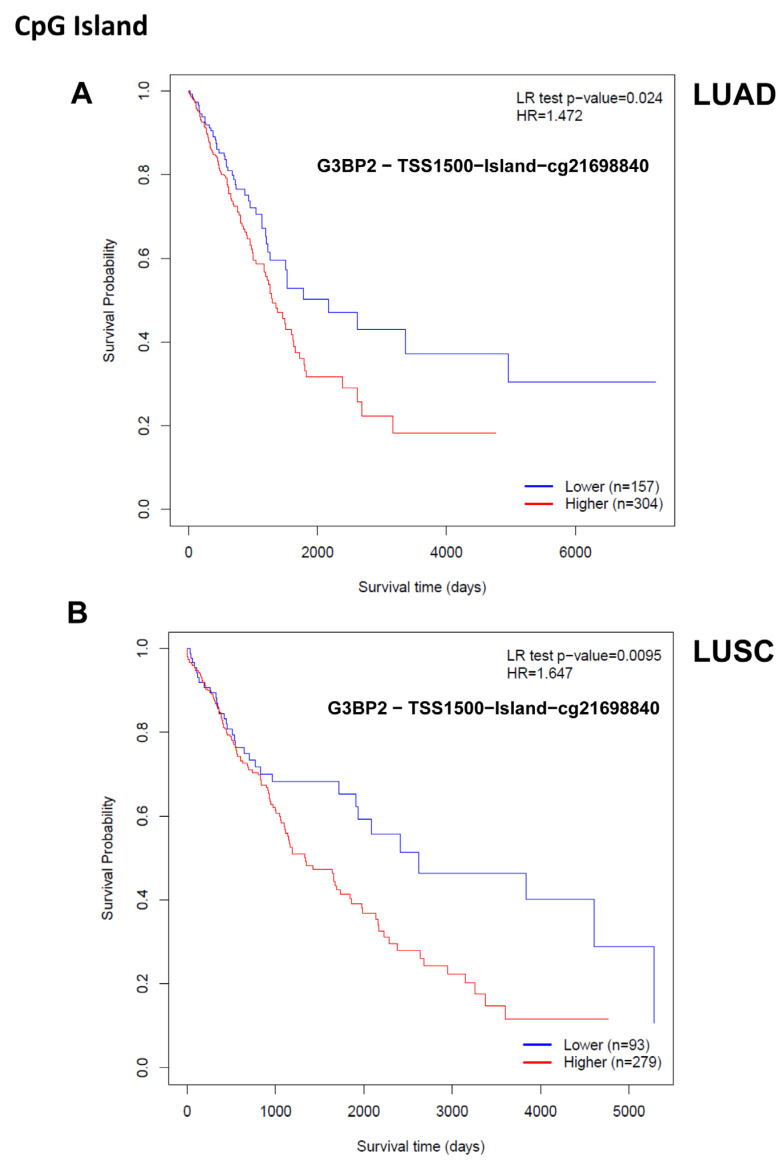 Figure 10
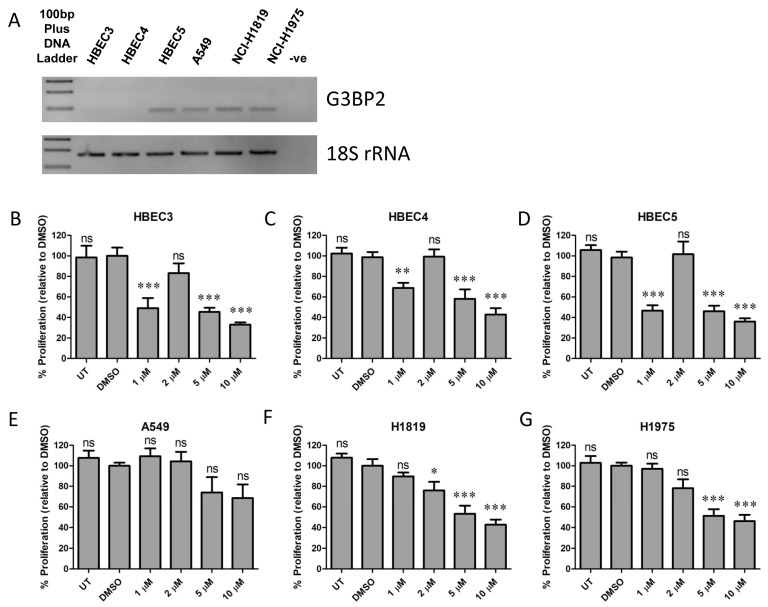 Figure 11
Peer Reviews
No public reviews on file for this paper yet. If you reviewed it on a platform where reviews are public (OpenReview, ICLR, NeurIPS, ICML), you can paste yours below so the community can read it here.
Videos
No videos yet. Explain this paper in a talk, walkthrough, or lecture? Add one.
Taxonomy
TopicsRNA Research and Splicing · RNA modifications and cancer · Clusterin in disease pathology