A Polygonatum-Based Functional Formula Improves Stress-Induced Depressive-like Behaviors via Modulation of Neuroinflammation and Tryptophan Metabolism
Guyue Zhou, Ning Jiang, Jixian Liu, Xiangjunlin Zhang, Yanfei Xu, Xinmin Liu, Mengzhou Xie

TL;DR
A functional formula based on Polygonatum sibiricum reduces stress-induced depression in mice by reducing neuroinflammation and balancing tryptophan metabolism.
Contribution
This study identifies a novel functional food formula that modulates neuroinflammation and tryptophan metabolism to alleviate stress-induced depressive behaviors.
Findings
PSF reduced depressive-like behaviors and inhibited NLRP3–caspase-1–GSDMD-mediated pyroptosis in stressed mice.
PSF restored tryptophan metabolism toward serotonin production and stabilized neurotransmitter homeostasis.
PSF partially reversed stress-induced gut microbiota dysbiosis and protected hippocampal neurons.
Abstract
Depression-related mood disturbances are increasingly recognized as nutrition-sensitive conditions associated with chronic stress-induced neuroinflammation and metabolic imbalance. Polygonatum sibiricum, Poria cocos, Lilium brownii, and Radix Glycyrrhizae Preparata are edible medicinal plants commonly used in functional foods. In this study, we evaluated the antidepressant effects of a Polygonatum sibiricum-based functional formula (PSF) in a chronic restraint stress (CRS) mouse model. CRS induced prominent anhedonia and behavioral despair, accompanied by microglial overactivation, activation of the NLRP3 inflammasome, and dysregulated tryptophan metabolism. PSF supplementation significantly alleviated depressive-like behaviors and inhibited NLRP3–caspase-1–GSDMD-mediated pyroptosis, leading to reduced hippocampal IL-1β and IL-18 levels. Importantly, PSF restored tryptophan metabolism…
Genes, proteins, chemicals, diseases, species, mutations and cell lines named across the full text — each resolved to its canonical identifier and authoritative record.
Click any figure to enlarge with its caption.
 Figure 1
 Figure 2
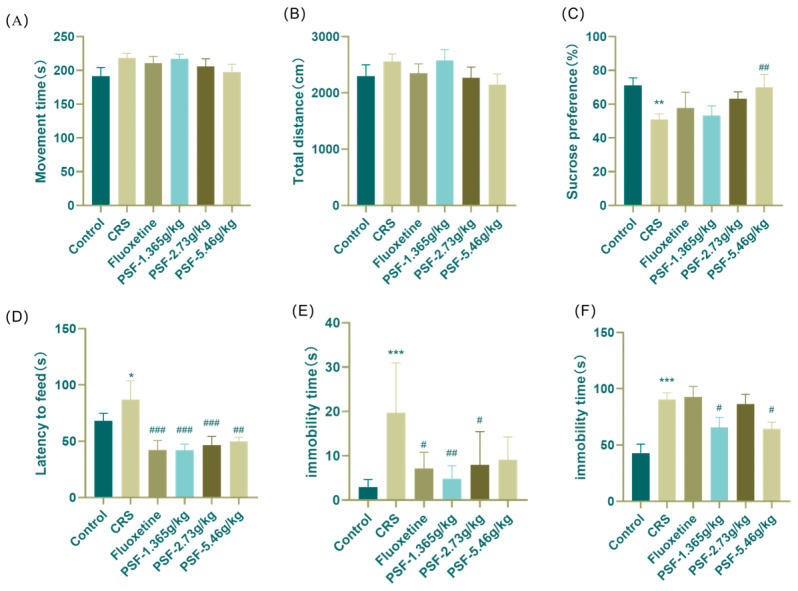 Figure 3
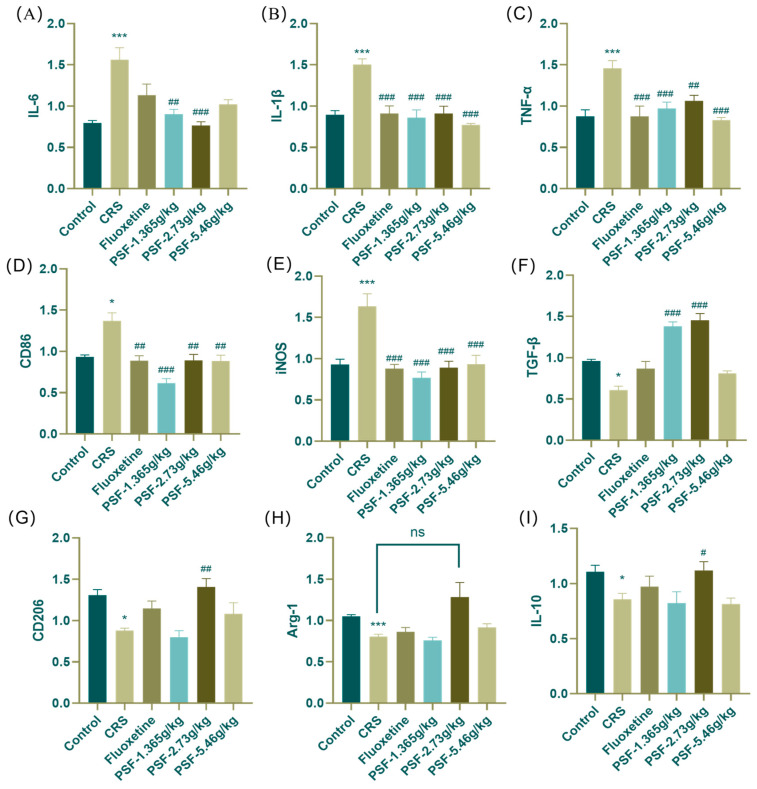 Figure 4
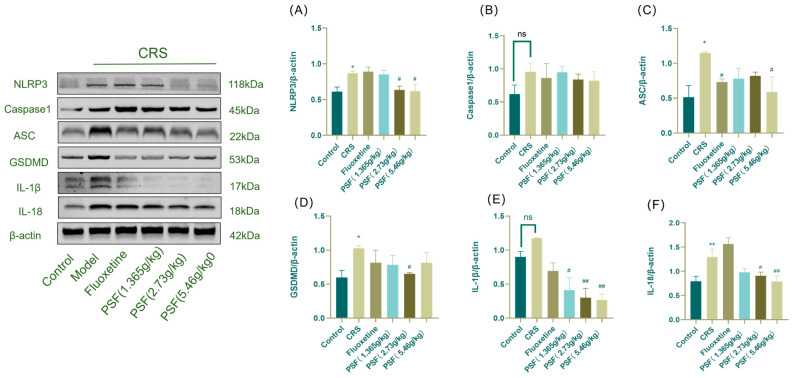 Figure 5
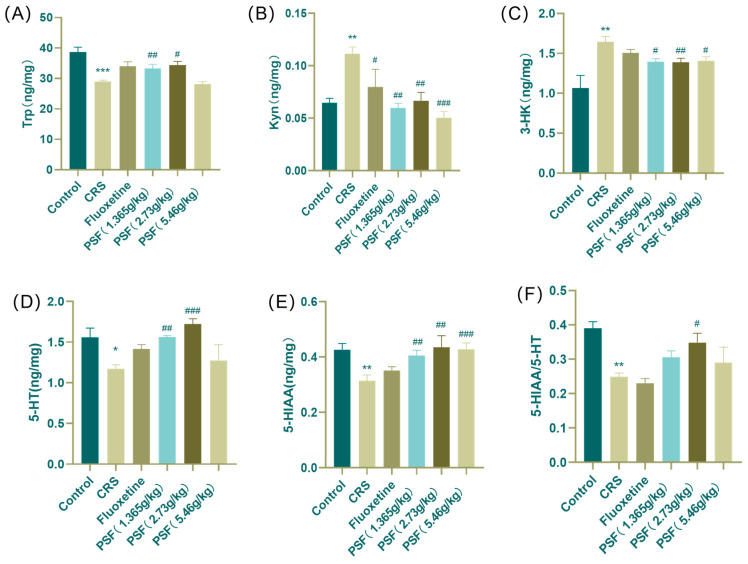 Figure 6
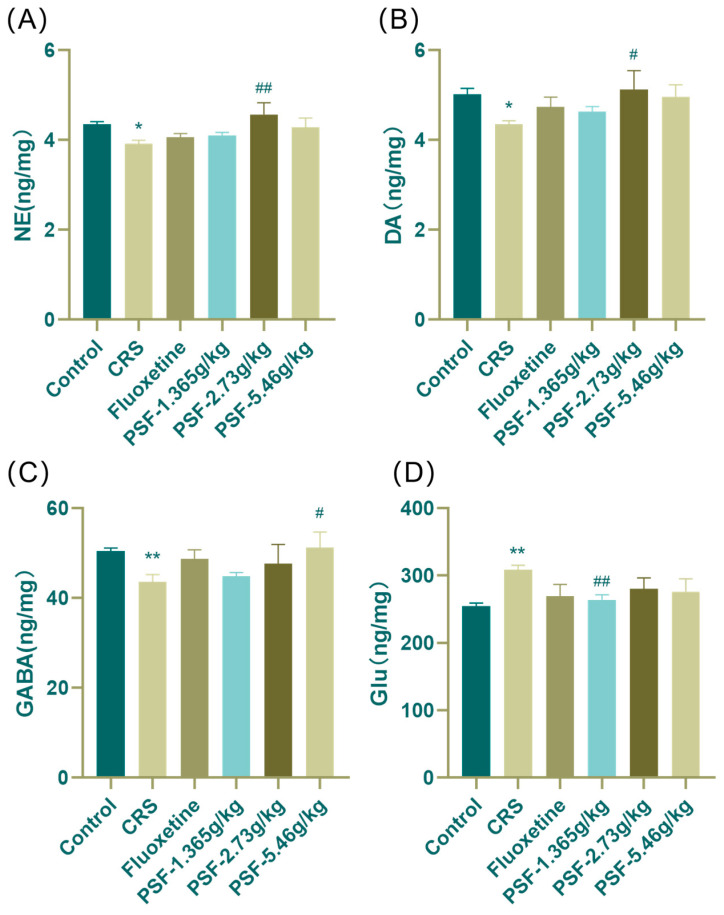 Figure 7
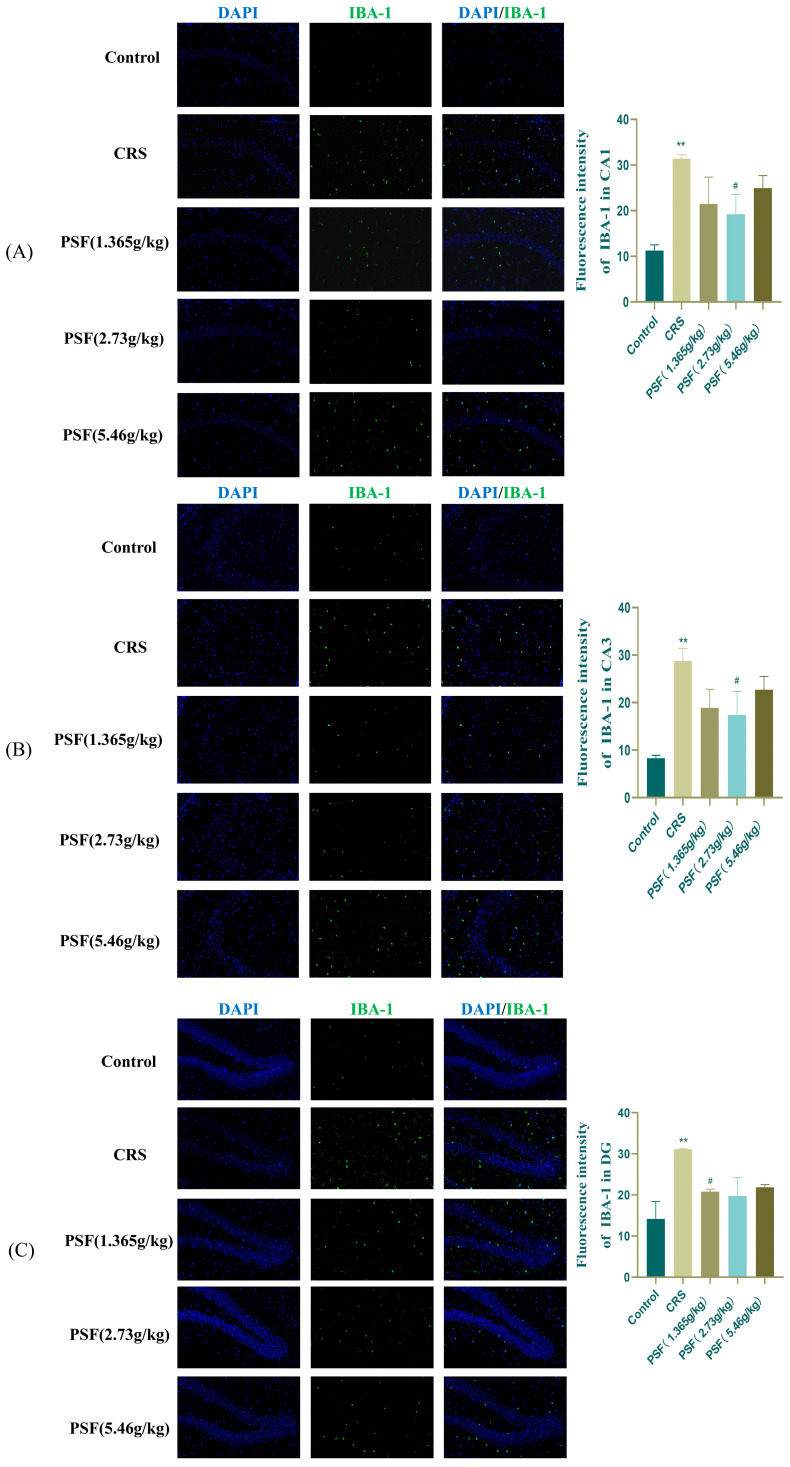 Figure 8
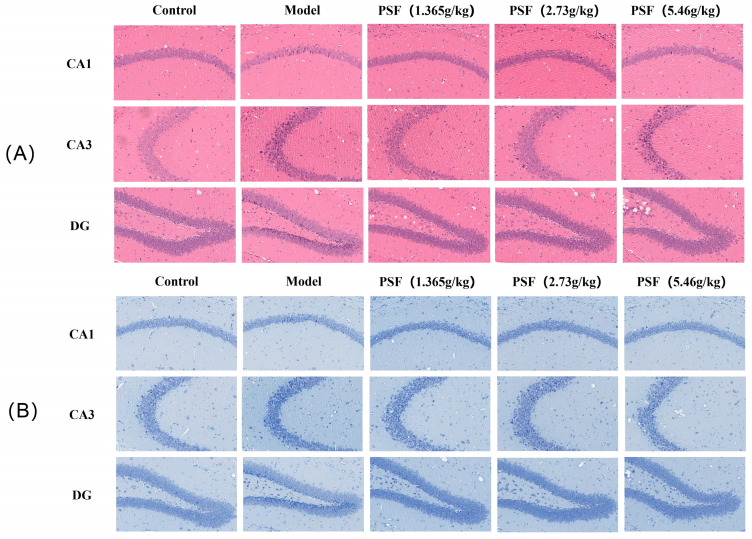 Figure 9
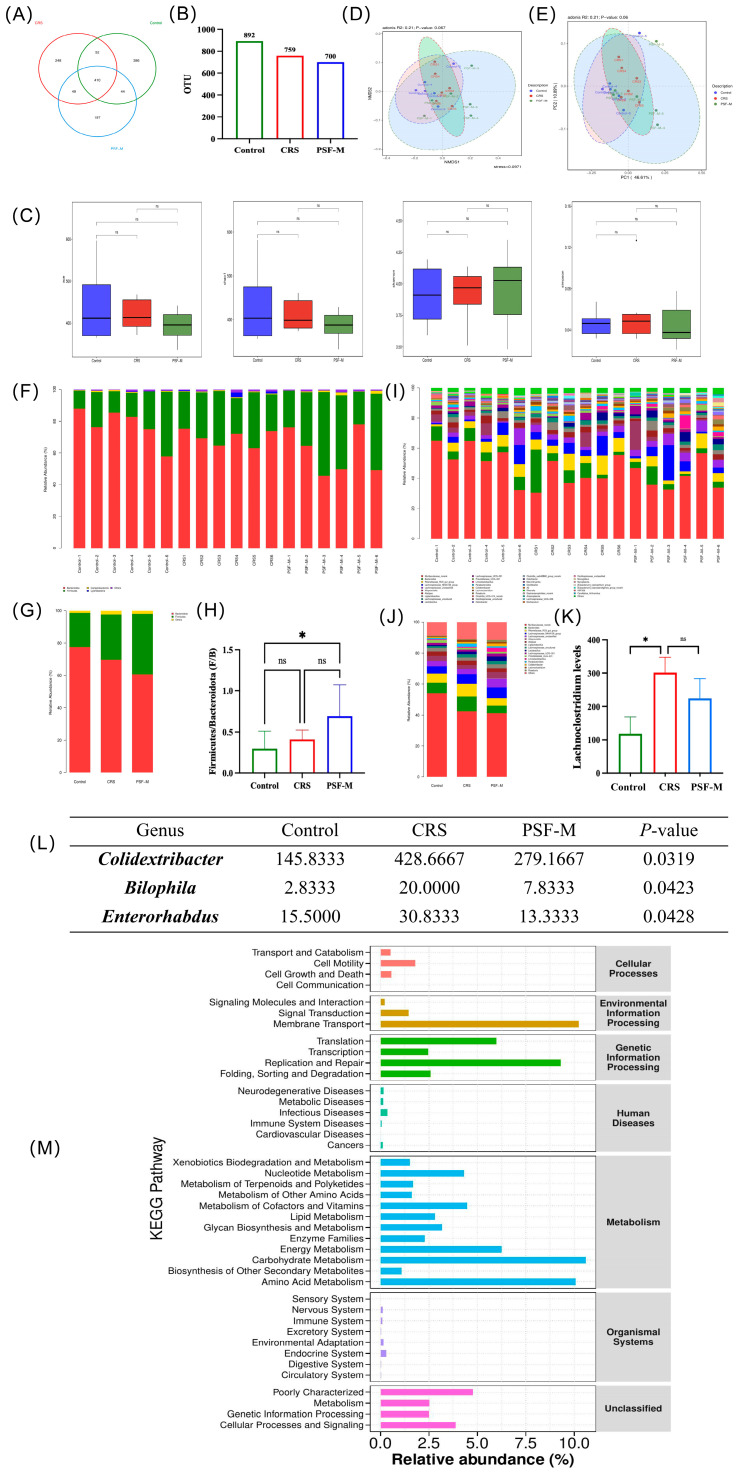 Figure 10
Peer Reviews
No public reviews on file for this paper yet. If you reviewed it on a platform where reviews are public (OpenReview, ICLR, NeurIPS, ICML), you can paste yours below so the community can read it here.
Videos
No videos yet. Explain this paper in a talk, walkthrough, or lecture? Add one.
Taxonomy
TopicsTryptophan and brain disorders · Gut microbiota and health · Medicinal Plants and Bioactive Compounds