Fibrosis of Periprostatic Adipose Tissue: A Potential Marker of Prostate Cancer Aggressiveness
Yiling Jin, Jinyue Hu, Gang Wang, Yu Zhang, Zhiming Bai, Mengxing Huang, Jing Chen

TL;DR
This study shows that fibrosis in the fat tissue around the prostate could help predict how aggressive prostate cancer is, using MRI scans for non-invasive diagnosis.
Contribution
The first study to show a significant link between PPAT fibrosis and tumor location using MRI-based radiomics for non-invasive prostate cancer aggressiveness prediction.
Findings
PPAT fibrosis correlates with prostate cancer aggressiveness and tumor location in the peripheral zone.
MRI-based radiomic features of PPAT achieved an AUC of 0.86 in predicting cancer aggressiveness.
PPAT fibrosis is a better marker of aggressiveness than PPAT volume.
Abstract
This study investigated the feasibility of using periprostatic adipose tissue (PPAT) fibrosis as a potential marker of prostate cancer aggressiveness. A quantitative analysis of PPAT fibrosis was conducted on samples from 51 patients who underwent radical prostatectomy. The results revealed that more aggressive tumors were associated with increased complexity in the fibrous structure of PPAT, including an increased number of fibers, disorganized distribution and altered physical properties. This is the first study to report a significant correlation between the degree of PPAT fibrosis and the primary tumor location in prostate cancer. This study further validated the feasibility of evaluating PPAT fibrosis via MRI-based radiomic features, thus suggesting its potential as a noninvasive method to facilitate early diagnosis and personalized treatment of prostate cancer. Background:…
Genes, proteins, chemicals, diseases, species, mutations and cell lines named across the full text — each resolved to its canonical identifier and authoritative record.
Click any figure to enlarge with its caption.
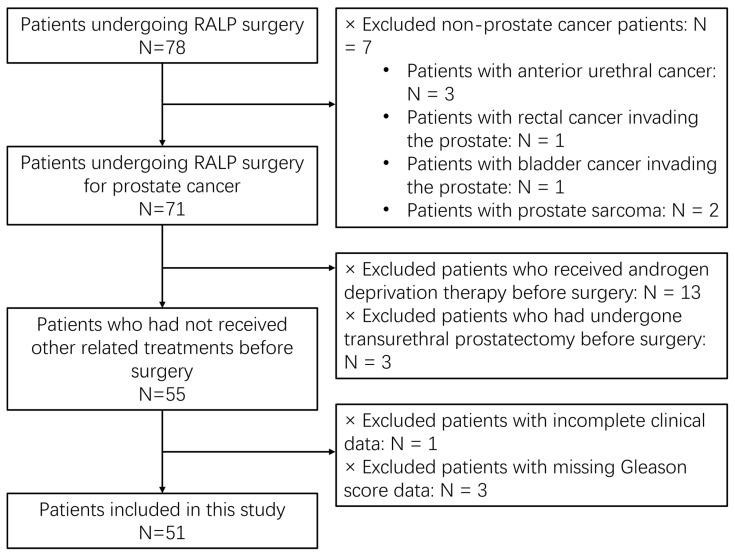 Figure 1
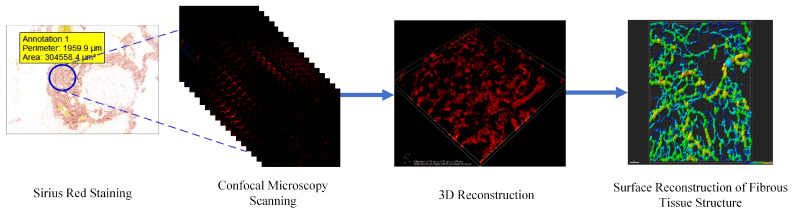 Figure 2
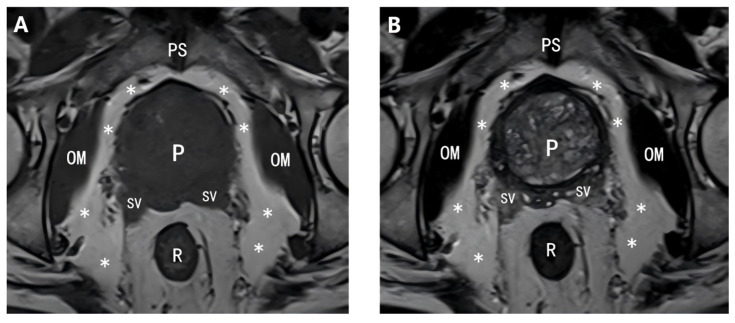 Figure 3
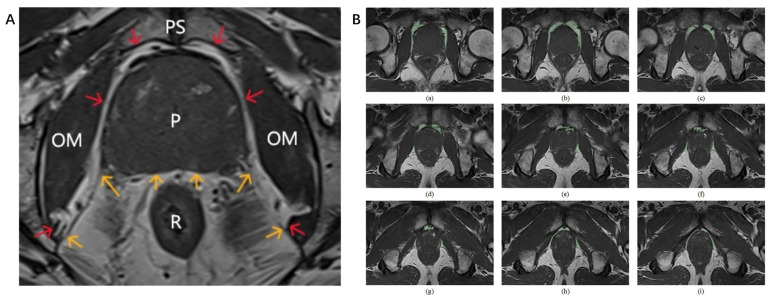 Figure 4
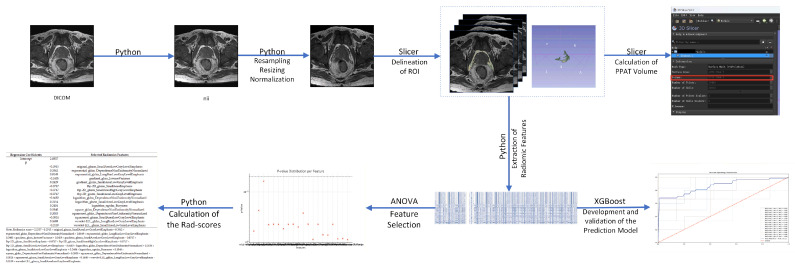 Figure 5
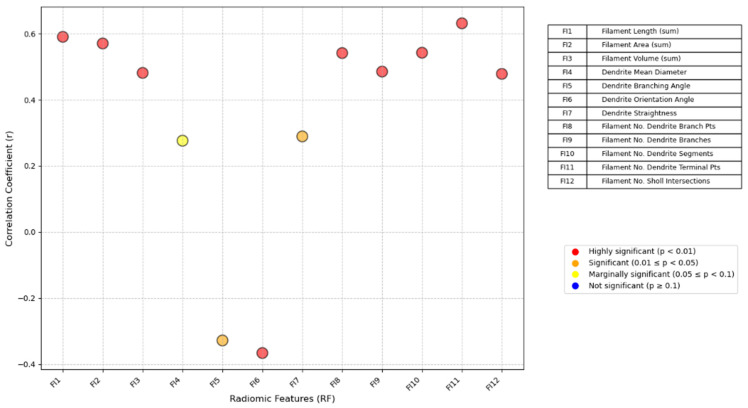 Figure 6
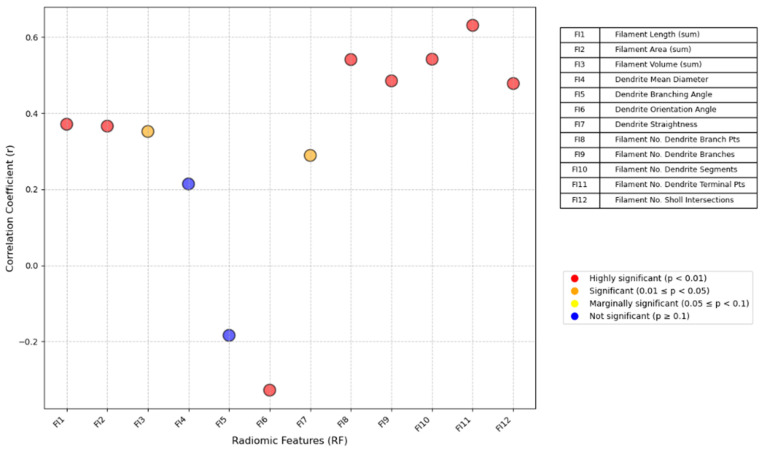 Figure 7
 Figure 8
Peer Reviews
No public reviews on file for this paper yet. If you reviewed it on a platform where reviews are public (OpenReview, ICLR, NeurIPS, ICML), you can paste yours below so the community can read it here.
Videos
No videos yet. Explain this paper in a talk, walkthrough, or lecture? Add one.
Taxonomy
TopicsRadiomics and Machine Learning in Medical Imaging · Prostate Cancer Diagnosis and Treatment · Prostate Cancer Treatment and Research