New Insight into the Multi-Scale Structure and Anti-Digestibility of Nano-Scale Amylopectin Ternary Assemblies Prepared Under High-Power Ultrasound
Bo Li, Yanjun Zhang, Zuohua Xie, Lixiang Zhou, Yanru Zhou, Xin Yang, Weihong Lu

TL;DR
This study explores how high-power ultrasound affects the structure and digestibility of nano-scale amylopectin assemblies, leading to higher resistant starch content and lower glycemic index.
Contribution
The study reveals how ultrasound power influences the multi-scale structure and anti-digestibility of nano-scale amylopectin ternary assemblies.
Findings
Higher ultrasound power increases RS-V content (22.66–60.17%) and reduces glycemic index.
Ultrasound promotes compact molecular networks and reduces hydrolysis sites in amylopectin assemblies.
EFA–lauric acid–lactoglobulin assemblies under 600 W ultrasound show superior anti-digestibility compared to traditional starches.
Abstract
High-power ultrasound has been widely used to regulate the anti-digestibility of starch-based products, including the formation of resistant starch (RS-V) in amylopectin assemblies. This can contribute to the attenuation of postprandial hyperglycemia. However, the mechanisms by which high-power ultrasound modulates RS-V remain to be elucidated. Therefore, nano-scale Euryale ferox amylopectin (EFA) ternary assemblies were constructed under high-power ultrasound. All EFA assemblies exhibited ternary self-assembly peaks and V-type crystallinity. Combined chemometric analyses revealed that, with increasing ultrasound power, the rising self-assembly sites within B2 and C chains promoted the increase in self-assembly index but decreased semicrystalline lamellae thickness and structural fractal dimension. Consequently, a compact and ordered molecular cross-linking network was formed,…
Genes, proteins, chemicals, diseases, species, mutations and cell lines named across the full text — each resolved to its canonical identifier and authoritative record.
Click any figure to enlarge with its caption.
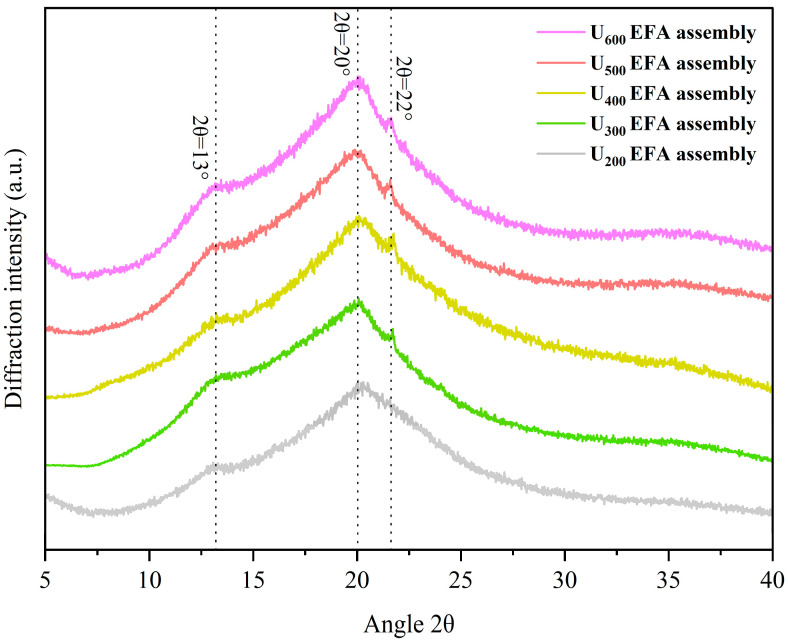 Figure 1
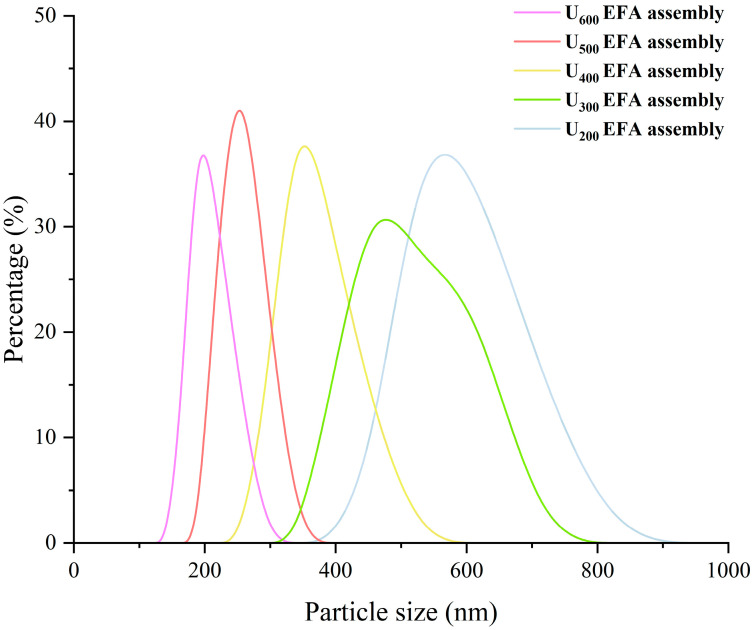 Figure 2
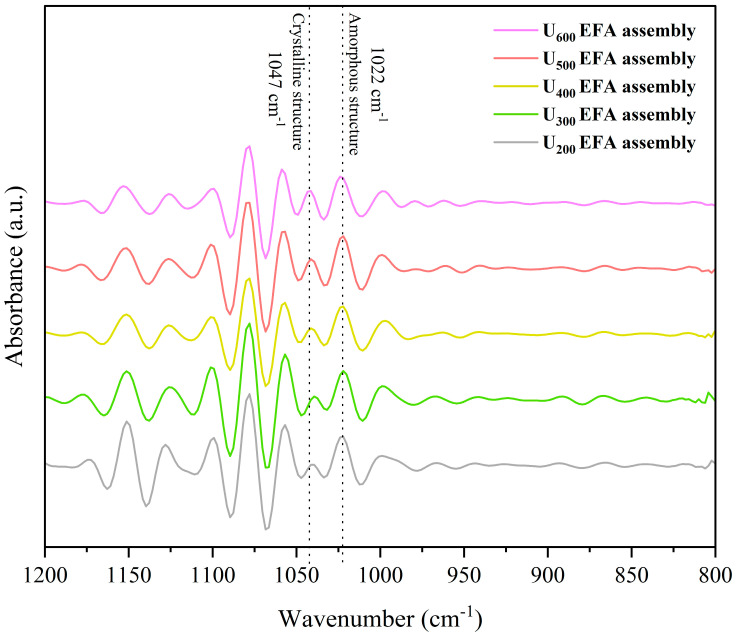 Figure 3
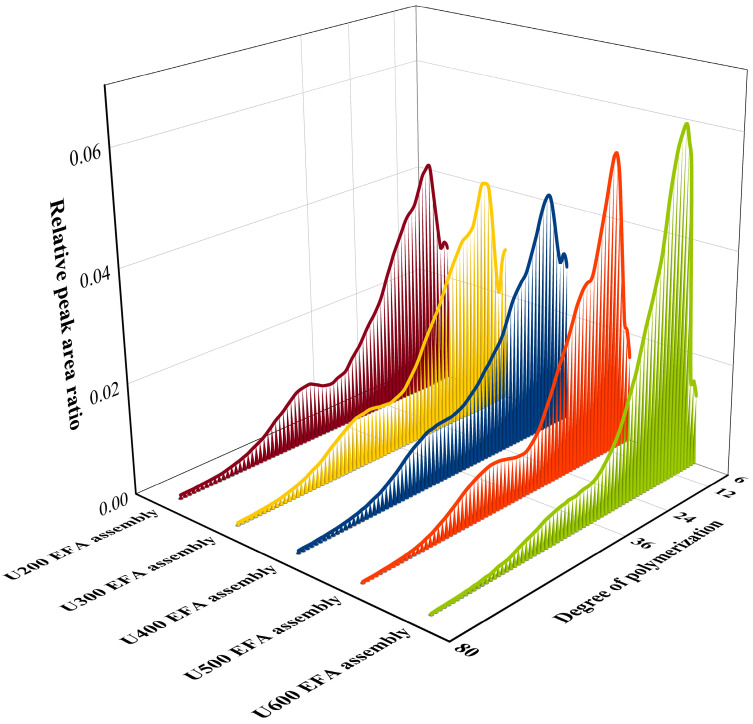 Figure 4
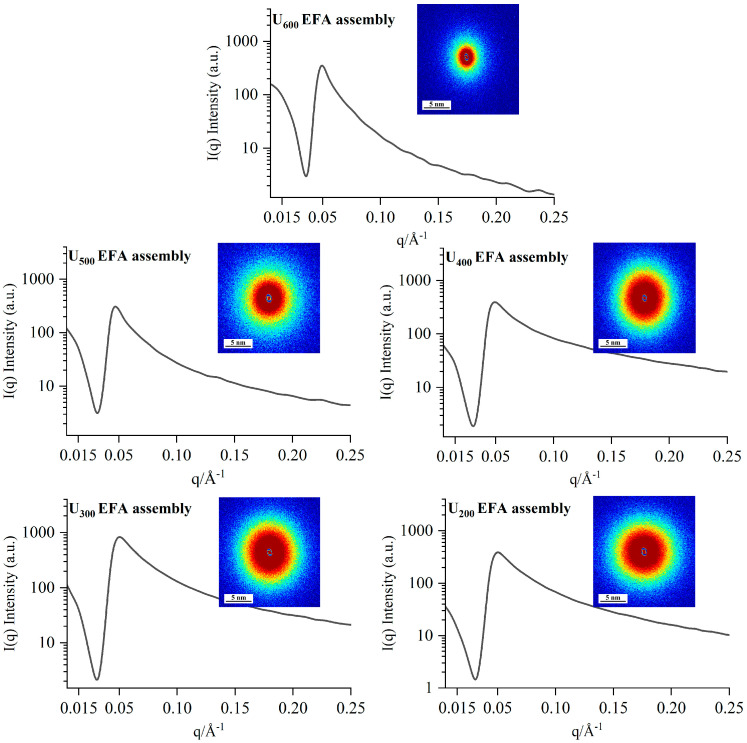 Figure 5
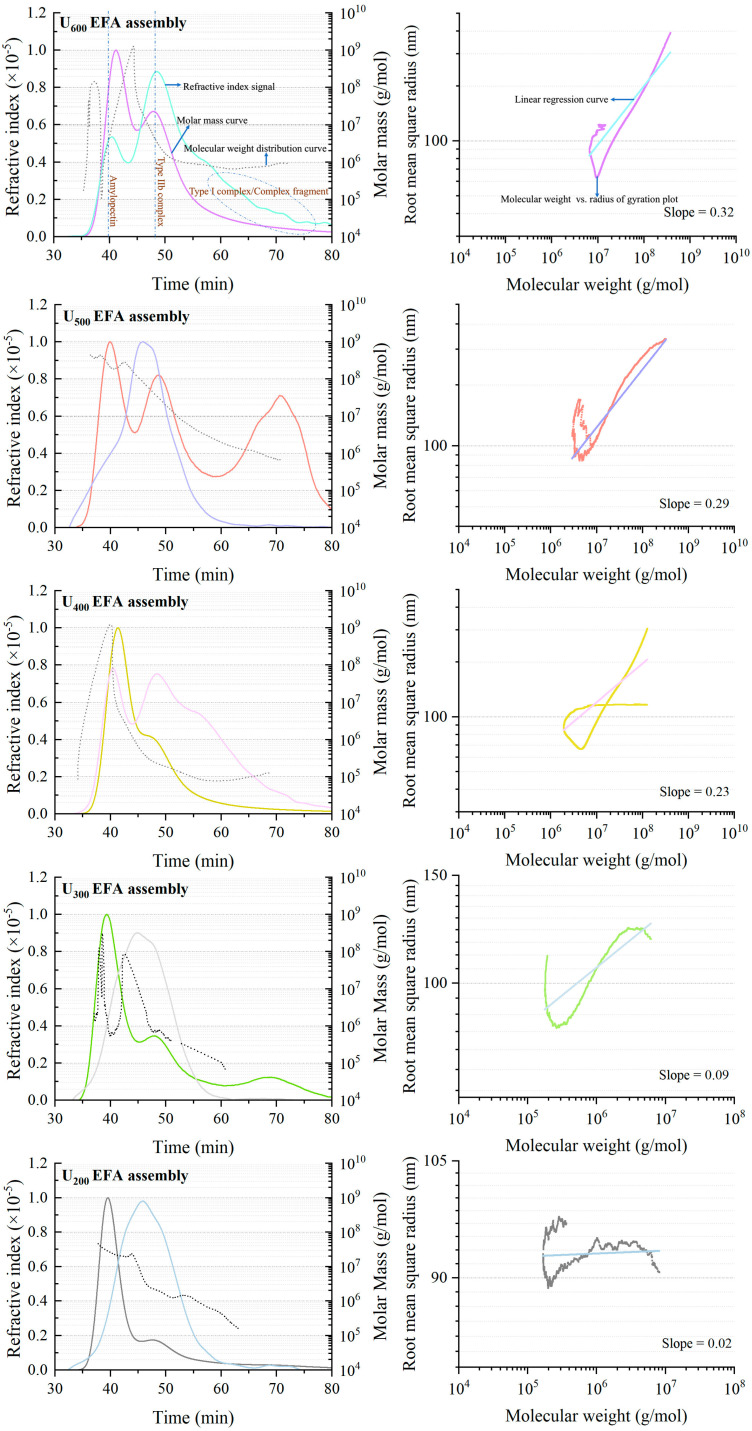 Figure 6
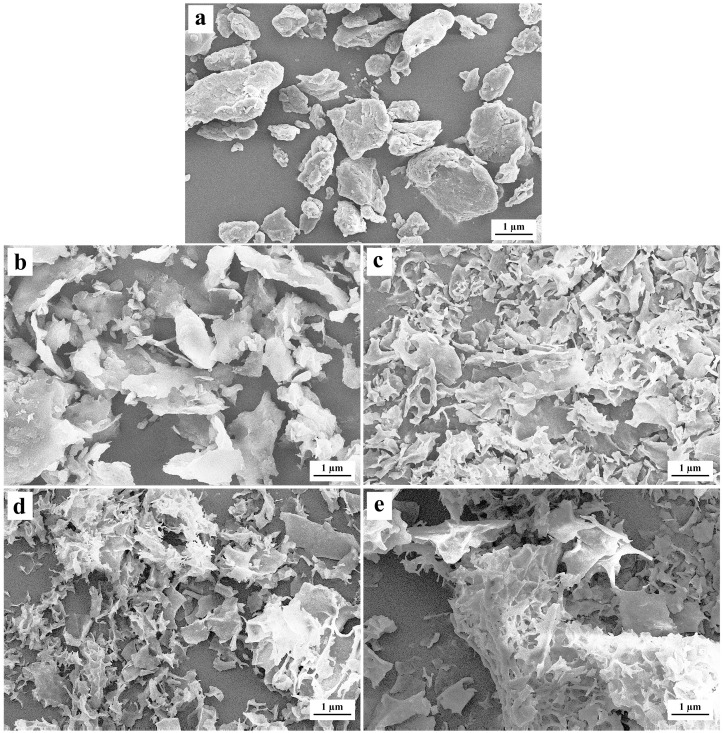 Figure 7
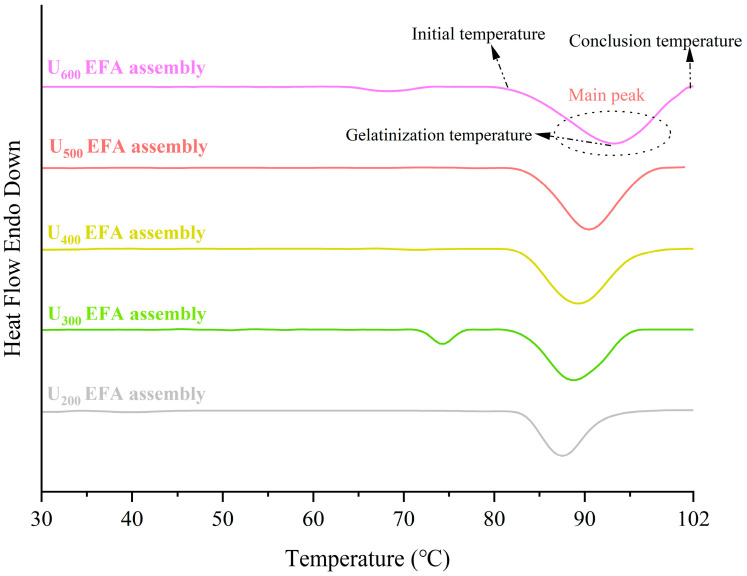 Figure 8
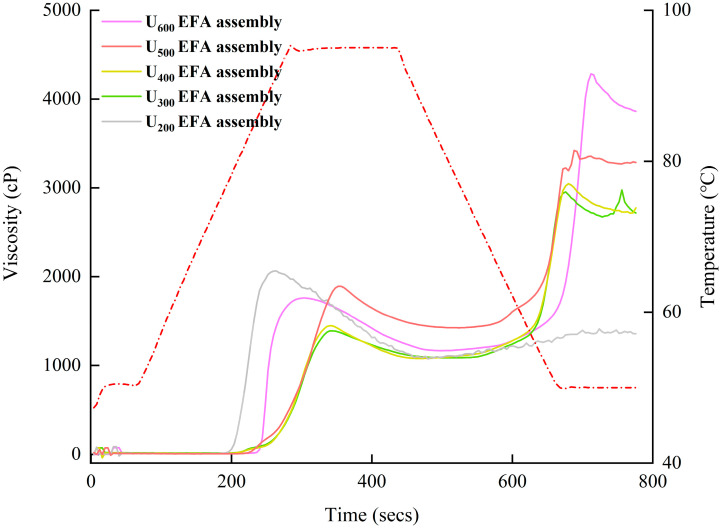 Figure 9
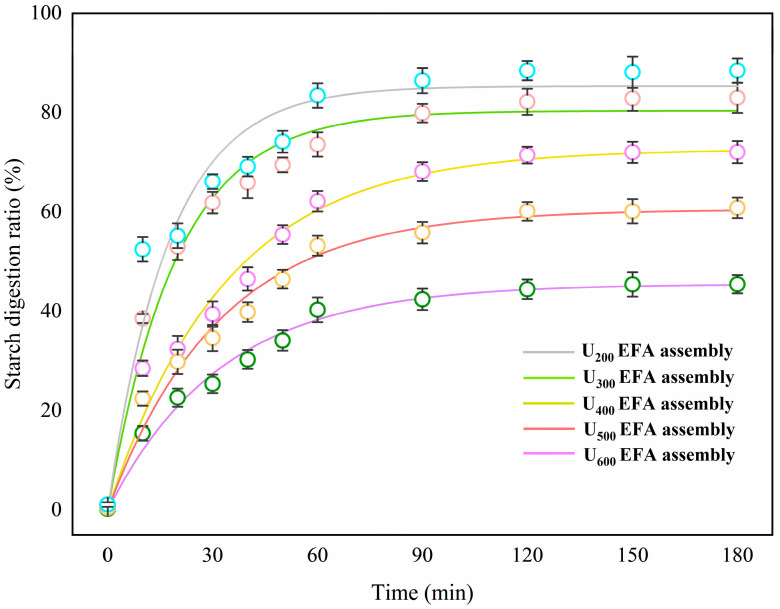 Figure 10
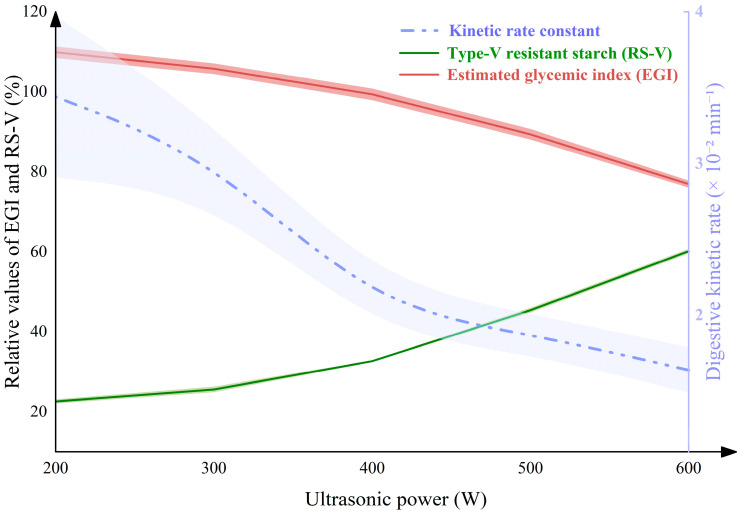 Figure 11
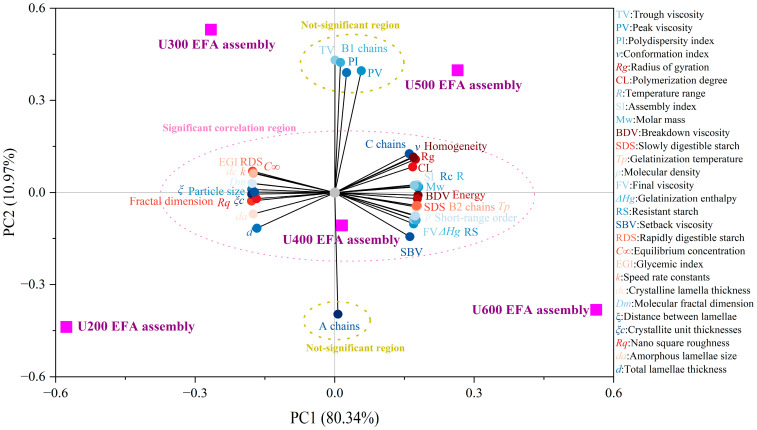 Figure 12
 Figure 13
 Figure 14
Peer Reviews
No public reviews on file for this paper yet. If you reviewed it on a platform where reviews are public (OpenReview, ICLR, NeurIPS, ICML), you can paste yours below so the community can read it here.
Videos
No videos yet. Explain this paper in a talk, walkthrough, or lecture? Add one.
Taxonomy
TopicsFood composition and properties · Proteins in Food Systems · Microbial Metabolites in Food Biotechnology