Simultaneous Transmission of Discrete-Variable Quantum Key Distribution and Classical Optical Communication in Few-Mode Fiber
Qi Zhao, Gang Wang, Li Pei, Jianjun Tang, Yuheng Xie, Zhenhua Li, Yang Liu

TL;DR
This paper explores how quantum and classical signals can coexist in fiber optic cables, improving quantum communication distances.
Contribution
A new model for quantum-classical coexistence in few-mode fiber is proposed, enhancing transmission distance by optimizing fiber design.
Findings
Mode coupling, number of modes, and wavelengths significantly affect spontaneous Raman scattering.
A ring-assisted few-mode fiber design reduces noise and increases quantum signal transmission distance by up to 41.5%.
Abstract
Based on mode crosstalk theory, this paper develops a spontaneous Raman scattering (SpRS) model for the quantum-classical coexistence system using few-mode fiber (FMF) integrated with wavelength-division multiplexing (WDM) and spatial-division multiplexing (SDM). Through numerical calculations, the influence degrees of three factors (mode coupling, the number of modes and wavelengths) on SpRS are analyzed. The investigation identifies the dominant contributors to SpRS and reveals their relative impact magnitudes. Based on these results, a ring-assisted FMF is proposed to mitigate noise impacts on quantum signals. The numerical results show that the optimized FMF enhances quantum signal transmission distance by up to 41.5%.
Click any figure to enlarge with its caption.
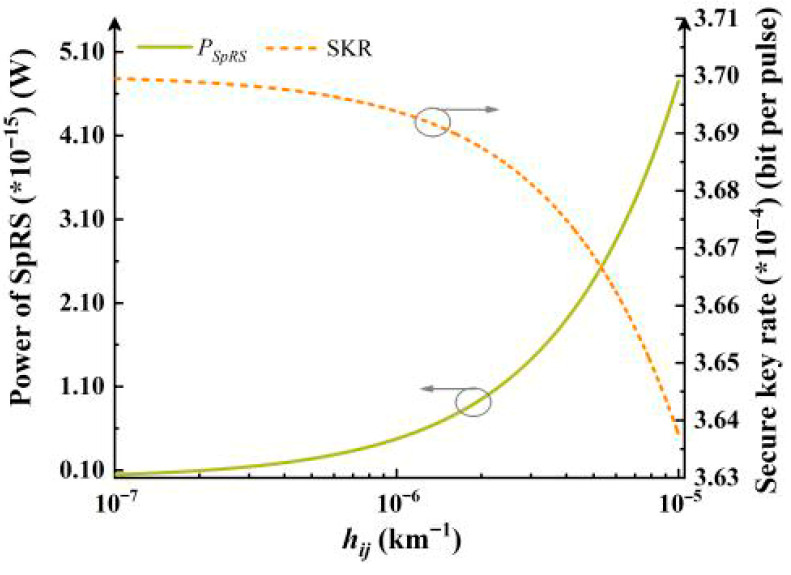 Figure 1
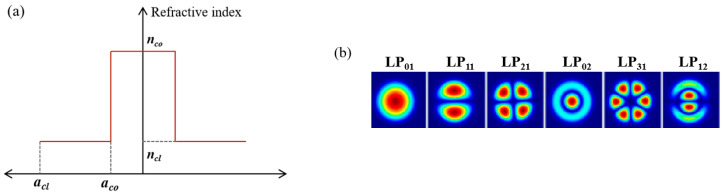 Figure 2
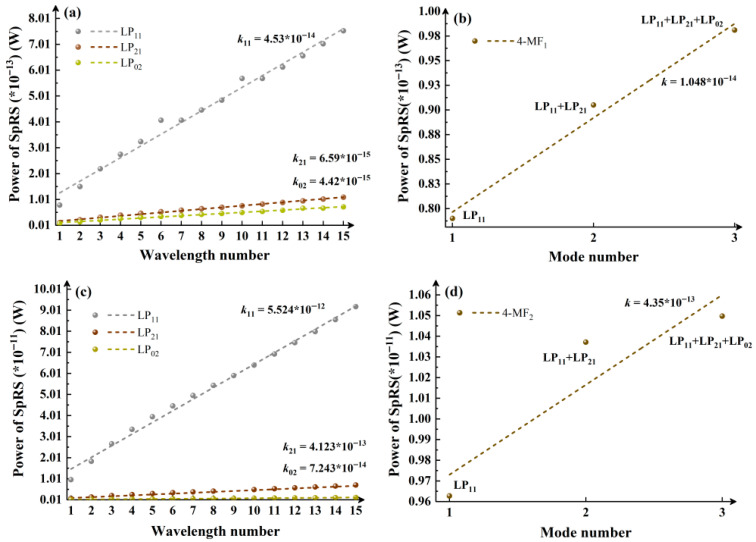 Figure 3
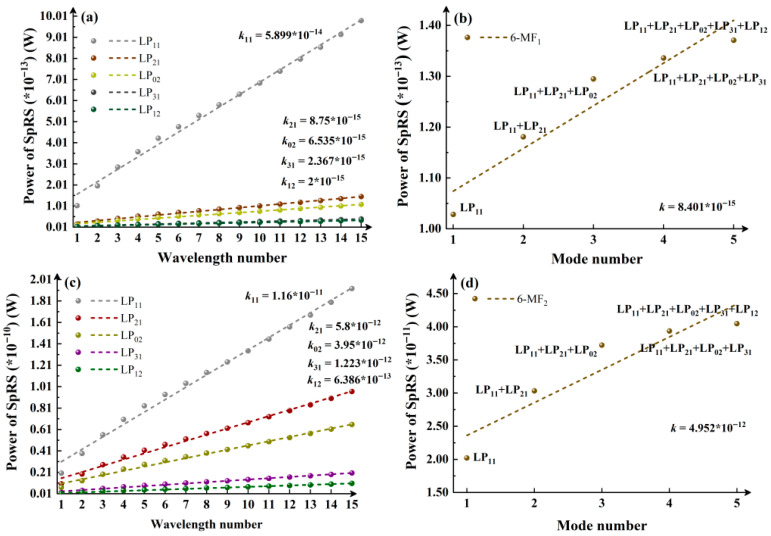 Figure 4
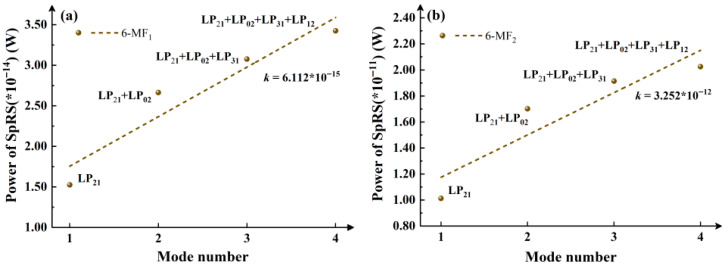 Figure 5
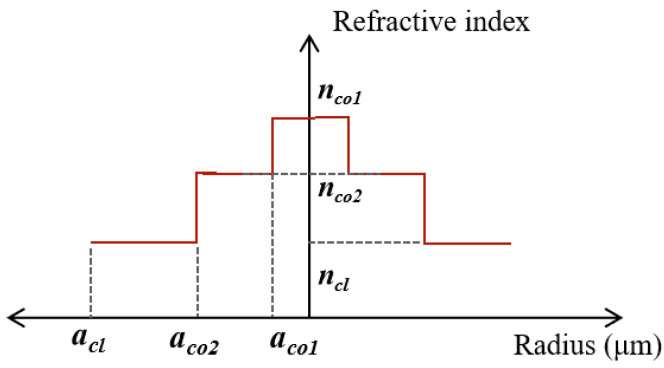 Figure 6
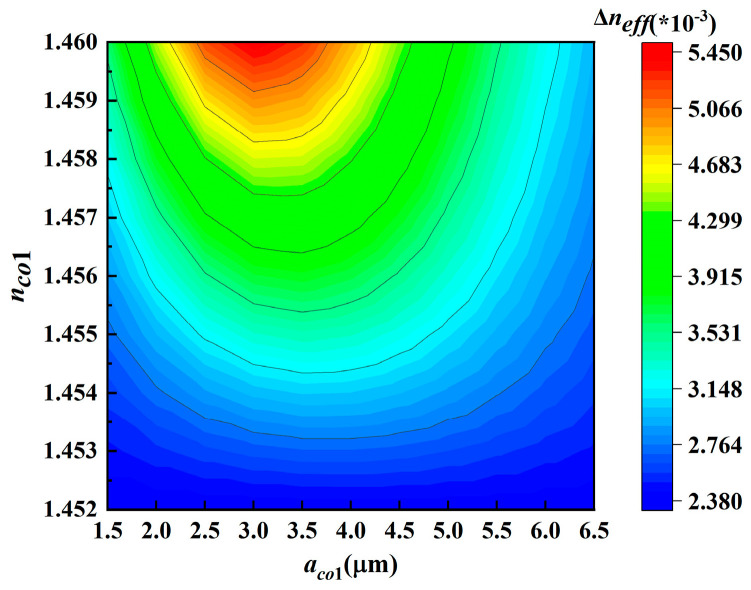 Figure 7
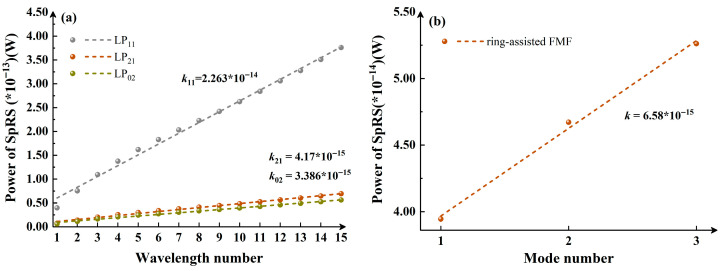 Figure 8
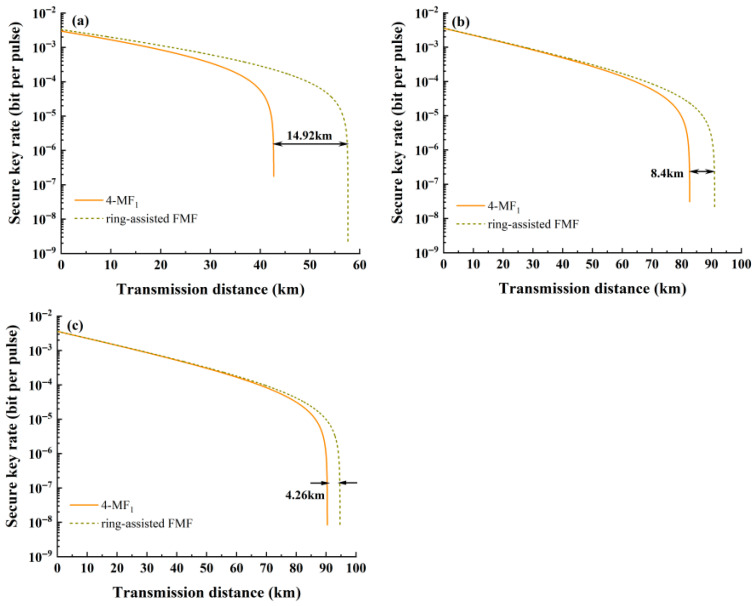 Figure 9
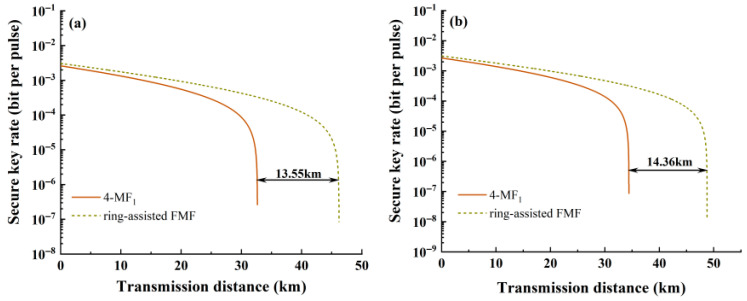 Figure 10
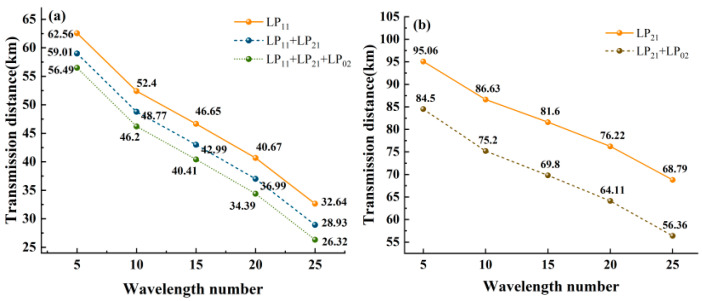 Figure 11
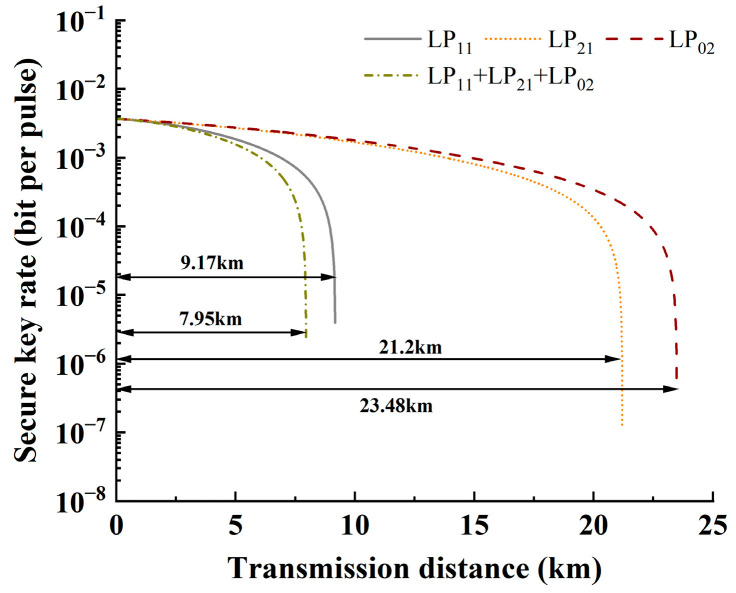 Figure 12
Peer Reviews
No public reviews on file for this paper yet. If you reviewed it on a platform where reviews are public (OpenReview, ICLR, NeurIPS, ICML), you can paste yours below so the community can read it here.
Videos
No videos yet. Explain this paper in a talk, walkthrough, or lecture? Add one.
Taxonomy
TopicsOptical Network Technologies · Quantum Information and Cryptography · Quantum optics and atomic interactions