Next-Generation Dietary Antioxidants in Women’s Reproductive Health: Mechanisms, Reproductive Outcomes, and Therapeutic Potential
Md Ataur Rahman, Maroua Jalouli, Mohammed Al-Zharani, Abdel Halim Harrath

TL;DR
This review explores how next-generation dietary antioxidants can improve women's reproductive health by reducing oxidative stress and supporting fertility and pregnancy outcomes.
Contribution
The paper introduces a framework for understanding how modern dietary antioxidants modulate redox-sensitive pathways in female reproduction.
Findings
Next-generation antioxidants modulate redox-sensitive pathways like autophagy and apoptosis.
These compounds improve oocyte quality, ovarian reserve, and pregnancy success.
They show therapeutic potential for conditions like infertility and endometriosis.
Abstract
Oxidative stress has emerged as a key factor regulating female fertility, reproductive aging, and the development of various gynecologic and pregnancy-associated diseases. While physiological concentrations of reactive oxygen species play a fundamental role in many aspects of normal reproduction such as folliculogenesis, oocyte maturation, implantation, and placental development, abnormal or chronic oxidative stress impairs redox homeostasis and promotes mitochondrial dysfunction, inflammation, DNA damage, and cellular senescence. Recent research interest has shifted toward next-generation dietary antioxidants, including bioactive polyphenols, carotenoids, micronutrients, and nutraceutical combinations with improved bioavailability and molecular targets. These compounds go beyond classical free-radical scavenging activity and modulate a network of redox-sensitive signaling pathways…
Genes, proteins, chemicals, diseases, species, mutations and cell lines named across the full text — each resolved to its canonical identifier and authoritative record.
Click any figure to enlarge with its caption.
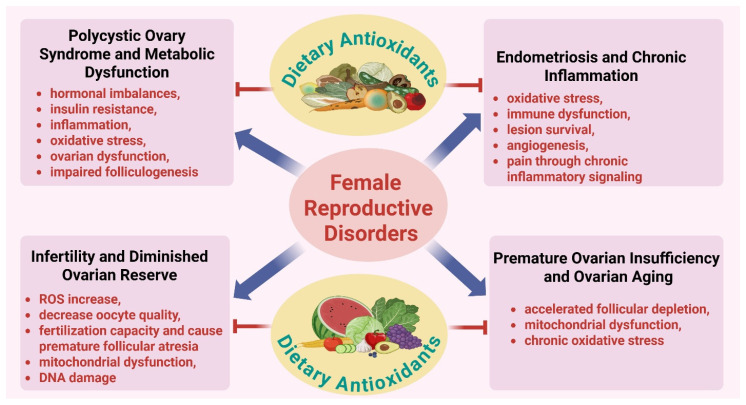 Figure 3
- —Deanship of Scientific Research at Imam Mohammad Ibn Saud Islamic University (IMSIU)
Peer Reviews
No public reviews on file for this paper yet. If you reviewed it on a platform where reviews are public (OpenReview, ICLR, NeurIPS, ICML), you can paste yours below so the community can read it here.
Videos
No videos yet. Explain this paper in a talk, walkthrough, or lecture? Add one.
Taxonomy
TopicsReproductive Biology and Fertility · Ovarian function and disorders · Reproductive System and Pregnancy
1. Introduction
Female reproductive physiology is sustained by a carefully modulated redox environment that promotes physiological signaling and prevents oxidative damage [1]. Reactive oxygen species (ROS) are continuously generated during cellular metabolism and play dual roles in ovarian folliculogenesis, oocyte maturation, steroidogenesis, endometrial remodeling, implantation, and placental development [2]. In physiological amounts, ROS acts as a signaling molecule to coordinate reproductive events. Oxidative stress occurs when antioxidant capacity is overwhelmed and can disrupt cellular homeostasis and result in reproductive dysfunction [3].
Oxidative stress is accumulated over the lifespan of the reproductive system. During the reproductive years, oxidative load can be exacerbated by metabolic stress, inflammation, environmental toxins, endocrine disruptors, and lifestyle factors such as poor nutrition and obesity [4]. With increasing age, mitochondrial dysfunction, decreased antioxidant defenses, and DNA damage accumulation lead to accelerated oocyte aging, aneuploidy, and follicular depletion, culminating in reproductive senescence [5]. Oxidative stress has been closely linked to infertility, diminished ovarian reserve, adverse pregnancy outcomes, and metabolic and inflammatory disorders associated with menopause [6]. Moreover, gynecological conditions like polycystic ovary syndrome, endometriosis, and premature ovarian insufficiency have demonstrated significant oxidative imbalance and inflammatory signaling.
Dietary antioxidants have emerged as an essential line of defense against oxidative stress and have been historically associated with reproductive health benefits [7]. While traditional antioxidants, such as vitamins and trace elements, contribute to redox homeostasis, emerging research shows that next-generation dietary antioxidants offer broader and more targeted biological effects [8]. These include polyphenols, carotenoids, flavonoids, and functional nutraceuticals with improved bioavailability and multitarget activity. In addition to direct ROS scavenging, next-generation antioxidants modulate mitochondrial bioenergetics, inflammatory responses, autophagy, apoptosis, and endocrine signaling, all of which are vital for reproductive fitness and aging [9]. This review provides a comprehensive analysis of next-generation dietary antioxidants in female reproductive health, focusing on their molecular mechanisms, impact on reproductive outcomes, and therapeutic opportunities.
2. Next-Generation Dietary Antioxidants in Reproductive Outcomes
Next-generation dietary antioxidants refer to bioactive compounds that are derived from dietary or nutraceutical sources and possess a wide range of regulatory actions beyond their classical free radical scavenging property [10]. The chemicals include polyphenols, flavonoids, carotenoids, organosulfur compounds and newer antioxidant formulations with enhanced bioavailability and tissue targeting. Unlike conventional antioxidants, next-generation chemicals modulate intracellular signaling pathways associated with mitochondrial function, inflammation, autophagy, apoptosis and endocrine signaling [11]. Evidence from research studies suggests that next-generation dietary antioxidants support mitochondrial integrity, reduce oxidative DNA damage and restore redox balance in ovarian and endometrial cells [12]. These chemicals promote follicular survival and oocyte competency by inducing antioxidant response elements and modulating cellular stress responses. Furthermore, their ability to modulate autophagy and apoptosis is particularly relevant for maintaining ovarian reserve and preventing premature follicular loss [13]. Emerging evidence also suggests that next-generation antioxidants influence reproductive outcomes through systemic metabolic and immunological pathways. Improvements in insulin sensitivity, lipid metabolism and inflammatory status may indirectly benefit reproductive function, particularly in cases induced by oxidative stress [1]. These properties make next-generation dietary antioxidants a potential therapeutic option for fertility enhancement and reproductive health interventions. Bioactive products, including polyphenols, flavonoids, carotenoids, organosulfur compounds, and optimized formulations, influence ovarian and endometrial cells to maintain mitochondrial integrity, diminish reactive oxygen species formation, and augment ATP synthesis [14]. These antioxidants preserve redox equilibrium by mitigating oxidative DNA damage and stimulating intrinsic antioxidant responses [15]. At the cellular signaling level, they inhibit inflammation, control stress responses, and influence autophagy and apoptosis [16]. Antioxidant-mediated enhancements in insulin sensitivity, lipid metabolism, immunological equilibrium, and inflammation synergistically facilitate follicular survival, oocyte competence, preservation of ovarian reserve, and optimal endometrial function (Figure 1).
3. Women’s Reproductive Health and Oxidative Stress and Redox Signaling
Women’s reproductive health is the harmonious function of the ovaries, hypothalamic–pituitary–gonadal axis, reproductive tract, and their associated endocrine, metabolic, and immunological systems, which together regulate fertility, pregnancy, and reproductive senescence [17]. Reproductive health requires the exquisite temporal coordination of hormonal signaling, cell homeostasis, and tissue remodeling that allow for folliculogenesis, oocyte maturation, ovulation, implantation, and pregnancy [18]. Disruptions to these events can lead to infertility, adverse pregnancy outcomes, and chronic gynecological and metabolic disorders. Regulated redox signaling facilitates normal ovarian, endometrial, and placental activities crucial for fertility and pregnancy. Conversely, the overproduction of reactive oxygen species induces oxidative stress and redox imbalance, culminating in mitochondrial DNA damage, lipid peroxidation, diminished ATP synthesis, inflammation, and immunological dysfunction. Molecular abnormalities hinder folliculogenesis, oocyte quality, embryo development, and placental function, leading to infertility, negative pregnancy outcomes, and reproductive aging. The schematic emphasizes oxidative stress as a crucial mechanistic connection between impaired redox signaling and reproductive failure (Figure 2).
Oxidative stress is a result of a disruption between the levels of ROS generation and the efficiency of antioxidant defense systems and is defined as a state of cellular homeostasis breakdown [19]. Redox signaling within physiologic limits is essential for normal physiological function in the female reproductive tract, and increased oxidative stress is associated with reproductive failure. ROS are generated within ovarian granulosa cells, oocytes, endometrial cells, and placental tissues, where they are utilized as signaling molecules for folliculogenesis, ovulation, luteinization, and implantation processes [20]. Physiologic levels of low to moderate ROS concentrations promote ovarian steroidogenesis, oocyte meiotic progression, and endometrial receptivity [21]. In contrast, pathologic oxidative stress is associated with lipid peroxidation, protein oxidation, mitochondrial DNA damage, and decreased ATP production [22]. These molecular alterations lead to decreased oocyte quality, impaired embryo development, and reduced placental function. Aging-associated decreases in mitochondrial function result in increased oxidative damage and accelerate follicular depletion and reproductive aging [23]. Redox imbalance is closely linked to inflammatory cues and immune dysregulation in reproductive tissues. Activation of redox-sensitive transcription factors, such as NF-κB and Nrf2, alters cytokine production, antioxidant enzyme expression, and cellular stress response pathways [24]. Dysregulated redox signaling has been linked to infertility, recurrent pregnancy loss, and pregnancy complications, emphasizing the importance of antioxidant defense systems in maintaining reproductive health.
4. Female Reproductive Disorders
Oxidative stress is the most shared pathogenic factor in most female reproductive disorders. Antioxidants obtained through diets could potentially prevent redox imbalance, inflammation, and mitochondrial dysfunction, thus improving reproductive performance and slow disease progression in infertile, metabolic, inflammatory, and age-related ovarian conditions (Figure 3).
4.1. Infertility and Diminished Ovarian Reserve
Infertility and decreased ovarian reserve are associated with oxidative stress-induced mitochondrial dysfunction, DNA damage and reduced follicular health [25]. High levels of ROS have been shown to decrease oocyte quality, fertilization capacity and cause premature follicular atresia [26]. The supplementation of antioxidants in the diet has the potential to improve the quality of the ovarian microenvironment by restoring redox homeostasis and improving mitochondrial function. Clinical and experimental studies have found that antioxidant intake is correlated with oocyte maturation, embryo quality and improved assisted reproductive technology outcomes [27]. While results are inconsistent, antioxidant-based nutritional interventions have emerged as a potential adjuvant approach to the treatment of oxidative stress-related infertility.
4.2. Polycystic Ovary Syndrome and Metabolic Dysfunction
Polycystic ovarian syndrome results from hormonal imbalances alongside insulin resistance and ongoing inflammation with oxidative stress, while nutrition-based treatments can help manage its symptoms. High levels of reactive ROS can contribute to ovarian dysfunction and impaired folliculogenesis [28]. Antioxidant-rich foods could help reduce oxidative and inflammatory stress and improve metabolic health. Phytochemicals found in plant-based foods have shown potential in enhancing insulin sensitivity, modulating inflammatory pathways, and restoring hormonal balance [29]. This could support ovulatory function and reduce metabolic risk in women with PCOS. Antioxidant-based dietary interventions show promise in the holistic management of PCOS.
Role of dietary antioxidants in female reproductive disorders. Oxidative stress as a prevalent pathogenic factor contributing to significant female reproductive illnesses, such as polycystic ovary syndrome, infertility with reduced ovarian reserve, endometriosis, and early ovarian insufficiency associated with ovarian aging. These diseases are defined by hormonal imbalance, insulin resistance, mitochondrial dysfunction, excessive generation of reactive oxygen species, chronic inflammation, immunological dysregulation, poor folliculogenesis, and rapid follicular depletion. Dietary antioxidants from fruits, vegetables, and bioactive plant chemicals are emphasized as modulatory agents that mitigate redox imbalance, diminish oxidative stress and inflammation, enhance mitochondrial function, and bolster cellular resilience. Antioxidant-based dietary regimens may restore reproductive equilibrium and alleviate the advancement of oxidative stress-induced female reproductive diseases through these pathways.
4.3. Endometriosis and Chronic Inflammation
Endometriosis is a chronic inflammatory disease that is strongly associated with oxidative stress and immune dysfunction. Abundant reactive oxygen species promote lesion survival, angiogenesis, and pain through chronic inflammatory signaling [30]. Dietary antioxidants may slow disease progression by mitigating oxidative stress and inflammatory mediator production. Polyphenols and other bioactive compounds have demonstrated potential in reducing the expression of inflammatory cytokines and inhibiting oxidative stress-induced pathways involved in lesion development [31]. Although clinical evidence is limited, antioxidant-based dietary approaches may have a role in complementing standard treatment for endometriosis-related reproductive issues.
4.4. Premature Ovarian Insufficiency and Ovarian Aging
Premature ovarian insufficiency and ovarian aging are characterized by accelerated follicular depletion, mitochondrial dysfunction, and chronic oxidative stress. Compromised antioxidant defenses contribute to oocyte apoptosis and diminished ovarian reserve. Dietary antioxidants have the potential to delay ovarian aging by preserving mitochondrial function, preventing oxidative DNA damage, and modulating apoptosis-related signaling pathways [32]. Experimental evidence suggests that antioxidant supplementation improves follicular viability and optimizes ovarian function in conditions of oxidative stress [33]. These findings highlight the potential role of dietary antioxidants as a preventive and supportive strategy for maintaining ovarian function and extending reproductive lifespan.
5. Molecular Mechanisms of Dietary Antioxidants in Female Reproduction Management
Nutritional antioxidants can influence female reproduction by impacting mitochondrial homeostasis, redox sensitive signaling, inflammation, autophagy, apoptosis, and hormone homeostasis, which are all important in maintaining cellular redox homeostasis and optimal oocyte quality. Oxidative stress and dysregulation of these processes can contribute to reproductive failure and aging.
5.1. Regulation of Mitochondrial Function and Energy Metabolism
Mitochondria are essential for energy metabolism, redox homeostasis and cell survival in the female reproductive system, including oocytes and granulosa cells. Adequate mitochondrial ATP production is critical for folliculogenesis, meiosis progression, fertilization, and early embryonic development [34]. Mitochondrial dysfunction in the context of aging or pathological stress leads to reduced ATP production, increased reactive ROS generation, and accumulation of mitochondrial DNA damage, culminating in impaired oocyte quality and accelerating ovarian aging [5]. Dietary antioxidants play a critical role in maintaining mitochondrial integrity and metabolic homeostasis. Bioactive compounds such as polyphenols, carotenoids and micronutrients boost endogenous antioxidant capacity by upregulating the activity of enzymes like superoxide dismutase, catalase and glutathione peroxidase [35]. These antioxidants help maintain mitochondrial membrane integrity, prevent oxidative damage to mitochondrial respiratory chain complexes, and support efficient electron transport [36]. Recent evidence suggests that next-generation dietary antioxidants activate key metabolic regulators, including AMPK and PGC-1α, leading to mitochondrial biogenesis and improved energy expenditure [37]. The beneficial effects of dietary antioxidants on follicular survival, oocyte maturation and embryonic competence are attributed to their ability to reduce mitochondrial oxidative stress and enhance bioenergetic capacity [38]. These findings are particularly relevant in the context of reproductive aging, highlighting the importance of mitochondrial protection as a key mechanism underlying antioxidant-mediated reproductive benefit. The most recently utilized dietary antioxidants that regulate mitochondrial function and energy metabolism in female reproduction are described in Table 1.
5.2. Modulation of Inflammation and Redox-Sensitive Signaling Pathways
Oxidative stress and inflammation are closely intertwined processes. Oxidative stress can induce inflammation, while inflammation can contribute to the production of ROS [49]. This cycle can lead to reproductive failure and aging. Elevated ROS levels can activate redox-sensitive signaling pathways, leading to prolonged inflammation that impairs ovarian and endometrial function [50]. Transcription factors, such as NF-κB, MAPKs, and Nrf2, are involved in regulating inflammatory cytokine production and antioxidant defense mechanisms in reproductive tissues [51]. Antioxidants in the diet can modulate these signaling pathways. They can restore redox balance and suppress chronic inflammatory signaling. Polyphenols and flavonoids can inhibit NF-κB activation, reducing the expression of pro-inflammatory mediators like TNF-α, IL-6, and COX-2 [52]. Concurrently, activation of the Nrf2 pathway can increase the expression of antioxidant response genes, further bolstering cellular defenses [53]. This coordinated regulation helps reduce oxidative inflammation and enhance cellular resilience. In the reproductive context, antioxidant-mediated modulation of redox-sensitive signaling can promote follicular growth, improve endometrial receptivity, and reduce inflammatory stress associated with implantation failure and pregnancy issues [54]. The systemic anti-inflammatory effects can also optimize reproductive function by maintaining metabolic and immunological homeostasis. Table 2 highlights significant dietary antioxidants that influence inflammation and redox-sensitive signaling pathways crucial to female reproduction.
5.3. Antioxidant Control of Autophagy and Apoptosis
Autophagy and apoptosis are critical processes that regulate follicular homeostasis, tissue remodeling, and reproductive senescence. Baseline autophagy maintains cellular homeostasis by clearing damaged organelles, while excess apoptosis can contribute to follicular atresia and depletion of ovarian reserve [63]. Oxidative stress can dysregulate the balance between autophagy and apoptosis, leading to pathologic cell death in reproductive tissues [64]. Dietary antioxidants impact autophagy and apoptosis primarily through modulation of intracellular redox status and stress-activated signaling pathways. Antioxidants can promote physiologic autophagic flux by modulating key mediators such as AMPK, mTOR, and Beclin-1, facilitating the removal of damaged mitochondria and protein aggregates (Table 3).
Concurrently, antioxidant function can attenuate oxidative stress-induced apoptotic signaling by blocking mitochondrial cytochrome c release, caspase activation, and pro-apoptotic protein expression [75]. Dietary antioxidants promote follicular survival and preservation of ovarian reserves in part through regulation of autophagy and apoptosis, particularly under conditions of aging or environmental stress. These pathways are relevant to reproductive pathologies characterized by increased cell death or impaired tissue remodeling, highlighting autophagy and apoptosis as important targets for antioxidant-mediated reproductive health (Table 4).
5.4. Hormonal Regulation and Endocrine Crosstalk
The integration of ovarian, hypothalamic, pituitary, and peripheral metabolic signals is required for the regulation of female reproduction. Oxidative stress impairs steroidogenesis, steroid hormone receptor signaling, and endocrine feedback loops, causing ovulatory dysfunction, luteal phase defects, and reproductive senescence [86]. In addition, redox dysregulation affects insulin and metabolic hormone signaling, which also has implications for reproductive outcomes. Antioxidants can promote healthy hormonal regulation by protecting steroidogenic tissues from oxidative damage and preserving enzyme function required for the synthesis of estrogen and progesterone [87]. Antioxidants also increase gonadotropin sensitivity in ovarian follicles, promoting follicle maturation and ovulation [88]. Furthermore, the improvements in insulin sensitivity and metabolic signaling that result from antioxidant actions are particularly relevant for conditions like polycystic ovarian syndrome, which involve both endocrine and metabolic disturbances. The cross-talk between reproductive and metabolic endocrine organs is now recognized as having important implications for fertility and reproductive lifespan [89]. Dietary antioxidants promote redox homeostasis, which allows for the integrated signaling between the ovarian, adipose, hepatic, and immune systems [54]. Antioxidant bioactive linked to nutrition are known to affect hormonal regulation and endocrine interactions, encompassing steroidogenesis, insulin signaling, adipokines, estrogen receptor pathways, and endocrine indicators connected to ovarian reserve are presented in Table 5.
5.5. Antioxidant Vitamins as Major Contributors to Antioxidant Activity
Antioxidant vitamins are essential regulators of systemic redox homeostasis and are significant donors to endogenous antioxidant defense capacity. In addition to their traditional function as free radical scavengers, recent findings indicate that vitamins A, C, D, and E modulate signaling pathways associated with autophagy, mitochondrial activity, and inflammatory regulation, thereby impacting the biology of aging and longevity [100].
Vitamin C (ascorbic acid) is a powerful antioxidant that dissolves in water and neutralizes reactive oxygen species [101]. It also helps other antioxidants, like vitamin E, work better. Oxidative stress significantly impedes autophagic flow by inducing oxidative modifications in autophagy-related proteins and lysosomal enzymes [102]. Vitamin C indirectly stabilizes autophagy machinery and protects lysosomal function by restoring redox equilibrium [103]. Experimental evidence indicates that vitamin C may influence AMPK activity and enhance mitochondrial turnover during oxidative stress, while human data regarding direct autophagy biomarkers are still scarce [104].
Vitamin E (α-tocopherol) is a lipid-soluble antioxidant that stops lipid peroxidation in cellular and lysosomal membranes. Lipid peroxidation compromises lysosomal integrity and hinders autophagic degradation [105]. Supplementation with vitamin E has demonstrated the capacity to safeguard membrane integrity and mitigate oxidative damage linked to inflammation, mechanisms that indirectly sustain autophagy-lysosome functionality during the aging process [106].
Vitamin D, historically recognized for its role in calcium metabolism, also governs transcriptional processes associated with immunological regulation and autophagy [107]. The activation of the vitamin D receptor is linked to the overexpression of autophagy-related genes including Beclin-1 and LC3 in immune cells and epithelial tissues [108]. This suggests that vitamin D may help keep cells in balance and slow down the aging process.
Vitamin A and its derivatives (retinoids) affect how cells differentiate, how they respond to oxidative stress, and how the immune system works [109]. Retinoic acid signaling has demonstrated interactions with mTOR-related pathways and cellular stress responses, suggesting possible crosstalk with autophagic control, but findings are context-dependent [110].
Antioxidant vitamins collectively modulate aging by stabilizing redox-sensitive autophagy pathways, maintaining lysosomal functionality, and mitigating chronic inflammation [111]. However, although there is a lot of molecular evidence, more well-designed clinical studies are needed to explicitly prove their significance in human autophagic flux modulation and longevity effects.
6. Dietary Antioxidants and Delayed Reproductive Aging: Implications for Ovarian Longevity
Reproductive aging is marked by a gradual deterioration in ovarian reserve, oocyte quality, and hormonal equilibrium, culminating in diminished fertility and the onset of menopause. Oxidative stress, mitochondrial dysfunction, persistent low-grade inflammation, and compromised autophagy are significant factors in ovarian aging. Oocytes are especially susceptible to oxidative damage owing to their elevated metabolic activity and extended halt in meiosis. The buildup of reactive oxygen species can damage DNA, shorten telomeres, cause problems with mitochondria, and make granulosa cells work less well, which speeds up the loss of follicles.
Antioxidants from fruits, vegetables, whole grains, and plant-based meals may help fight these processes by restoring redox equilibrium and keeping mitochondria healthy. Resveratrol and quercetin are two polyphenols that have been shown to stimulate AMPK and SIRT1 signaling, which are pathways that are connected to improved autophagy and the creation of new mitochondria. Restoring autophagic flow in ovarian tissue may aid in the elimination of damaged mitochondria and protein aggregates, thus maintaining oocyte competence. Carotenoids and antioxidant vitamins, such as vitamins C and E, help stabilize membranes and protect against lipid peroxidation. This is important for keeping granulosa cells working and the follicular milieu stable.
Recent preclinical findings indicate that the regulation of oxidative stress and autophagy pathways may postpone follicular atresia and preserve ovarian reserve. While human clinical data is still limited and needs more testing, regularly eating foods high in antioxidants may be a safe and long-lasting way to help the ovaries stay healthy. Combining dietary antioxidants with individualized nutrition strategies shows potential for enhancing reproductive health and prolonging reproductive longevity.
7. Clinical and Translational Evidence Supporting Dietary Antioxidants
Clinical and translational evidence increasingly supports the role of dietary antioxidants in improving female reproductive health by mitigating oxidative stress, inflammation, and metabolic abnormalities. Observational studies have consistently reported significant associations between antioxidant-rich diets and improved fertility parameters, ovarian reserve markers, and pregnancy outcomes [112]. Higher intakes of fruits, vegetables, and polyphenol-rich foods have been linked to better oocyte quality, increased endometrial receptivity, and reduced risk of reproductive disorders [113]. Antioxidant supplements in interventional studies have yielded variable but promising results. In the context of infertility and assisted reproductive technologies, antioxidants have been found to improve oocyte maturation, embryo quality, and implantation rates, particularly in women with elevated oxidative stress levels [114]. In conditions like polycystic ovarian syndrome and endometriosis, where metabolic and inflammatory dysregulation are common, antioxidant therapies have shown promise in reducing inflammatory markers, improving insulin sensitivity, and restoring hormonal balance. Clinical evidence also suggests a potential role for dietary antioxidants in mitigating age-related reproductive decline and metabolic dysfunction associated with menopause (Table 6). Despite these encouraging findings, heterogeneity in study designs, antioxidants used, dosages, and treatment durations limit direct comparisons and definitive conclusions. The bioavailability, long-term safety, and interindividual variability in antioxidant responses remain critical areas of concern. Precision nutrition approaches that consider biomarkers of oxidative stress and metabolic health may improve treatment efficacy. Translational evidence positions dietary antioxidants as a widely accessible, non-invasive adjunctive strategy in reproductive medicine [115]. Rigorously designed, large-scale clinical trials are warranted to determine optimal antioxidant regimens and validate their long-term benefits in women’s reproductive health.
8. Regulatory Status and Clinical Approval of Antioxidant Compounds
There are a lot of antioxidant chemicals that people can buy, but their regulatory classification and approval status are very different. The Dietary Supplement Health and Education Act (DSHEA) of 1994 says that most antioxidant vitamins and bioactive natural compounds are sold as dietary supplements in the United States [130]. In this system, the U.S. Food and Drug Administration (FDA) does not need to approve supplements before they can be sold, but the companies that make them oversee the process of making sure they are safe and properly labeled [131]. As a result, most of the polyphenols, flavonoids, alkaloids, terpenoids, and carotenoids that are talked about in this review are not FDA-approved medications for treating or preventing aging, neurological diseases, or other conditions that come with age. The FDA has nevertheless approved several antioxidant-related chemicals for certain medical uses. For instance, prescription forms of vitamin D are approved for treating illnesses caused by a lack of vitamin D, and certain retinoids, which are vitamin A derivatives, are approved for skin and cancer issues [132]. These approvals are only for certain uses and do not include claims on anti-aging or changing autophagy. Likewise, certain omega-3 fatty acid formulations possess FDA approval for the management of hypertriglyceridemia but lack approval as therapeutic agents for aging [132]. It is important to remember that regulatory approval for a certain use does not automatically support larger claims like longevity or improving autophagy. So, it is important to make a clear distinction between the status of supplements, FDA approval for certain uses, and experimental anti-aging treatments. This distinction aids in averting the overinterpretation of mechanistic data and facilitates the prudent clinical application of antioxidant-based therapies in aging research.
9. Dietary Antioxidants as Specific Food Sources and Their Health Benefits for Public Translation
Diet constitutes the principal and most physiologically significant source of antioxidant bioactive chemicals. Whole meals contain a wide range of polyphenols, carotenoids, vitamins, minerals, fiber, and synergistic phytochemicals that work together to affect redox balance and autophagy regulation [133]. This is different from taking supplements on their own. Focusing on eating foods high in natural antioxidants is a good way to promote healthy aging and help cells stay in balance through autophagy [134]. Berries, pomegranate, grapes, and citrus fruits are all high in polyphenols, flavonoids, and vitamin C [135]. Resveratrol, quercetin, anthocyanins, and ellagitannins are some of the compounds that have been related to AMPK activation, mTOR regulation, and better mitochondrial function [136]. Carrots, tomatoes, leafy greens, and cruciferous vegetables all provide carotenoids like lutein, beta-carotene, and lycopene [137]. These carotenoids help to keep redox-sensitive autophagy pathways open by protecting lysosomal membranes and autophagy-related proteins from oxidative damage. Whole grains, legumes, nuts, and seeds provide polyphenols, vitamin E, spermidine, and trace minerals that help cells to adapt to stress and make the body more resilient [138]. Fermented foods and high-fiber diets also change the makeup of gut microbiota, which increases the synthesis of bioactive metabolites such urolithin A [139]. This metabolite has been linked to mitophagy activation and better muscular performance in older people. Marine sources, such as fatty fish and seaweed, offer carotenoids and omega-3 fatty acids that mitigate inflammation, thus indirectly promoting autophagic equilibrium [140].
Dietary patterns, exemplified by the Mediterranean diet, that emphasize the high consumption of fruits, vegetables, whole grains, legumes, and olive oil, as well as a moderate intake of nuts and fish, consistently correlate with a diminished risk of neurodegeneration, cardiovascular disease, and metabolic disorders [141]. These advantages are believed to stem from the continuous consumption of various antioxidant chemicals that enhance redox balance, mitochondrial function, and controlled autophagy. Public translation should focus on diversity and moderation instead of high-dose supplementation [142]. Encouraging people to eat plant-based meals that are minimally processed on a regular basis can help with redox signaling and adaptive autophagy in the body. This food-based method fits with existing nutrition guidelines and is a safe, long-term way to improve health span and encourage healthy aging in the general population.
10. Dietary Antioxidants and Assisted Reproductive Technology (ART) Outcomes
Oxidative stress is a major factor in reproductive aging and lower fertility, especially in women who are using Assisted Reproductive Technology (ART) [143]. Increased reactive oxygen species in follicular fluid and the reproductive tract can hinder oocyte maturation, fertilization capability, embryo development, and implantation efficacy [144]. As a result, dietary antioxidants have been popular as helpful treatments in ART settings. Researchers have investigated several antioxidant chemicals to see if they can boost ART outcomes [145]. Coenzyme Q10, a mitochondrial cofactor exhibiting antioxidant characteristics, has been linked to enhanced oocyte quality and ovarian response in women with reduced ovarian reserve [146]. Vitamins C and E have been assessed for their efficacy in mitigating oxidative stress in follicular settings; nevertheless, clinical outcomes are inconsistent and frequently contingent upon dosage and patient-specific factors [147]. Melatonin, a strong antioxidant found in follicular fluid, may help to improve the maturation of oocytes and the rates of fertilization [148]. Dietary patterns high in polyphenols may enhance redox balance and mitochondrial activity, both of which are essential during folliculogenesis and early embryogenesis [113]. Although increasing evidence is encouraging, studies differ in design, sample size, and supplementation techniques. Consequently, rigorously controlled randomized clinical trials are essential to formulate uniform guidelines and elucidate which antioxidants, dosages, and patient demographics yield the most significant advantages in ART settings.
11. Limitations, Challenges, and Knowledge Gaps
Despite accumulating evidence supporting the positive effects of dietary antioxidants on women’s reproductive health, several limitations and challenges must be acknowledged and addressed. One prominent issue is the substantial heterogeneity present across the existing literature. Variations in study designs, populations, sources of antioxidants, dosage regimens, treatment duration, and outcome measures make direct comparisons and generalizations difficult, limiting the strength of conclusions [149]. Additionally, several therapeutic studies involve small sample sizes or short treatment durations, compromising statistical power and long-term clinical relevance. Another critical challenge lies in the bioavailability and metabolism of antioxidants. The absorption, distribution, and physiological activity of dietary antioxidants can be significantly influenced by the specific chemical form of the antioxidant, the food matrix in which it is consumed, the composition of the gut microbiota, and individual metabolic factors [150]. Therefore, circulating antioxidant levels may not accurately reflect tissue-specific effects in reproductive organs. Furthermore, excessive or unbalanced antioxidant supplementation can disrupt physiological redox signaling pathways, which are essential for normal reproductive function, highlighting the importance of appropriate dosing.
Interindividual variability is another significant gap in knowledge. Factors such as genetic predisposition, age, metabolic status, environmental influences, and baseline oxidative stress levels can all influence individual responses to antioxidant interventions [151]. However, most current research does not stratify participants based on these factors, limiting the applicability of findings to personalized reproductive healthcare. In addition, most studies focus on individual antioxidants, rather than overall dietary patterns or combinations, which may be more representative of real-world consumption. Mechanistic gaps also remain, particularly concerning the specific molecular targets of next-generation dietary antioxidants in human reproductive tissues. A significant portion of mechanistic knowledge is derived from in vitro or animal studies, with limited validation in clinical settings. Furthermore, there is a paucity of long-term safety data, particularly in the context of pregnancy or prolonged supplementation. Addressing these limitations and challenges will require well-designed, large-scale clinical trials incorporating biomarker-driven approaches, standardized outcome measures, and precision nutrition strategies. These efforts will be essential to fully elucidate the therapeutic potential of dietary antioxidants in women’s reproductive health.
Antioxidants are generally thought to be good for fighting oxidative stress and aging, but taking too many of them might have bad effects. Reactive oxygen species are not merely deleterious consequences; they also serve as crucial signaling molecules that modulate physiological processes, including autophagy, mitochondrial biogenesis, immunological responses, and cellular tolerance to stress. Excessive inhibition of oxidative signaling by elevated antioxidant consumption may hinder redox-sensitive pathways, including AMPK activation and mitohormesis, consequently compromising advantageous stress adaptation mechanisms. Extensive clinical research indicates that prolonged high-dose supplementation of certain antioxidant vitamins, notably vitamins A and E, may provide neutral or even detrimental effects in specific groups, including an elevated risk of mortality or various malignancies [152]. Antioxidants that dissolve in fat may build up in tissues over time, which raises questions about their safety and toxicity in the long term. In addition, too much exposure to antioxidants may interfere with the body’s natural adaptations to exercise and immunological signaling, which could negate the health benefits that come from within it [153]. So, it is important to keep the body’s redox equilibrium instead of loading it up with random antioxidants. Future interventions must emphasize suitable dose, personalized techniques, and the assessment of long-term safety.
12. Future Perspectives and Emerging Directions
Optimizing the role of dietary antioxidants in women’s reproductive health will require a shift from the current paradigm to one that is more precise, integrative, and innovative. Precision nutrition approaches that tailor antioxidant interventions based on individual oxidative stress levels, metabolic status, genetic variations, and specific reproductive stages may be the future of antioxidant therapy in women’s health. Validated biomarkers for redox status, mitochondrial function, and inflammation can enable more accurate patient stratification and improved treatment outcomes.
Emerging interest in next-generation dietary antioxidants and bioavailable functional foods offers new opportunities for reproductive health optimization. Advances in delivery systems, such as nanoformulations and synergistic combinations of antioxidants, could improve tissue targeting and biological activity while minimizing potential side effects [154]. Furthermore, food pattern-based interventions instead of single-agent supplementation may more accurately reflect physiological exposures and promote sustainable reproductive benefits. The integration of dietary antioxidants with lifestyle modifications, reproductive medicine, and metabolic health management represents an exciting frontier. A holistic approach that targets nutrition, exercise, and environmental factors may have additive or synergistic effects on fertility and reproductive aging. Additionally, strengthening translational research efforts to bridge the gap between mechanistic studies and clinical outcomes will support evidence-based guidelines. Longitudinal and life-course research is needed to evaluate the long-term effects of antioxidant consumption on fertility trends, reproductive aging, and menopause-related health issues. These emerging areas will collectively position dietary antioxidants as a scientifically validated, personalized, and effective solution for optimizing women’s reproductive health across the lifespan.
13. Conclusions
Antioxidants present in foods are necessary to maintain redox homeostasis and for female reproductive health over the entire lifespan. Emerging dietary antioxidants can offer multiple lines of defense against oxidative stress-related reproductive damage through their effects on mitochondria, inflammation, autophagy, apoptosis, and hormone balance. Preclinical and clinical studies suggest that dietary interventions with antioxidants may improve fertility outcomes, delay reproductive aging, and mitigate progression of common reproductive disorders. The individual variability, bioavailability, and study design differences highlight the need for precision nutrition approaches. Incorporating mechanistic understanding, biomarker-targeted therapies, and well-designed clinical trials in the future will be important for translating dietary antioxidants into personalized interventions for female reproductive health.
The reference list from the paper itself. Each links out to its DOI / PubMed record.
- 1Lu J. Wang Z. Cao J. Chen Y. Dong Y. A novel and compact review on the role of oxidative stress in female reproduction Reprod. Biol. Endocrinol.2018168010.1186/s 12958-018-0391-530126412 PMC 6102891 · doi ↗ · pubmed ↗
- 2Immediata V. Ronchetti C. Spadaro D. Cirillo F. Levi-Setti P.E. Oxidative stress and human ovarian response—From somatic ovarian cells to oocytes damage: A clinical comprehensive narrative review Antioxidants 202211133510.3390/antiox 1107133535883826 PMC 9311552 · doi ↗ · pubmed ↗
- 3Aitken R.J. Bromfield E.G. Gibb Z. Oxidative stress and reproductive function: The impact of oxidative stress on reproduction: A focus on gametogenesis and fertilization Reproduction 2022164 F 79F 9410.1530/REP-22-012635929832 · doi ↗ · pubmed ↗
- 4Meli R. Monnolo A. Annunziata C. Pirozzi C. Ferrante M.C. Oxidative stress and BPA toxicity: An antioxidant approach for male and female reproductive dysfunction Antioxidants 2020940510.3390/antiox 905040532397641 PMC 7278868 · doi ↗ · pubmed ↗
- 5Song J. Xiao L. Zhang Z. Wang Y. Kouis P. Rasmussen L.J. Dai F. Effects of reactive oxygen species and mitochondrial dysfunction on reproductive aging Front. Cell Dev. Biol.202412134728610.3389/fcell.2024.134728638465288 PMC 10920300 · doi ↗ · pubmed ↗
- 6Yan F. Zhao Q. Li Y. Zheng Z. Kong X. Shu C. Liu Y. Shi Y. The role of oxidative stress in ovarian aging: A review J. Ovarian Res.20221510010.1186/s 13048-022-01032-x 36050696 PMC 9434839 · doi ↗ · pubmed ↗
- 7Firdous S.M. Pal S. Mandal S. Sindhu R.K. Antioxidants in inflammatory diseases Antioxid. Nature’s Def. Against Dis.202583126
- 8Tretter V. Hochreiter B. Zach M.L. Krenn K. Klein K.U. Understanding Cellular Redox Homeostasis: A Challenge for Precision Medicine Int. J. Mol. Sci.20212310610.3390/ijms 2301010635008532 PMC 8745322 · doi ↗ · pubmed ↗