Novel dietary FemTech based on dietary reference intakes for premenstrual and menstrual disorders: a pilot open-label randomized controlled trial of dietary intervention
Jun Iimura, Naohisa Shobako, Masahiro Yagibashi, Atsushi Nakajima, Shintaro Fujii, Takuo Nakazeko, Yukio Hirano, Futoshi Nakamura, Keiko Honda

TL;DR
This study tested special meals based on dietary guidelines to reduce premenstrual and menstrual symptoms in women, finding significant improvements in symptom severity.
Contribution
A novel dietary intervention based on Japanese dietary reference intakes was developed and shown to reduce premenstrual and menstrual disorder symptoms.
Findings
Optimized meals reduced premenstrual and menstrual distress scores significantly compared to habitual diets.
Participants reported better symptom severity scores after following the dietary intervention.
No significant changes were observed in saliva or serum biomarkers, but sleep quality showed some improvement.
Abstract
We developed novel Optimized Nutri-Dense Meals (Opti meals) for women based on Japanese dietary reference intakes (DRIs). We aimed to determine the effects of Opti meals on premenstrual disorder (PMD). This pilot study was an open-label randomized controlled trial. One hundred women aged 20–45 years with PMD were enrolled in the study and randomly divided into two groups: habitual diet and intervention groups. In the intervention group, two meals per day for three menstrual cycles were replaced with Opti meals based on the Japanese DRIs. The Menstrual Distress Questionnaire (MDQ) and the Japanese version of the Daily Records of Severity of Problems Short-Form version (J-DRSP) served as the primary outcome measures. Sleep quality and several saliva and serum parameters were set as secondary outcomes. The intervention group had lower MDQ total scores during the premenstrual (median…
Genes, proteins, chemicals, diseases, species, mutations and cell lines named across the full text — each resolved to its canonical identifier and authoritative record.
Click any figure to enlarge with its caption.
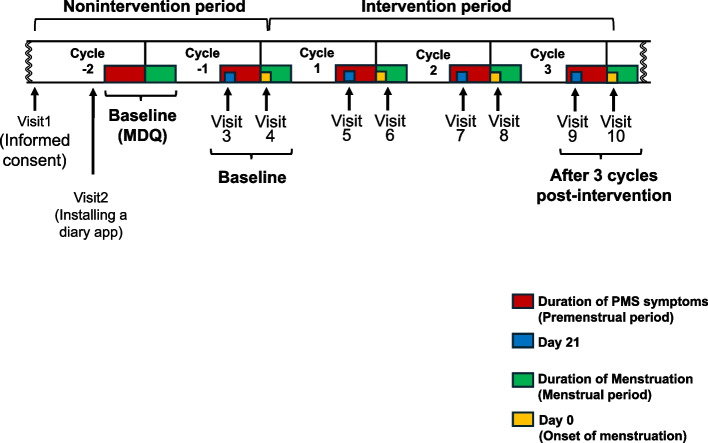 Figure 1
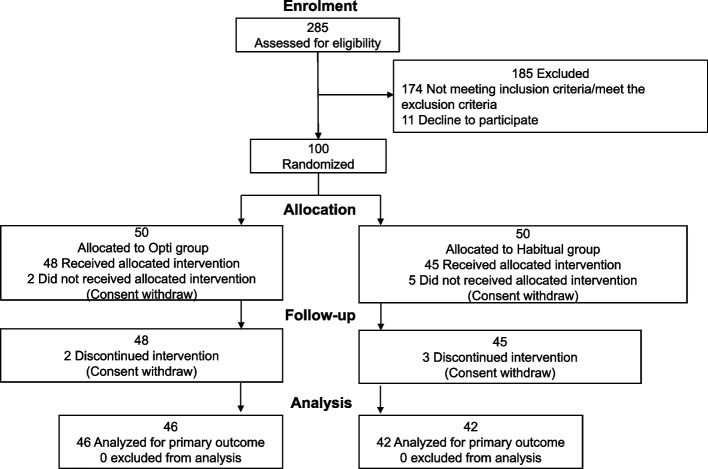 Figure 2
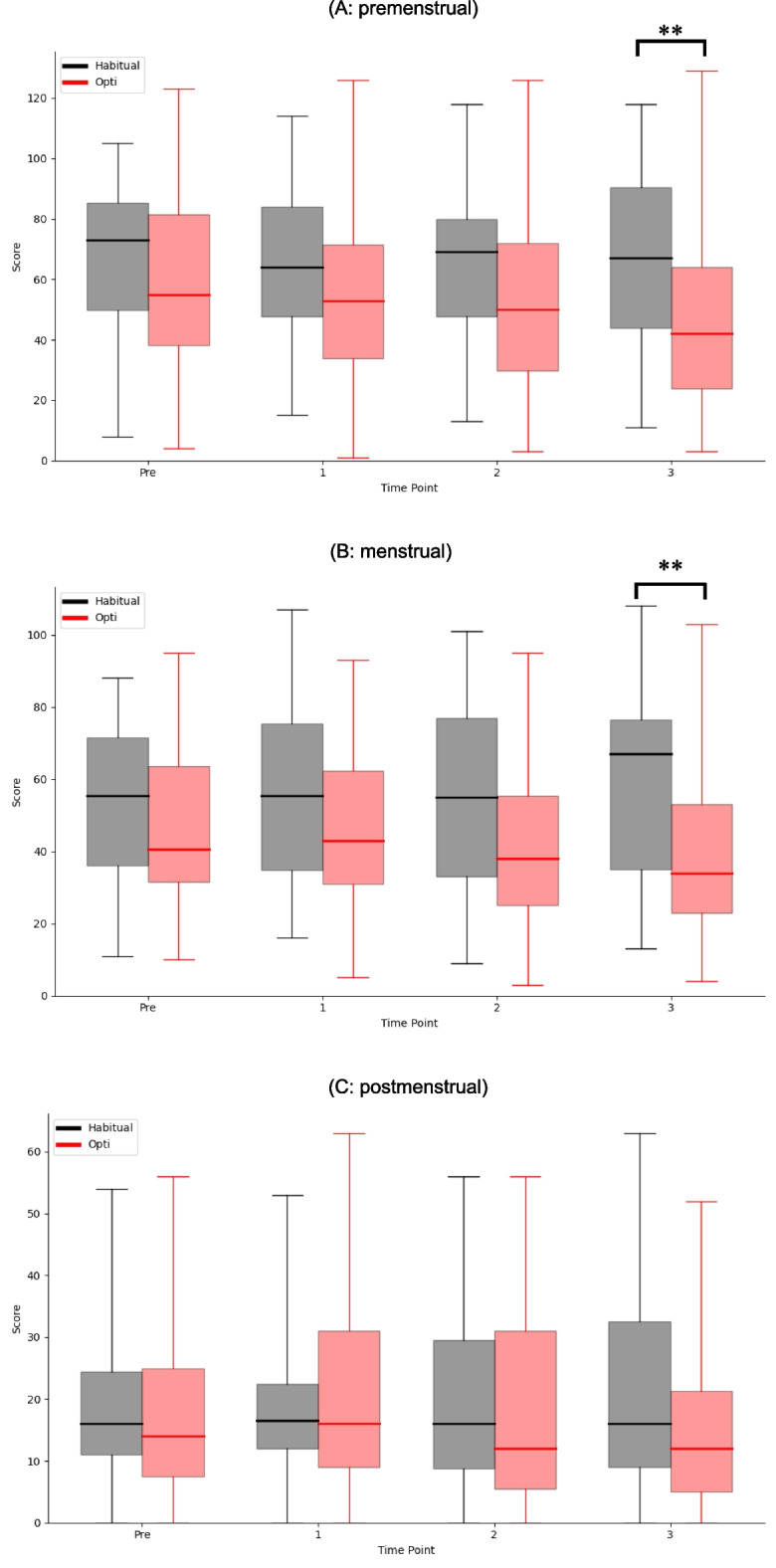 Figure 3
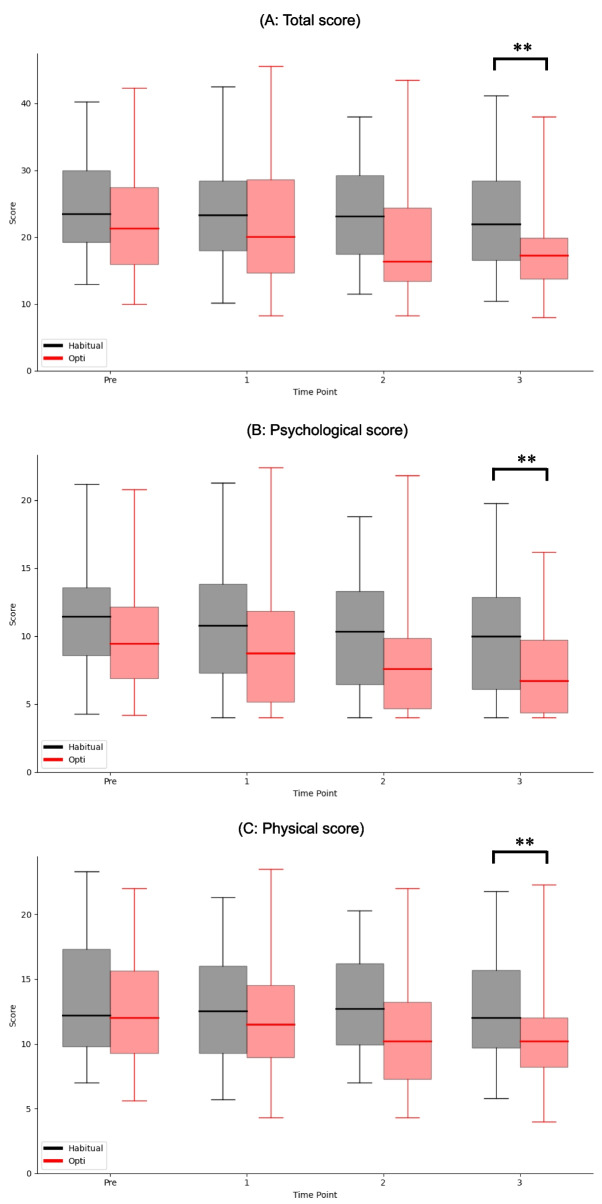 Figure 4
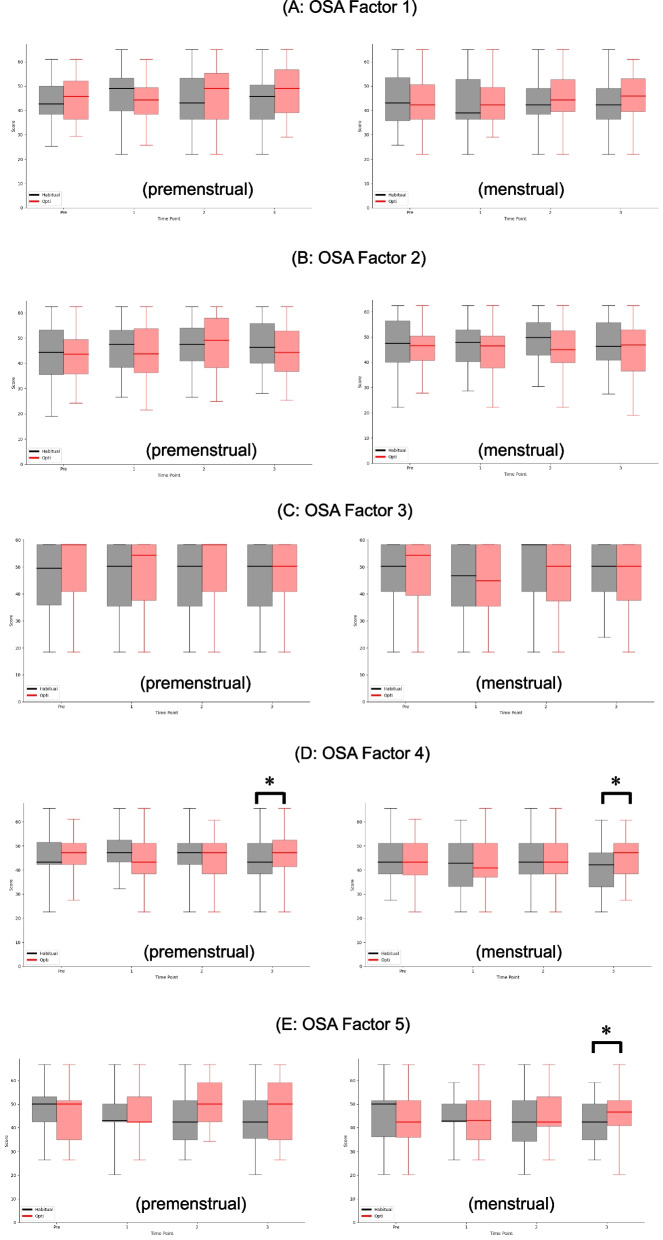 Figure 5
Peer Reviews
No public reviews on file for this paper yet. If you reviewed it on a platform where reviews are public (OpenReview, ICLR, NeurIPS, ICML), you can paste yours below so the community can read it here.
Videos
No videos yet. Explain this paper in a talk, walkthrough, or lecture? Add one.
Taxonomy
TopicsMenstrual Health and Disorders · Eating Disorders and Behaviors · Biochemical effects in animals