Data-driven psychophysical methods to diversify SIAs and address bias
Valentina Gosetti, Rachael E. Jack

TL;DR
This paper introduces a data-driven method to make Socially Interactive Agents more inclusive and culturally adaptive by modeling user expectations and preferences.
Contribution
The novel use of reverse correlation in psychophysics to diversify SIAs and reduce bias in human-AI interactions.
Findings
Reverse correlation can model user perceptual expectations and sociocultural norms.
Integrating these insights improves SIA design for cultural inclusivity and user trust.
The method supports broader efforts to reduce algorithmic bias and access inequality.
Abstract
To realize their full potential, Socially Interactive Agents (SIAs) must effectively engage with human users from diverse individual, social, and cultural backgrounds. However, most current SIAs are grounded in White- and Western-centric assumptions, limiting their ability to express and interpret social cues appropriately across cultures. Here, we demonstrate how the data-driven psychophysical method of reverse correlation can help address these limitations by modeling users’ perceptual expectations, preferences, and sociocultural norms and strategically integrating these insights into SIA design. Drawing on examples from our research group, we show how this method could enable SIAs to exhibit social signals that are psychologically grounded, culturally adaptive, and ethnically inclusive. By informing the design of SIA appearance and expressive behavior with empirically derived user…
Genes, proteins, chemicals, diseases, species, mutations and cell lines named across the full text — each resolved to its canonical identifier and authoritative record.
Click any figure to enlarge with its caption.
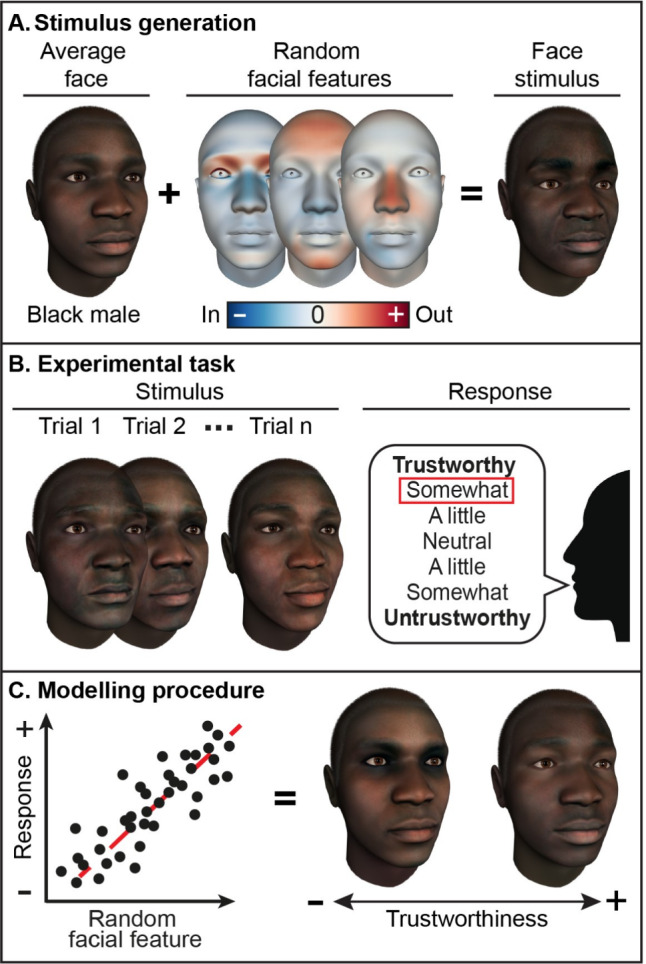 Figure 1
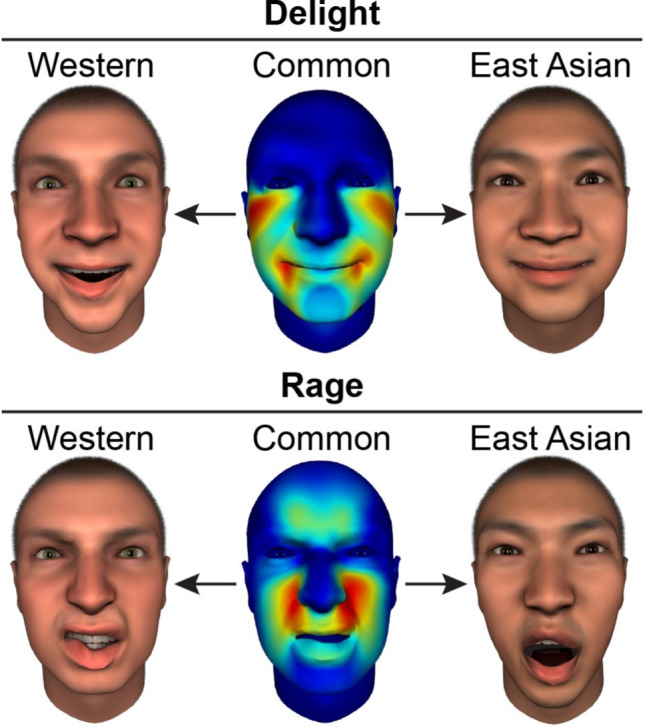 Figure 2
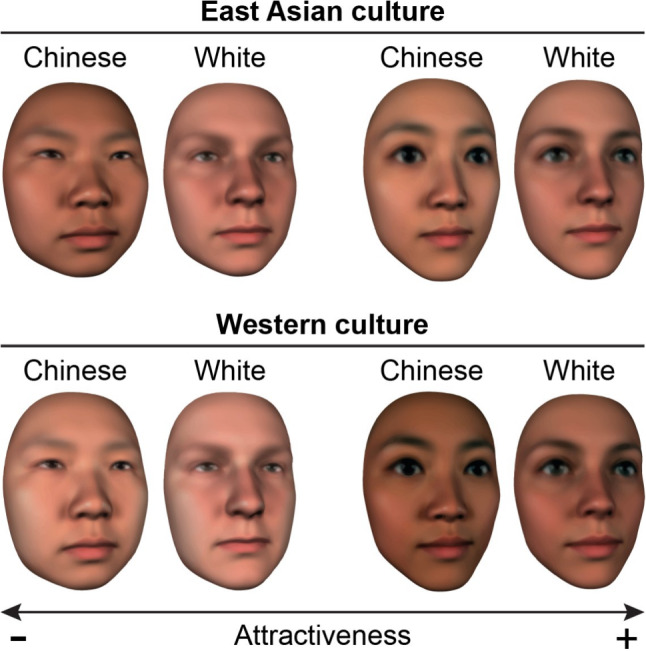 Figure 3
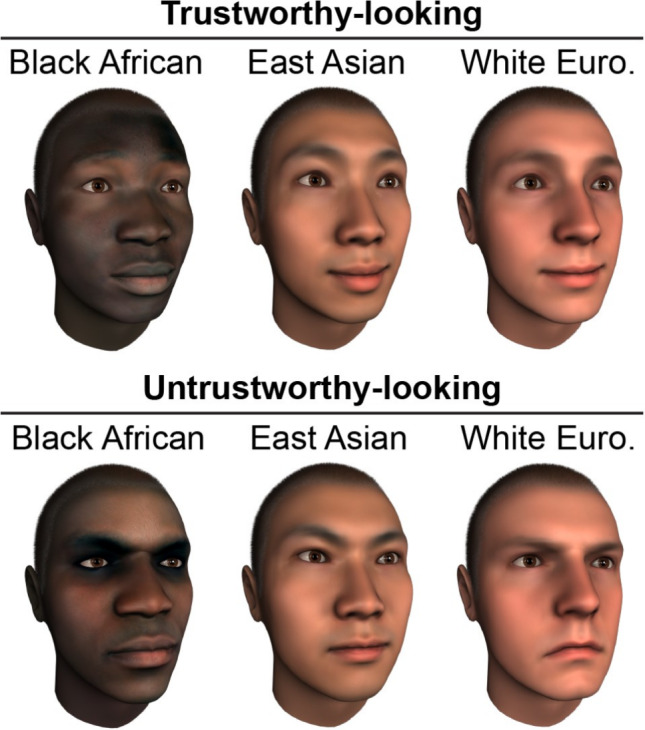 Figure 4
Peer Reviews
No public reviews on file for this paper yet. If you reviewed it on a platform where reviews are public (OpenReview, ICLR, NeurIPS, ICML), you can paste yours below so the community can read it here.
Videos
No videos yet. Explain this paper in a talk, walkthrough, or lecture? Add one.
Taxonomy
TopicsSocial Robot Interaction and HRI · Innovative Human-Technology Interaction · AI in Service Interactions