Oxytocin receptor gene expression in the basal forebrain in autism: association with receptor binding levels and single nucleotide polymorphisms
Ethan E. Dayley, Susan Durham, Michelle C. Palumbo, Jill F. Lundell, Sara M. Freeman

TL;DR
This study explores how oxytocin receptor gene expression differs in the brains of people with autism compared to those without, focusing on specific brain regions and genetic variations.
Contribution
This is the first study to demonstrate OXTR expression in cholinergic neurons of the human basal forebrain and to examine its relationship with genetic variants in autism.
Findings
ASD specimens showed significantly higher OXTR mRNA levels in the ventral pallidum and nucleus basalis of Meynert compared to unaffected donors.
OXTR binding levels were positively associated with OXTR mRNA in the nucleus basalis of Meynert but only in cholinergic neurons.
OXTR mRNA levels were strongly correlated with donor age, particularly in individuals with autism.
Abstract
The brain’s oxytocin system has been implicated in the neurobiology of autism (ASD), given the role of oxytocin in modulating social function in humans and animals more broadly. Previous work from members of our group reported dysregulation in oxytocin receptor (OXTR) binding in postmortem tissue from the basal forebrain in donors with autism compared to unaffected control donors. This study follows up on those findings by investigating the potential genetic and gene expression changes that could be driving those differences. We used adjacent sections from the same specimens from our previous study and performed duplex fluorescence in situ hybridization to visualize and quantify OXTR mRNA in the ventral pallidum (VP) and in the cholinergic magnocellular neurons of the nucleus basalis of Meynert (NBM), visualized with choline acetyltransferase (ChAT). We genotyped the brain samples…
Genes, proteins, chemicals, diseases, species, mutations and cell lines named across the full text — each resolved to its canonical identifier and authoritative record.
Click any figure to enlarge with its caption.
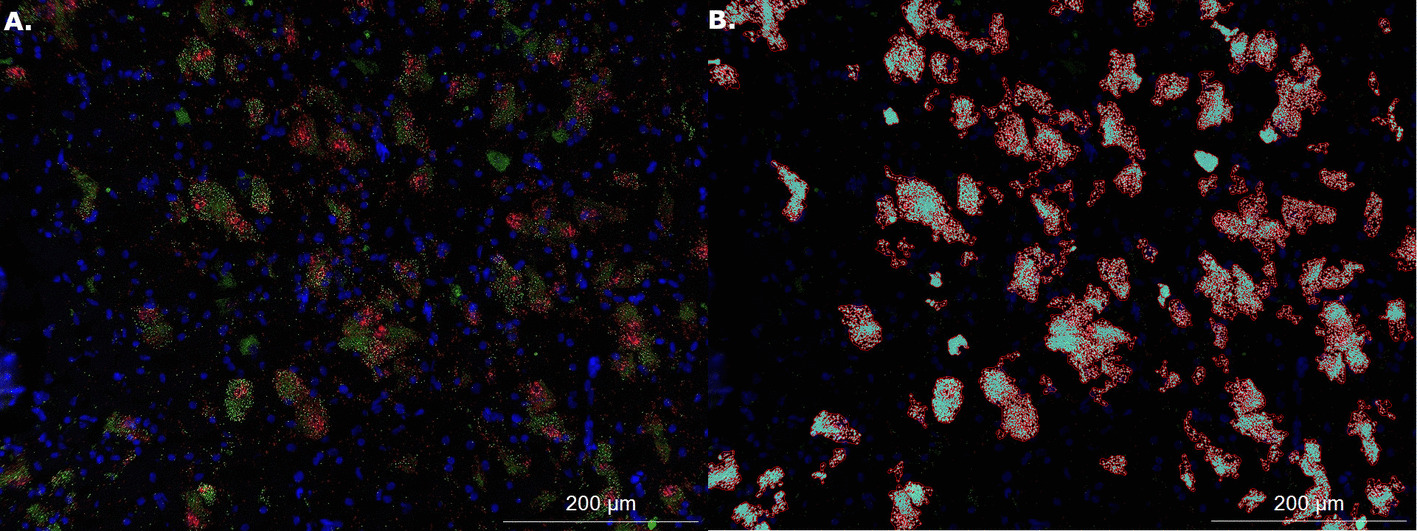 Figure 1
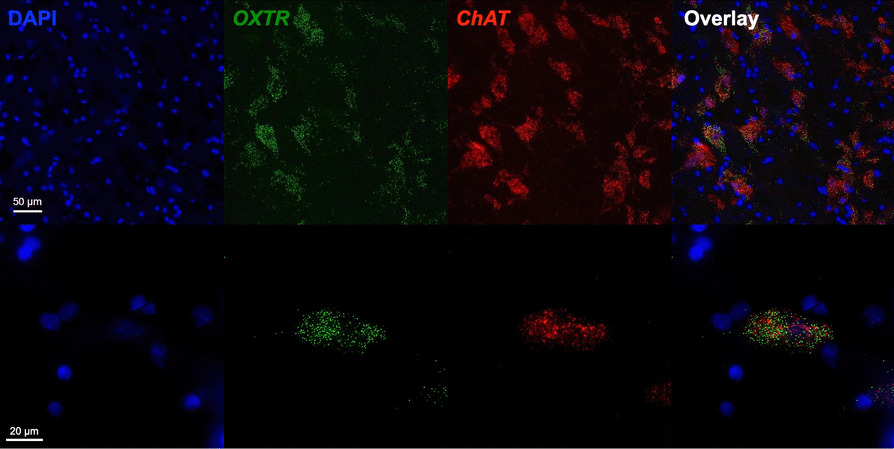 Figure 2
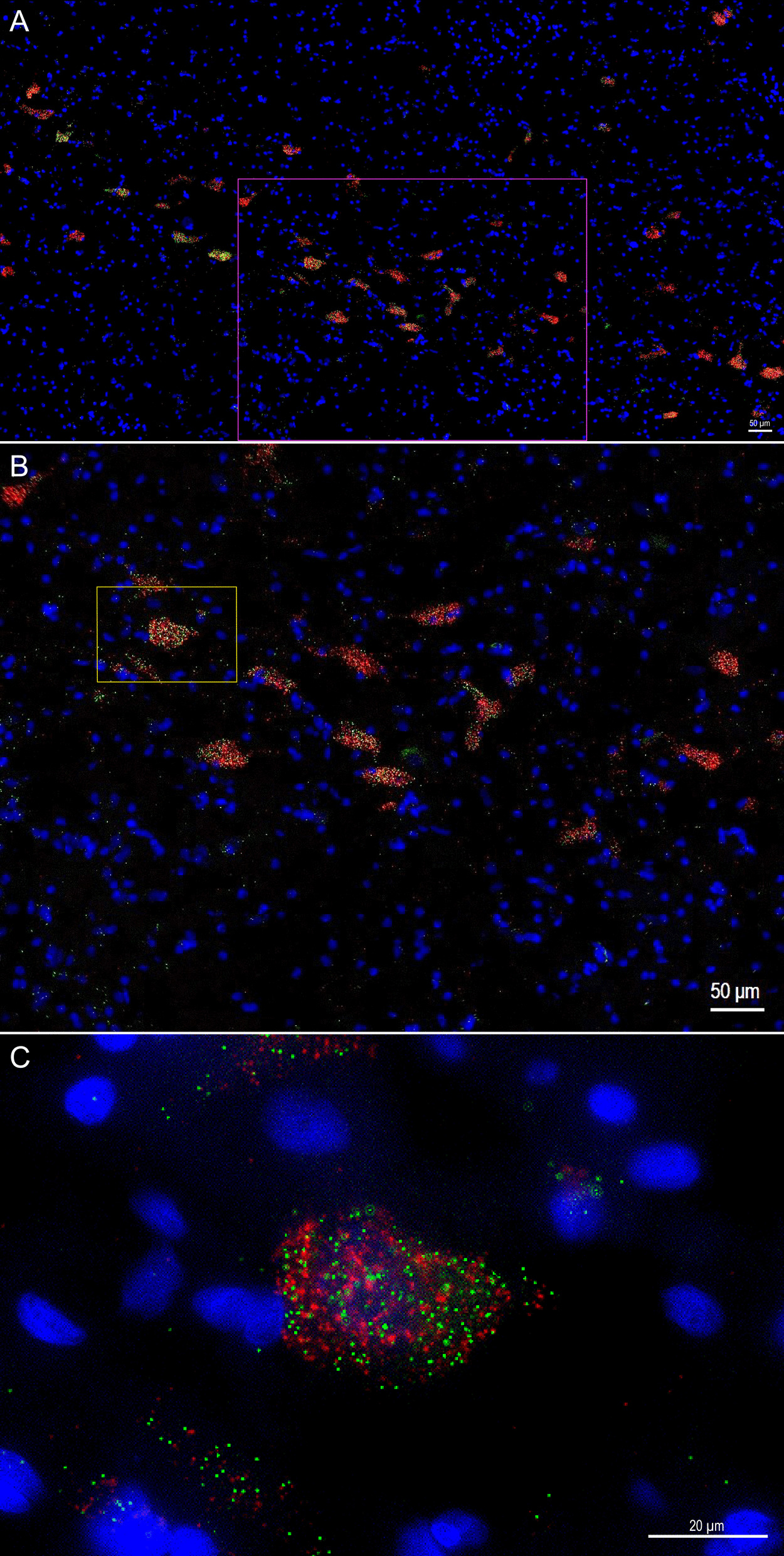 Figure 3
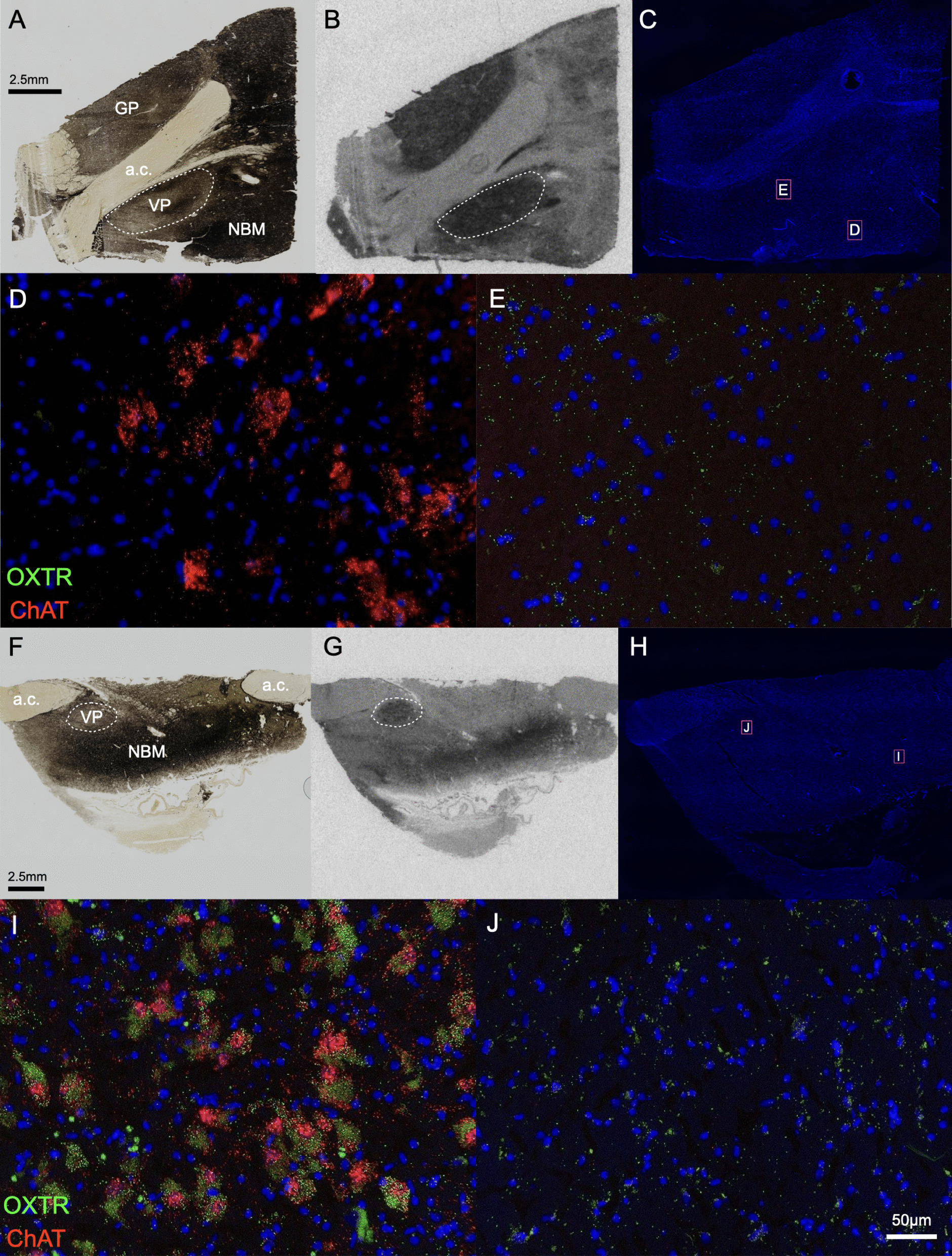 Figure 4
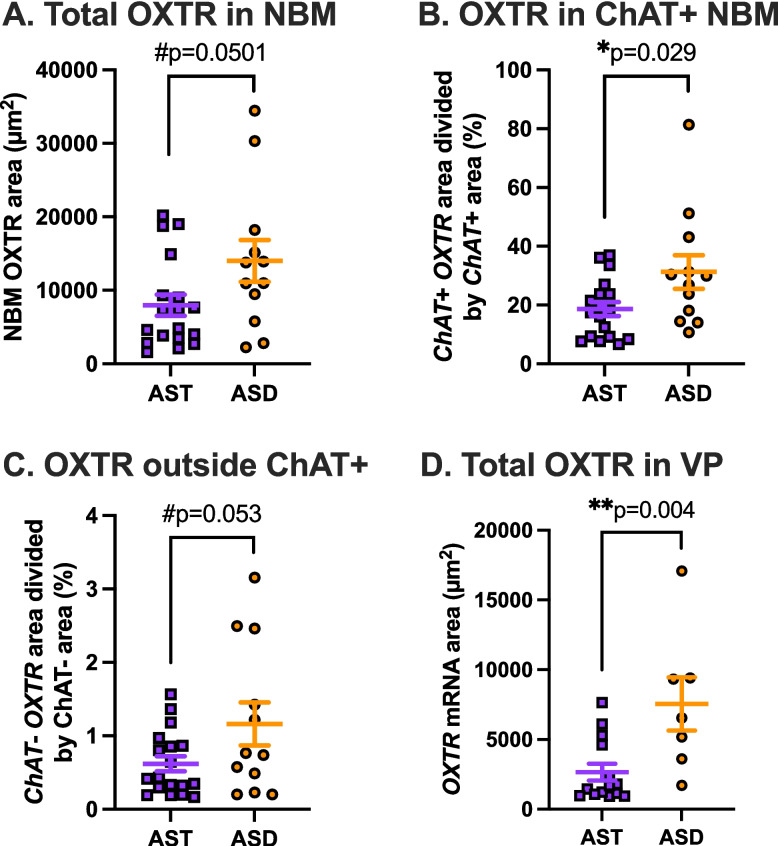 Figure 5
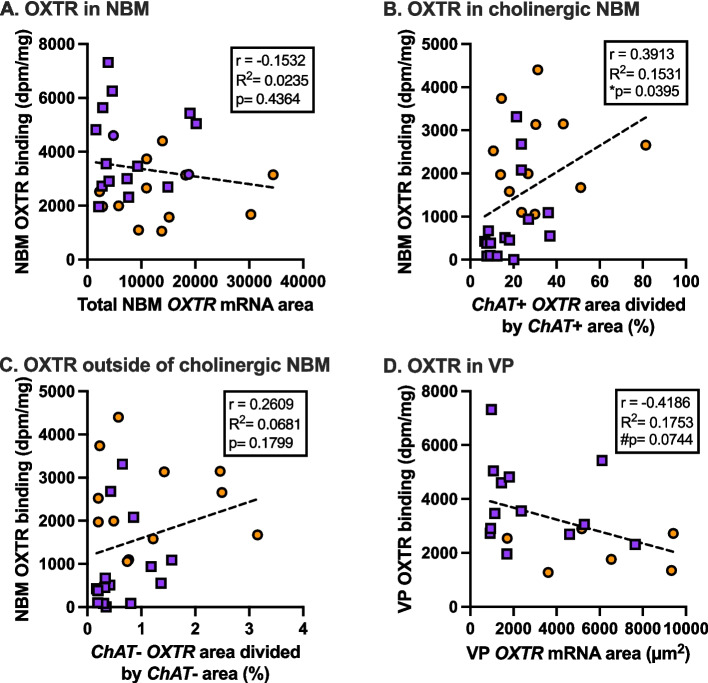 Figure 6
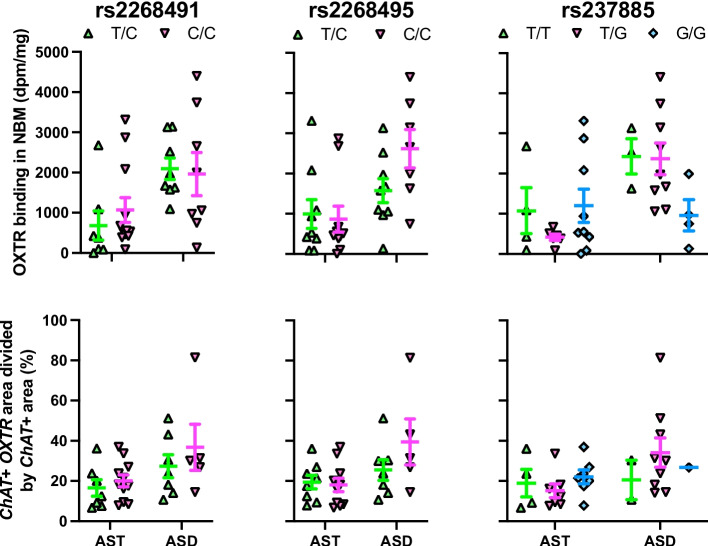 Figure 7
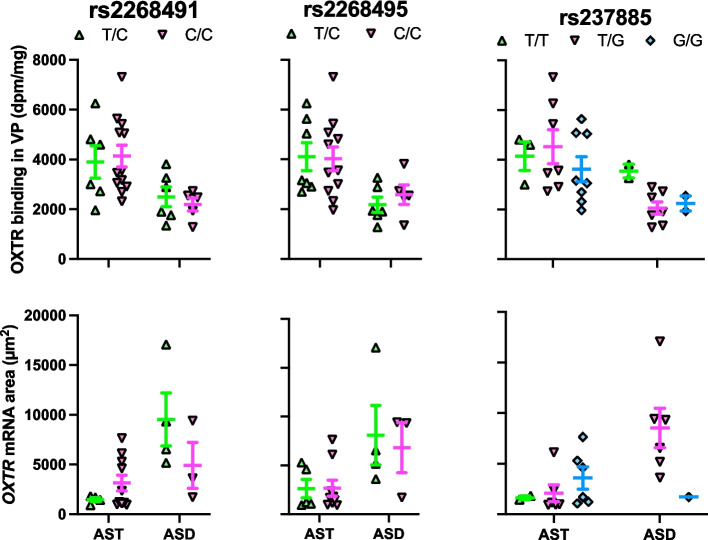 Figure 8
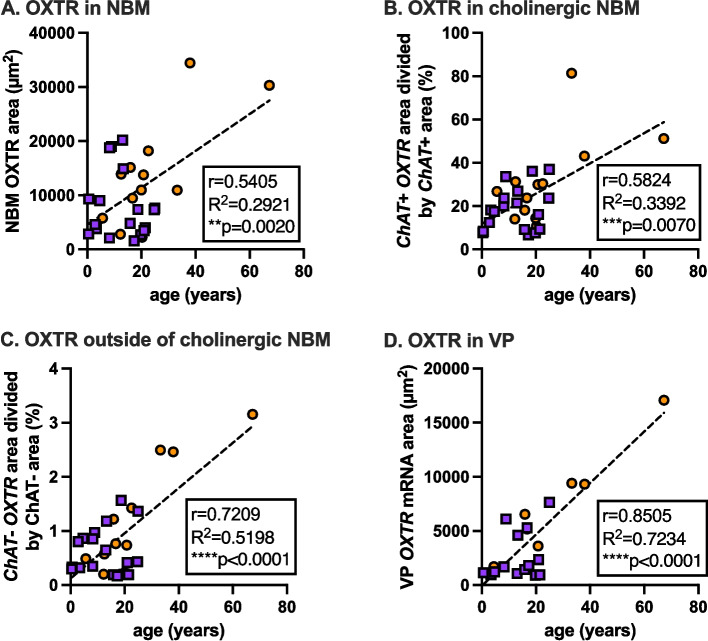 Figure 9
Peer Reviews
No public reviews on file for this paper yet. If you reviewed it on a platform where reviews are public (OpenReview, ICLR, NeurIPS, ICML), you can paste yours below so the community can read it here.
Videos
No videos yet. Explain this paper in a talk, walkthrough, or lecture? Add one.
Taxonomy
TopicsNeuroendocrine regulation and behavior · Neurogenesis and neuroplasticity mechanisms · Human-Animal Interaction Studies