Cortical Structure in Relation to Empathy and Psychopathy in 800 Incarcerated Men
Marcin A. Radecki, J. Michael Maurer, Keith A. Harenski, David D. Stephenson, Erika Sampaolo, Giada Lettieri, Giacomo Handjaras, Emiliano Ricciardi, Samantha N. Rodriguez, Craig S. Neumann, Carla L. Harenski, Sara Palumbo, Silvia Pellegrini, Jean Decety, Pietro Pietrini

TL;DR
The study found that incarcerated men with high psychopathy scores have reduced empathy and specific changes in brain structure, which could help in developing treatments for psychopathy.
Contribution
The study provides novel insights into the relationship between psychopathy, empathy, and cortical structure in a large sample of incarcerated men.
Findings
Men with high psychopathy had reduced empathic concern and increased cortical surface area.
Cortical thickness showed a compressed macroscale organization in men with high psychopathy.
The study identified specific brain regions and networks affected by psychopathy.
Abstract
Reduced empathy is a hallmark of individuals with high (i.e., clinical) levels of psychopathy, who are overrepresented among incarcerated men. However, a comprehensive, well-powered mapping of cortical structure in relation to empathy and psychopathy is still lacking. In 804 incarcerated adult men, we administered the Perspective Taking (IRI-PT) and Empathic Concern (IRI-EC) subscales of the Interpersonal Reactivity Index (IRI), the Psychopathy Checklist-Revised (PCL-R; with interpersonal/affective [F1] and lifestyle/antisocial [F2] factors), and T1-weighted magnetic resonance imaging to quantify cortical thickness (CT), surface area (SA), and structural-covariance gradients. PCL-R F1 was uniquely negatively related to IRI-EC, while PCL-R F2 was uniquely negatively related to IRI-PT. Cortical structure was not related to the IRI subscales. In contrast, CT was related to PCL-R F1…
Genes, proteins, chemicals, diseases, species, mutations and cell lines named across the full text — each resolved to its canonical identifier and authoritative record.
Click any figure to enlarge with its caption.
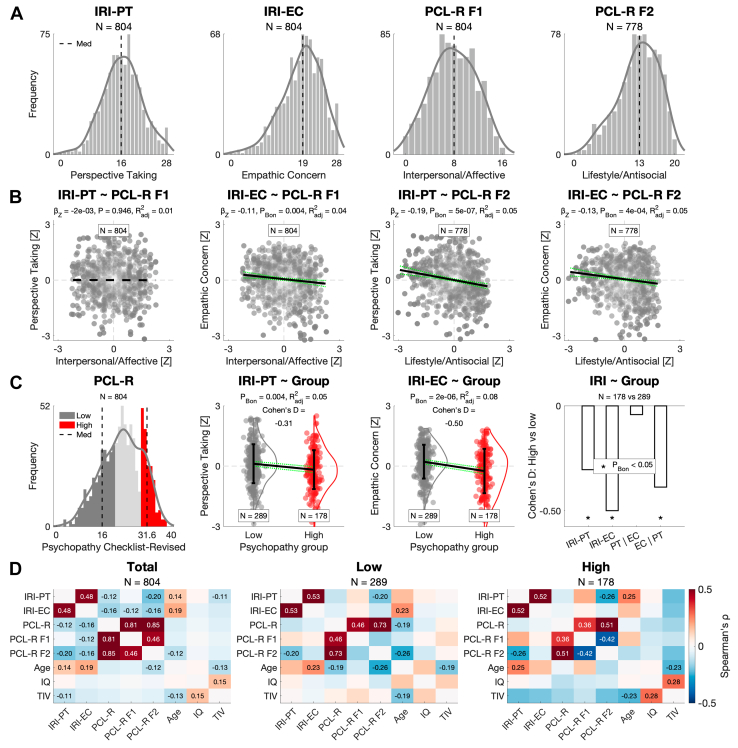 Figure 1
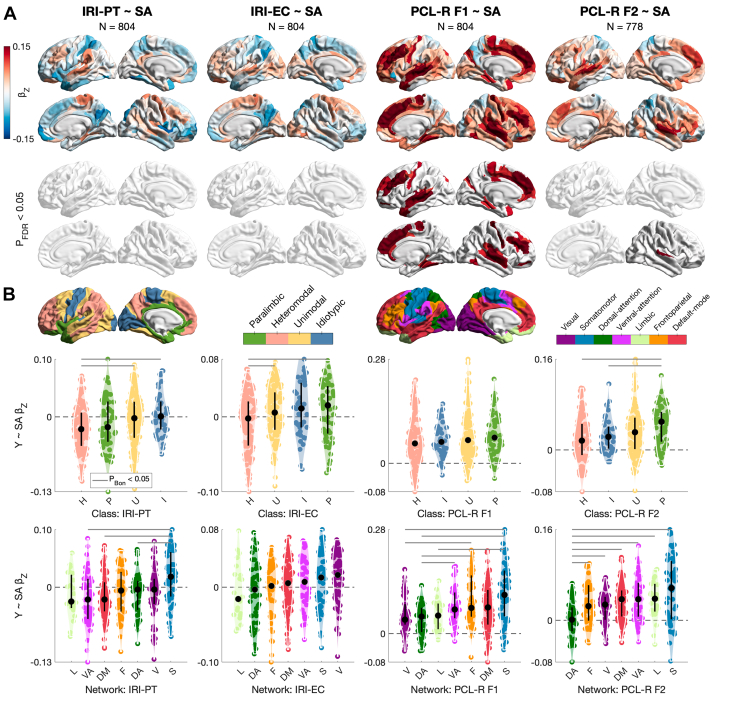 Figure 2
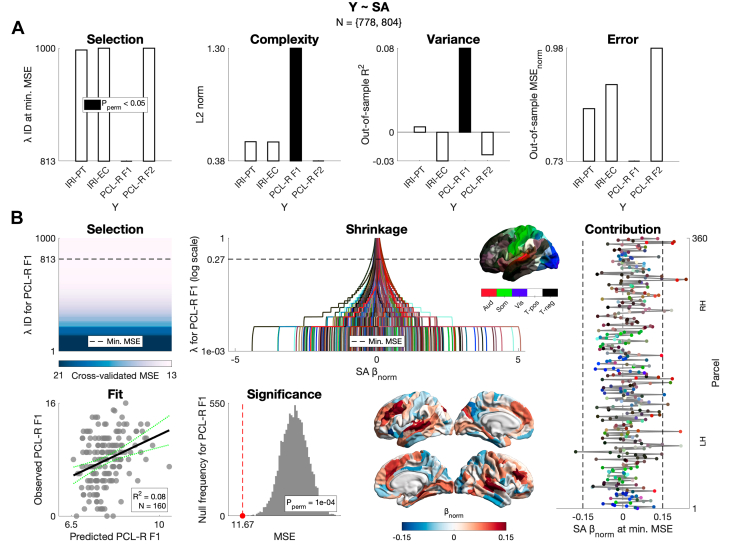 Figure 3
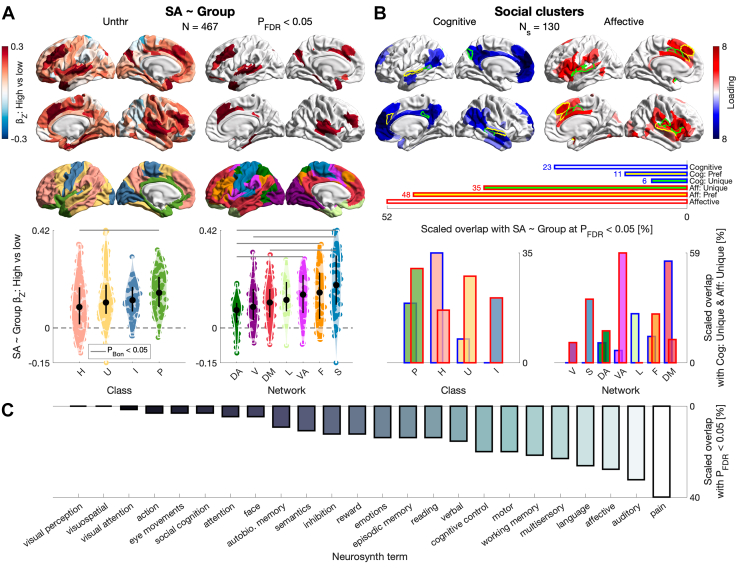 Figure 4
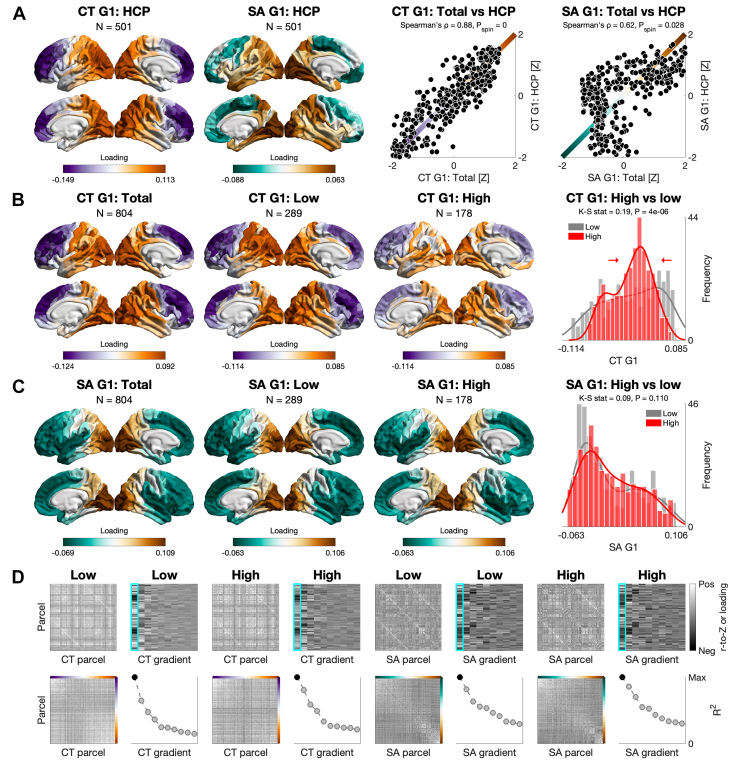 Figure 5
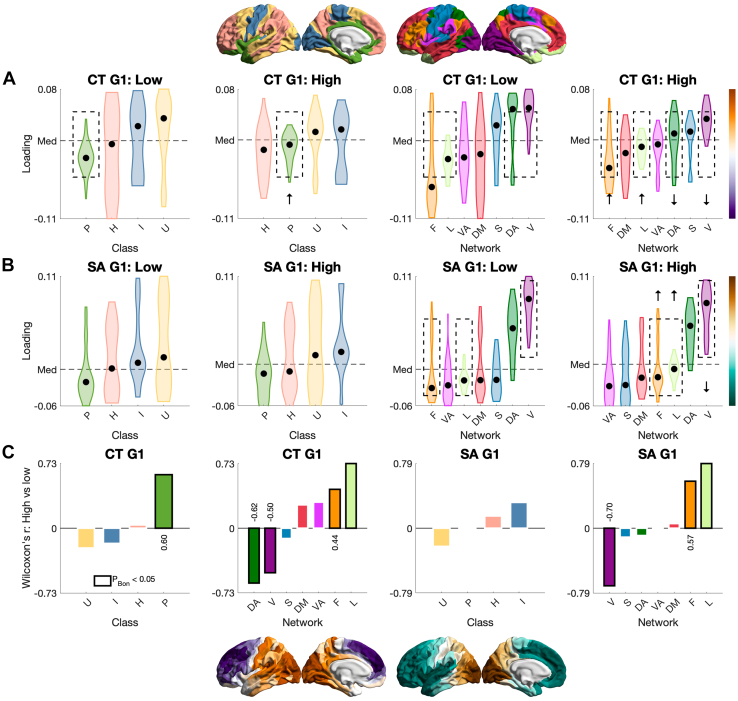 Figure 6
Peer Reviews
No public reviews on file for this paper yet. If you reviewed it on a platform where reviews are public (OpenReview, ICLR, NeurIPS, ICML), you can paste yours below so the community can read it here.
Videos
No videos yet. Explain this paper in a talk, walkthrough, or lecture? Add one.
Taxonomy
TopicsPsychopathy, Forensic Psychiatry, Sexual Offending · Criminal Justice and Corrections Analysis · Semiotics and Cultural Interpretation