Proteomic Profiling of PTEN Inhibition on Periodontal Ligament Stem Cells
Suphalak Phothichailert, Nunthawan Nowwarote, Chatvadee Kornsuthisopon, Shinya Murakami, Supreda Suphanantachat Srithanyarat, Thanaphum Osathanon

TL;DR
This study explores how inhibiting PTEN affects proteins in periodontal ligament stem cells, revealing changes linked to cell regeneration and signaling pathways.
Contribution
The study provides novel proteomic insights into PTEN inhibition in periodontal ligament stem cells and its impact on regenerative pathways.
Findings
PTEN inhibition upregulates proteins related to cytoskeletal dynamics, vesicular transport, and signal transduction.
Downregulated proteins are linked to transcriptional and metabolic regulation and membrane trafficking.
PTEN inhibition modulates MAPK and Wnt signaling pathways, suggesting a role in periodontal tissue regeneration.
Abstract
Phosphatase and tensin homolog (PTEN) is a critical regulator of cell proliferation, differentiation, and inflammatory balance. However, its downstream proteomic effects in periodontal ligament stem cells (PDLSCs) remain poorly understood. This study aimed to elucidate the proteomic alterations induced by PTEN inhibition and identify potential molecular pathways underlying periodontal regeneration. PDLSCs were treated with 5 μM VO-OHpic for 24 hours, followed by proteomic profiling using mass spectrometric analysis. The resulting proteomic data were analysed using Heatmapper, Metascape, and WebGestalt (WEB-based Gene Set Analysis Toolkit) databases, as well as Cytoscape, to evaluate protein expression patterns and protein–protein interaction networks. Proteomic analysis identified 7,525 proteins across all samples, with 3,497 proteins commonly expressed between groups. In the…
Genes, proteins, chemicals, diseases, species, mutations and cell lines named across the full text — each resolved to its canonical identifier and authoritative record.
Click any figure to enlarge with its caption.
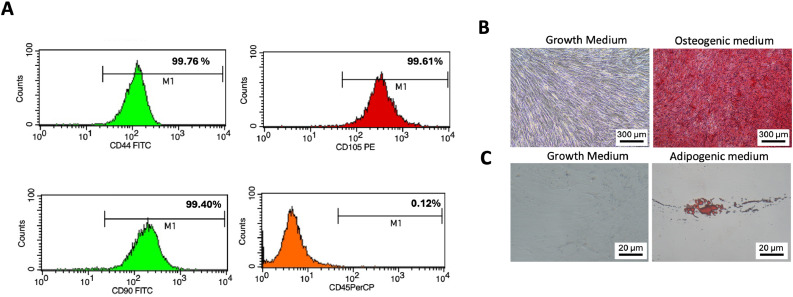 Figure 1
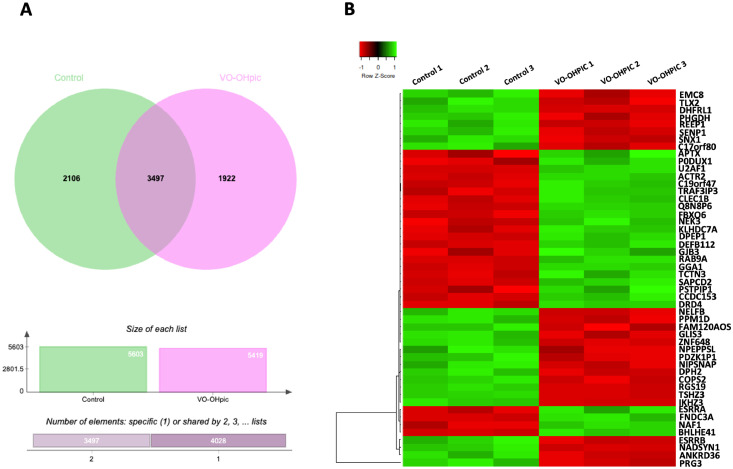 Figure 2
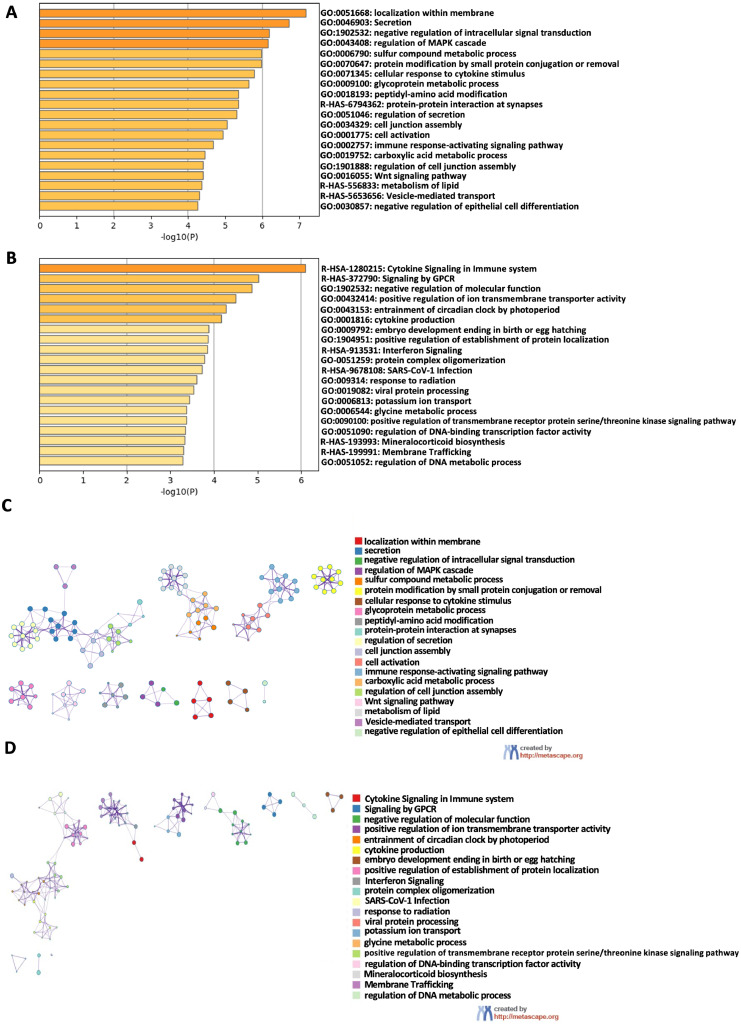 Figure 3
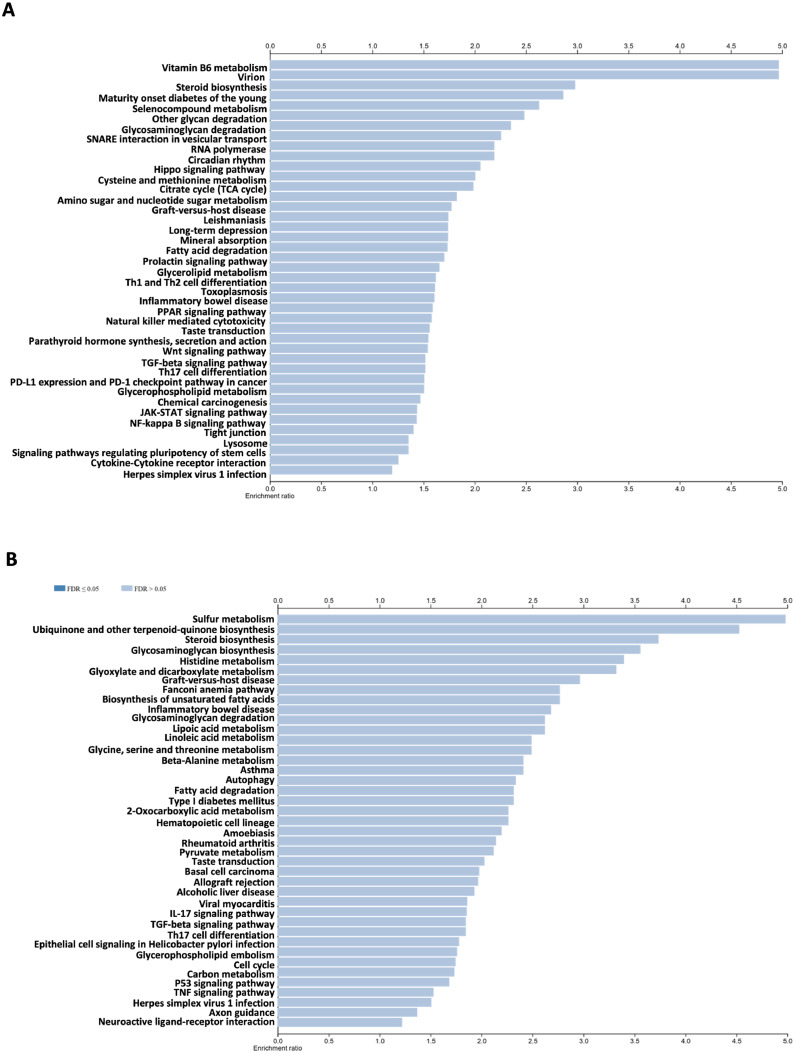 Figure 4
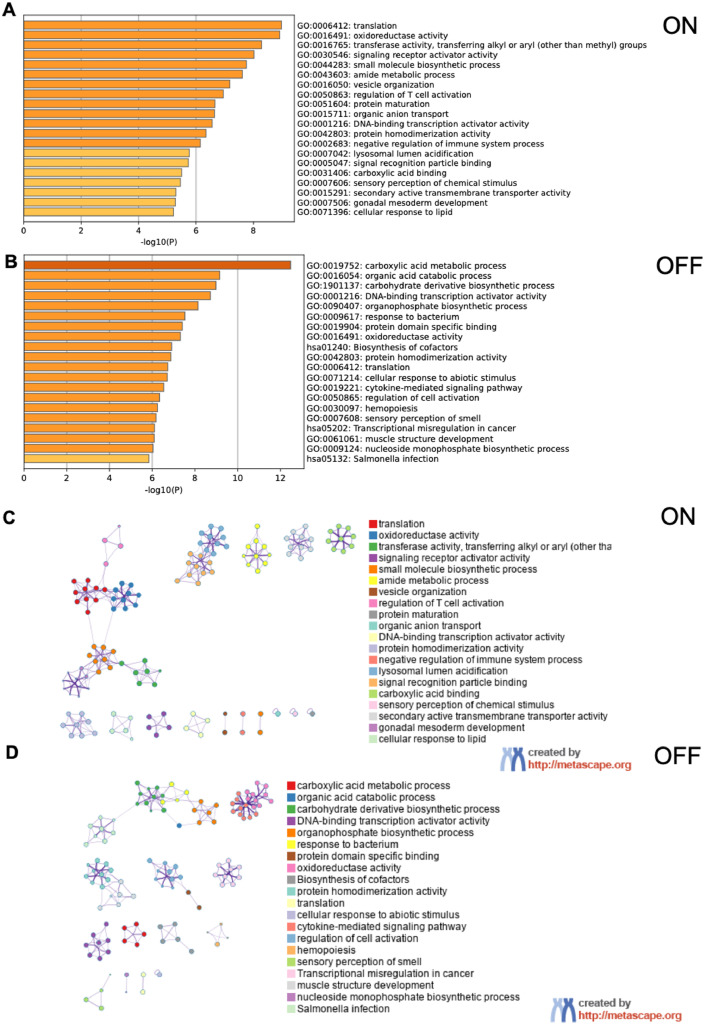 Figure 5
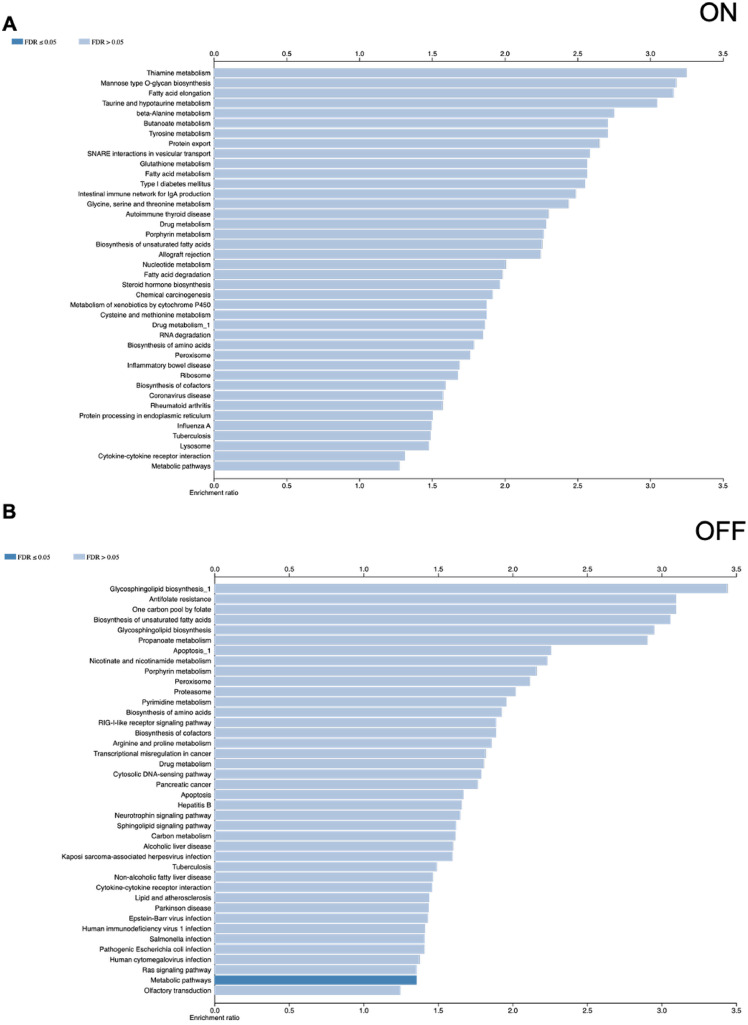 Figure 6
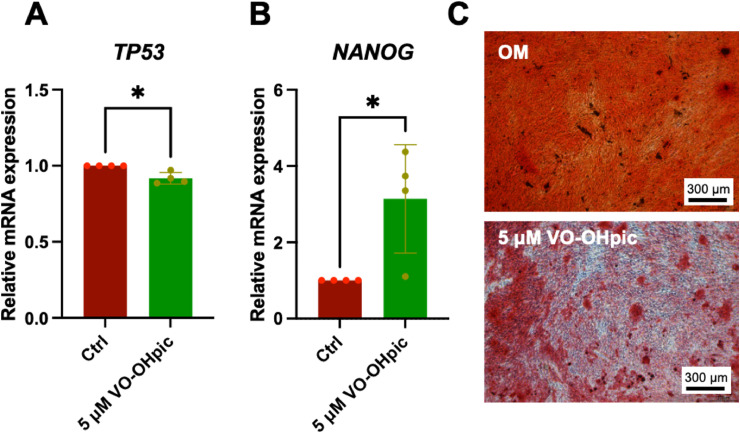 Figure 7
Peer Reviews
No public reviews on file for this paper yet. If you reviewed it on a platform where reviews are public (OpenReview, ICLR, NeurIPS, ICML), you can paste yours below so the community can read it here.
Videos
No videos yet. Explain this paper in a talk, walkthrough, or lecture? Add one.
Taxonomy
TopicsPI3K/AKT/mTOR signaling in cancer · Genetic Syndromes and Imprinting · Biochemical Acid Research Studies