Lateral habenula and periaqueductal gray neurons signal reward prediction error and continuity of reward expectancy to drive reward-seeking behavior
Hyunchan Lee, Okihide Hikosaka

TL;DR
This study reveals how the brain balances signals about reward prediction errors and sustained reward expectancy to drive reward-seeking behavior in challenging environments.
Contribution
The study identifies the periaqueductal gray's role in sustaining reward expectancy alongside the lateral habenula's prediction error signaling.
Findings
Tonic activity in the periaqueductal gray sustains reward expectancy beyond prediction errors.
The balance between PAG and LHb signals determines whether animals continue or stop reward-seeking behavior.
This mechanism helps animals navigate complex environments with uncertain rewards.
Abstract
Reward-seeking behaviors often require not only encoding moment-to-moment reward prediction errors but also sustaining reward expectancy in the face of repeated negative outcomes and ongoing effort costs. While the lateral habenula has been extensively studied as a source of negative prediction error signals, how the brain maintains motivational continuity when rewards are delayed, uncertain, or repeatedly omitted remains poorly understood. Here, we show a complementary role of the periaqueductal gray in sustaining reward expectancy through tonic activity that persists beyond prediction errors. We find that the balance between distinct tonic signaling in the periaqueductal gray, which signals remaining reward expectancy, and phasic signaling in the lateral habenula, which signals reward prediction error, plays a crucial role in determining whether animals continue or discontinue…
Genes, proteins, chemicals, diseases, species, mutations and cell lines named across the full text — each resolved to its canonical identifier and authoritative record.
Click any figure to enlarge with its caption.
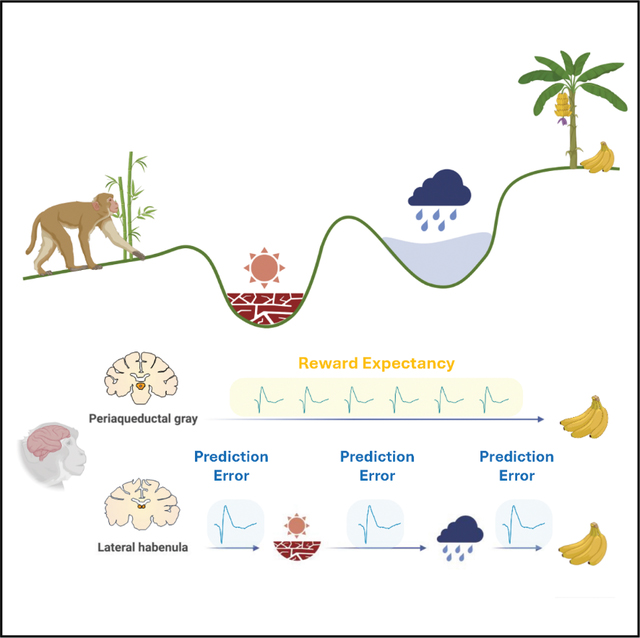 Figure 1
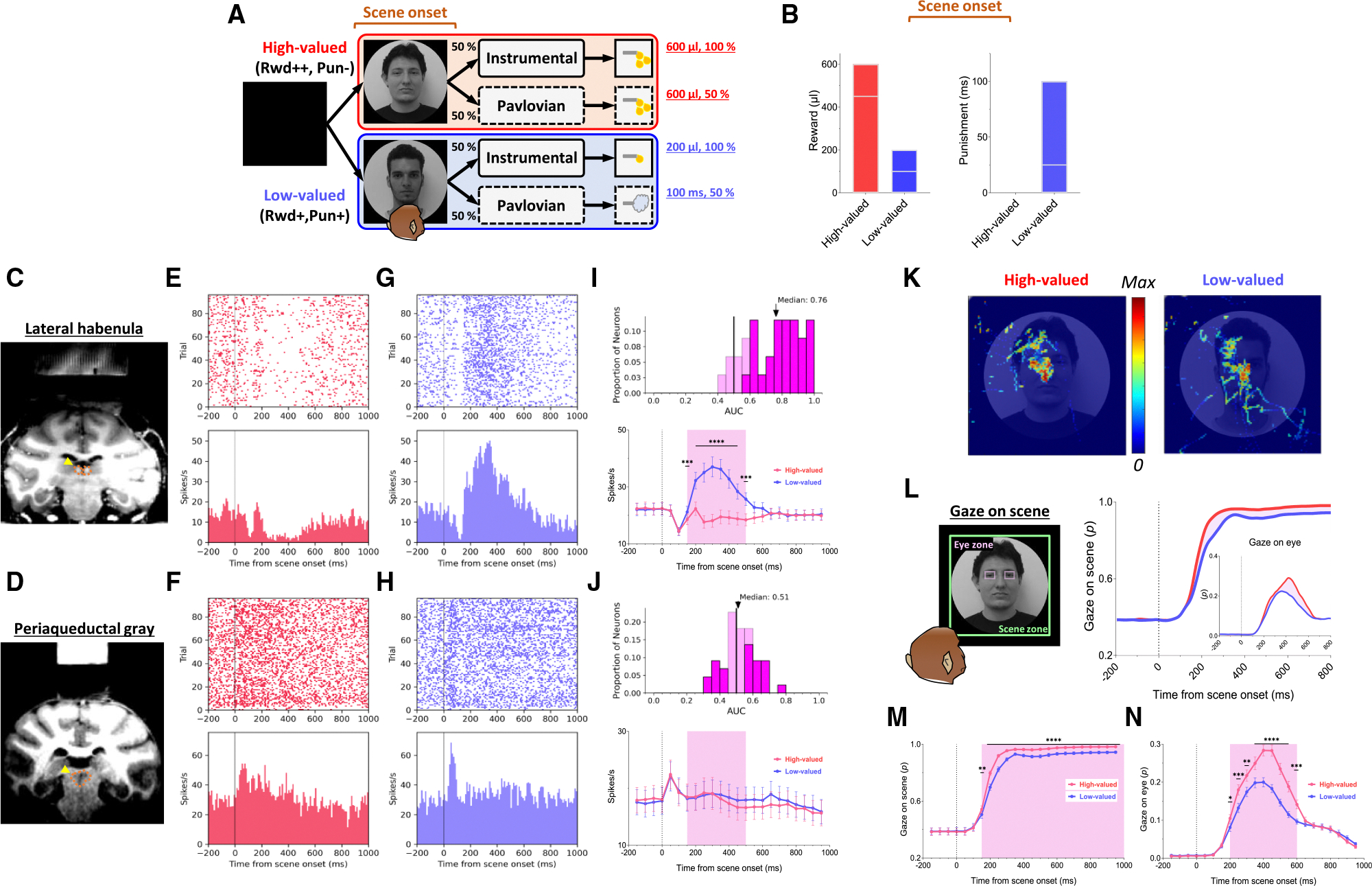 Figure 2
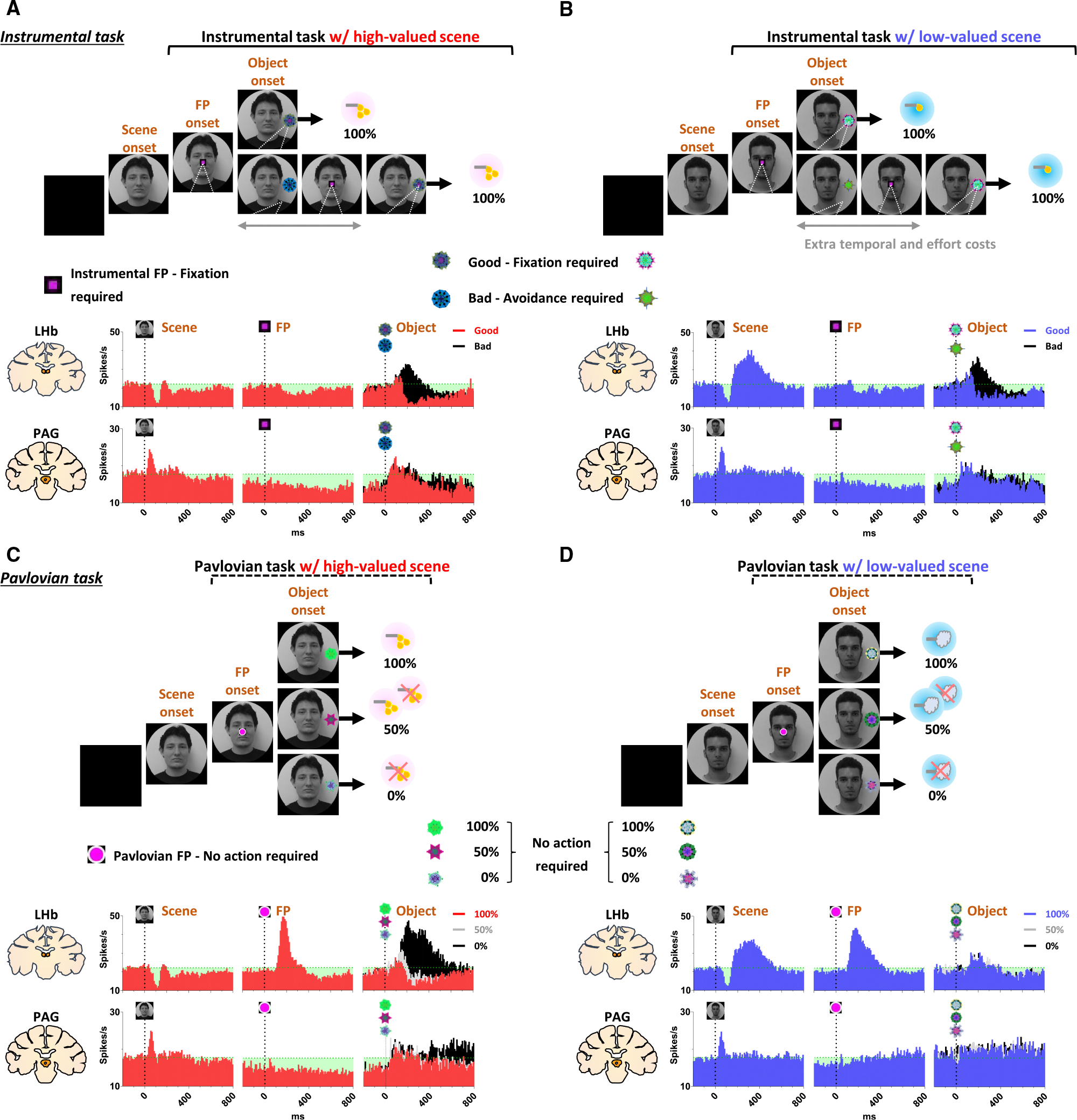 Figure 3
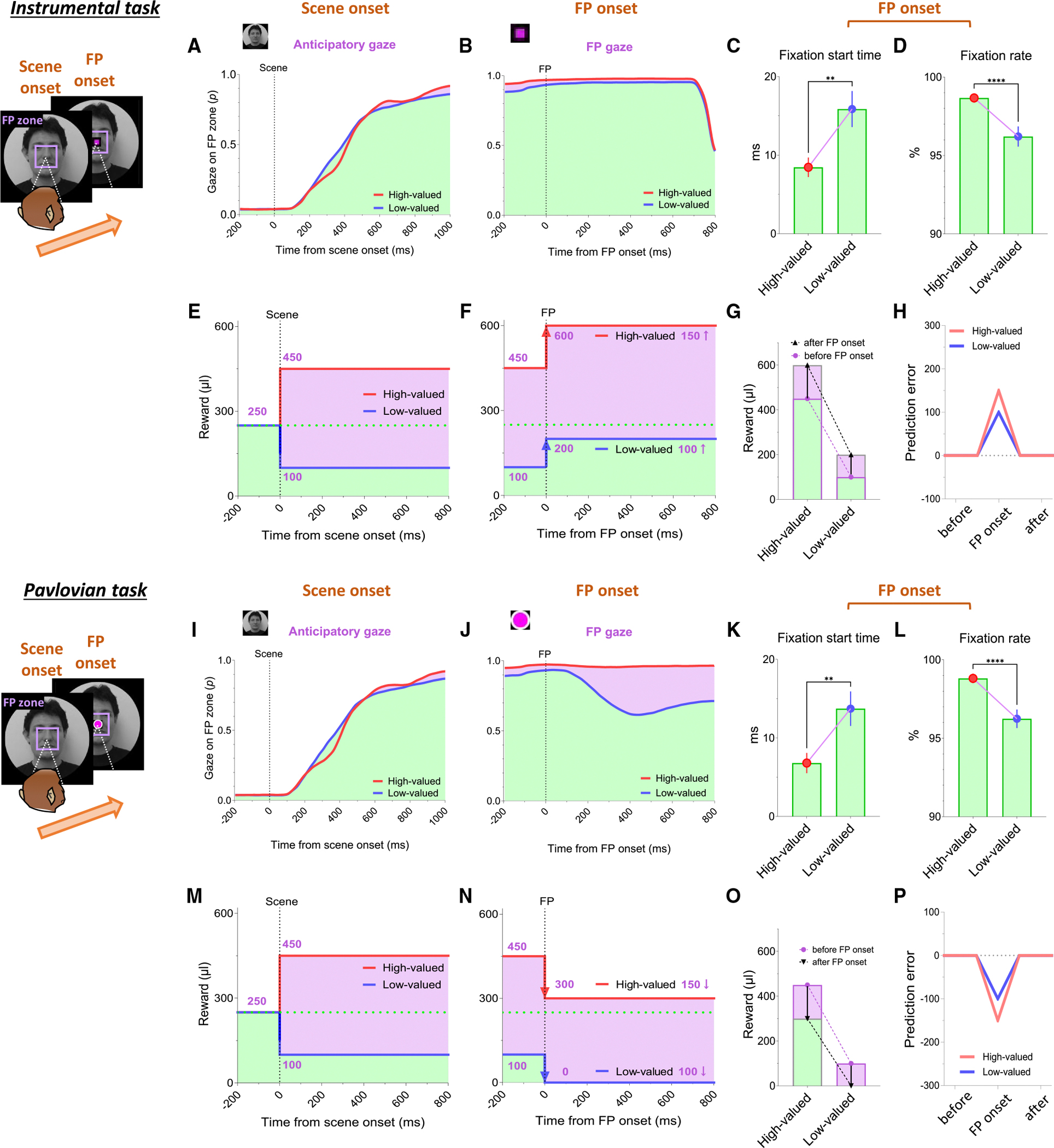 Figure 4
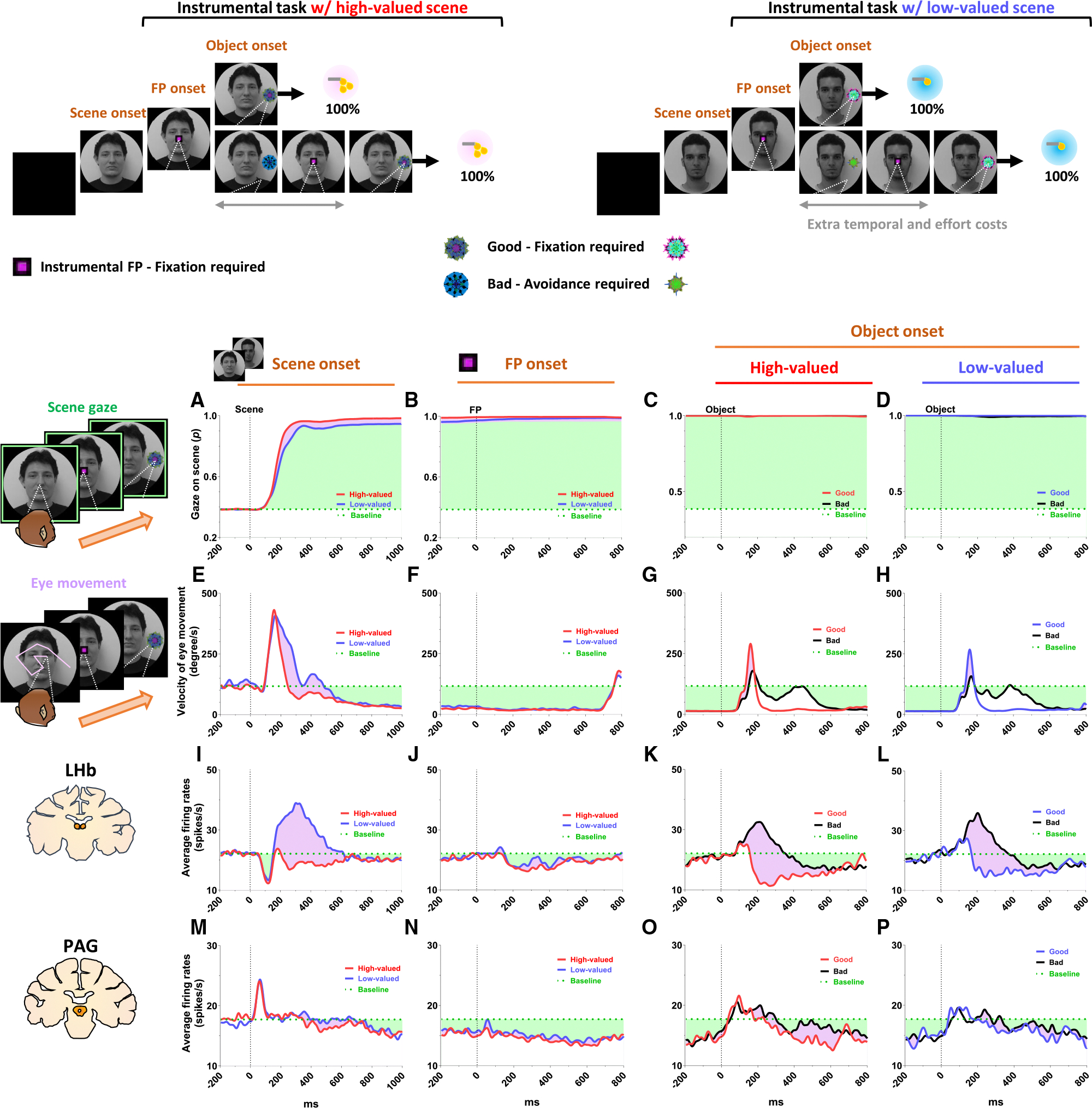 Figure 5
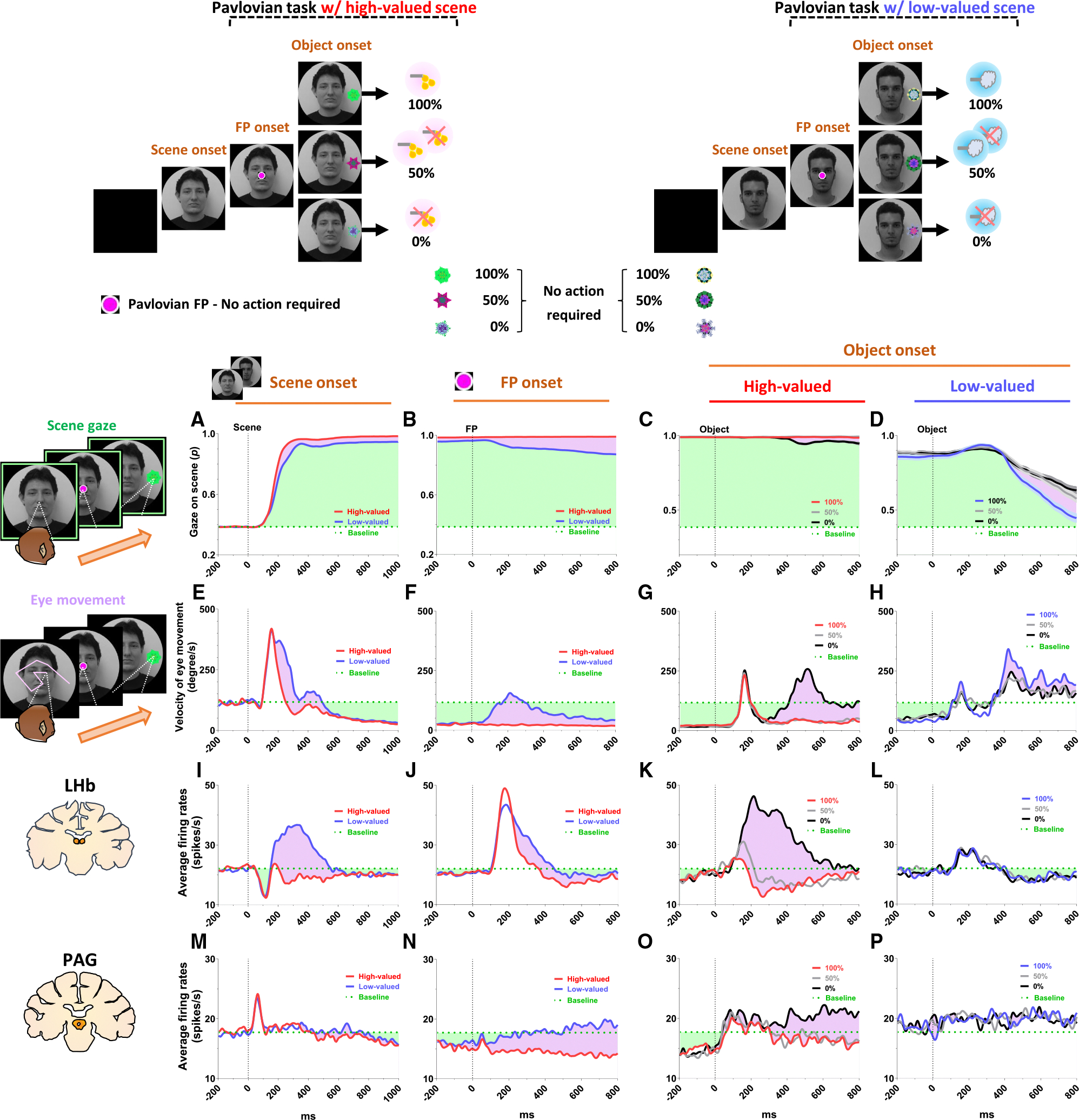 Figure 6
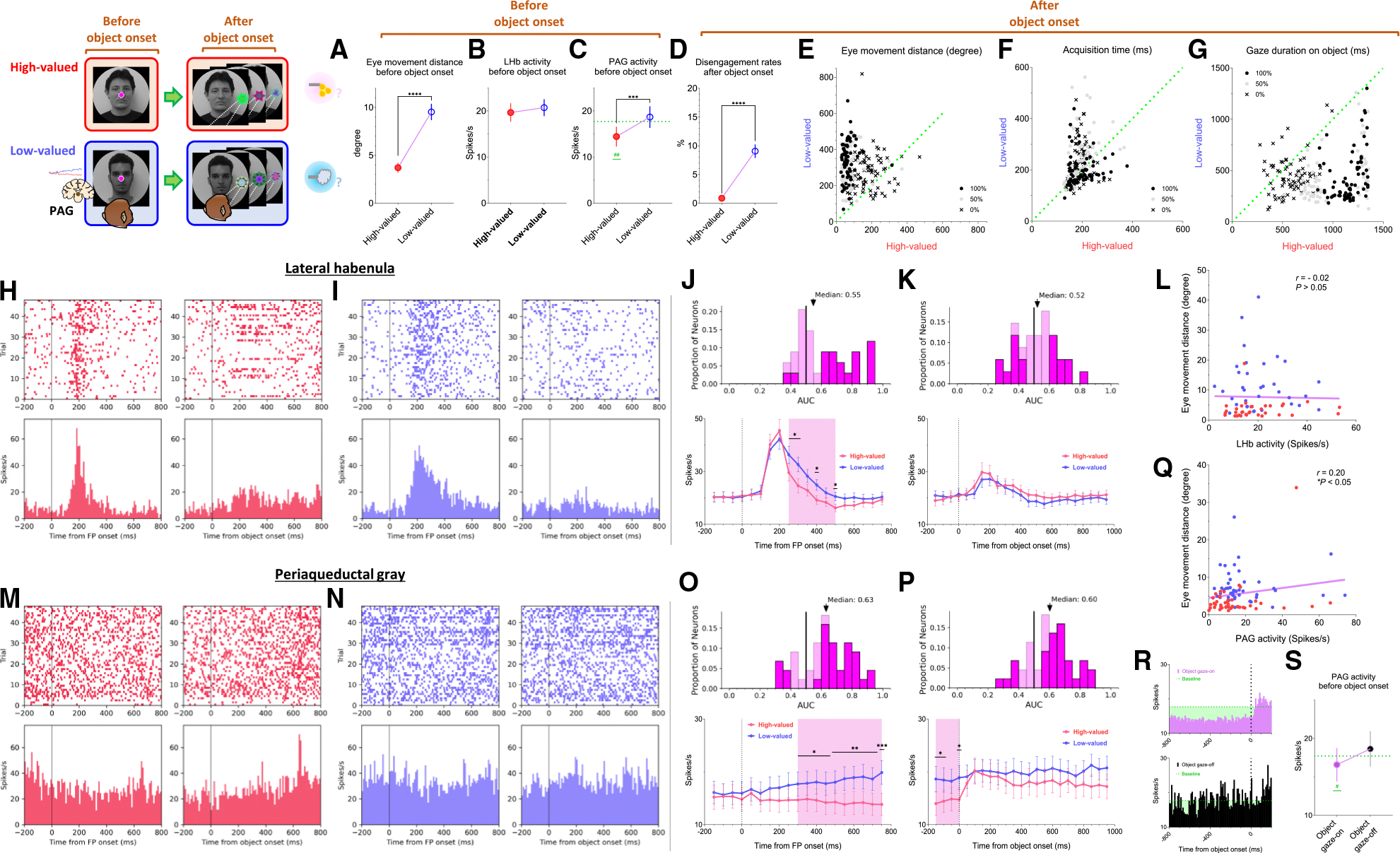 Figure 7
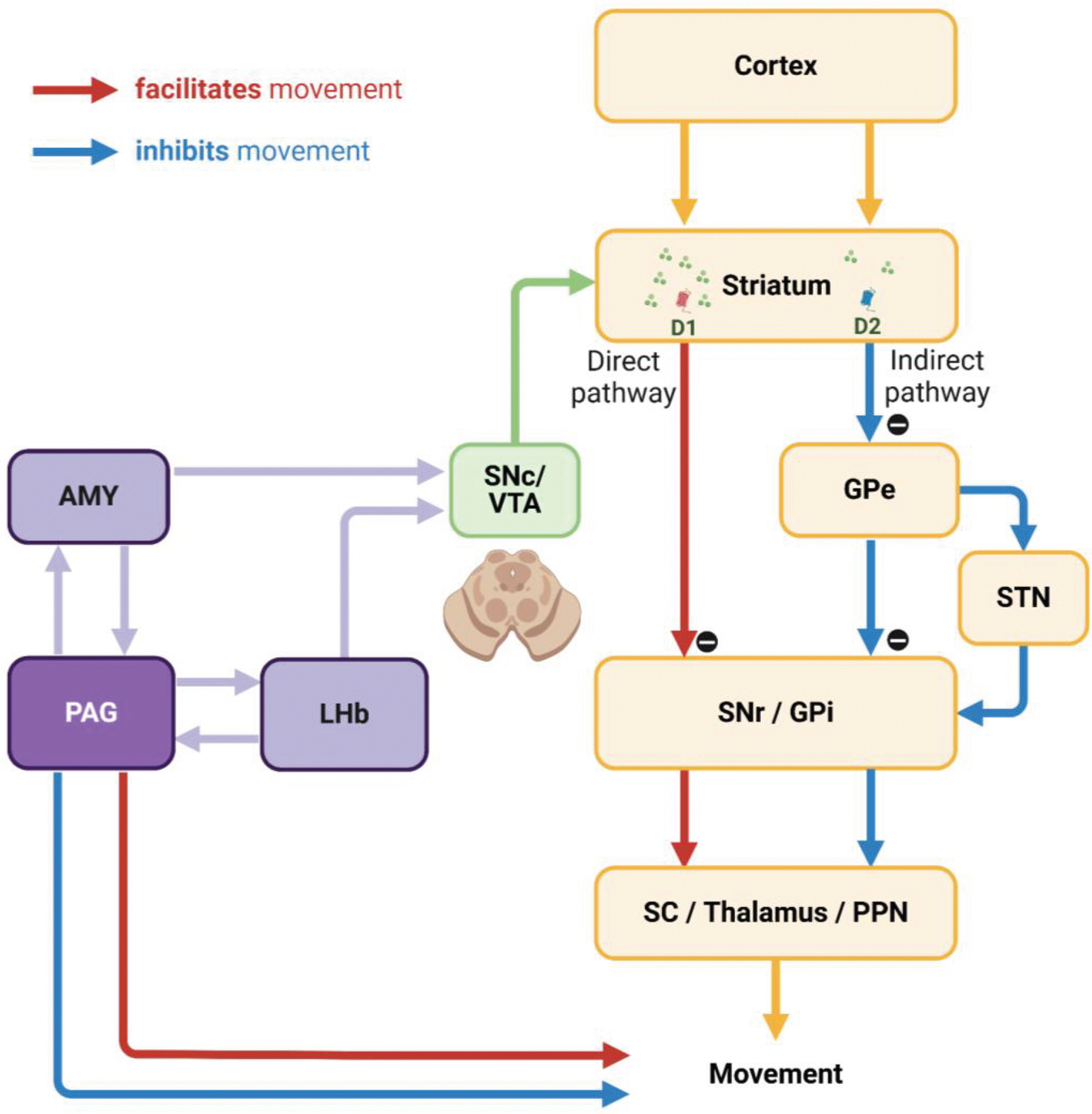 Figure 8
Peer Reviews
No public reviews on file for this paper yet. If you reviewed it on a platform where reviews are public (OpenReview, ICLR, NeurIPS, ICML), you can paste yours below so the community can read it here.
Videos
No videos yet. Explain this paper in a talk, walkthrough, or lecture? Add one.
Taxonomy
TopicsNeurotransmitter Receptor Influence on Behavior · Neural dynamics and brain function · Zebrafish Biomedical Research Applications