Optimizing pediatric vesicoureteral reflux management: a single-center experience with contrast-enhanced ultrasound in reducing radiation exposure and antibiotic use
Sonia Tamasi, Anna Masucci, Francesca Antonia De Chiara, Alessandra Chiera, Maria Tardi, Luigi Martemucci, Massimo Zeccolini, Rosamunda D’Arcangelo

TL;DR
This study shows that using contrast-enhanced ultrasound for pediatric vesicoureteral reflux reduces radiation exposure and antibiotic use compared to traditional methods.
Contribution
The study demonstrates that earlier reassessment with contrast-enhanced ultrasound safely shortens antibiotic prophylaxis duration.
Findings
Contrast-enhanced ultrasound reduced the need for radiation-based voiding cystourethrography in children.
Many patients showed improved or resolved reflux at 12 months, allowing earlier treatment discontinuation.
The ultrasound method was equally accurate across different ages and genders.
Abstract
Vesicoureteral reflux is the most common pediatric urological anomaly and a leading cause of urinary tract infections in children. Traditional follow-up typically relies on voiding cystourethrography, which exposes young patients to ionizing radiation. The introduction of contrast-enhanced ultrasound provides a radiation-free alternative with comparable diagnostic accuracy. This study aims to demonstrate that the use of contrast-enhanced ultrasound can shorten follow-up intervals, thereby reducing the duration of antibiotic prophylaxis. A prospective observational study was conducted between 2019 and 2024, involving 1050 children with urinary tract infections, hydronephrosis, or a known history of vesicoureteral reflux. The cohort included both male and female children, aged between 1 and 15 years. Diagnosis was confirmed using conventional ultrasound and contrast-enhanced ultrasound.…
Genes, proteins, chemicals, diseases, species, mutations and cell lines named across the full text — each resolved to its canonical identifier and authoritative record.
Click any figure to enlarge with its caption.
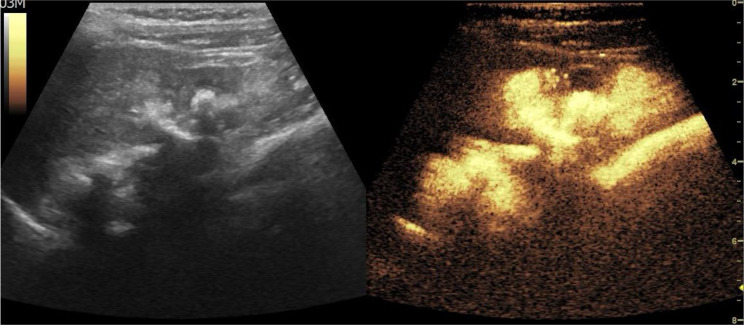 Figure 1
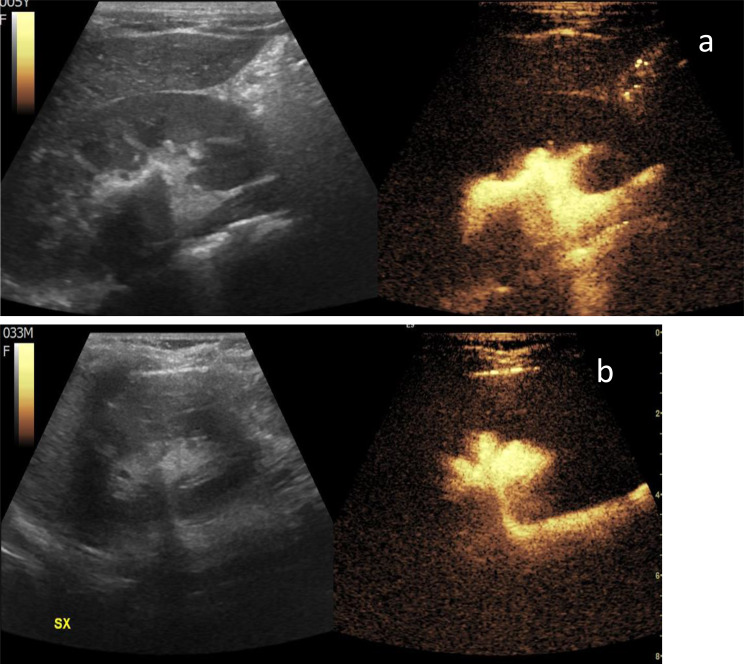 Figure 2
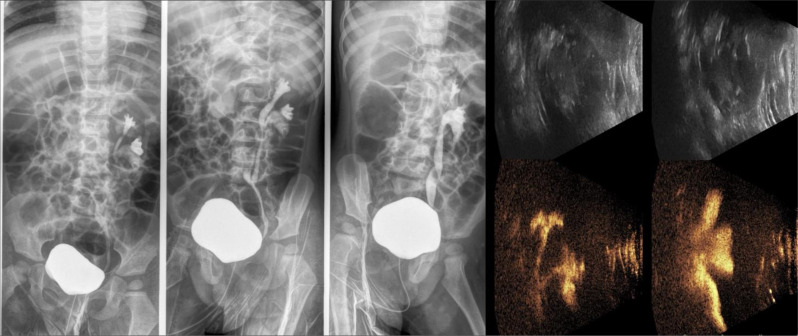 Figure 3
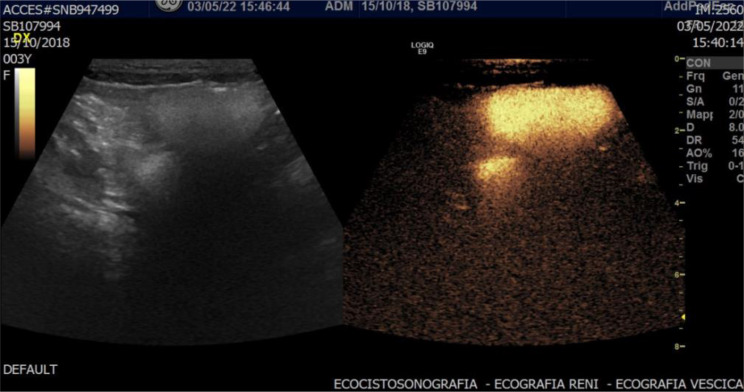 Figure 4
 Figure 5
 Figure 6
 Figure 7
 Figure 8
 Figure 9
Peer Reviews
No public reviews on file for this paper yet. If you reviewed it on a platform where reviews are public (OpenReview, ICLR, NeurIPS, ICML), you can paste yours below so the community can read it here.
Videos
No videos yet. Explain this paper in a talk, walkthrough, or lecture? Add one.
Taxonomy
TopicsPediatric Urology and Nephrology Studies · Urological Disorders and Treatments · Ureteral procedures and complications