The impact of washed microbiota transplantation on serum gastric function markers: pepsinogen I, pepsinogen II, and Gastrin-17
Youlin Song, Guoqian Liu, Juan Yang, Jiangyan Wang, Shuo Feng, Shenghua Lu, Zhichu Qin, Xingxiang He, Lei Wu

TL;DR
This study shows that washed microbiota transplantation (WMT) improves gastric health and gut diversity while reducing inflammation and symptoms in patients.
Contribution
The study introduces WMT as a novel treatment for gastric diseases, showing its impact on gastric markers and gut microbiota.
Findings
WMT significantly reduced gastrin-17 and pepsinogen I levels, with improved gut microbial diversity.
Inflammatory markers like CRP decreased, correlating with changes in gastric function markers.
Patients reported better gastrointestinal symptoms and quality of life after WMT treatment.
Abstract
Conventional treatment methods for gastric diseases have problems such as drug resistance and recurrence. This study aims to explore whether a new treatment method—Washed Microbiota Transplantation (WMT)—can improve gastric mucosal health. The clinical data of patients before and after WMT treatment were collected and analyzed, including serum gastric function markers: gastrin-17 (G-17), pepsinogen I (PGI), pepsinogen II (PGII), and the PGI/PGII ratio (PGR). Inflammatory biomarkers: C-reactive protein (CRP), procalcitonin (PCT), and interleukin-6 (IL-6). Fresh fecal samples were collected at baseline and after WMT treatment and stored at −80 °C until analysis. Gut microbiota profiling was performed using 16S rRNA genes sequencing. Gastrointestinal symptom severity as measured by the Gastrointestinal Symptom Rating Scale (GSRS), and health-related quality of life assessed by the SF-36…
Genes, proteins, chemicals, diseases, species, mutations and cell lines named across the full text — each resolved to its canonical identifier and authoritative record.
Click any figure to enlarge with its caption.
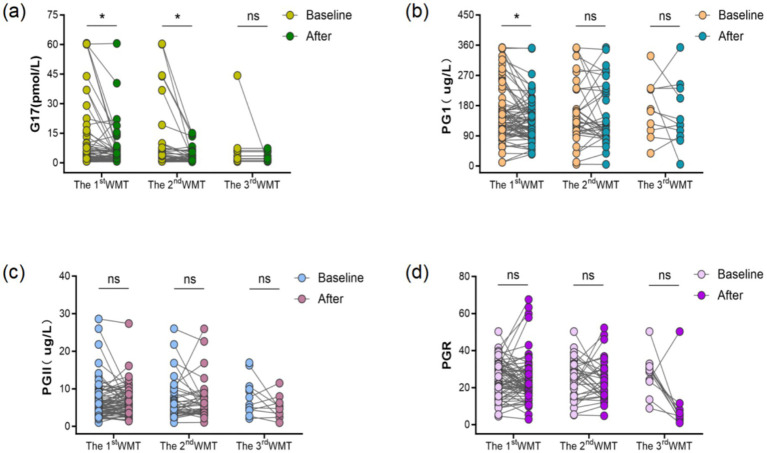 Figure 1
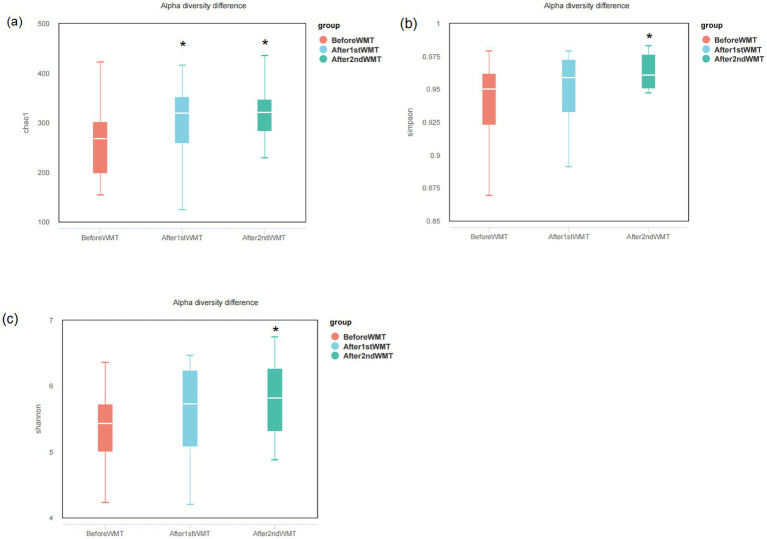 Figure 2
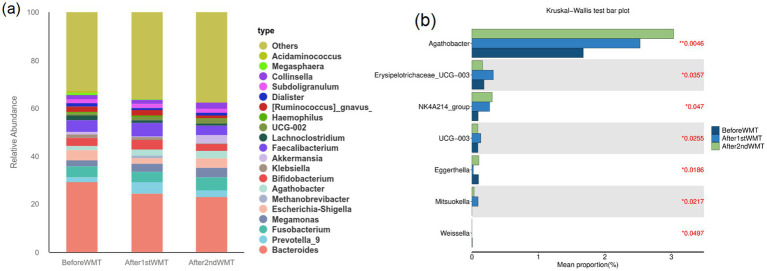 Figure 3
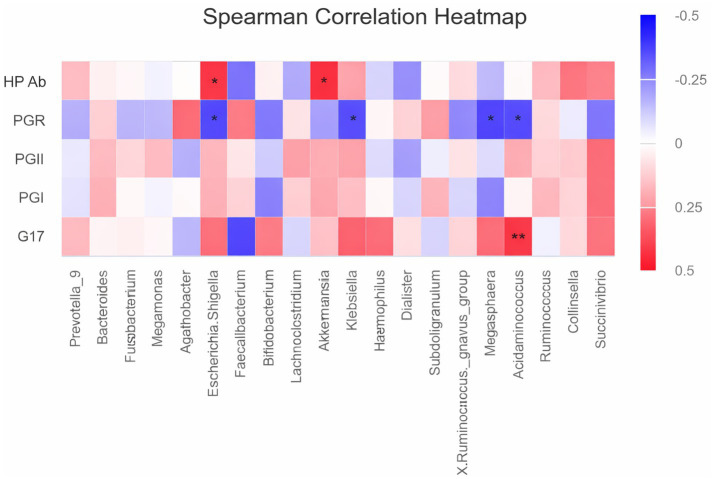 Figure 4
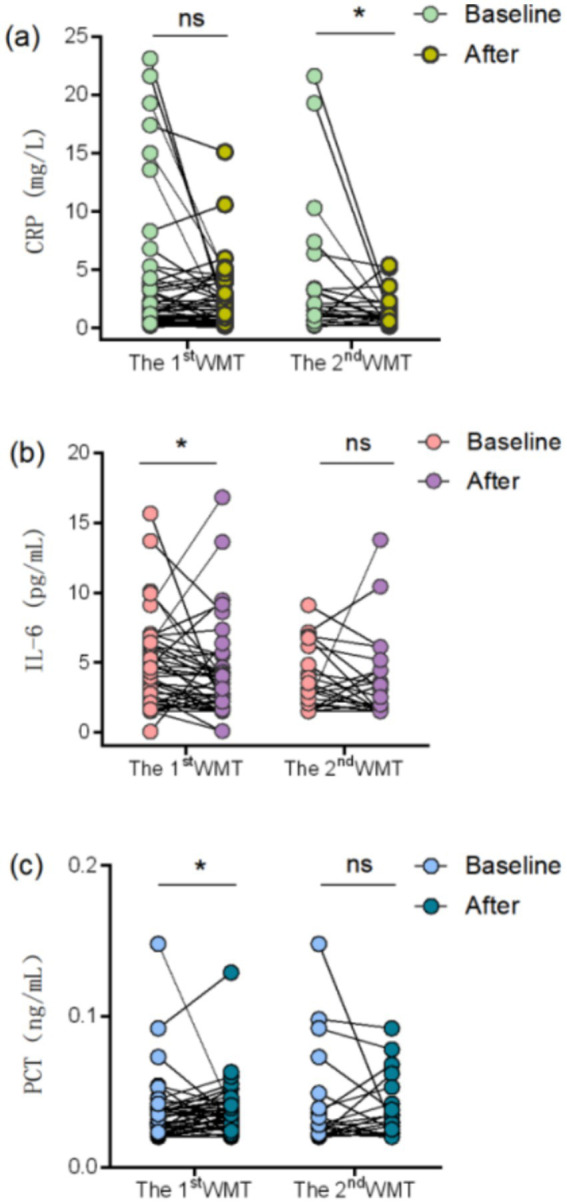 Figure 5
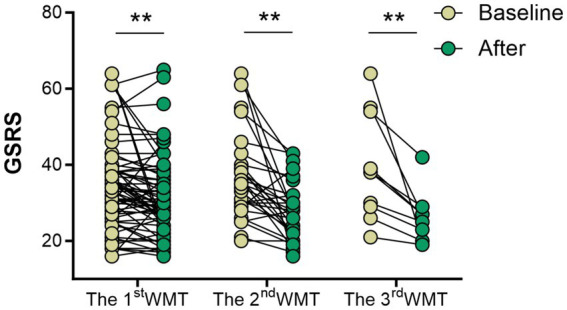 Figure 6
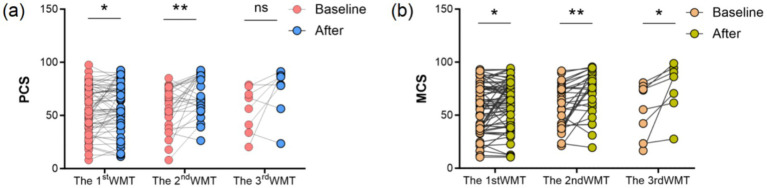 Figure 7
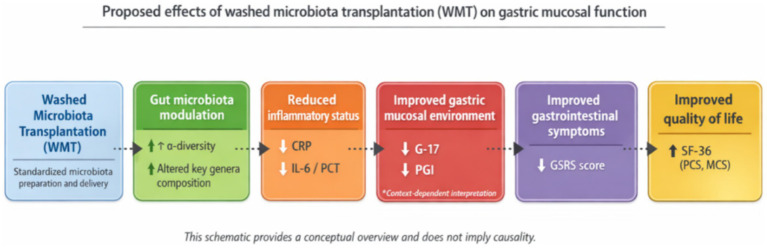 Figure 8
Peer Reviews
No public reviews on file for this paper yet. If you reviewed it on a platform where reviews are public (OpenReview, ICLR, NeurIPS, ICML), you can paste yours below so the community can read it here.
Videos
No videos yet. Explain this paper in a talk, walkthrough, or lecture? Add one.
Taxonomy
TopicsHelicobacter pylori-related gastroenterology studies · Gastrointestinal motility and disorders · Gut microbiota and health