A cluster randomized trial protocol to evaluate the effectiveness of an integrated package of improved take-home foods complemented with social and behaviour change communication strategies to improve nutritional status in children aged 6–36 months in six states of India: NECCTAR trial
Mrunali Zode, Suparna Ghosh Jerath, Manoja Kumar Das, Arun Kokane, Balamurugan Ramadass, Radhika Madhari, Rebecca Kuriyan, Zahiruddin Quazi Syed, Abhay Gaidhane, Sumathi Swaminathan, Sumithra Selvam, Teena Dasi, Tinku Thomas, Abdul Jaleel, Shital Telrandhe

TL;DR
This study tests a new approach to improve child nutrition in India by combining better take-home food with tailored communication strategies.
Contribution
The study introduces a novel integrated package of improved take-home rations and culturally tailored communication strategies for child nutrition.
Findings
The study will assess the effectiveness of improved take-home rations and SBCC strategies on child nutrition.
It will evaluate cost-effectiveness and local acceptability of the intervention across six Indian states.
Findings will inform future nutrition policies and feeding initiatives in India.
Abstract
Nutrition during early childhood is critical for growth, development, and long-term well-being, with age-appropriate complementary feeding playing a pivotal role in meeting a child’s nutritional needs. Despite concerted efforts through national programs in India, gaps persist in complementary feeding practices, contributing to the enduring burden of undernutrition. This study aims to address these gaps by developing an intervention package comprising state- and district-specific improved take-home rations (THRs) provided under the Integrated Child Development Services (ICDS) alongside socio-culturally tailored social and behaviour change communication (SBCC) strategies to improve nutrition among children aged 6–36 months. The study will be conducted in one selected district from each of six Indian states—Karnataka, Madhya Pradesh, Maharashtra, Meghalaya, Odisha, and Rajasthan. The…
Genes, proteins, chemicals, diseases, species, mutations and cell lines named across the full text — each resolved to its canonical identifier and authoritative record.
Click any figure to enlarge with its caption.
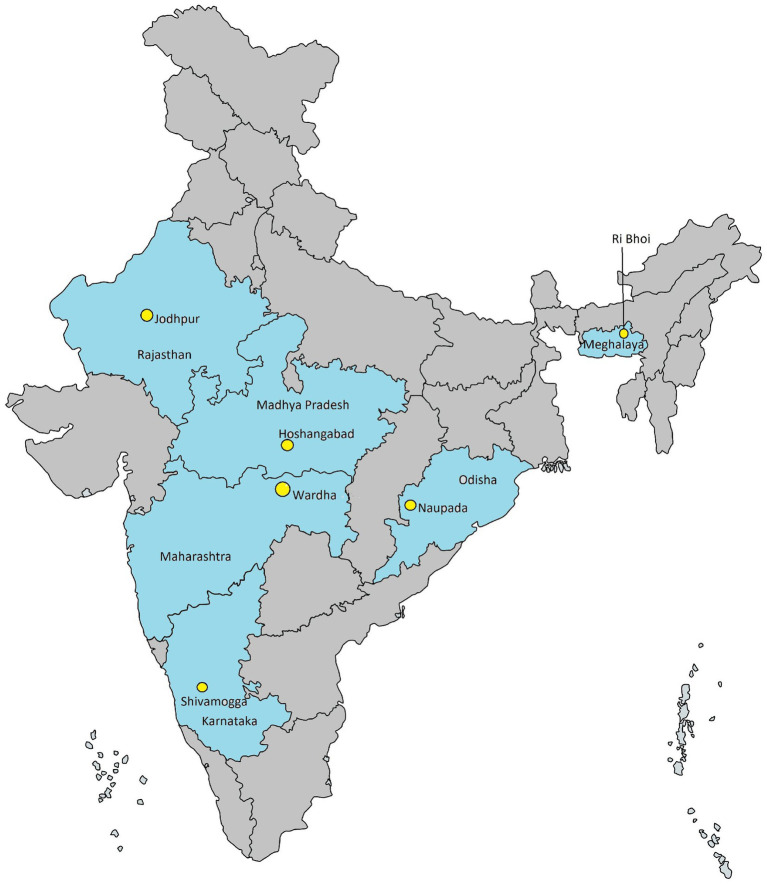 Figure 1
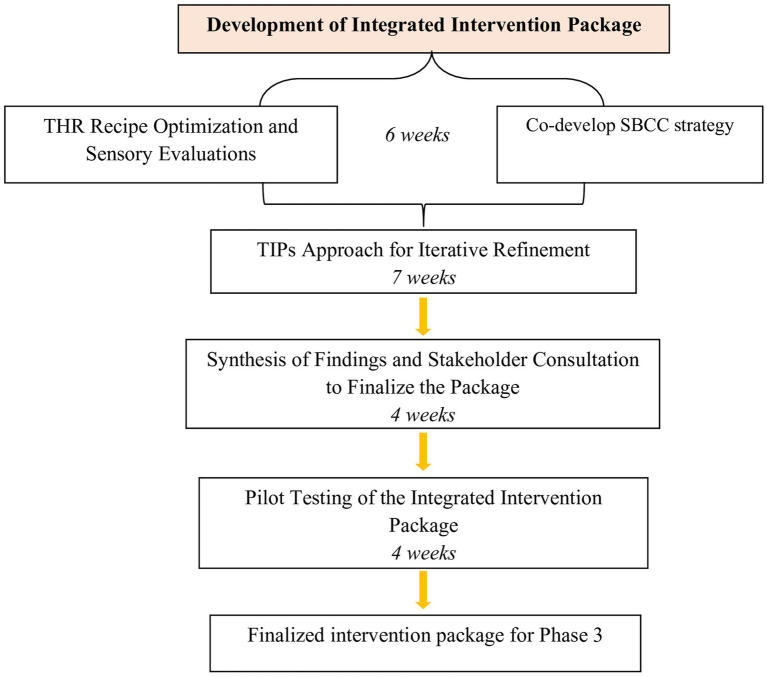 Figure 2
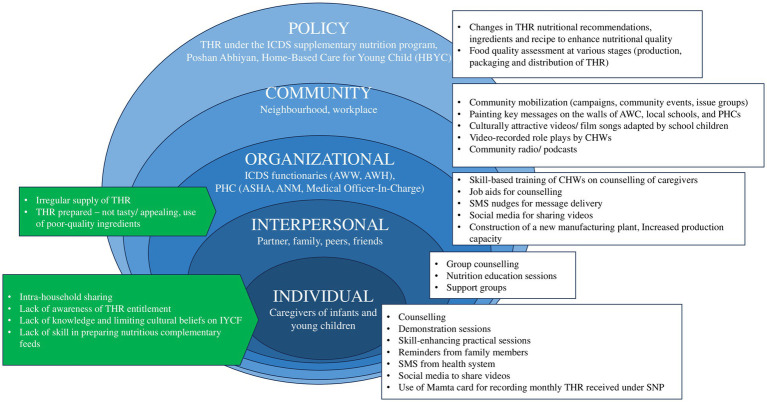 Figure 3
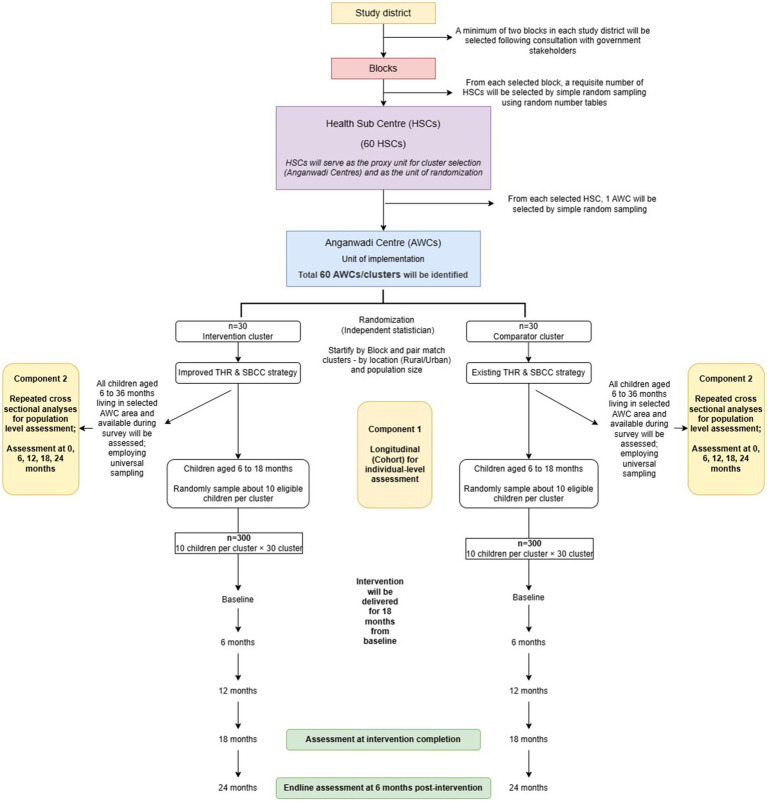 Figure 4
 Figure 5
Peer Reviews
No public reviews on file for this paper yet. If you reviewed it on a platform where reviews are public (OpenReview, ICLR, NeurIPS, ICML), you can paste yours below so the community can read it here.
Videos
No videos yet. Explain this paper in a talk, walkthrough, or lecture? Add one.
Taxonomy
TopicsChild Nutrition and Water Access · Breastfeeding Practices and Influences · Obesity, Physical Activity, Diet