Evaluation of the effects of extremity elongation on brachial plexus nerves via intraoperative neuromonitoring in patients undergoing reverse total shoulder arthroplasty
Dağhan Koyuncu, Alper Şükrü Kendirci, Ali Erşen

TL;DR
This study examines how nerve injuries occur during reverse shoulder surgery and finds that certain nerves are more vulnerable during specific steps of the procedure.
Contribution
The study introduces the use of intraoperative neuromonitoring to identify nerve vulnerability patterns during reverse total shoulder arthroplasty.
Findings
Musculocutaneous and radial nerves are most affected during glenoid preparation.
Smoking history significantly increases the risk of intraoperative nerve events.
A preoperative acromiohumeral distance difference of less than 3.7 mm reduces nerve involvement risk by 4.2 times.
Abstract
Reverse total shoulder arthroplasty (RTSA) is one of the most common treatment method for irreparable rotator cuff tear. One of the significant complications of this surgery is nerve injury. This study aimed to identify the patterns of brachial plexus nerve involvement and to determine the surgical stages associated with increased nerve vulnerability during reverse total shoulder arthroplasty using intraoperative neuromonitoring (IONM). Additionally, the relationship between extremity lengthening, acromiohumeral distance (AHD) changes and intraoperative nerve events were evaluated. Twenty patients diagnosed with rotator cuff tear arthropathy who underwent total reverse shoulder arthroplasty in a single center were included in the study. Demographic data, preoperative shoulder range of motion (ROM), and functional scores were recorded. Radiological measurements were performed to…
Genes, proteins, chemicals, diseases, species, mutations and cell lines named across the full text — each resolved to its canonical identifier and authoritative record.
Click any figure to enlarge with its caption.
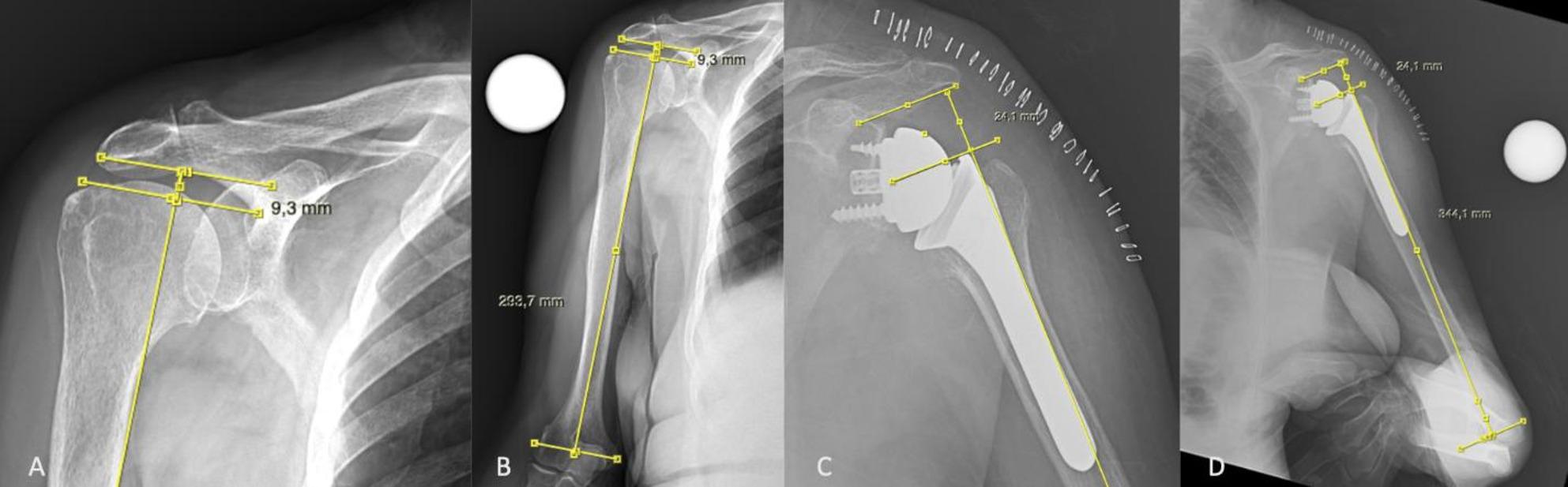 Figure 1
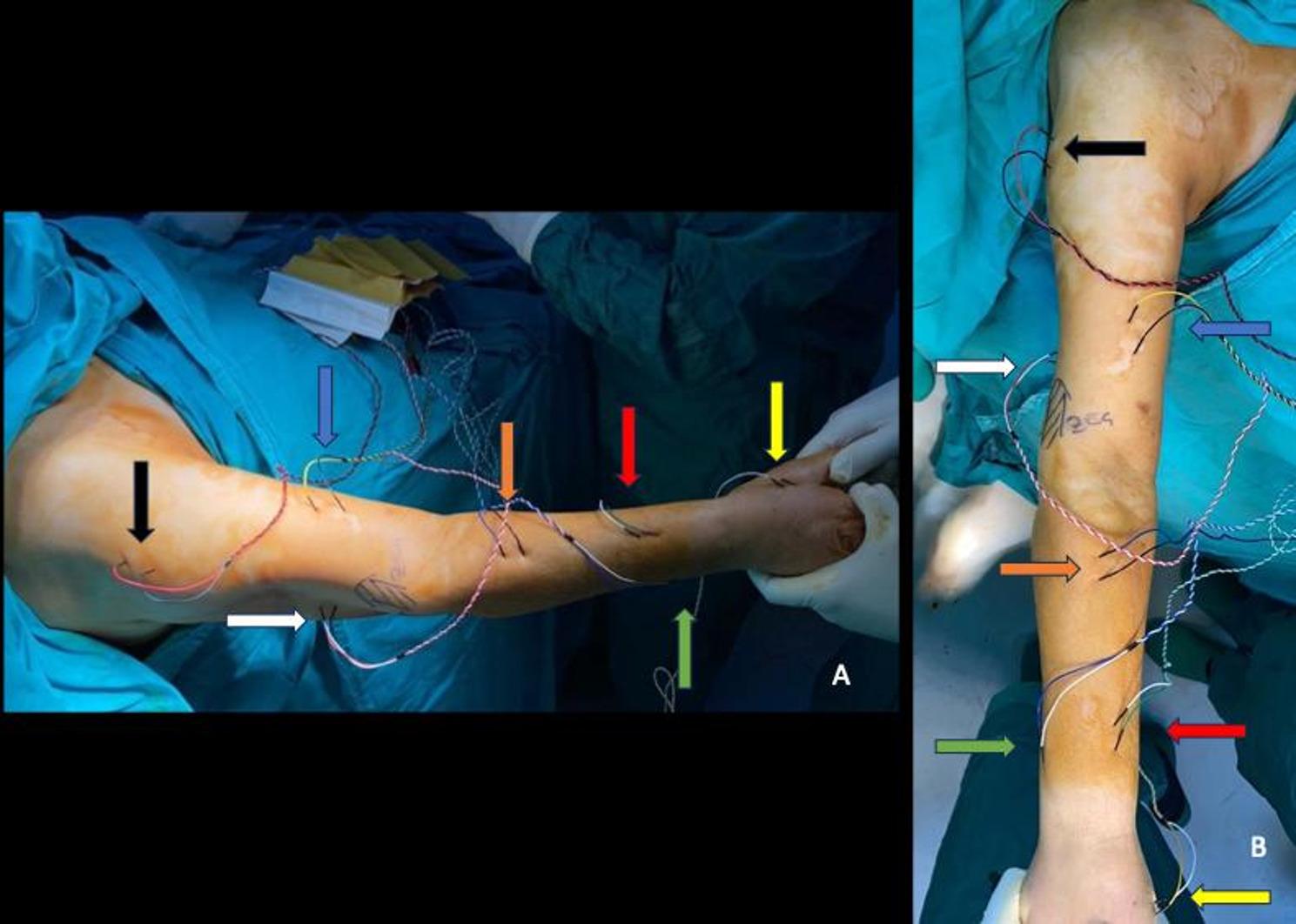 Figure 2
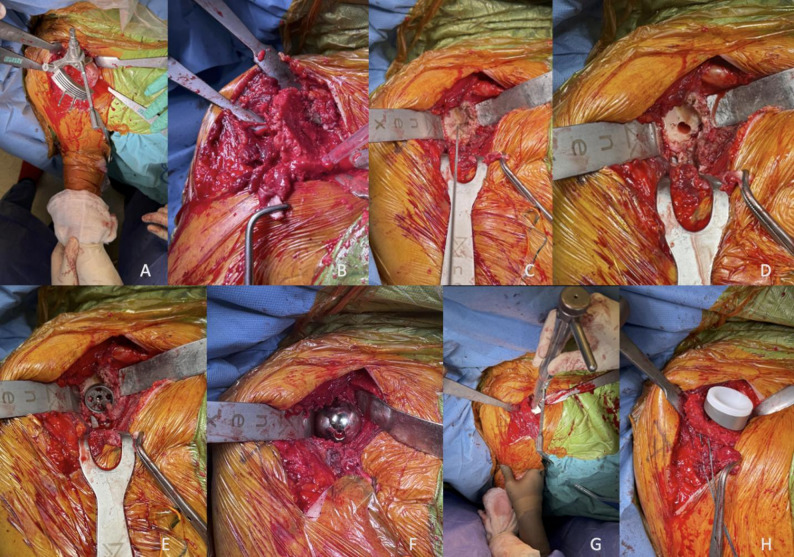 Figure 3
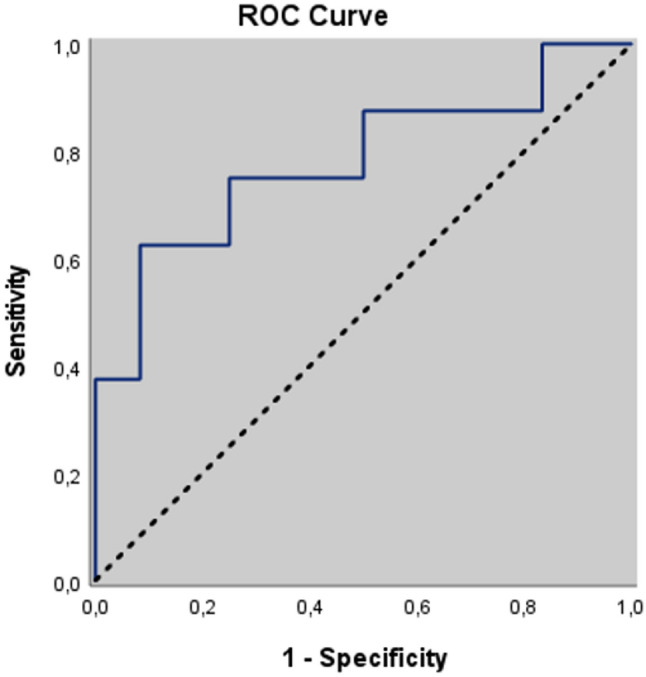 Figure 4
Peer Reviews
No public reviews on file for this paper yet. If you reviewed it on a platform where reviews are public (OpenReview, ICLR, NeurIPS, ICML), you can paste yours below so the community can read it here.
Videos
No videos yet. Explain this paper in a talk, walkthrough, or lecture? Add one.
Taxonomy
TopicsShoulder Injury and Treatment · Anesthesia and Pain Management · Intraoperative Neuromonitoring and Anesthetic Effects