Machine-Learning Interatomic Potentials Achieving CCSD(T) Accuracy for Systems with Extended Covalent Networks and van der Waals Interactions
Yuji Ikeda, Axel Forslund, Pranav Kumar, Yongliang Ou, Jong Hyun Jung, Andreas Köhn, Blazej Grabowski

TL;DR
This paper introduces a machine-learning method to simulate complex materials with high accuracy, including covalent networks and van der Waals forces.
Contribution
A novel Δ-learning strategy enables CCSD(T)-level accuracy for extended covalent systems using compact molecular fragments.
Findings
The MLIP achieves root-mean-square energy errors below 0.4 meV/atom for training and test sets.
The method accurately reproduces atomization energies, bond lengths, and intermolecular interactions.
The approach successfully models a covalent organic framework with CCSD(T) accuracy.
Abstract
Machine-learning interatomic potentials (MLIPs) enable large-scale atomistic simulations at moderate computational cost while retaining ab initio accuracy. In recent years, MLIPs trained on coupled-cluster dataparticularly CCSD(T), which includes single, double, and perturbative triple excitationshave emerged as a promising route to achieve chemical accuracy (1 kcal/mol) beyond the limits of density functional theory (DFT) and to incorporate nonempirical van der Waals (vdW) interactions. Most existing approaches are, however, still not straightforwardly applicable for systems with extended covalent networks such as covalent organic frameworks (COFs) due to the limited availability of CCSD(T) under periodic boundary conditions. Here we present a methodology to train MLIPs with CCSD(T) accuracy for systems with extended covalent networks. The approach is based on the Δ-learning…
Genes, proteins, chemicals, diseases, species, mutations and cell lines named across the full text — each resolved to its canonical identifier and authoritative record.
Click any figure to enlarge with its caption.
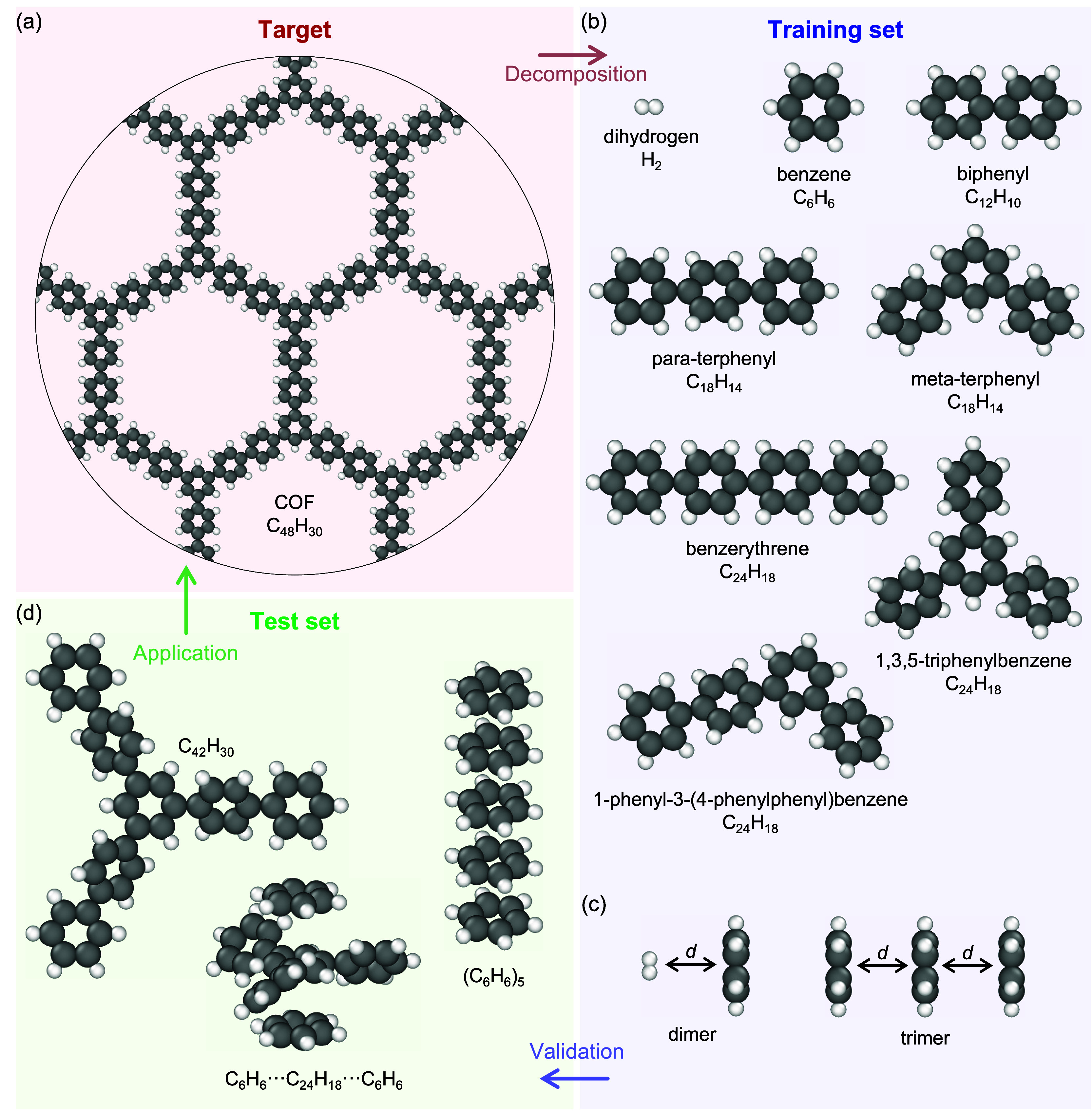 Figure 1
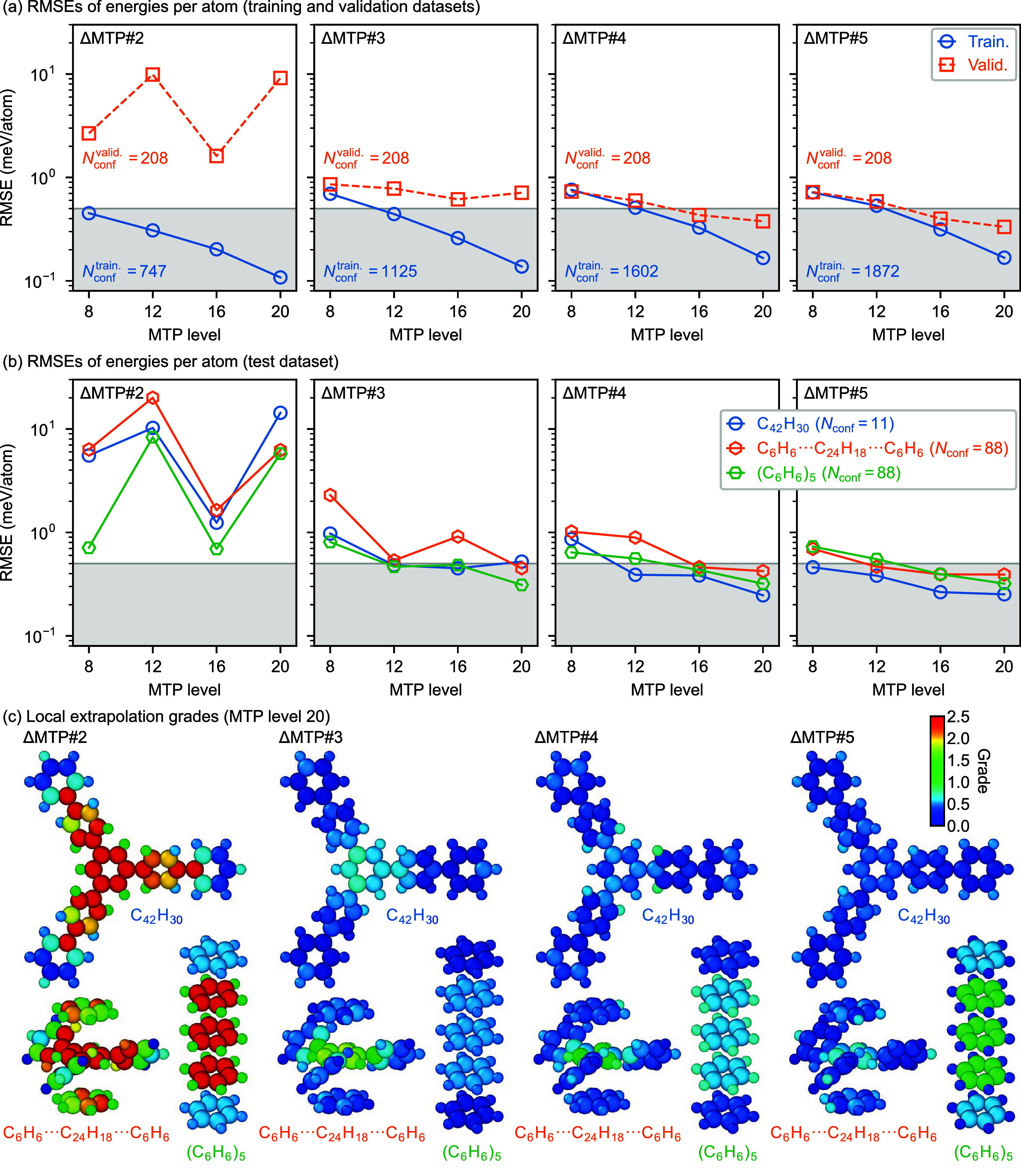 Figure 2
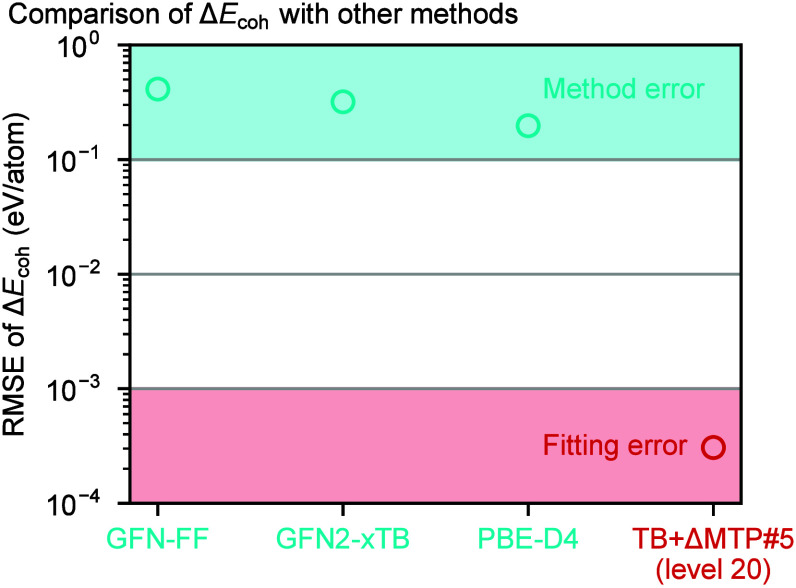 Figure 3
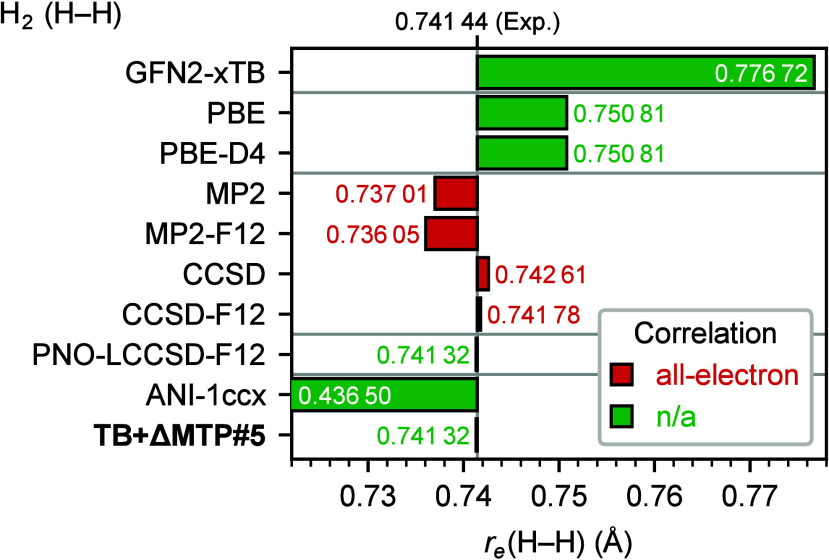 Figure 4
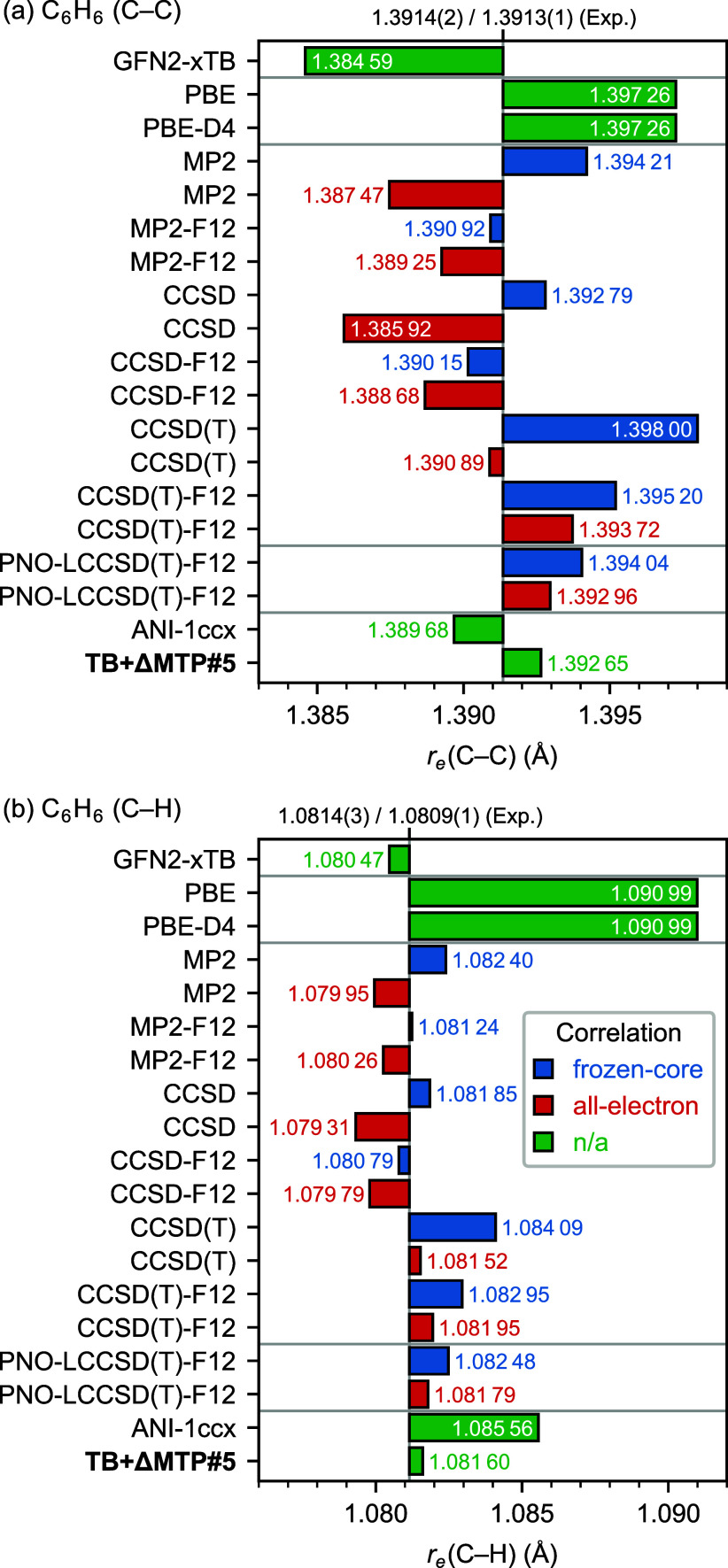 Figure 5
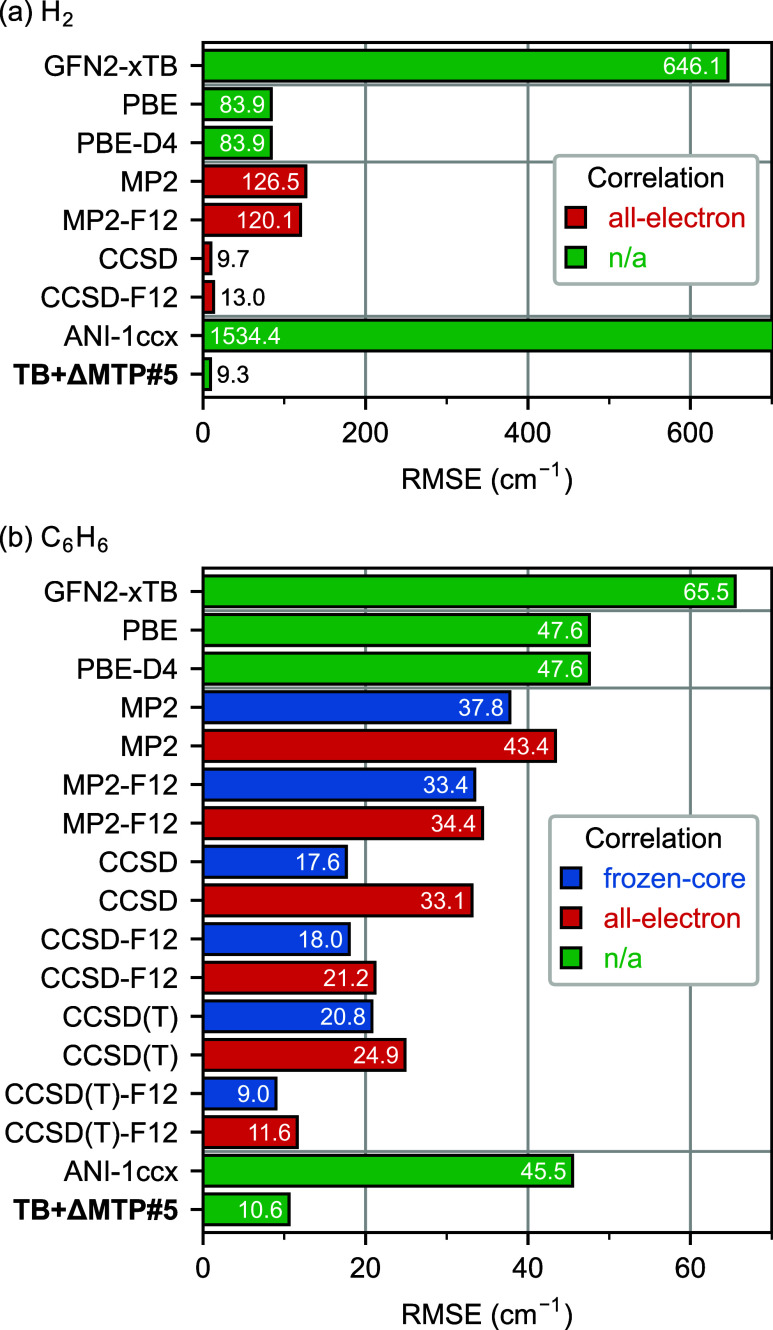 Figure 6
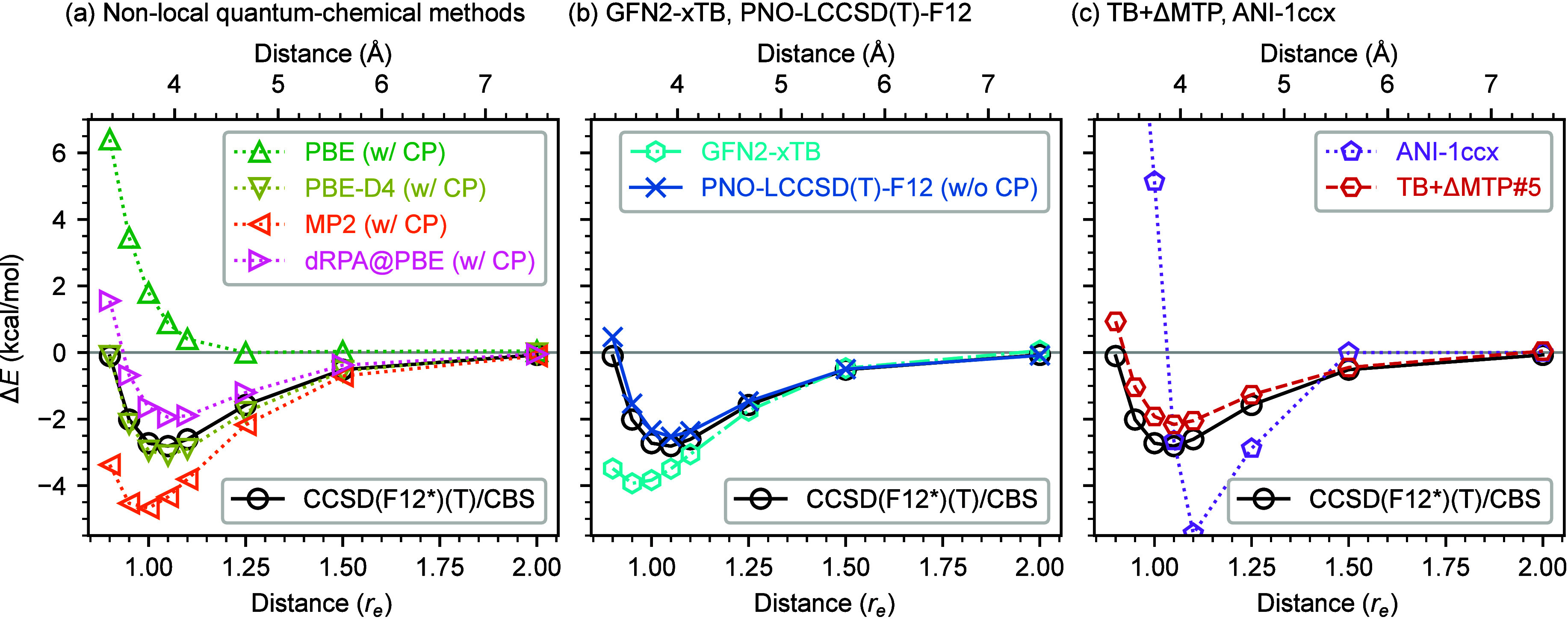 Figure 7
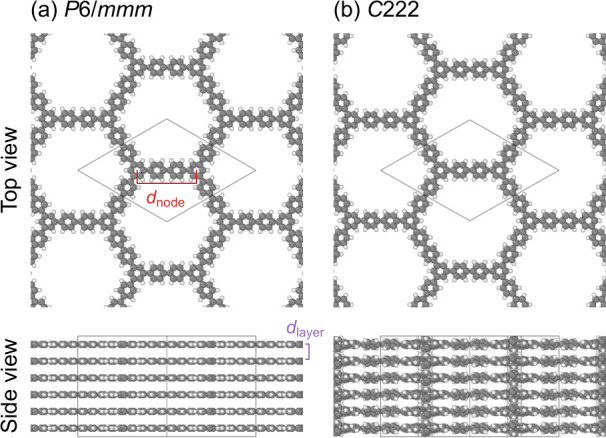 Figure 8
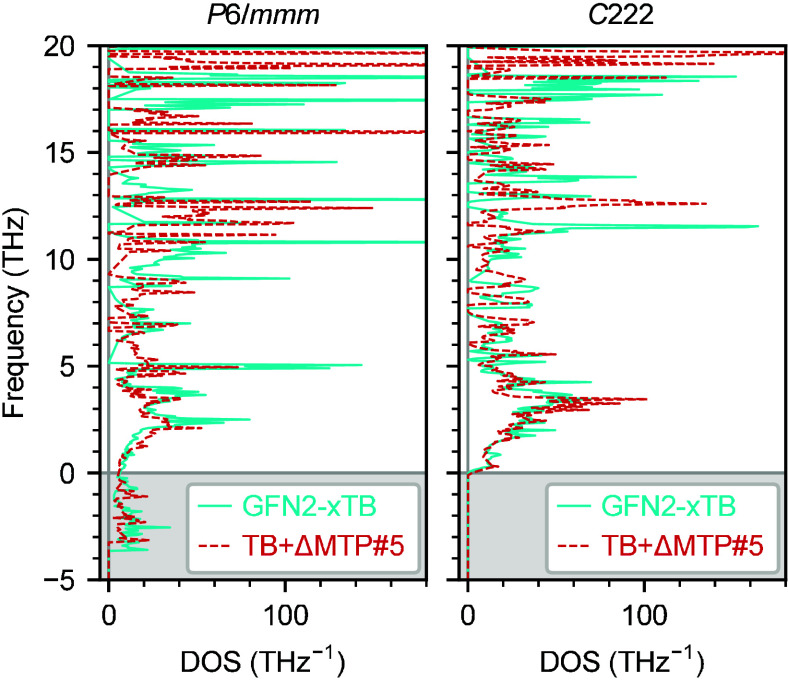 Figure 9
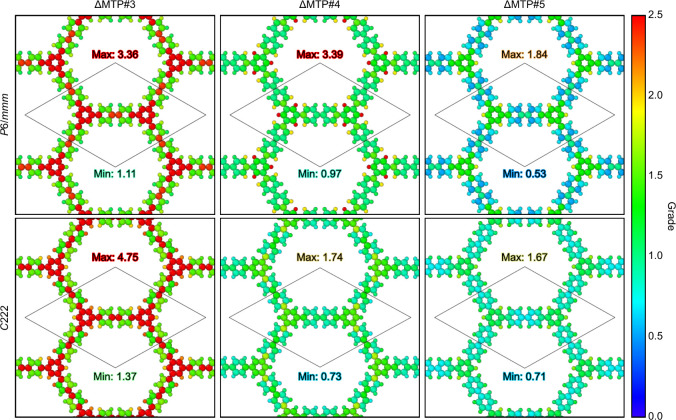 Figure 10
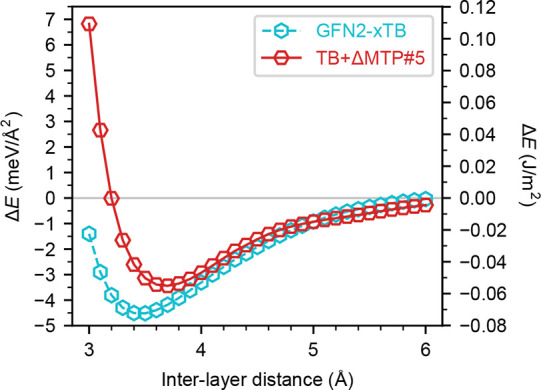 Figure 11
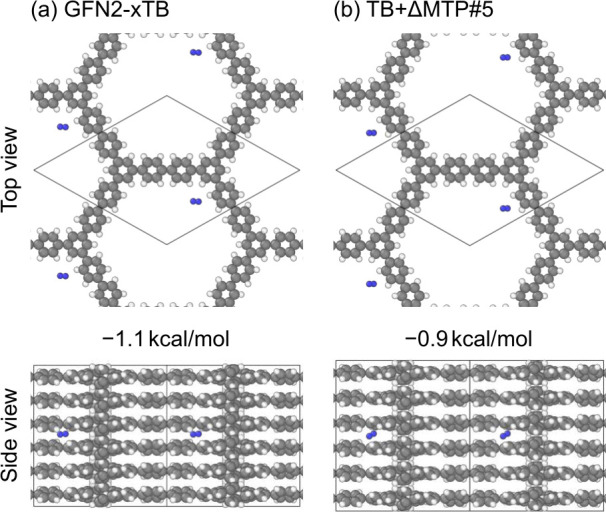 Figure 12
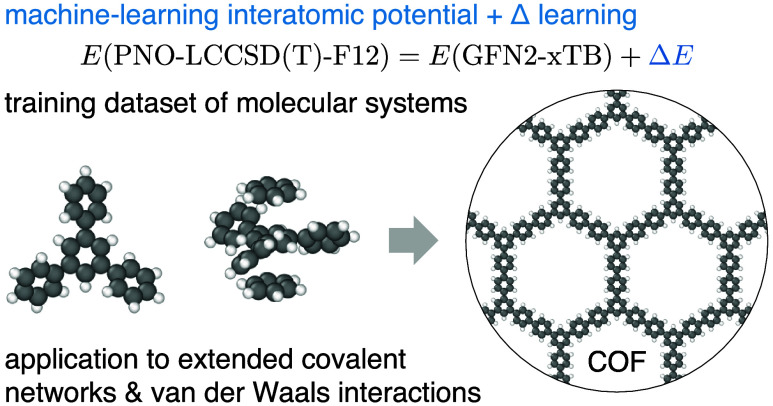 Figure 13
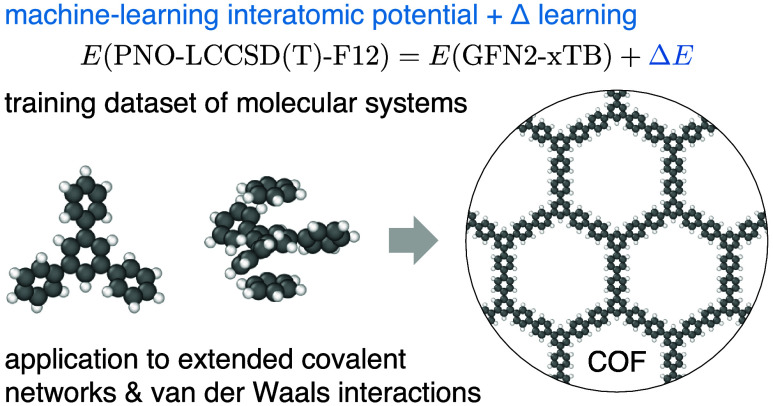 Figure 14
 Figure 15
 Figure 16
 Figure 17
 Figure 18
 Figure 19
 Figure 20
 Figure 21
 Figure 22
 Figure 23
 Figure 24
 Figure 25
 Figure 26
 Figure 27
 Figure 28
 Figure 29
 Figure 30
 Figure 31
 Figure 32
 Figure 33
 Figure 34
 Figure 35
Peer Reviews
No public reviews on file for this paper yet. If you reviewed it on a platform where reviews are public (OpenReview, ICLR, NeurIPS, ICML), you can paste yours below so the community can read it here.
Videos
No videos yet. Explain this paper in a talk, walkthrough, or lecture? Add one.
Taxonomy
TopicsQuantum and electron transport phenomena · Machine Learning in Materials Science · Quantum, superfluid, helium dynamics