Elevated Asporin expression in human atherosclerotic plaques promotes their stability and reduces the risk for cardiovascular events
Panagiotis Fountas, Chrysostomi Gialeli, Nicoline W Thorsen, Dianne Acoba, Jiangming Sun, Luke F Gamon, Annelie Shami, Mihaela Nitulescu, Ana Persson, Eva Bengtsson, Michael J Davies, Andreas Edsfeldt, Claudia Goettsch, Isabel Gonçalves

TL;DR
High levels of Asporin in atherosclerotic plaques make them more stable and reduce the risk of cardiovascular events.
Contribution
ASPN is newly identified as a regulator of vascular calcification and plaque stability in atherosclerosis.
Findings
ASPN levels are higher in asymptomatic plaques and correlate with plaque stability markers.
ASPN overexpression in smooth muscle cells reduces matrix mineralization in vitro.
High ASPN is associated with fewer future cardiovascular events in patients.
Abstract
Vascular atherosclerotic calcification is a pathological process marked by the abnormal deposition of calcium minerals in the intima. Asporin (ASPN) is a small leucine-rich proteoglycan which interacts with collagen and calcium. Due to its role in matrix mineralization, we hypothesized that ASPN might act as a regulator of vascular calcification, thereby promoting atherosclerotic plaque stability. ASPN protein, analysed by ELISA, was quantified in 176 carotid endarterectomy plaques (Carotid Plaque Imaging Project cohort, including 98 patients with cerebrovascular symptoms and 78 asymptomatic patients). Plaque composition was assessed by histological, biochemical, and immunological assays, along with bulk RNA sequencing, to investigate the role of ASPN in atherosclerosis. Patients donating plaques were followed up for post-operative cardiovascular events, median follow-up 6.58 years.…
Genes, proteins, chemicals, diseases, species, mutations and cell lines named across the full text — each resolved to its canonical identifier and authoritative record.
Click any figure to enlarge with its caption.
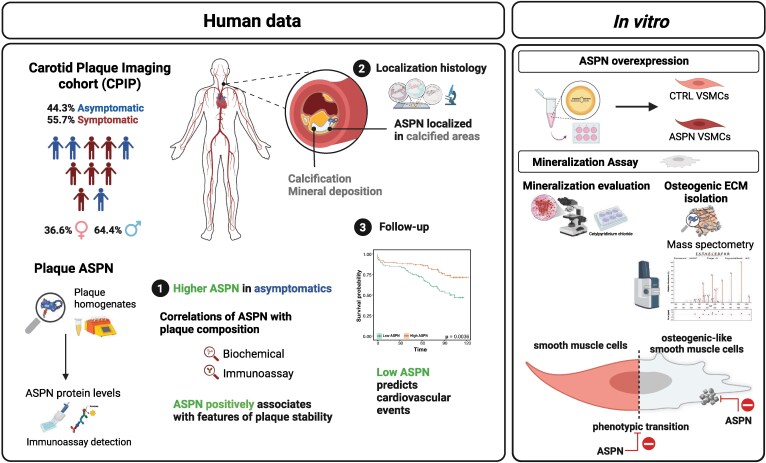 Figure 1
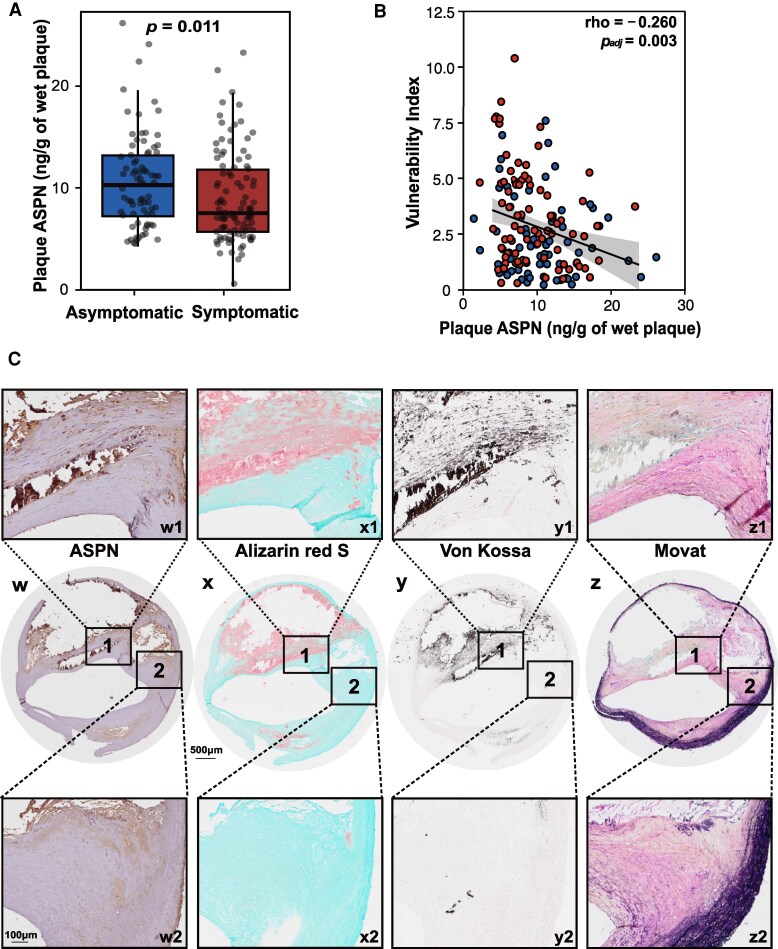 Figure 2
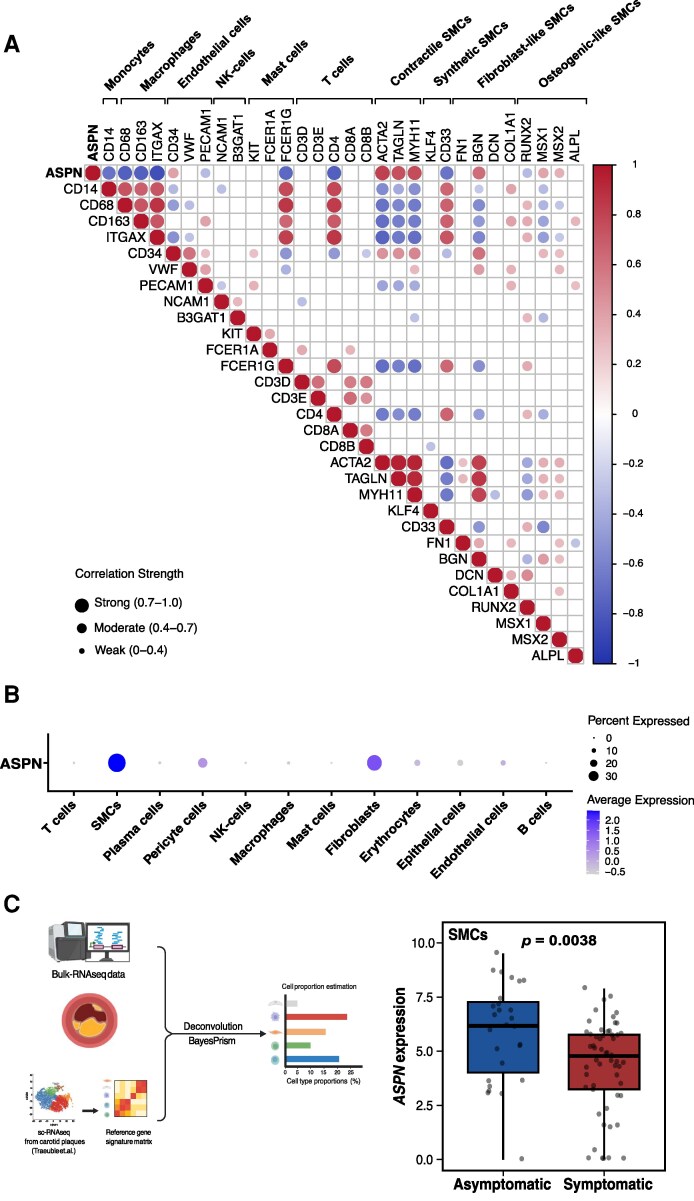 Figure 3
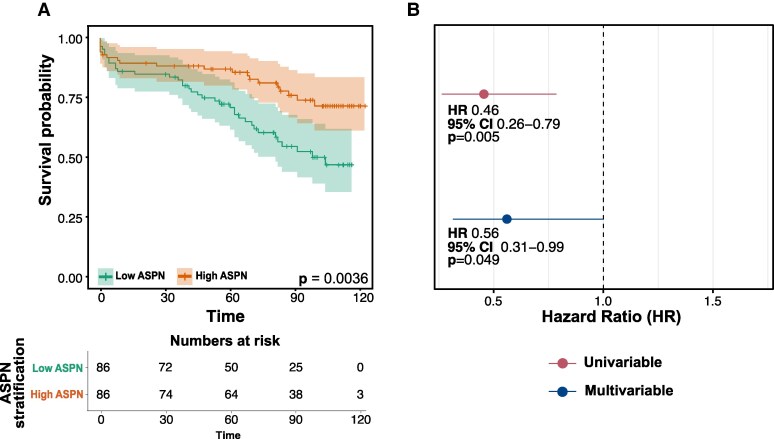 Figure 4
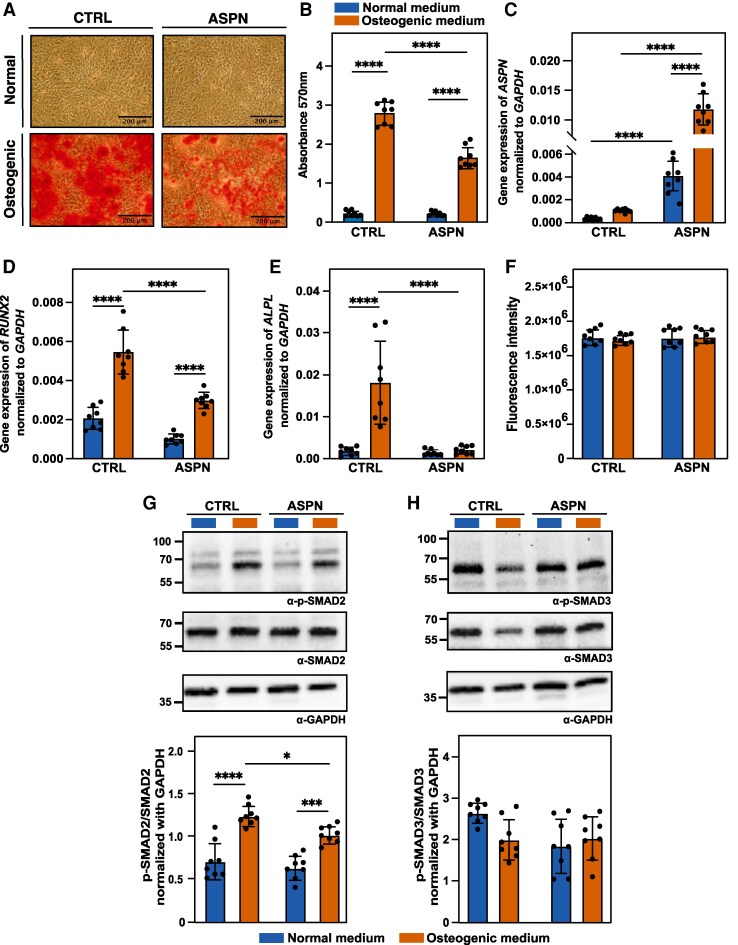 Figure 5
Peer Reviews
No public reviews on file for this paper yet. If you reviewed it on a platform where reviews are public (OpenReview, ICLR, NeurIPS, ICML), you can paste yours below so the community can read it here.
Videos
No videos yet. Explain this paper in a talk, walkthrough, or lecture? Add one.
Taxonomy
TopicsProteoglycans and glycosaminoglycans research · Parathyroid Disorders and Treatments · Glycosylation and Glycoproteins Research