Physical Changes of Biomacromolecules upon Covalent Surface Immobilization
Bianca Mercado Velez, Vaishali Sharma, Seth Kriz, Erico T. F. Freitas, Paul Goetsch, Caryn L. Heldt

TL;DR
This paper studies how different surface chemistries affect the shape of biomacromolecules like exosomes and viruses when they are immobilized for analysis.
Contribution
The study reveals that NHS/EDC chemistry causes more flattening of soft biomacromolecules compared to PLL/GA.
Findings
NHS/EDC immobilization leads to greater flattening of exosomes and enveloped viruses compared to PLL/GA.
Tumor-derived exosomes show more flattening than non-tumor-derived ones due to softer mechanical properties.
Aggregation, not deformation, likely causes low H/D ratios in nonenveloped PPV on NHS/EDC.
Abstract
Immobilization of large biomacromolecules is often required for analytical quantification and physicochemical characterization. However, immobilization can alter the structure and size of the particles being studied. Here, two exosomes (derived from HEK-293 and MDA-MB-231 cells) and three viral particles (Suid herpesvirus 1 (SuHV), xenotropic murine leukemia virus (XmuLV), and porcine parvovirus (PPV)) were immobilized to different covalent chemistries to understand how surface chemistry influences particle deformation during immobilization. The surface chemistries explored were: (i) NHS (N-hydroxysulfosuccinimide) and EDC (1-ethyl-3-(3-(dimethylamino)propyl) carbodiimide hydrochloride), and (ii) poly l-lysine (PLL) and glutaraldehyde (GA). Morphological changes in biomolecules following immobilization were quantified by measuring the height-to-diameter (H/D) ratios attained from…
Genes, proteins, chemicals, diseases, species, mutations and cell lines named across the full text — each resolved to its canonical identifier and authoritative record.
Click any figure to enlarge with its caption.
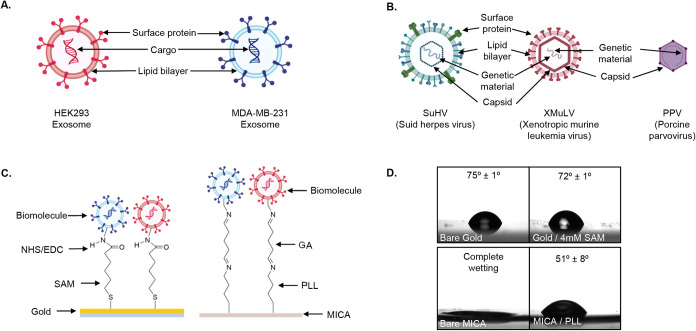 Figure 1
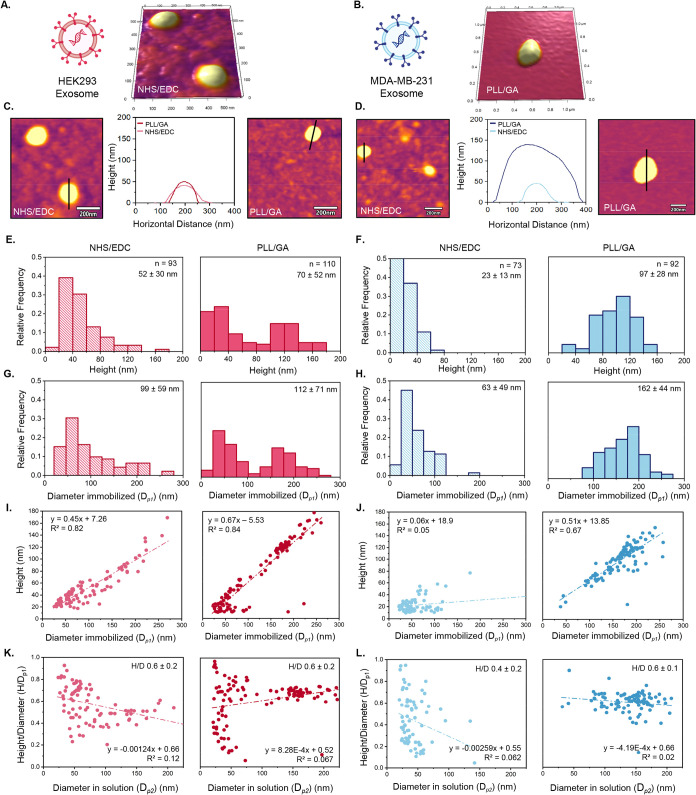 Figure 2
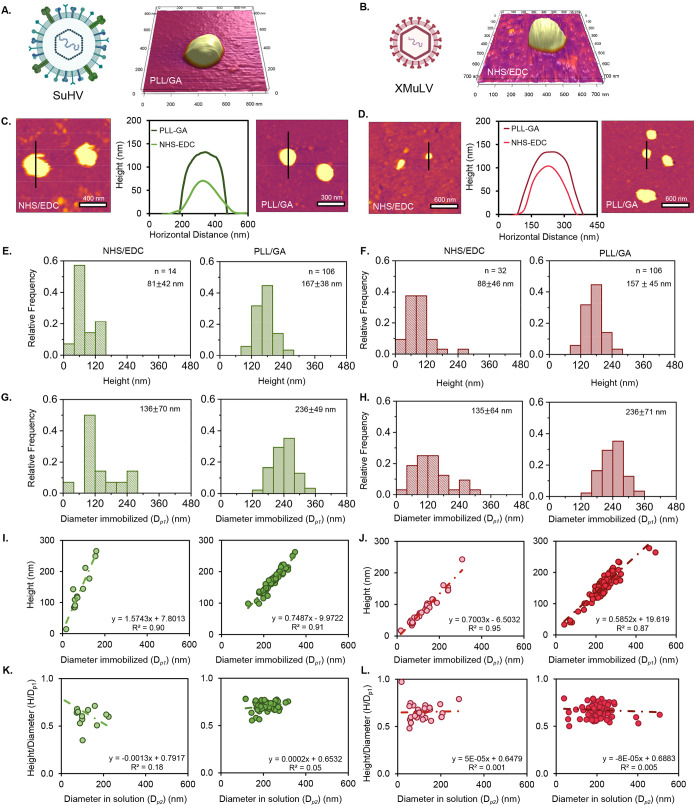 Figure 3
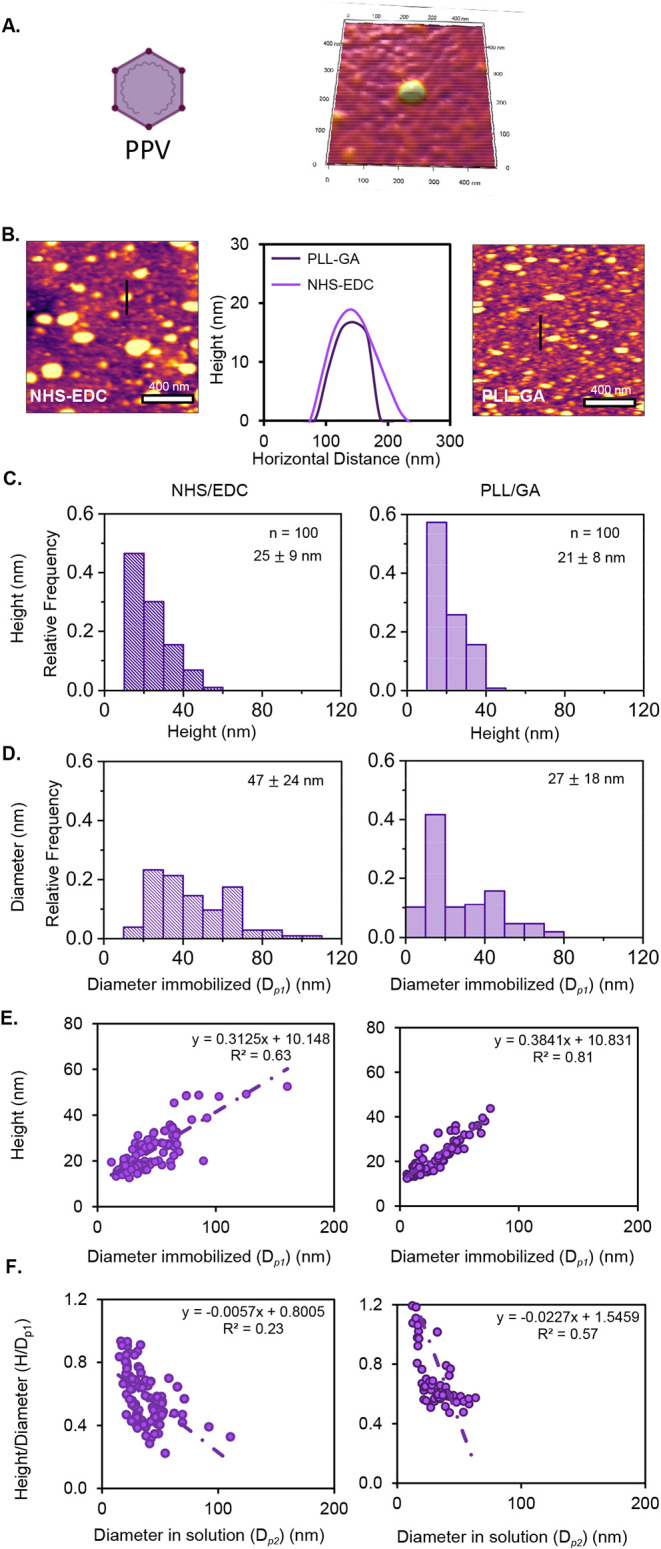 Figure 4
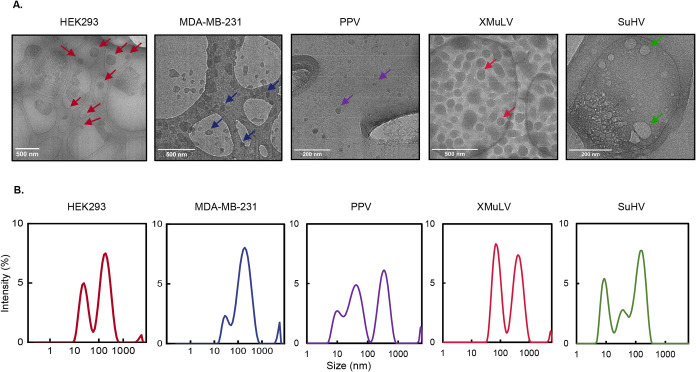 Figure 5
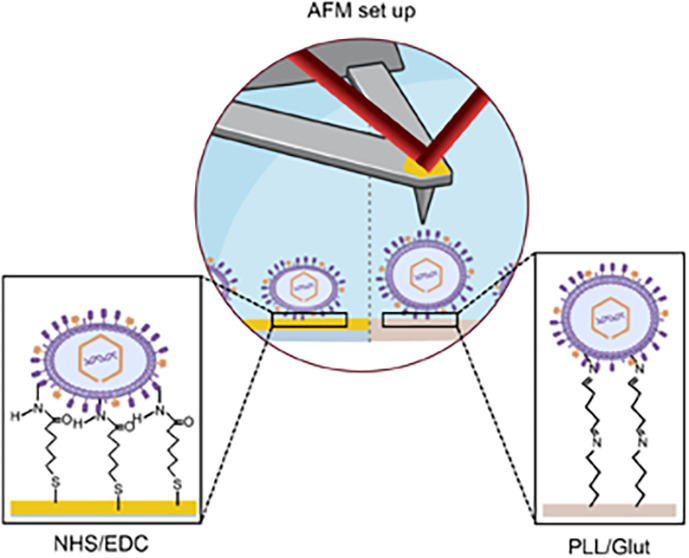 Figure 6
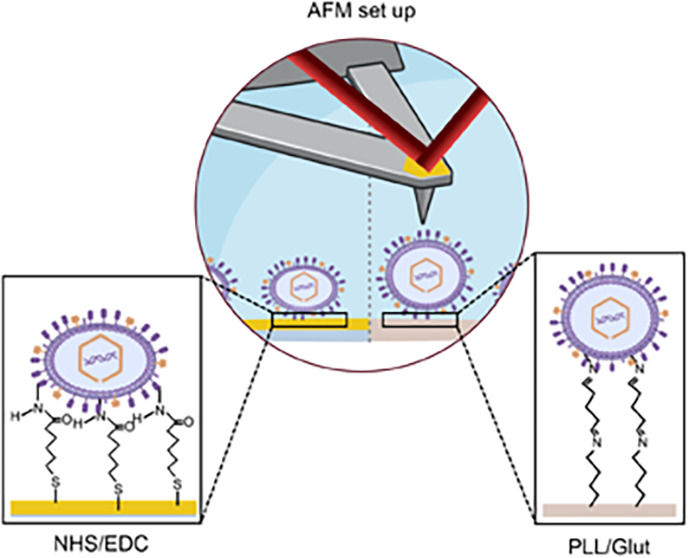 Figure 7
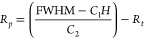 Figure 8
 Figure 9
 Figure 10
 Figure 11
 Figure 12
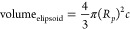 Figure 13
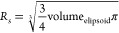 Figure 14
 Figure 15
Peer Reviews
No public reviews on file for this paper yet. If you reviewed it on a platform where reviews are public (OpenReview, ICLR, NeurIPS, ICML), you can paste yours below so the community can read it here.
Videos
No videos yet. Explain this paper in a talk, walkthrough, or lecture? Add one.
Taxonomy
TopicsExtracellular vesicles in disease · Force Microscopy Techniques and Applications · Lipid Membrane Structure and Behavior