Leaky by Design: Unlocking Polymersome Permeability Using Moderately Hydrophobic Polymer Blocks
Wencui Zhang, Anabella P. Rosso, Yang Yu, Fernando Augusto de Oliveira, Martina Vragovic, Cécile Huin, Philippe Guégan, Guillaume Tresset, Fernando Carlos Giacomelli

TL;DR
This paper shows that certain polymer vesicles can naturally allow small molecules to pass through, making them useful for enzyme reactions without added components.
Contribution
The study introduces polymersomes with inherent permeability due to moderately hydrophobic polymer blocks, eliminating the need for artificial transport systems.
Findings
Polymer vesicles with poly(butylene oxide) show intrinsic permeability to small molecules.
Enzymes like horseradish peroxidase can be encapsulated and remain functional within the vesicles.
The vesicles allow passage of enzyme substrates and products, enabling catalytic reactions.
Abstract
Polymersome nanoreactors, vesicular assemblies formed from amphiphilic block copolymers, provide a versatile platform for compartmentalized catalysis and the construction of biomimetic systems. While extensive efforts have focused on the encapsulation of enzymes within such constructs, reports of vesicles displaying intrinsic membrane permeability remain unusual. Typically, selective transport across polymersome membranes requires the incorporation of channel proteins or other porogenic components. Conversely, we herein demonstrate that polymer vesicles comprising poly(butylene oxide) as the hydrophobic segment exhibit inherent permeability to small molecules without the need for artificial machineries, possibly governed by moderate hydrophobicity of this polymer and consequently hydration of the membrane. Synthesis and detailed characterization of diblock and triblock copolymers…
Genes, proteins, chemicals, diseases, species, mutations and cell lines named across the full text — each resolved to its canonical identifier and authoritative record.
Click any figure to enlarge with its caption.
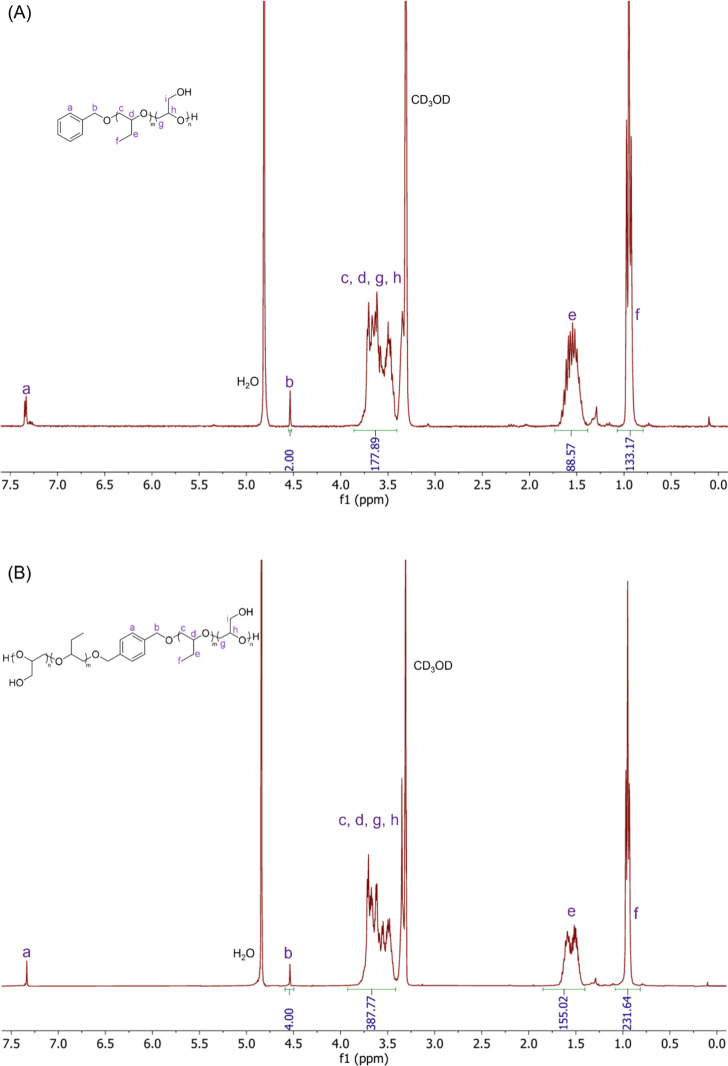 Figure 1
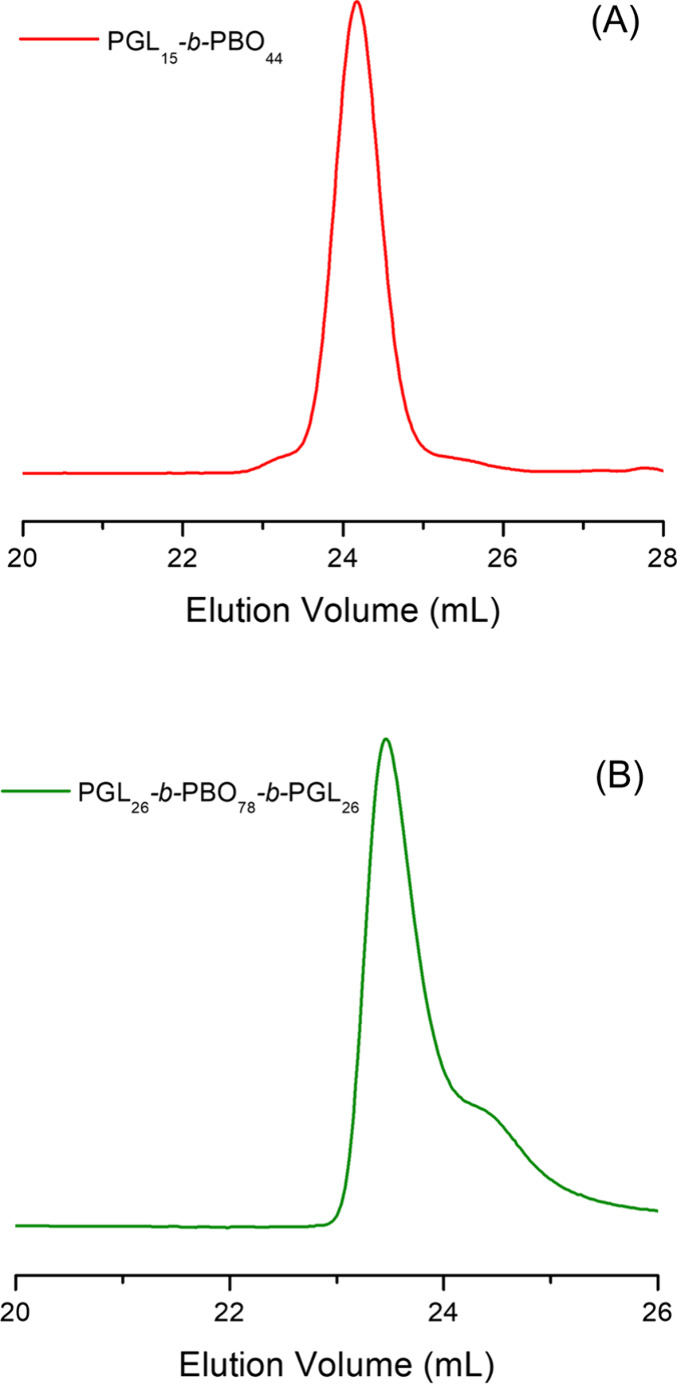 Figure 2
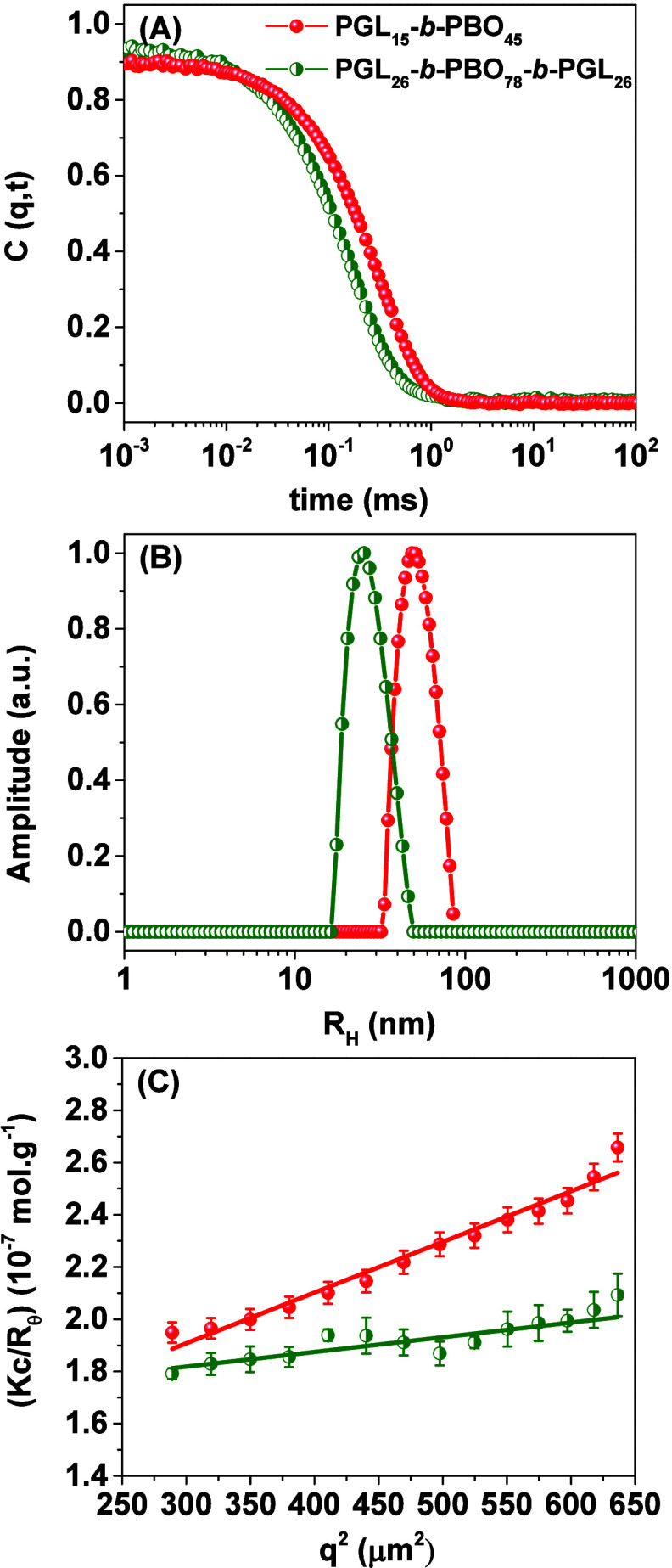 Figure 3
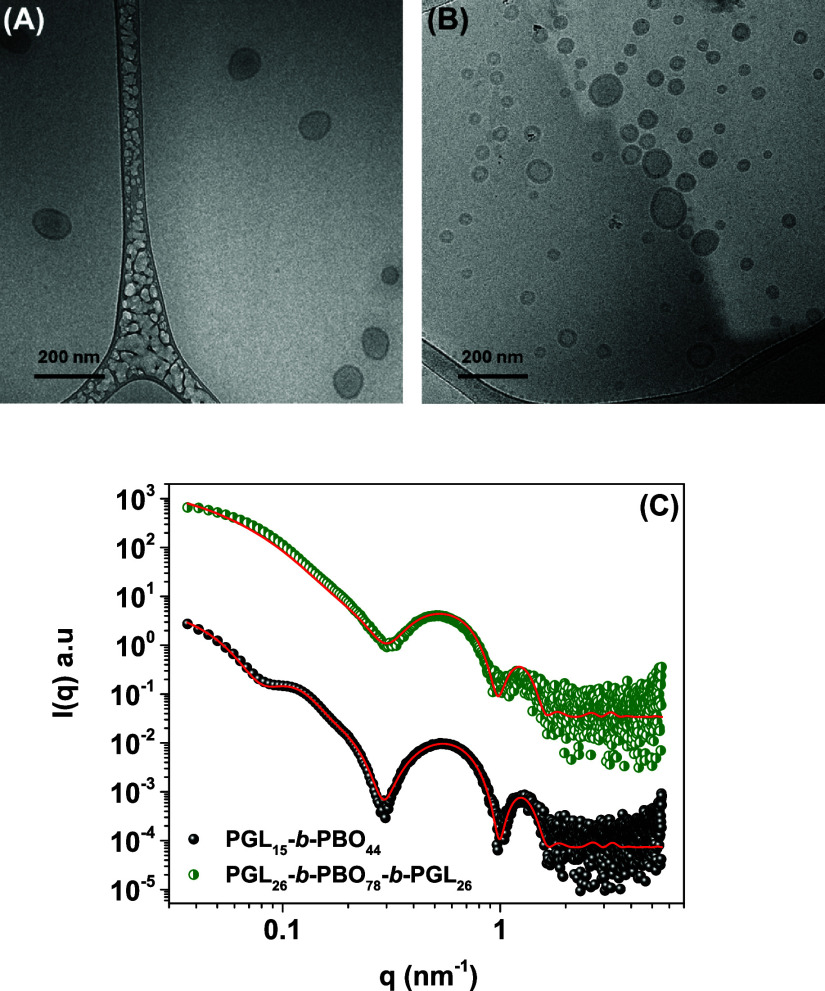 Figure 4
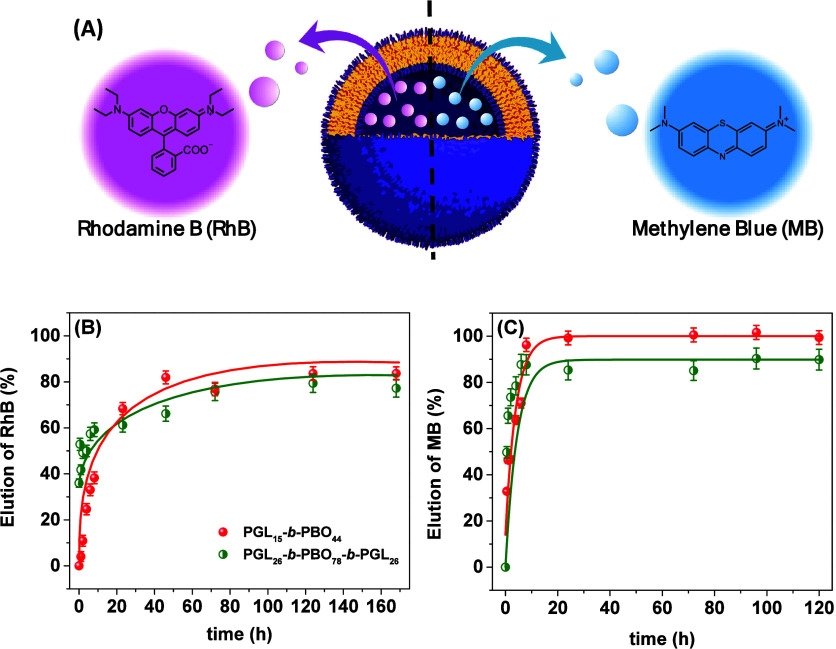 Figure 5
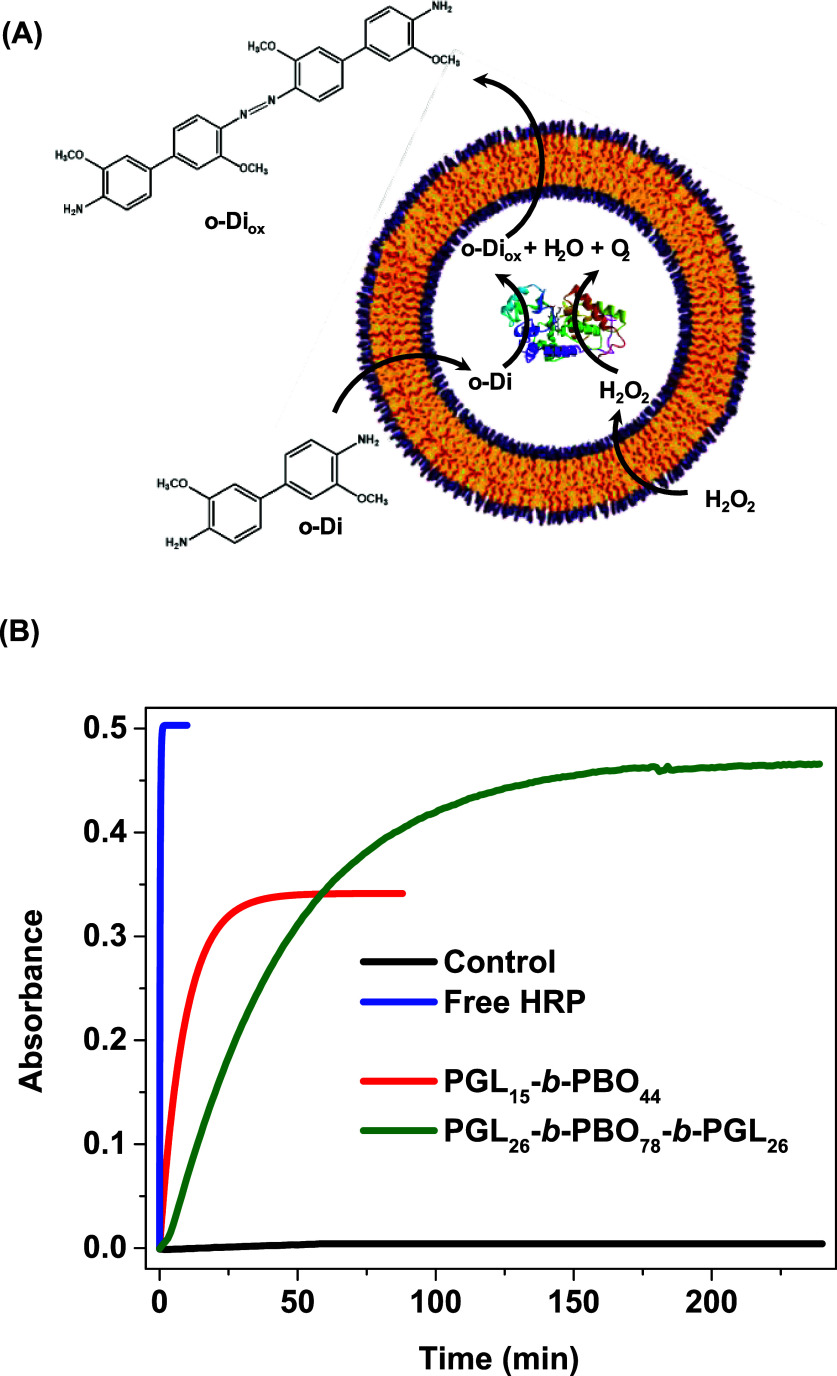 Figure 6
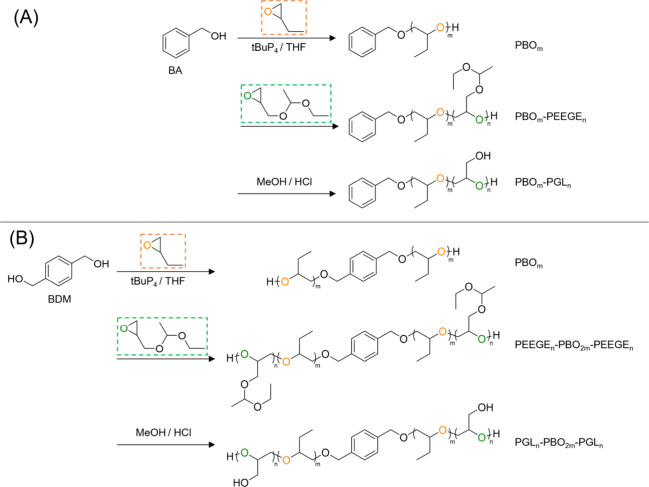 Figure 7
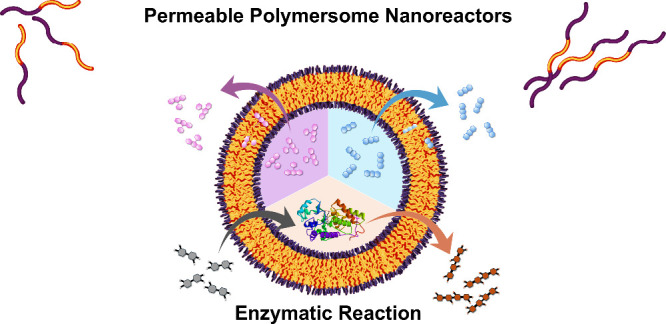 Figure 8
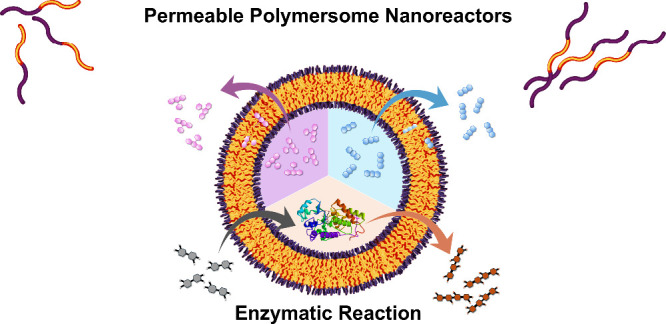 Figure 9
 Figure 10
 Figure 11
 Figure 12
 Figure 13
 Figure 14
 Figure 15
 Figure 16
 Figure 17
Peer Reviews
No public reviews on file for this paper yet. If you reviewed it on a platform where reviews are public (OpenReview, ICLR, NeurIPS, ICML), you can paste yours below so the community can read it here.
Videos
No videos yet. Explain this paper in a talk, walkthrough, or lecture? Add one.
Taxonomy
TopicsAdvanced Polymer Synthesis and Characterization · Supramolecular Self-Assembly in Materials · Dendrimers and Hyperbranched Polymers