Adsorption of Surfactants and Polymers to Biomimetic Hair Model Surfaces
Serena Cozzolino, Philipp Gutfreund, Inger Odnevall, Raam Ibrahim, Alexei Vorobiev, Rebecca J. L. Welbourn, Francesca Zuttion, Andrew Greaves, Gustavo S. Luengo, Mark W. Rutland

TL;DR
This study explores how eco-friendly ingredients in shampoos interact with different hair surfaces using advanced techniques to improve product sustainability and performance.
Contribution
The novelty lies in using neutron reflectometry and AFM to study adsorption on biomimetic hair surfaces with varying damage levels.
Findings
The methyl branch of 18-MEA influences surface interactions with adsorbates.
Polymer adsorption is enhanced in surfactant/polyelectrolyte mixtures.
Partially damaged hair surfaces show distinct adsorption behaviors on hydrophobic and hydrophilic patches.
Abstract
Improving the sustainability of cosmetic products while maintaining a good performance requires a deeper understanding on the way that new eco-respectful ingredients interact with hair or skin. In the case of shampoos, the surface science is dominated by the diverse changes on the hair fiber due to both chemical and physical damages that particularly affect physicochemical properties such as hydrophobicity. A native, undamaged fiber is covered with a monolayer of lipids, mainly 18-methyleicosanoic acid (18-MEA), while a highly damaged hair surface, having completely lost the protective lipids, is hydrophilic and negatively charged. Intermediate states exist, where there is a partial loss of 18-MEA (“partially damaged hair”). Here, four model surfaces have been produced, to mimic different types of hair surfaces. Their interaction with selected surfactants and polyelectrolytes (natural…
Genes, proteins, chemicals, diseases, species, mutations and cell lines named across the full text — each resolved to its canonical identifier and authoritative record.
Click any figure to enlarge with its caption.
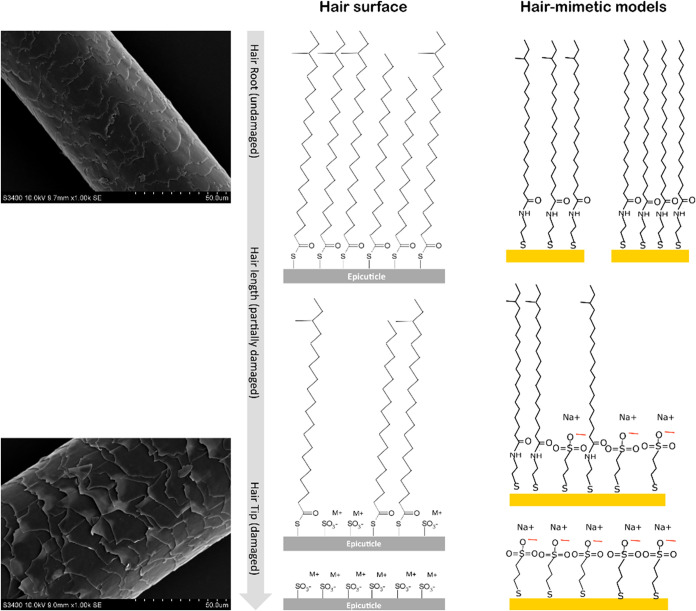 Figure 1
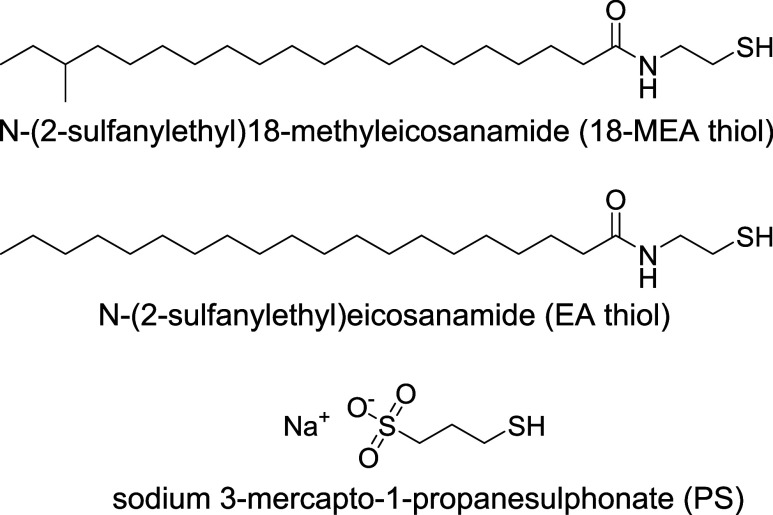 Figure 2
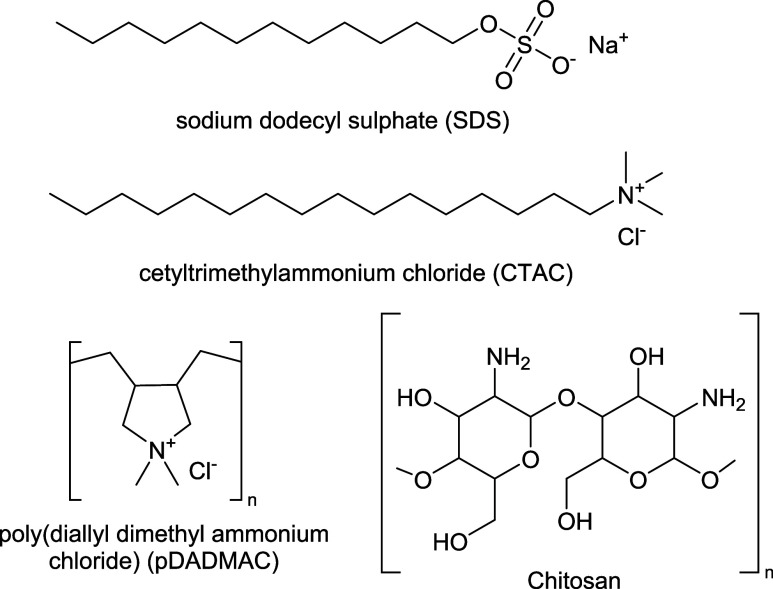 Figure 3
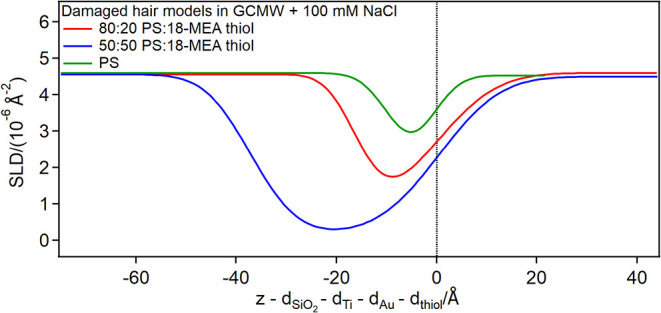 Figure 4
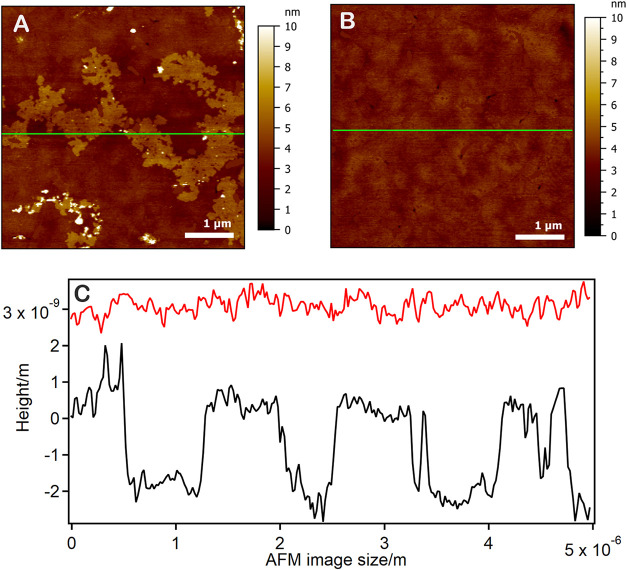 Figure 5
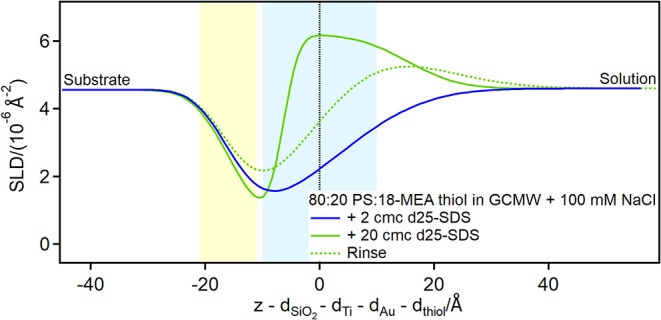 Figure 6
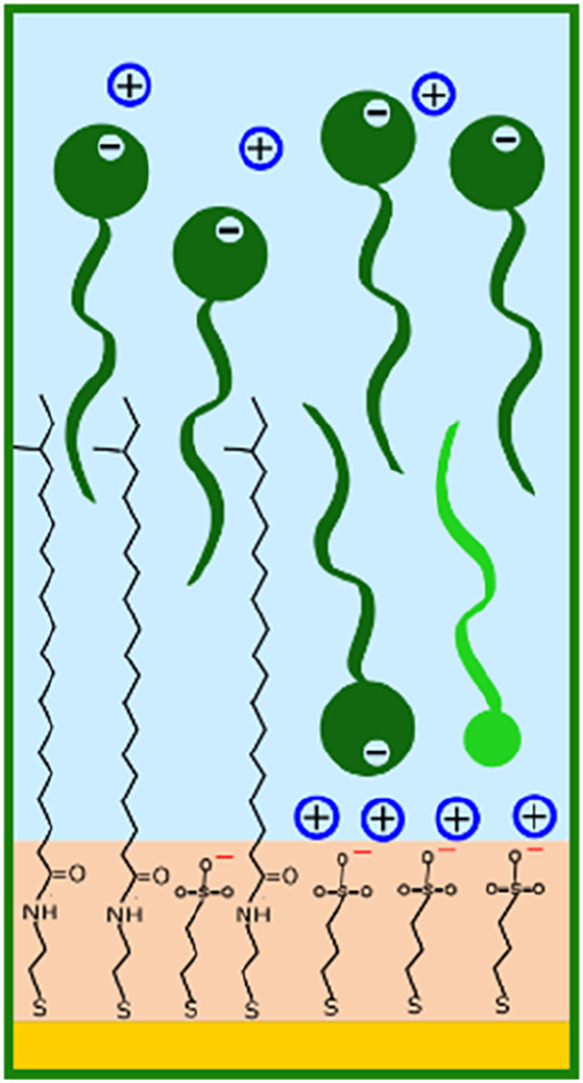 Figure 7
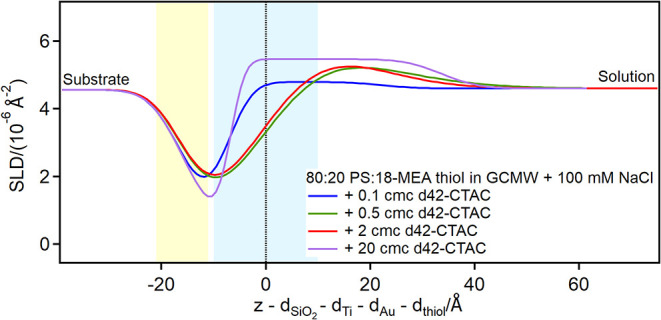 Figure 8
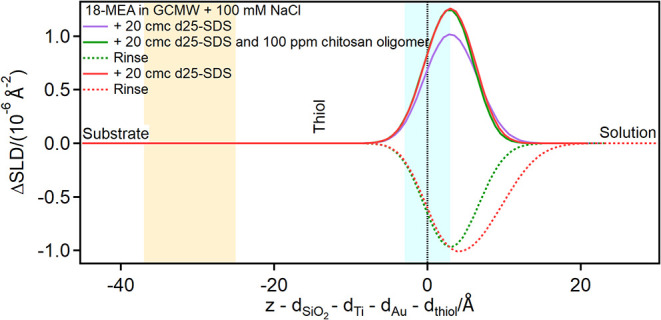 Figure 9
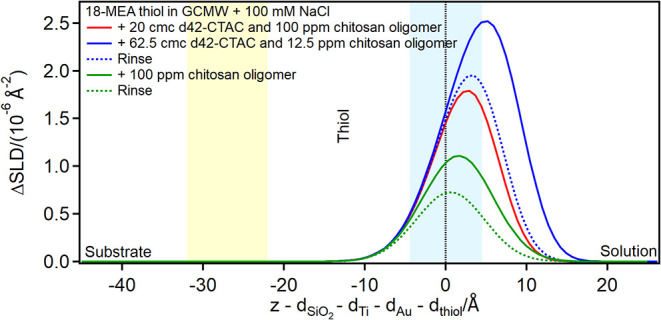 Figure 10
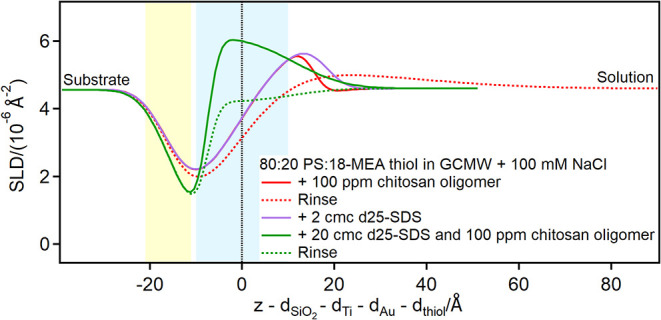 Figure 11
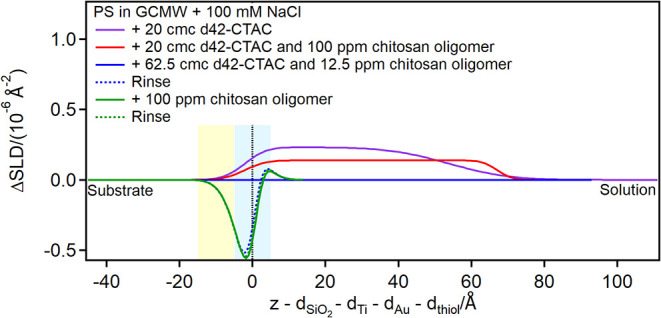 Figure 12
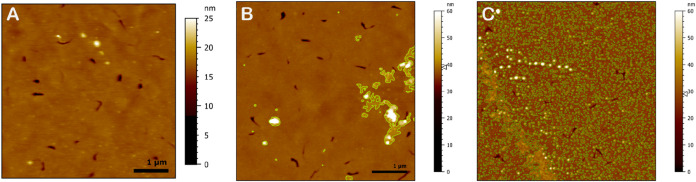 Figure 13
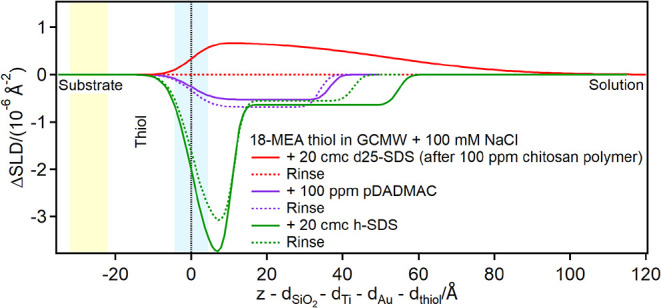 Figure 14
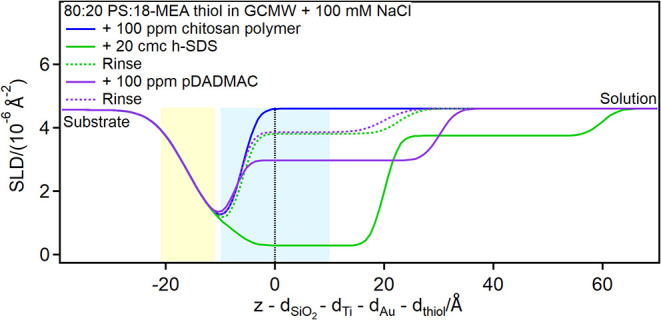 Figure 15
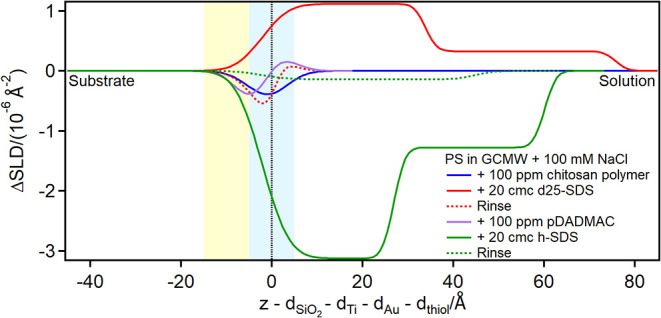 Figure 16
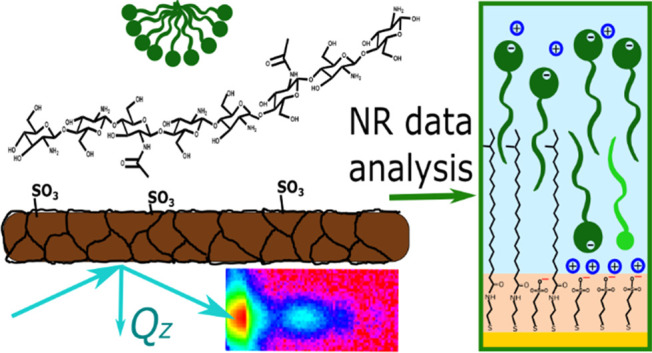 Figure 17
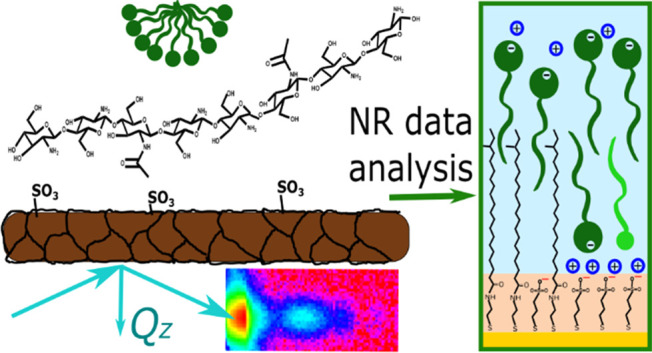 Figure 18
Peer Reviews
No public reviews on file for this paper yet. If you reviewed it on a platform where reviews are public (OpenReview, ICLR, NeurIPS, ICML), you can paste yours below so the community can read it here.
Videos
No videos yet. Explain this paper in a talk, walkthrough, or lecture? Add one.
Taxonomy
TopicsDyeing and Modifying Textile Fibers · Advancements in Transdermal Drug Delivery · Surfactants and Colloidal Systems