Negative cooperativity in the formation of two H-bonds with an oxygen H-bond acceptor
Maria Cristina Misuraca, Christopher A. Hunter

TL;DR
This study shows that when a phosphoryl oxygen forms two hydrogen bonds, the second bond is weaker due to repulsion between the two donors.
Contribution
The paper reveals negative cooperativity in hydrogen bonding involving a phosphoryl oxygen and two donors.
Findings
Electron-withdrawing substituents strengthen the intramolecular H-bond but weaken the intermolecular H-bond.
A linear relationship exists between H-bond acceptor and donor parameters, with a negative cooperativity parameter (κ = −0.82).
Negative cooperativity is attributed to electrostatic repulsion between the two H-bond donors.
Abstract
Cooperative effects in H-bond networks can be quantified by measuring the effect of an intramolecular H-bond on the association constant for formation of a second intermolecular H-bond with the same functional group. This approach has been used to quantify the cooperativity associated with the interaction of a phosphoryl oxygen with two H-bond donors. A series of compounds that have an intramolecular H-bond between a phosphinamide oxygen and a phenol hydroxyl group were prepared, using substituents on the phenol to vary the strength of the intramolecular H-bond. The presence of the intramolecular interaction was confirmed by NMR spectroscopy in n-octane solution, and titrations were used to measure the association constants for formation of an intermolecular H-bond with perfluoro-t-butanol in n-octane. Electron-withdrawing substituents on the phenol, which increase the strength of the…
Genes, proteins, chemicals, diseases, species, mutations and cell lines named across the full text — each resolved to its canonical identifier and authoritative record.
Click any figure to enlarge with its caption.
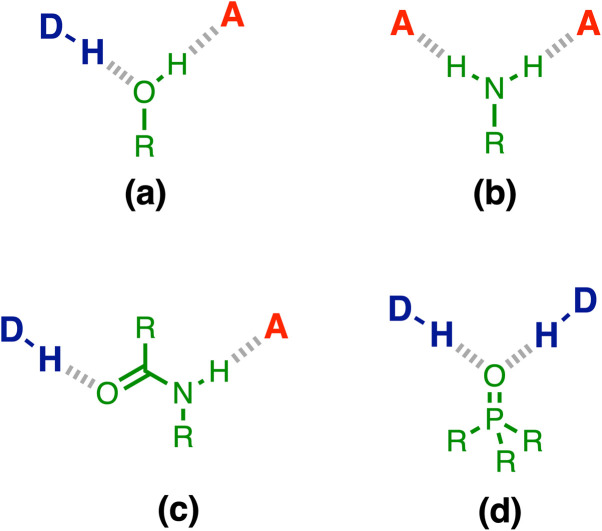 Figure 1
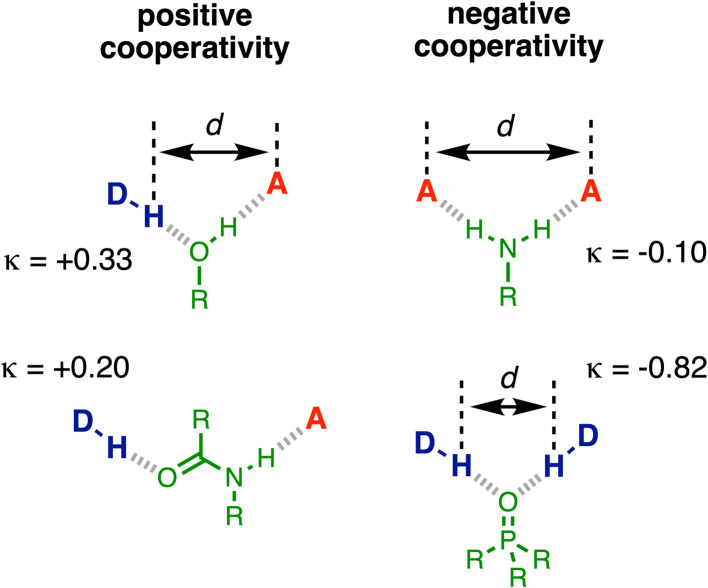 Figure 2
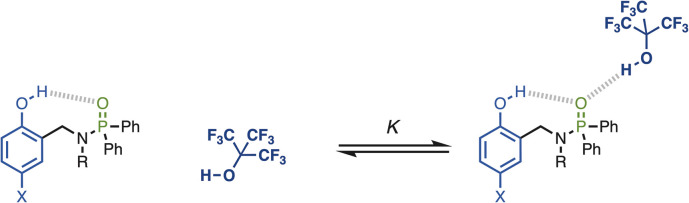 Figure 3
 Figure 4
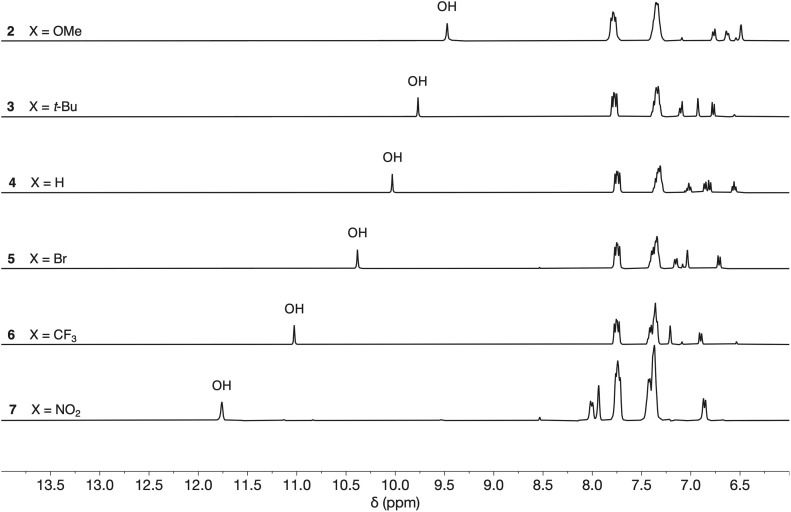 Figure 5
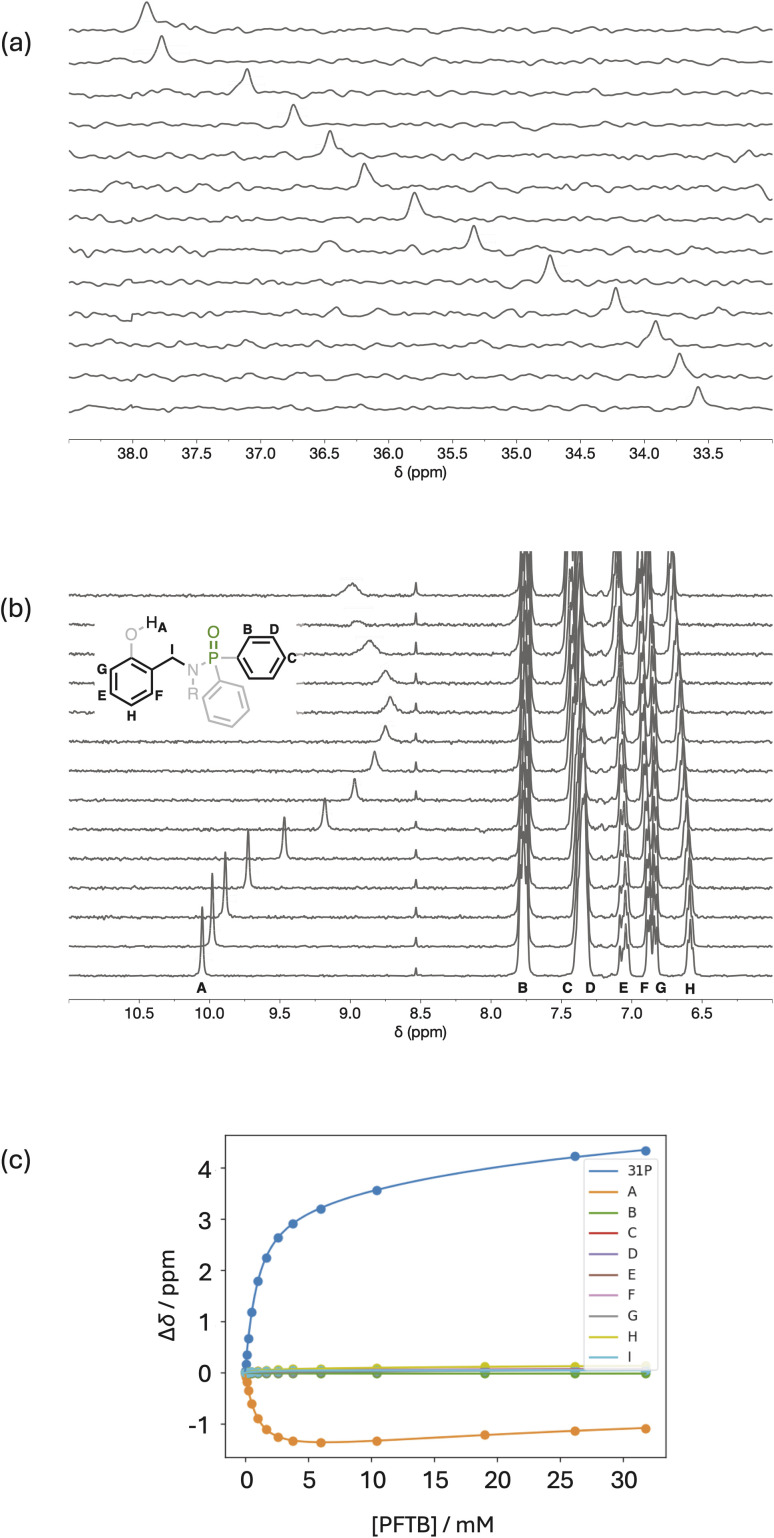 Figure 6
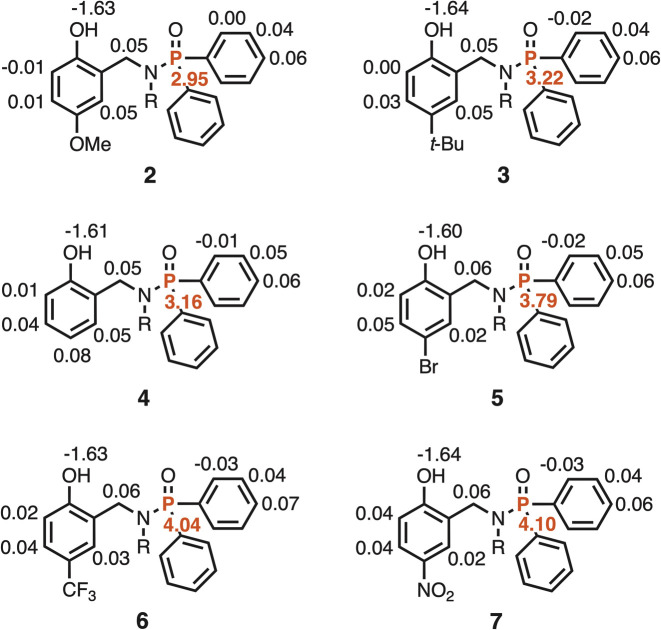 Figure 7
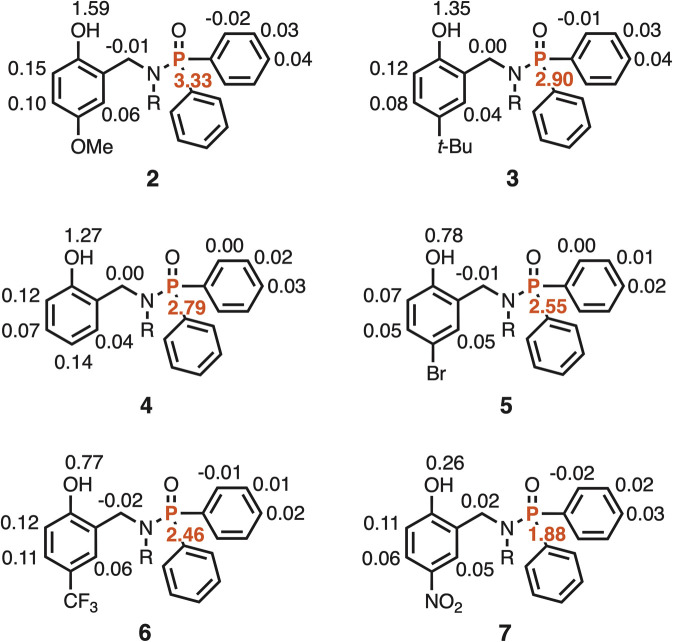 Figure 8
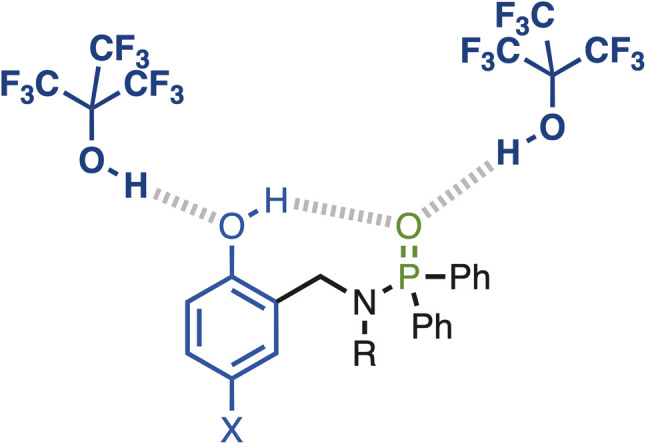 Figure 9
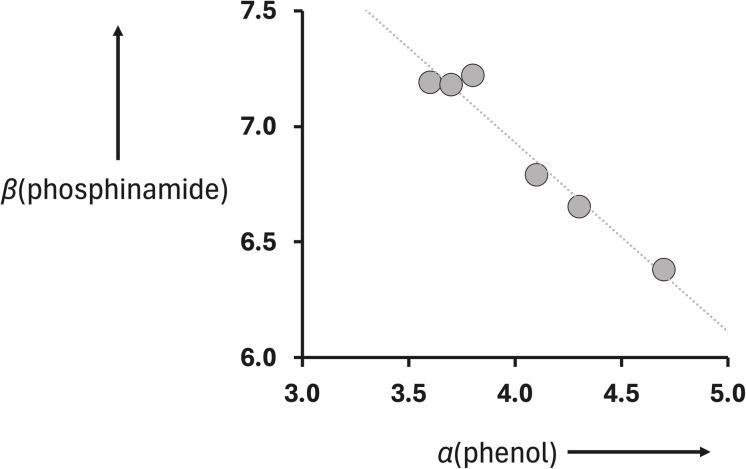 Figure 10
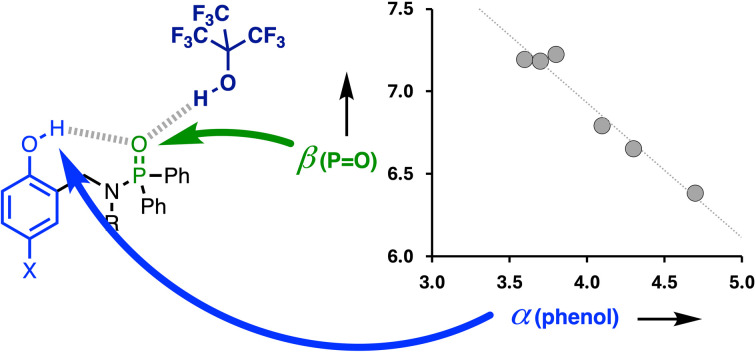 Figure 11
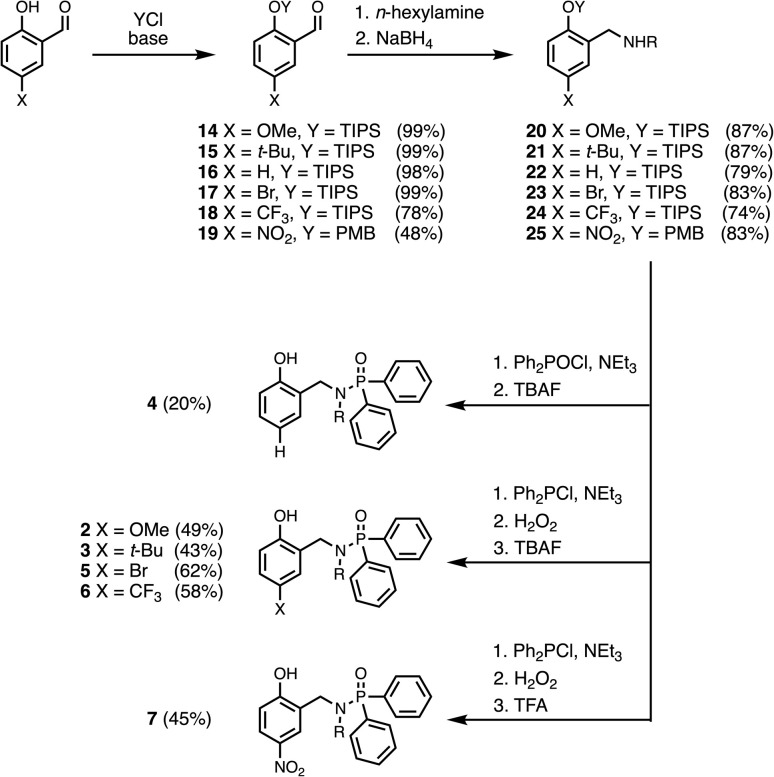 Figure 12
Peer Reviews
No public reviews on file for this paper yet. If you reviewed it on a platform where reviews are public (OpenReview, ICLR, NeurIPS, ICML), you can paste yours below so the community can read it here.
Videos
No videos yet. Explain this paper in a talk, walkthrough, or lecture? Add one.
Taxonomy
TopicsCrystallography and molecular interactions · Supramolecular Chemistry and Complexes · Supramolecular Self-Assembly in Materials