Molecular Resonance Identification in Complex Absorbing Potentials via Integrated Quantum Computing and High-Throughput Computing
Jingcheng Dai, Atharva Vidwans, Eric H. Wan, Alexander X. Miller, Micheline B. Soley

TL;DR
A new hybrid quantum-classical method called qDRIVE is introduced to identify molecular resonances efficiently using quantum computing and high-throughput computing.
Contribution
The novel qDRIVE algorithm combines quantum computing with classical high-throughput computing to identify molecular resonances.
Findings
qDRIVE successfully identifies resonance energies and wave functions in simulated quantum processors.
The method leverages complex absorbing potential formalism and hybrid quantum-classical tasks.
The approach minimizes wall time by executing tasks asynchronously and in parallel.
Abstract
Recent advancements in quantum algorithms have reached a state where we can consider how to capitalize on quantum and classical computational resources to accelerate molecular resonance state identification. Here, we identify molecular resonances with a method that combines quantum computing with classical high-throughput computing (HTC). This algorithm, which we term qDRIVE (the quantum deflation resonance identification variational eigensolver), exploits the complex absorbing potential formalism to distill the problem of molecular resonance identification into a network of hybrid quantum-classical variational quantum eigensolver tasks and harnesses HTC resources to execute these interconnected but independent tasks both asynchronously and in parallel, a strategy that minimizes wall time to completion. We show qDRIVE successfully identifies resonance energies and wave functions in…
Genes, proteins, chemicals, diseases, species, mutations and cell lines named across the full text — each resolved to its canonical identifier and authoritative record.
Click any figure to enlarge with its caption.
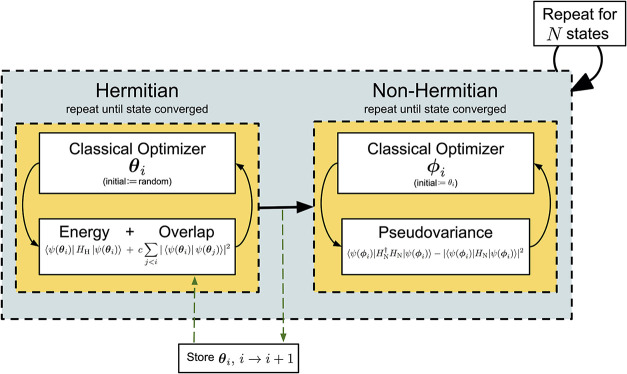 Figure 1
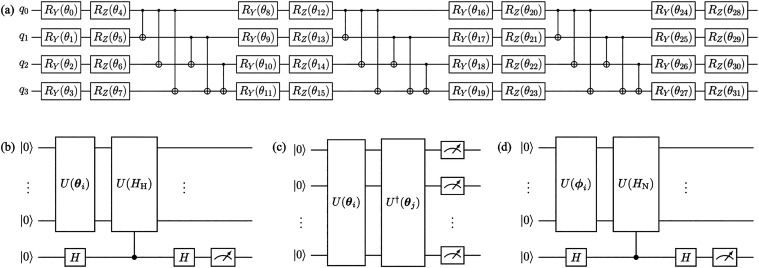 Figure 2
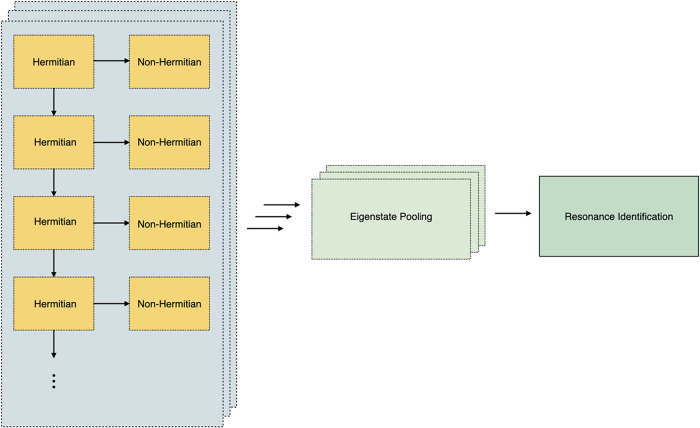 Figure 3
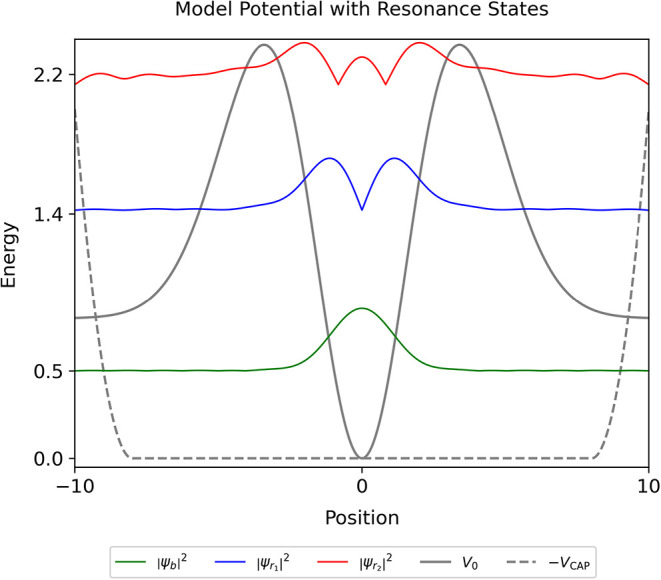 Figure 4
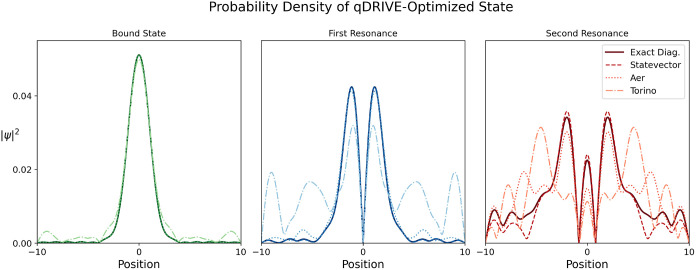 Figure 5
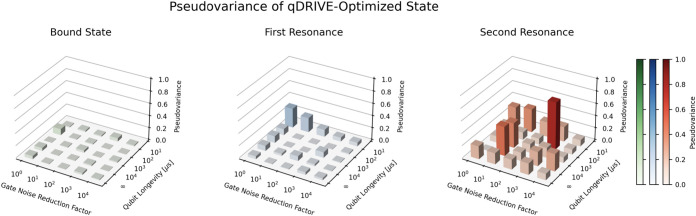 Figure 6
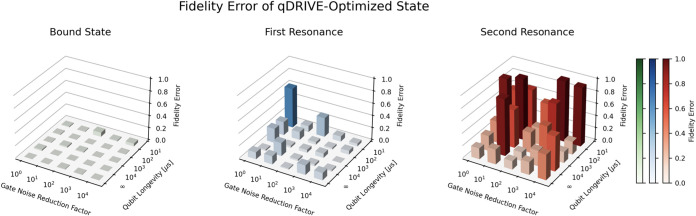 Figure 7
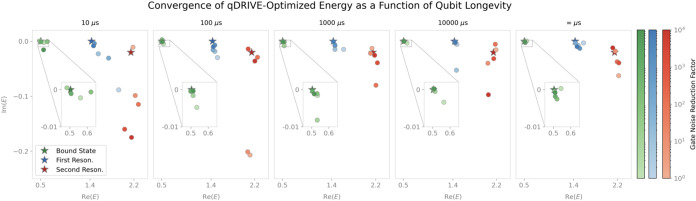 Figure 8
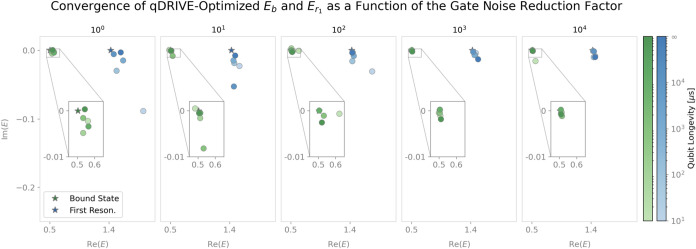 Figure 9
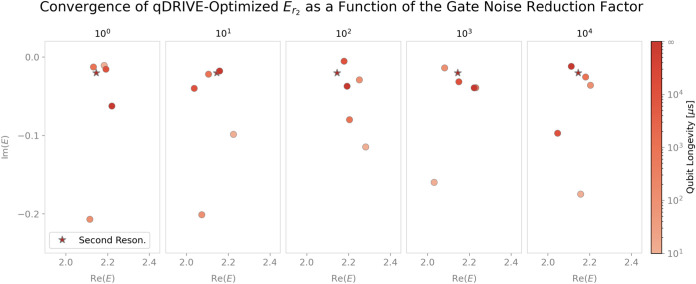 Figure 10
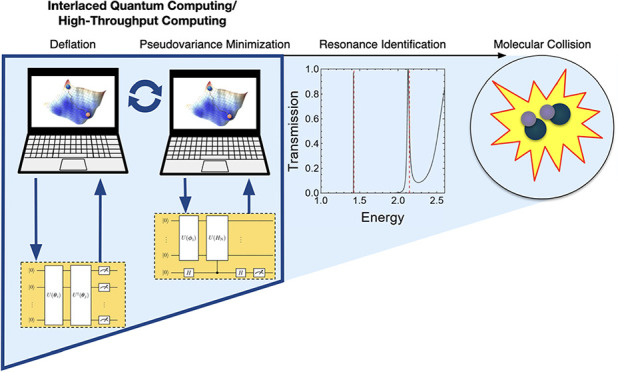 Figure 11
 Figure 12
 Figure 13
 Figure 14
 Figure 15
 Figure 16
 Figure 17
 Figure 18
 Figure 19
 Figure 20
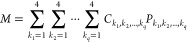 Figure 21
 Figure 22
 Figure 23
 Figure 24
 Figure 25
 Figure 26
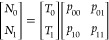 Figure 27
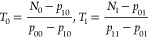 Figure 28
 Figure 29
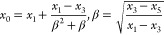 Figure 30
 Figure 31
 Figure 32
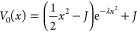 Figure 33
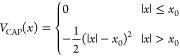 Figure 34
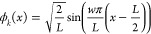 Figure 35
 Figure 36
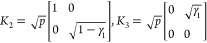 Figure 37
 Figure 38
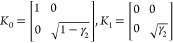 Figure 39
 Figure 40
 Figure 41
 Figure 42
 Figure 43
 Figure 44
 Figure 45
 Figure 46
 Figure 47
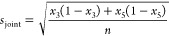 Figure 48
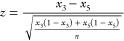 Figure 49
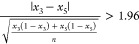 Figure 50
Peer Reviews
No public reviews on file for this paper yet. If you reviewed it on a platform where reviews are public (OpenReview, ICLR, NeurIPS, ICML), you can paste yours below so the community can read it here.
Videos
No videos yet. Explain this paper in a talk, walkthrough, or lecture? Add one.
Taxonomy
TopicsQuantum Computing Algorithms and Architecture · Quantum-Dot Cellular Automata · Spectroscopy and Quantum Chemical Studies