Modal Backflow Neural Quantum States for Anharmonic Vibrational Calculations
Lexin Ding, Markus Reiher

TL;DR
This paper introduces a new neural network design for solving quantum problems involving vibrations with high accuracy.
Contribution
The novel contribution is the development of modal backflow neural quantum states for efficient and accurate vibrational calculations.
Findings
The MBF network achieves spectroscopically accurate results for zero-point energies and vibrational transitions.
A selected-configuration scheme improves accuracy in spectroscopic calculations over traditional Monte Carlo methods.
The MBF design enables efficient pretraining via vibrational self-consistent field calculations.
Abstract
Neural quantum states (NQS) are a promising ansatz for solving many-body quantum problems due to their inherent expressiveness. Yet this expressiveness can only be harnessed efficiently for treating identical particles if the suitable physical knowledge is hardwired into the neural network itself. For electronic structure, NQS based on backflow determinants have been shown to be a powerful ansatz for capturing strong correlation. By contrast, the analogue for bosons, backflow permanents, is unpractical due to the steep cost of computing the matrix permanent and due to the lack of particle conservation in common bosonic problems. To circumvent these obstacles, we introduce a modal backflow (MBF) NQS design and demonstrate its efficacy by solving the anharmonic vibrational problem. To accommodate the demand of high accuracy in spectroscopic calculations, we implement a…
Genes, proteins, chemicals, diseases, species, mutations and cell lines named across the full text — each resolved to its canonical identifier and authoritative record.
Click any figure to enlarge with its caption.
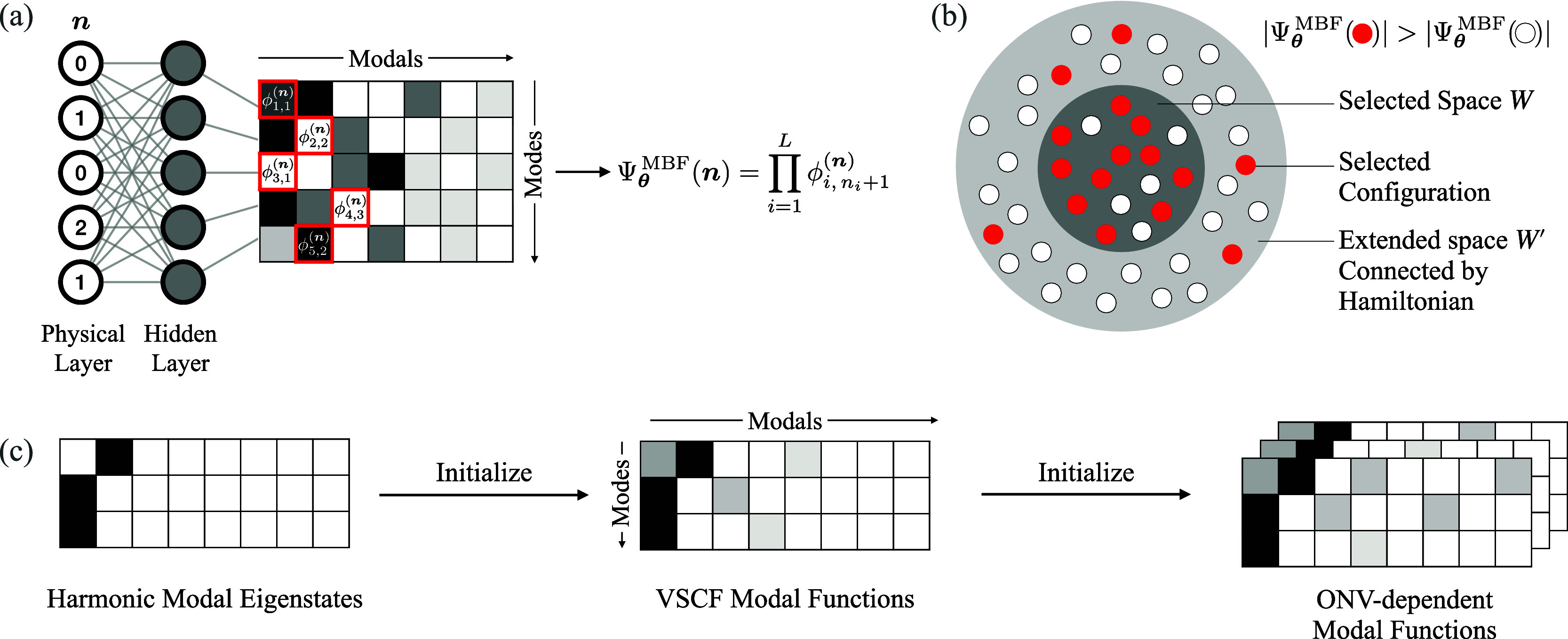 Figure 1
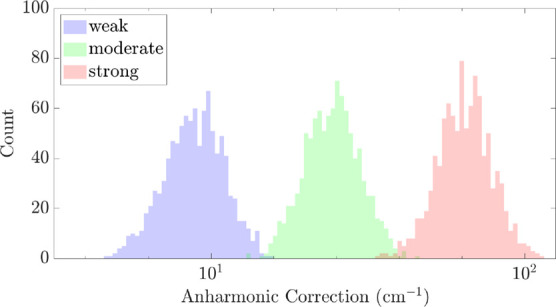 Figure 2
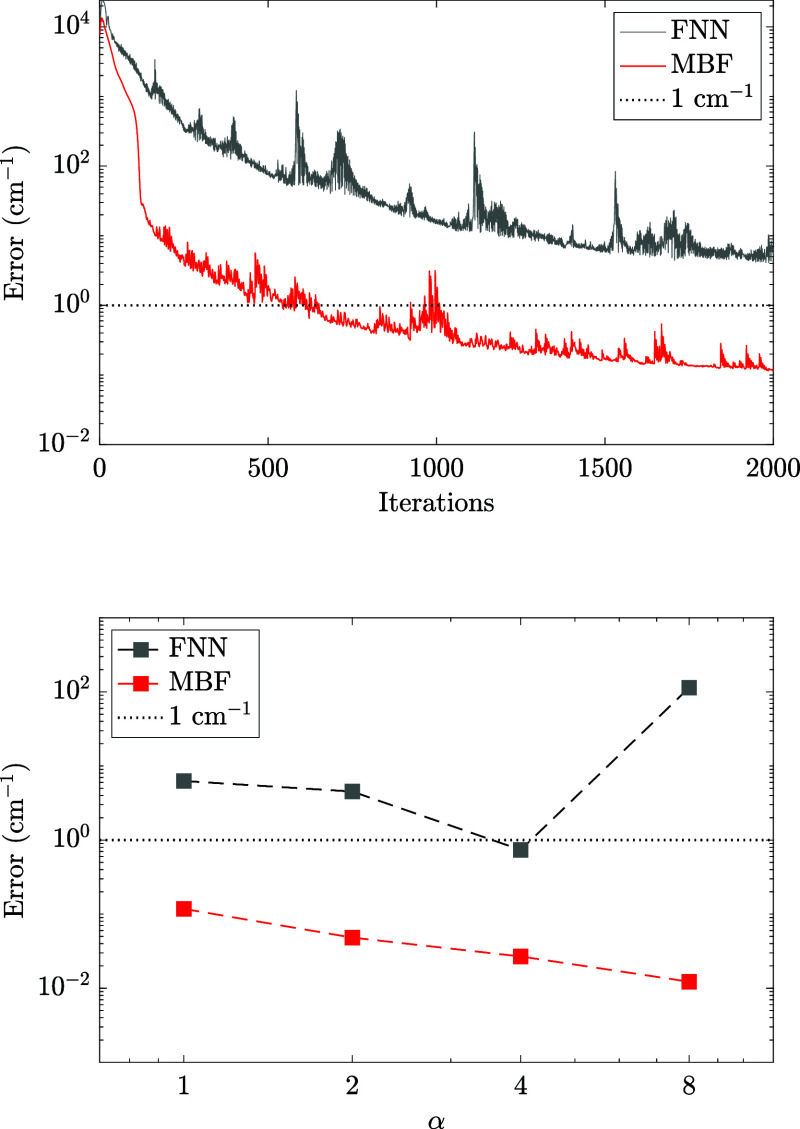 Figure 3
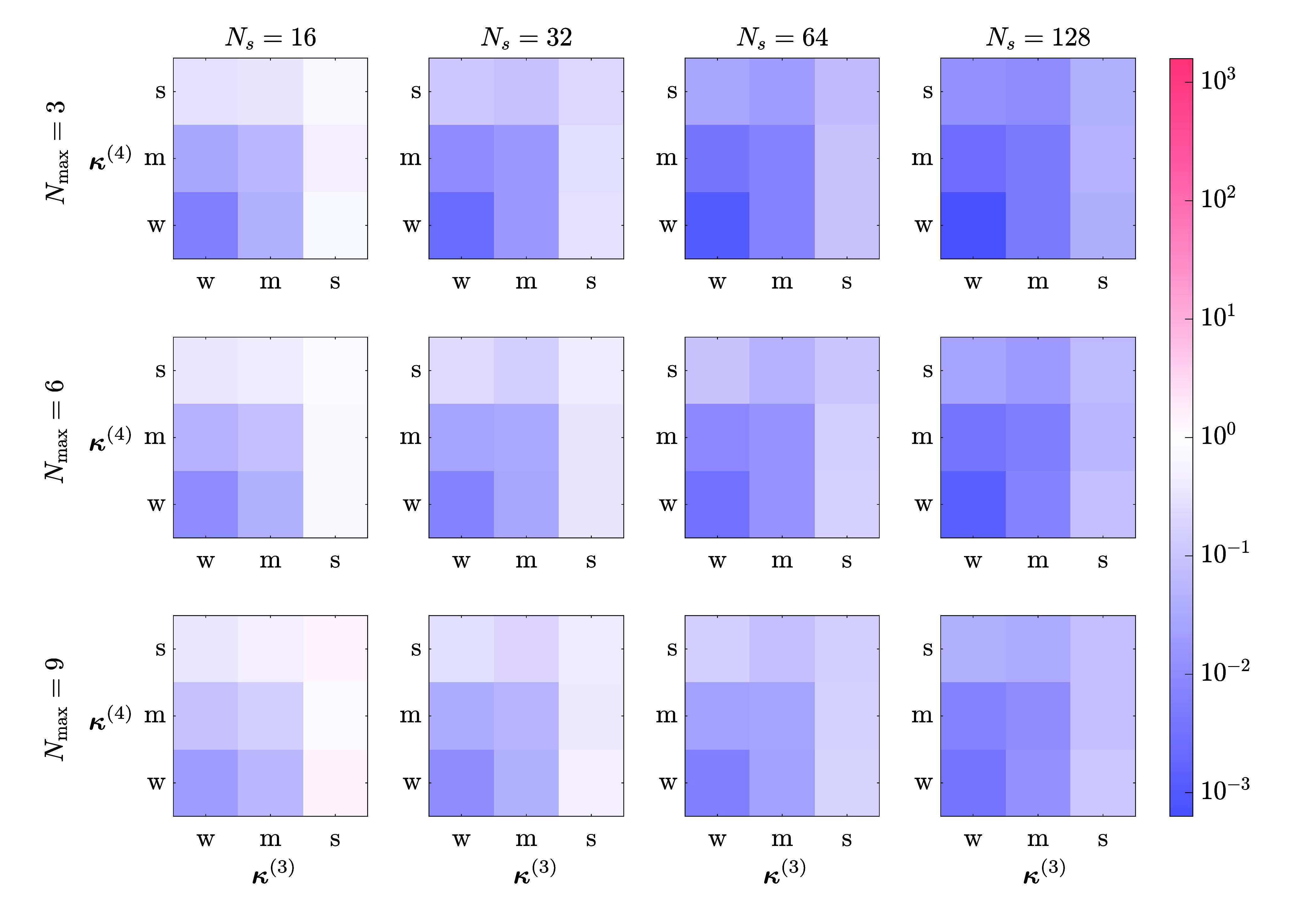 Figure 4
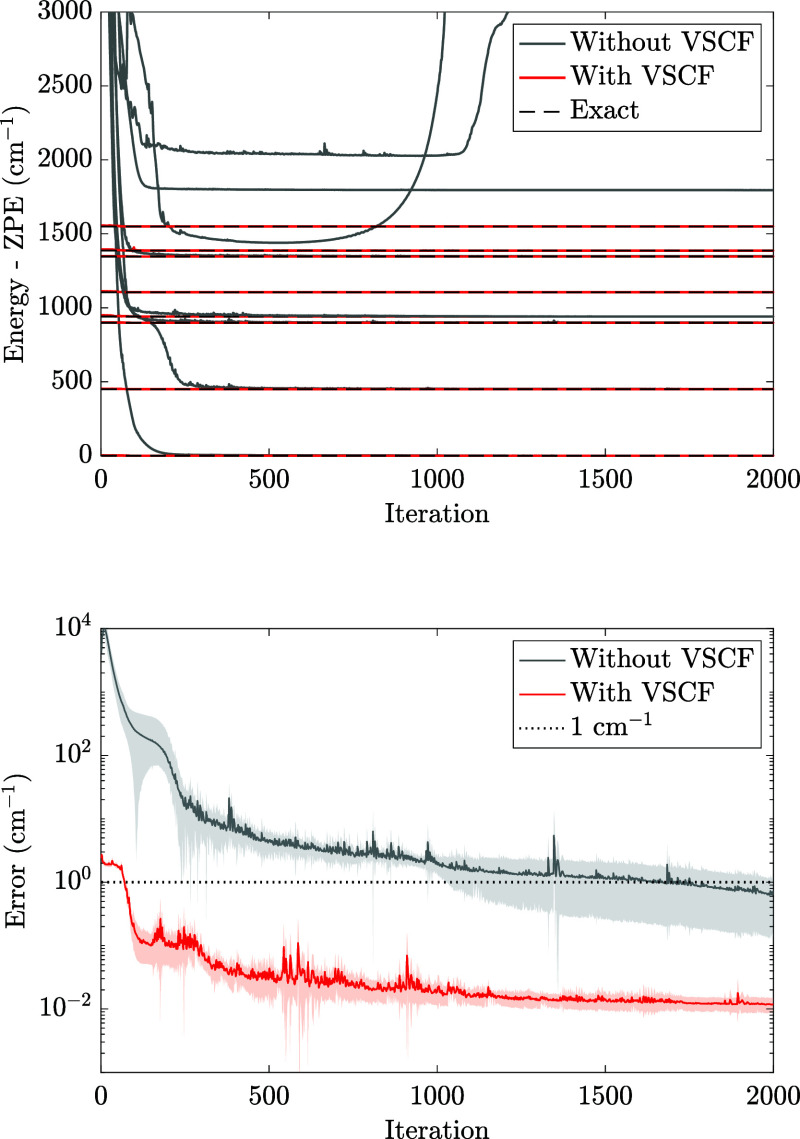 Figure 5
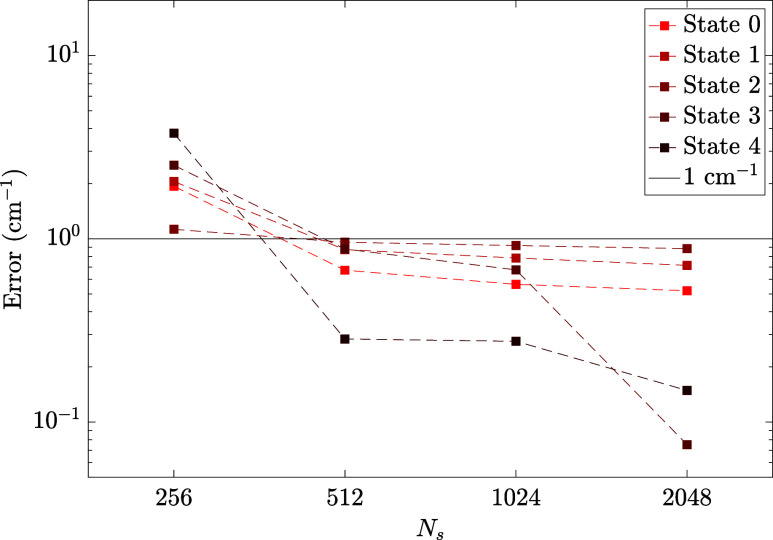 Figure 6
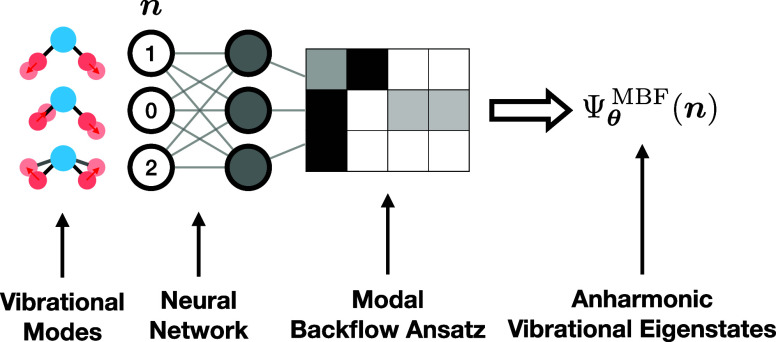 Figure 7
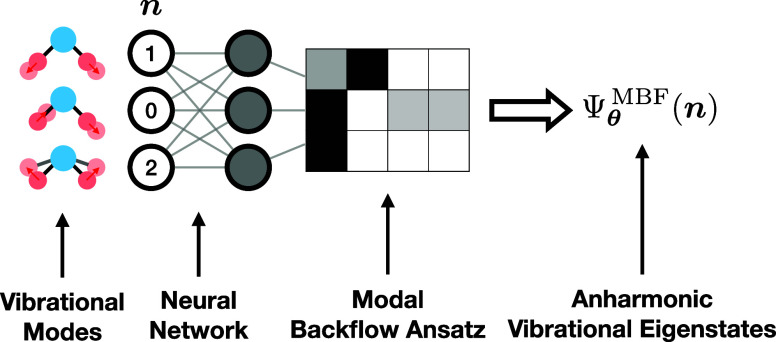 Figure 8
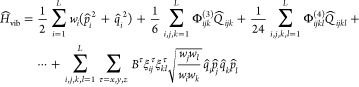 Figure 9
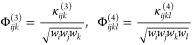 Figure 10
 Figure 11
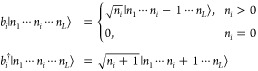 Figure 12
 Figure 13
 Figure 14
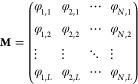 Figure 15
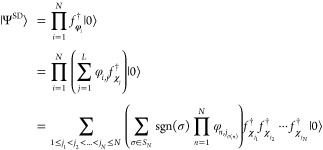 Figure 16
 Figure 17
 Figure 18
 Figure 19
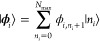 Figure 20
 Figure 21
 Figure 22
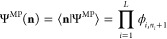 Figure 23
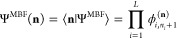 Figure 24
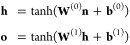 Figure 25
 Figure 26
 Figure 27
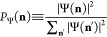 Figure 28
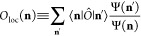 Figure 29
 Figure 30
 Figure 31
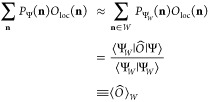 Figure 32
 Figure 33
 Figure 34
 Figure 35
 Figure 36
 Figure 37
 Figure 38
 Figure 39
 Figure 40
 Figure 41
 Figure 42
 Figure 43
 Figure 44
 Figure 45
 Figure 46
Peer Reviews
No public reviews on file for this paper yet. If you reviewed it on a platform where reviews are public (OpenReview, ICLR, NeurIPS, ICML), you can paste yours below so the community can read it here.
Videos
No videos yet. Explain this paper in a talk, walkthrough, or lecture? Add one.
Taxonomy
TopicsQuantum many-body systems · Machine Learning in Materials Science · Advanced Physical and Chemical Molecular Interactions