Genetic and lifestyle modifiers of haemochromatosis-related clinical outcomes in HFE C282Y homozygotes
Mitchell R. Lucas, João Delgado, Robin N. Beaumont, Gareth Hawkes, Andrew R. Wood, Caroline F. Wright, Jeremy D. Shearman, Janice L. Atkins, Luke C. Pilling

TL;DR
The study finds that genetic factors like higher transferrin saturation polygenic scores increase clinical risks in people with a specific hemochromatosis mutation.
Contribution
The study introduces polygenic scores for iron biomarkers as a novel tool to predict clinical outcomes in HFE C282Y homozygotes.
Findings
Higher TSAT polygenic scores increased hemochromatosis diagnosis likelihood in men and women.
Rare HFE variants increased hemochromatosis risk in non-C282Y homozygotes.
Combining genetic and lifestyle factors improved prediction accuracy for clinical outcomes.
Abstract
The iron overload disease haemochromatosis is primarily caused by HFE p.C282Y homozygosity, yet penetrance of clinical outcomes (including liver disease/cancer) varies. We aimed to estimate the effect of genetic and lifestyle factors on disease penetrance and expressivity in HFE C282Y homozygotes. We analysed 2,893 C282Y homozygous UK Biobank participants (n = 1,295 male). We ascertained haemochromatosis from medical records, liver disease/cancer, osteoarthritis, joint replacement surgeries, and dementia diagnoses. We derived polygenic scores (PGS) for iron biomarkers, including hepcidin and transferrin saturation (TSAT). Sex-stratified logistic regression assessed associations with clinical outcomes. We used time-to-event regression estimating effects of age, lifestyle, and PGS, and estimated effects of rare HFE variants using whole-genome sequencing data. In male HFE C282Y…
Genes, proteins, chemicals, diseases, species, mutations and cell lines named across the full text — each resolved to its canonical identifier and authoritative record.
Click any figure to enlarge with its caption.
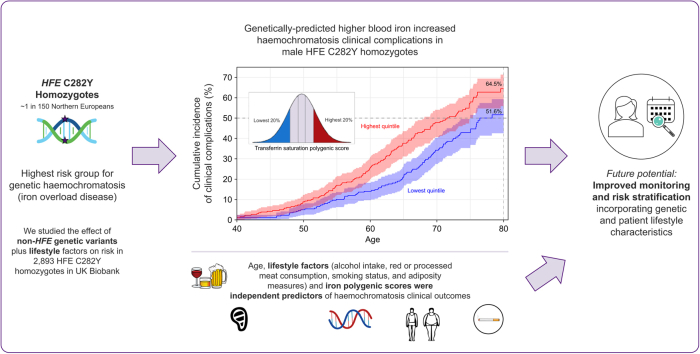 Figure 1
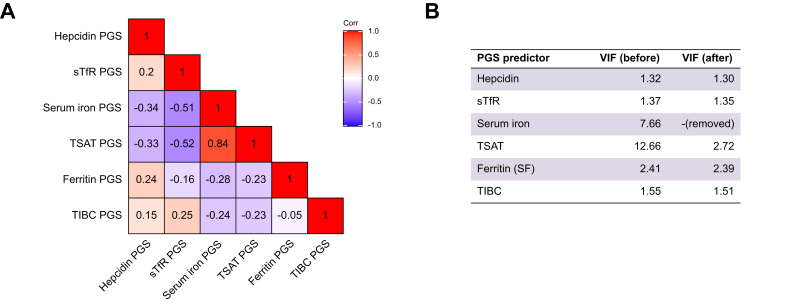 Figure 2
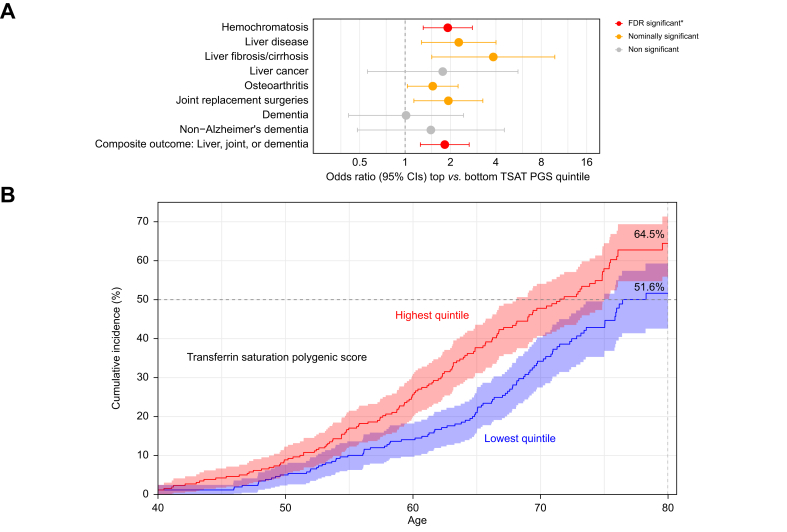 Figure 3
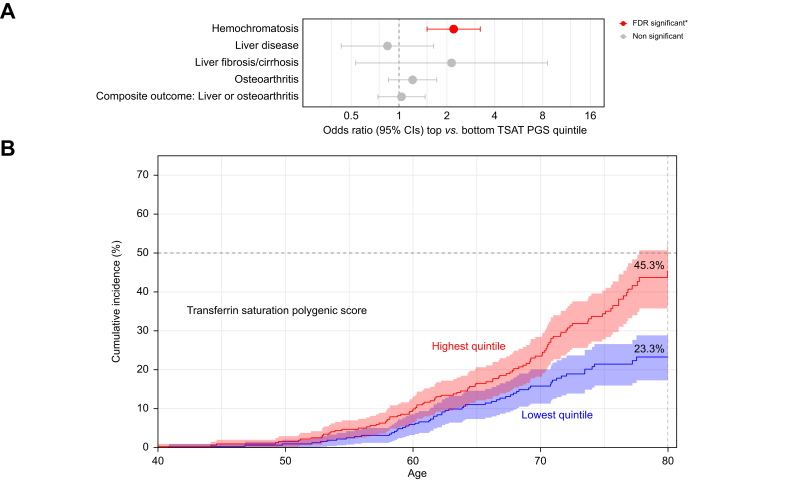 Figure 4
Peer Reviews
No public reviews on file for this paper yet. If you reviewed it on a platform where reviews are public (OpenReview, ICLR, NeurIPS, ICML), you can paste yours below so the community can read it here.
Videos
No videos yet. Explain this paper in a talk, walkthrough, or lecture? Add one.
Taxonomy
TopicsIron Metabolism and Disorders · Hemoglobinopathies and Related Disorders · Blood groups and transfusion