The Comparison between Different Extracellular Vesicle Isolation Methods by AFM-IR Nanospectroscopy
Jéssica Verônica da Silva, Otávio Berenguel, Raquel Silva Neres-Santos, Herculano da Silva Martinho, Marcela Sorelli Carneiro-Ramos

TL;DR
This paper compares methods for isolating extracellular vesicles using a nanospectroscopy technique to understand how each method affects their molecular and structural properties.
Contribution
The study introduces AFM-IR nanospectroscopy as a novel method to analyze EVs at the nanoscale and compare isolation techniques.
Findings
AFM-IR reveals that SEC depletes biomolecules above 1150 cm–1, including α-helix and fatty acids.
TEIR preserves protein conformational diversity but damages nucleic acids and glycoproteins.
Ultracentrifugation preserves the most biomolecules but causes membrane structural damage.
Abstract
Extracellular vesicles (EVs) contain cell-type-specific signatures and have been proposed as biomarkers in various diseases. However, due to their small dimensions, quantification and size distribution, the biophysical characterization of these particles is challenging and still controversial. The diffraction-limiting effect limits acquiring spectral data on EV samples in the mid-IR range, making it impossible to capture images and spectra at the nanoscale by conventional vibrational spectroscopy methods. Here, we employed atomic force microscopy–infrared nanospectroscopy (AFM-IR) technique to elucidate the molecular signatures of EVs isolated from blood (serum and plasma), as well as the direct correlation of their topography and biochemical signature with respect to the isolation method. EVs were extracted from serum or plasma from C57BL/6 male mice by Total Exosome Isolation Reagent…
Genes, proteins, chemicals, diseases, species, mutations and cell lines named across the full text — each resolved to its canonical identifier and authoritative record.
Click any figure to enlarge with its caption.
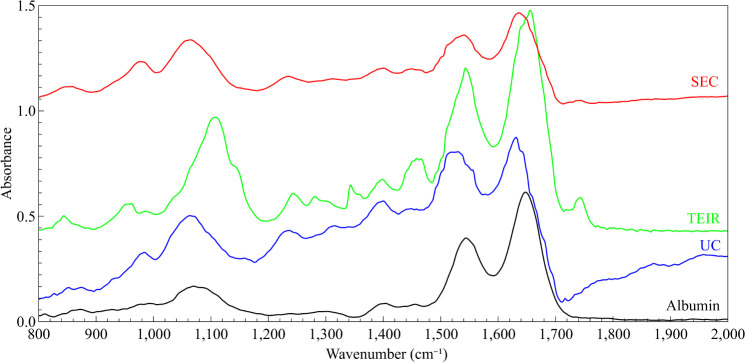 Figure 1
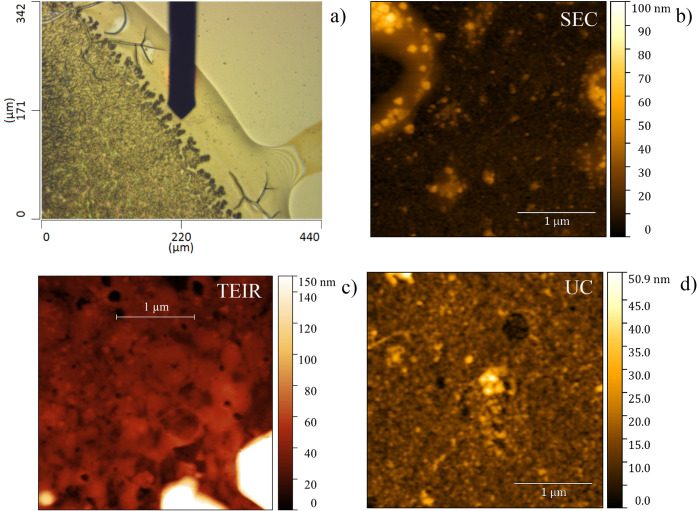 Figure 2
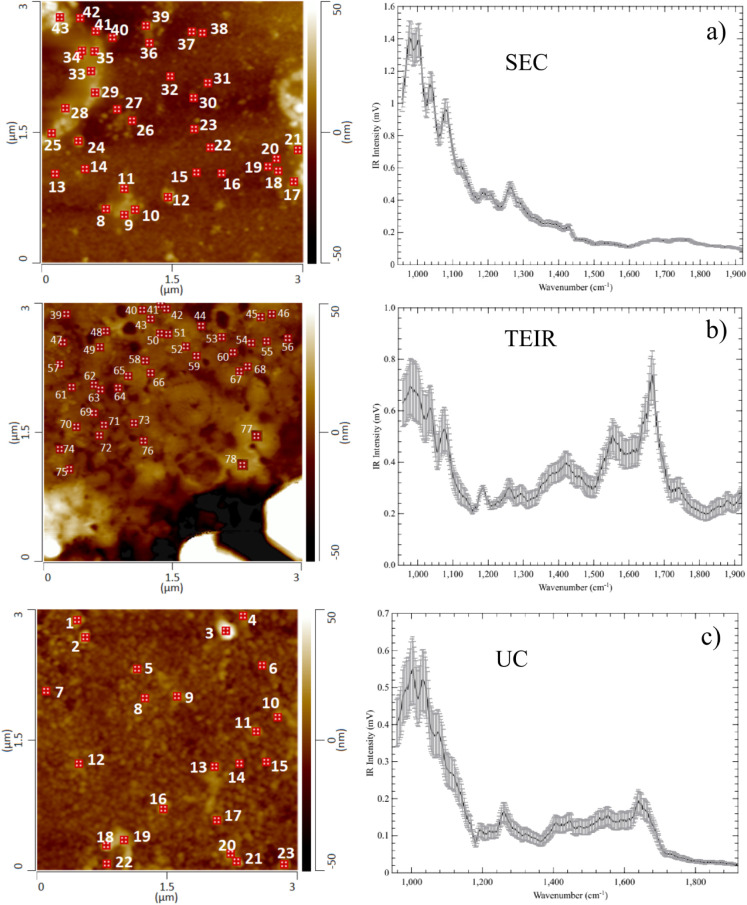 Figure 3
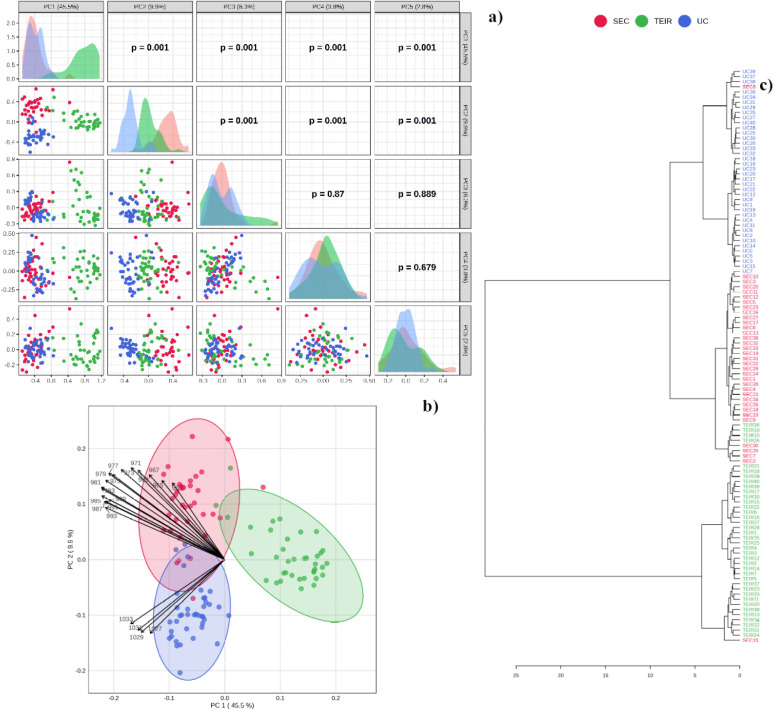 Figure 4
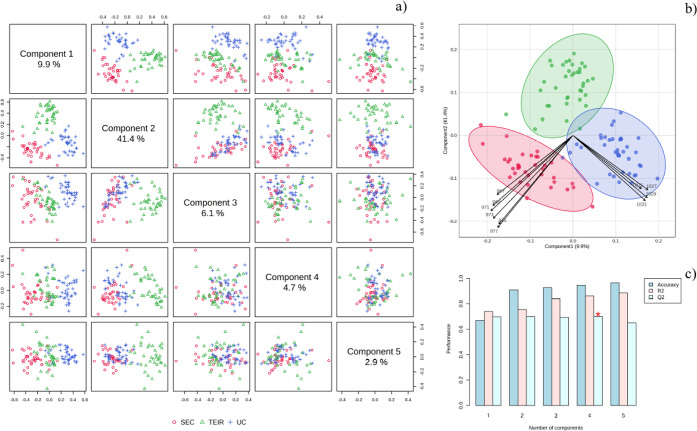 Figure 5
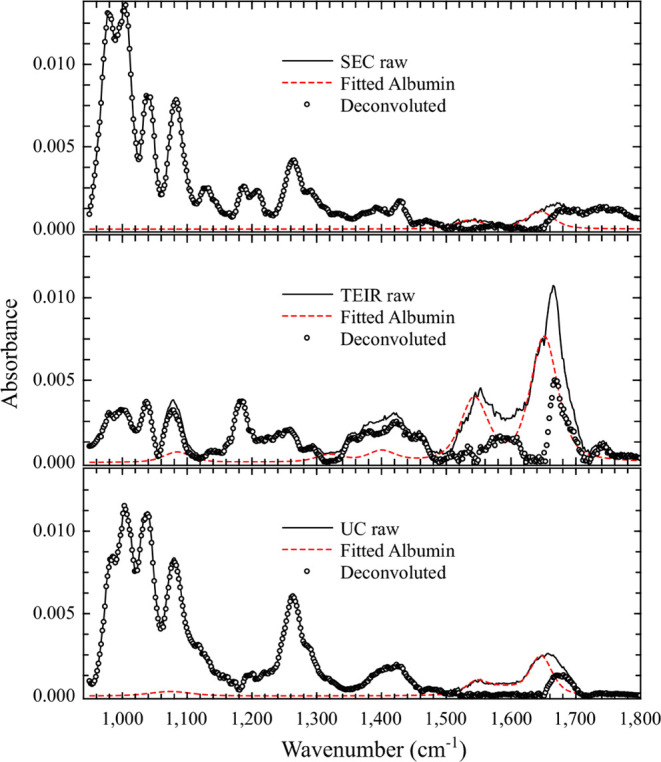 Figure 6
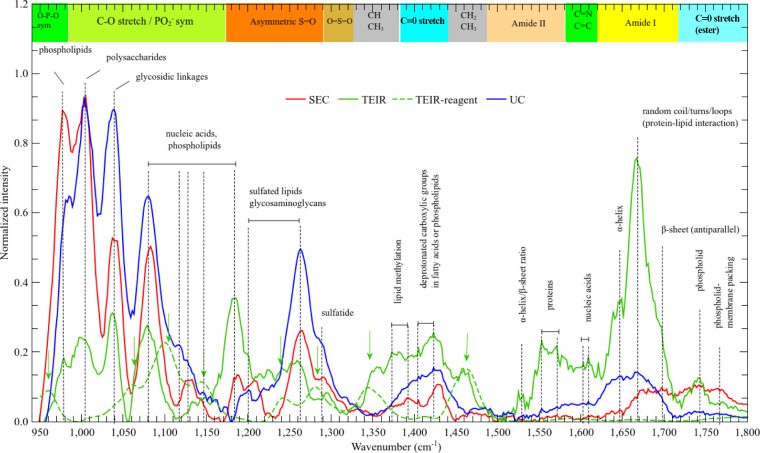 Figure 7
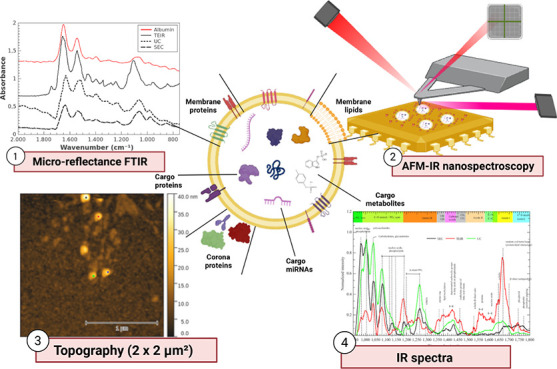 Figure 8
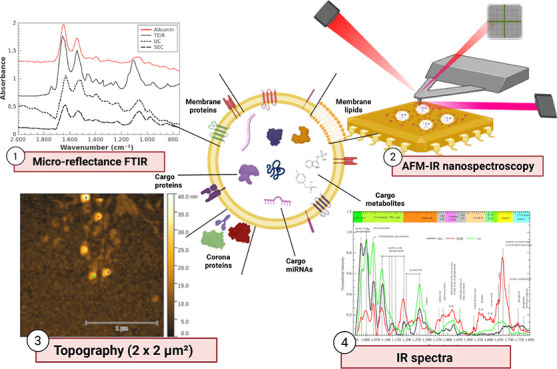 Figure 9
Peer Reviews
No public reviews on file for this paper yet. If you reviewed it on a platform where reviews are public (OpenReview, ICLR, NeurIPS, ICML), you can paste yours below so the community can read it here.
Videos
No videos yet. Explain this paper in a talk, walkthrough, or lecture? Add one.
Taxonomy
TopicsExtracellular vesicles in disease · Lipid Membrane Structure and Behavior · Caveolin-1 and cellular processes