A Pyrimidine-Based Tubulin Inhibitor Shows Potent Anti-Glioblastoma Activity In Vitro and In Vivo
Satyanarayana Pochampally, Lawrence M. Pfeffer, Gustavo A. Miranda-Carboni, Macey Daniel, Jazz I. James, Allana Smith, Chuan He Yang, Hannah R. Kelso, Deanna N. Parke, Dong-Jin Hwang, Wei Li, Duane D. Miller

TL;DR
A new pyrimidine-based drug shows strong anti-cancer effects against glioblastoma in lab and animal tests.
Contribution
A novel pyrimidine-based tubulin inhibitor, compound 8c, was developed and shown to be more effective than current GBM treatments.
Findings
Compound 8c reduced GBM cell viability and induced complete growth arrest at low concentrations.
Compound 8c triggered dose-dependent apoptosis in GBM cells, unlike temozolomide.
In vivo tests showed compound 8c inhibited GBM xenograft growth by 66% in mice.
Abstract
Background: Glioblastoma (GBM) is an aggressive and treatment-resistant brain tumor with few effective therapies. Tubulin polymers are crucial for maintaining cell–cell signaling, cell proliferation, and cell division. Therefore, tubulin has been targeted by medicinal chemists to develop novel therapeutics to treat cancer. In this regard, we developed novel small-molecule tubulin inhibitors as potential therapeutics to treat GBM. Methods: We synthesized a focused library of pyrimidine-containing dihydroquinoxalinone-based analogs and tested nine compounds for cytotoxicity in GBM cell lines using the Sulforhodamine B (SRB) cell viability assay. We identified compound 8c as the most promising compound and evaluated the in vitro effects of 8c on GBM cell growth using live cell imaging and assessed apoptosis using a cell death ELISA. We then tested its anticancer activity in vivo on GBM…
Genes, proteins, chemicals, diseases, species, mutations and cell lines named across the full text — each resolved to its canonical identifier and authoritative record.
Click any figure to enlarge with its caption.
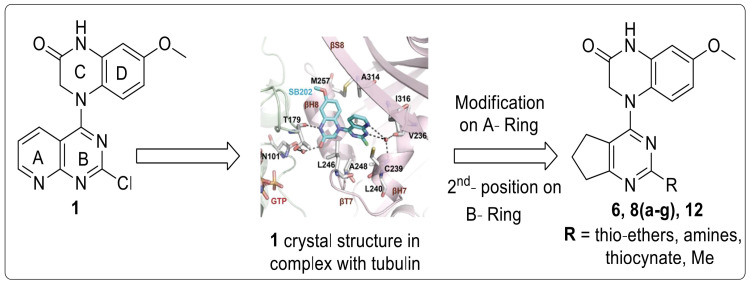 Figure 1
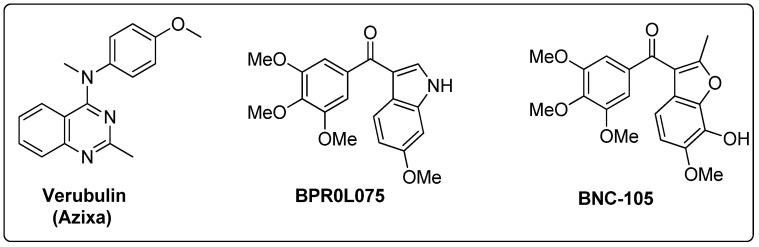 Figure 2
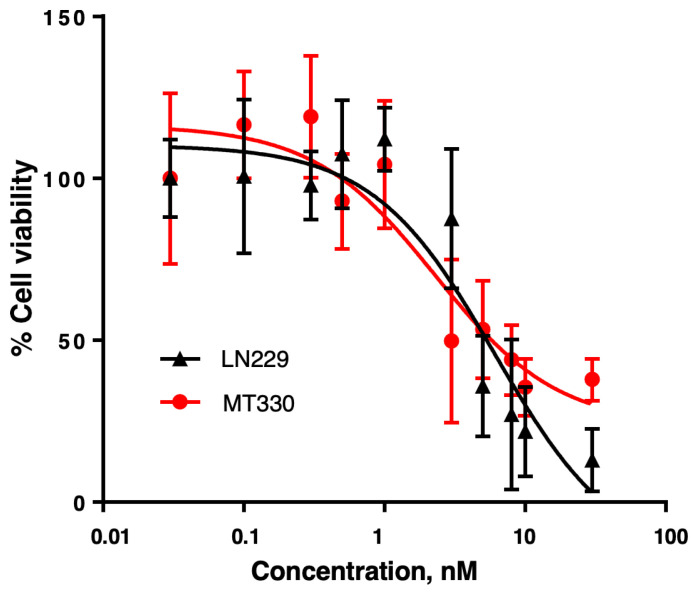 Figure 3
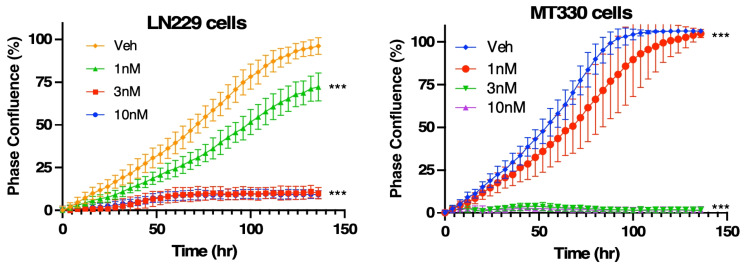 Figure 4
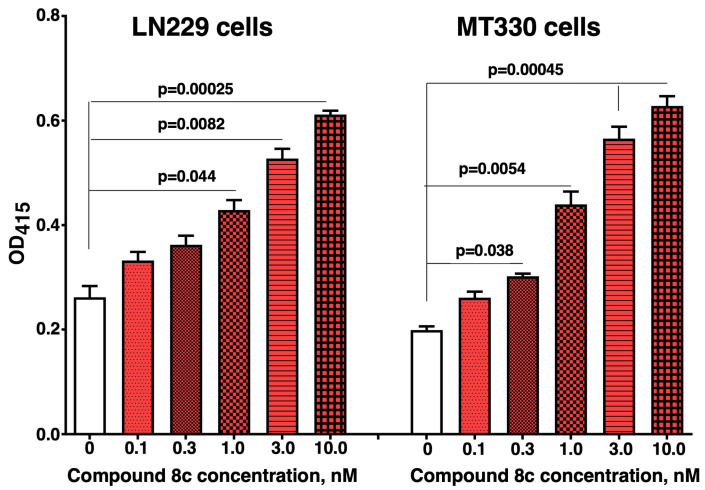 Figure 5
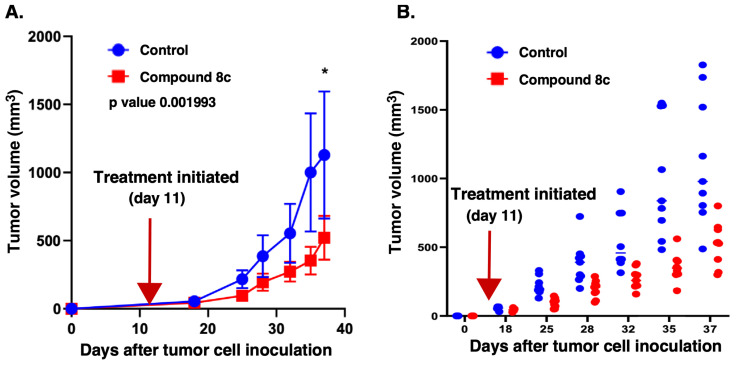 Figure 6
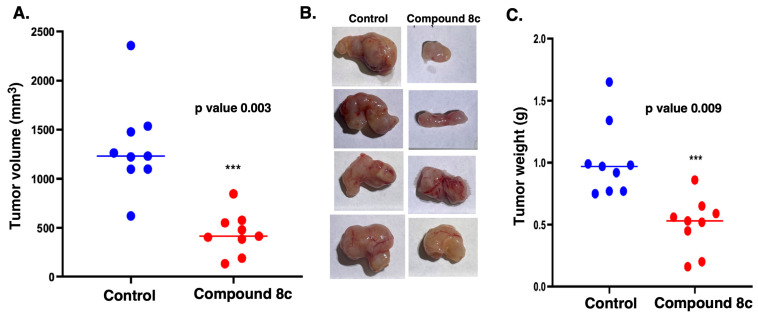 Figure 7
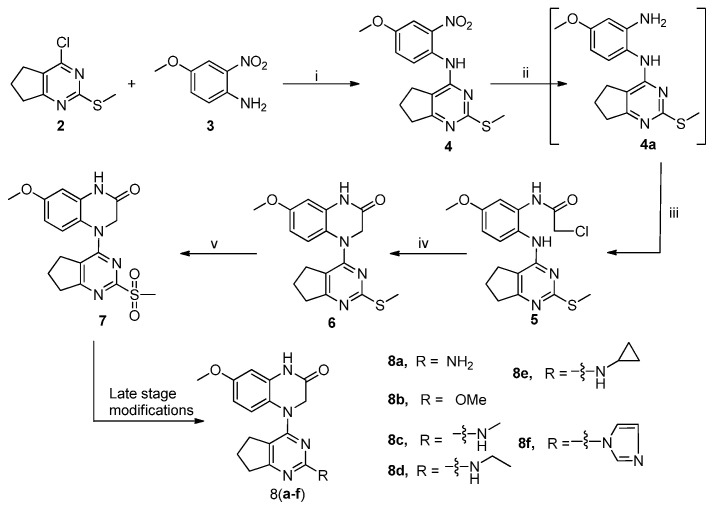 Figure 8
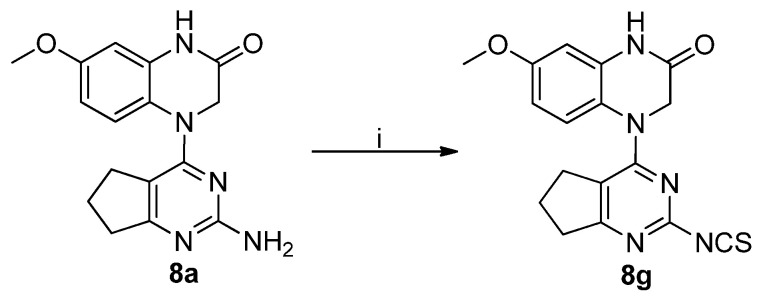 Figure 9
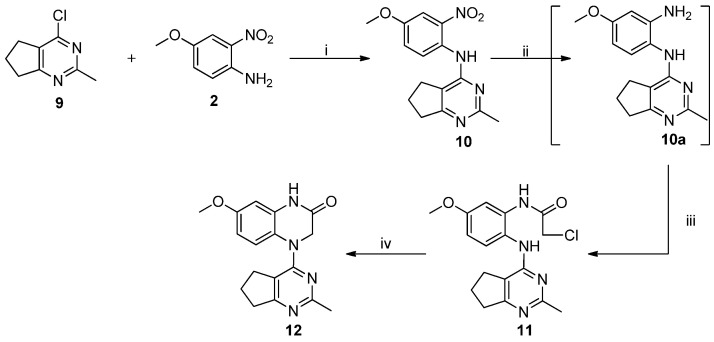 Figure 10
Peer Reviews
No public reviews on file for this paper yet. If you reviewed it on a platform where reviews are public (OpenReview, ICLR, NeurIPS, ICML), you can paste yours below so the community can read it here.
Videos
No videos yet. Explain this paper in a talk, walkthrough, or lecture? Add one.
Taxonomy
TopicsMicrotubule and mitosis dynamics · Synthesis and biological activity · Cancer therapeutics and mechanisms