Sustainable Encapsulation of Biocontrol Agents: Cross-Linker Influence on Carboxymethylcellulose-Based Microbeads
Mayté P. Zaldivar, Jean Carlos F. Machado, Lívia C. Massimino, Marcel S. Marques, José Eduardo M. de Almeida, Ana Paula S. Bartels, Ricardo Bortoletto-Santos, Hernane da S. Barud

TL;DR
This paper explores using aluminum ions to create biopolymer beads that effectively preserve and deliver biocontrol fungi for sustainable pest management.
Contribution
The study identifies aluminum as a superior cross-linker for carboxymethylcellulose beads in encapsulating biocontrol agents.
Findings
CMC beads cross-linked with Al3+ showed higher thermal stability and swelling capacity than those with Ca2+.
B. bassiana blastospores encapsulated in CMC_Al3+ beads retained 85% germination after five months of storage.
Al3+-cross-linked beads had a uniform size, unlike the heterogeneous Ca2+-cross-linked beads.
Abstract
The use of biopolymers for encapsulating active ingredients is a well-established approach, with ionotropic gelation representing a viable technique. This method allows the use of various cross-linking agents, though the physicochemical properties of the resulting materials can vary depending on the cross-linker selected. This study aimed to evaluate calcium (Ca2+) and aluminum (Al3+) ions as cross-linkers for the formation of carboxymethylcellulose (CMC) microbeads that can carry biological agents. Following comparative analyses, the most effective cross-linker was used for encapsulating the entomopathogenic fungus Beauveria bassiana strain IBCB66. Encapsulation of B. bassiana within a biopolymer bead matrix was found to be a promising strategy to preserve its biological control properties. Beads cross-linked with Al3+ (CMC_Al3+) demonstrated superior thermal stability (T_max of 165.76…
Genes, proteins, chemicals, diseases, species, mutations and cell lines named across the full text — each resolved to its canonical identifier and authoritative record.
Click any figure to enlarge with its caption.
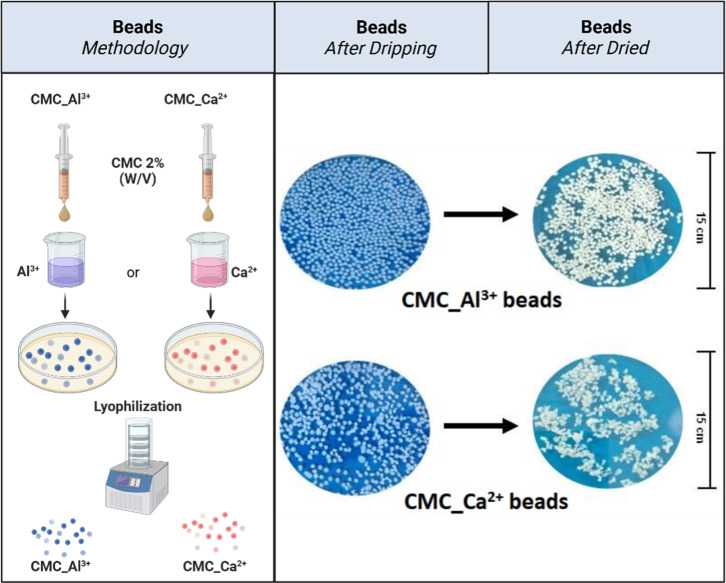 Figure 1
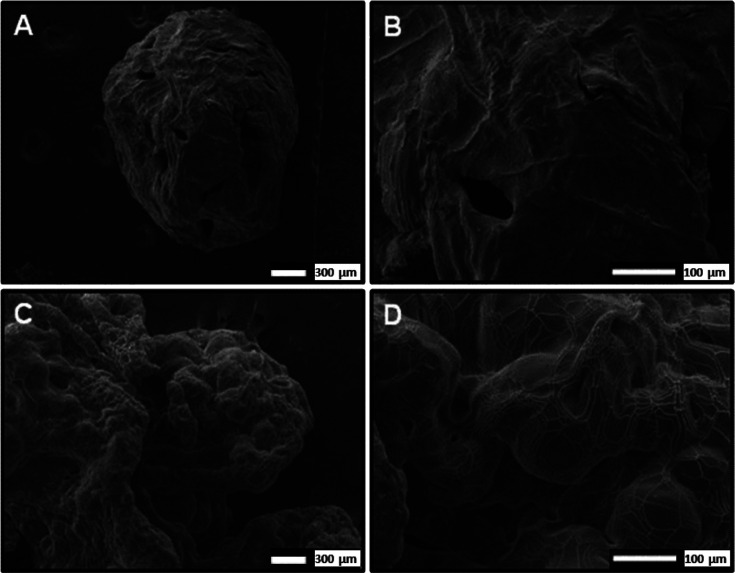 Figure 2
 Figure 3
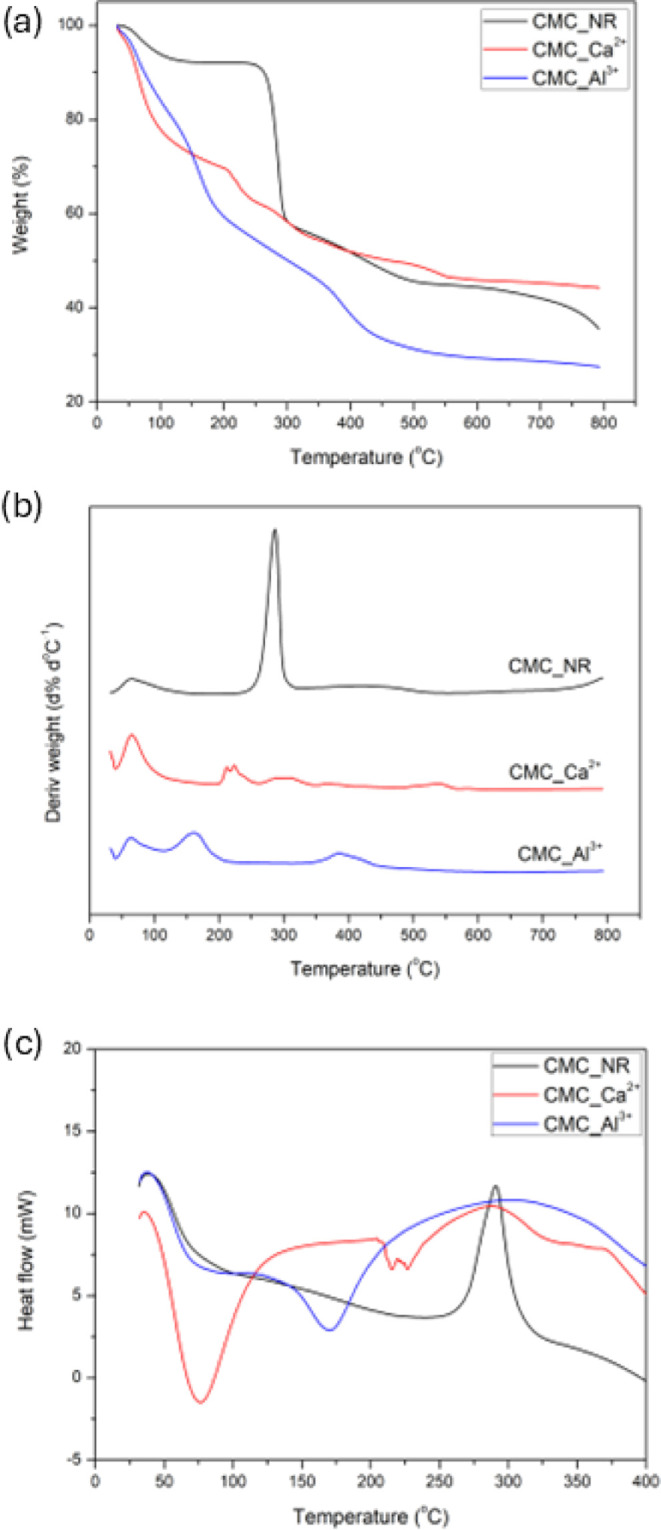 Figure 4
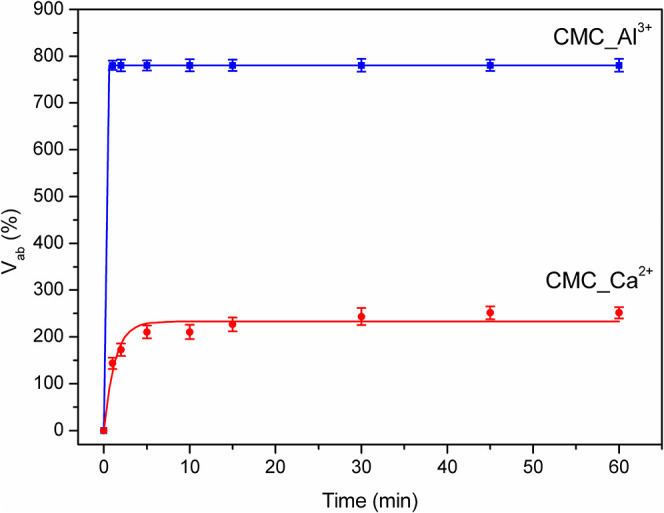 Figure 5
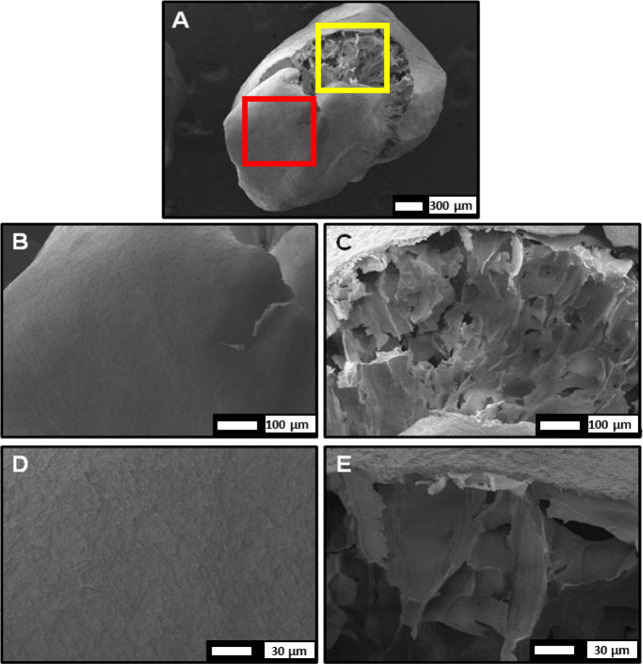 Figure 6
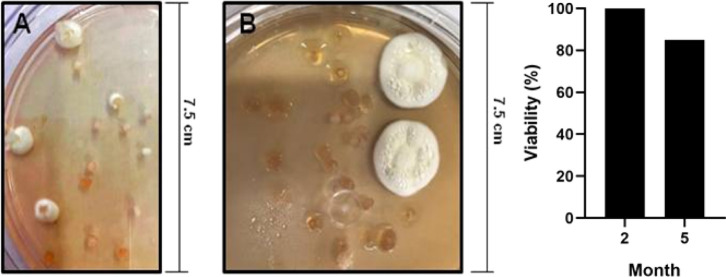 Figure 7
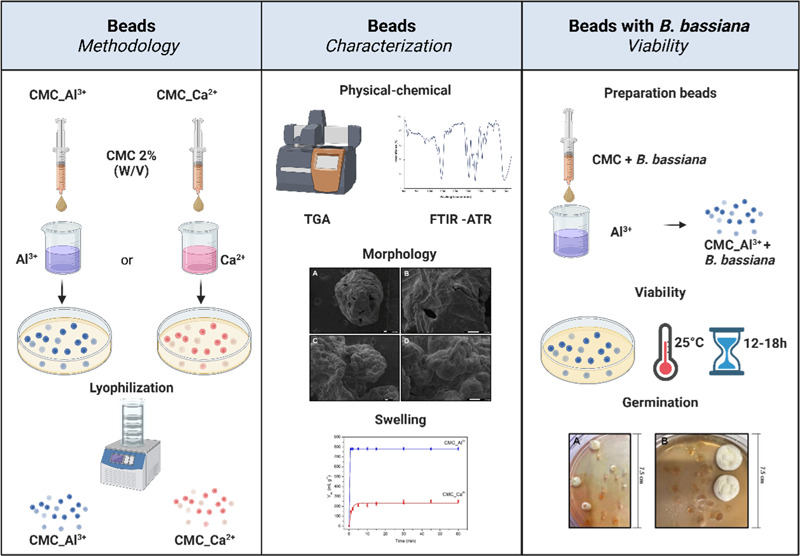 Figure 8
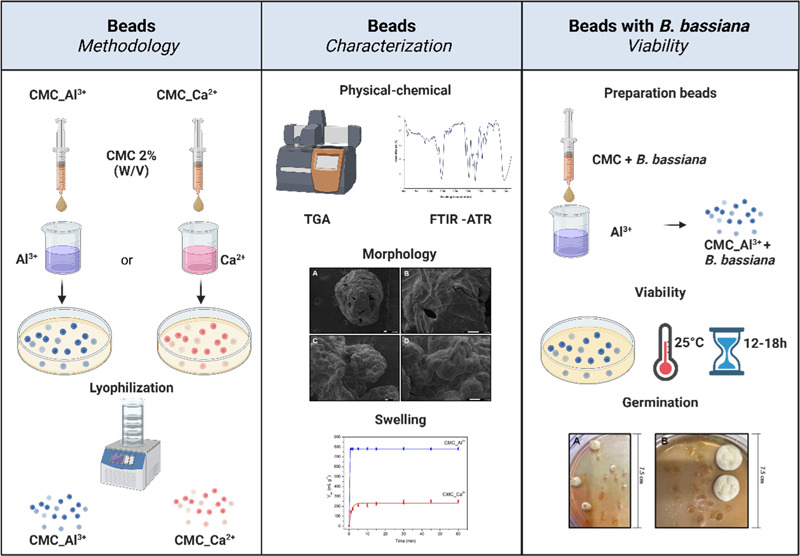 Figure 9
 Figure 10
 Figure 11
Peer Reviews
No public reviews on file for this paper yet. If you reviewed it on a platform where reviews are public (OpenReview, ICLR, NeurIPS, ICML), you can paste yours below so the community can read it here.
Videos
No videos yet. Explain this paper in a talk, walkthrough, or lecture? Add one.
Taxonomy
TopicsEntomopathogenic Microorganisms in Pest Control · Polymer-Based Agricultural Enhancements · Insect Utilization and Effects