Cooperative Effect of Multiple Domains in Copper Proteins Applied to H2S Sensing
Alessio Trerotola, Viktoriia Vykhovanets, Lionel A. Ndamba, Daniela Guarnieri, Valeria Lagostina, Mario Chiesa, Stefano Milione, Maria Strianese

TL;DR
This paper explores how copper proteins can be used to detect hydrogen sulfide (H2S), a molecule with both toxic and beneficial roles in the body.
Contribution
The study introduces multicopper proteins as versatile and sensitive H2S sensors with advantages over existing methods.
Findings
SLAC, a two-domain copper oxidase, functions as a multiwavelength fluorescent sensor for H2S.
Multicopper proteins outperform Cu-azurin in H2S sensing sensitivity, selectivity, and reversibility.
H2S recognition occurs via selective reduction of copper centers in these proteins.
Abstract
The revolutionary discovery by Abe & Kimura that H2S exerts a beneficial role in human body has renewed interest in this small molecule, long known for its toxicity. Understanding the (bio)reactivity of H2S with biological and bioinorganic targets is therefore of increasing importance, yet studies on its interaction with nonheme metalloproteins remain limited. Here, we investigate the reactivity of HS– with two natural multicopper proteins, SLAC and NiR. We demonstrate that SLAC, a two-domain blue-copper oxidase, can function as a multiwavelength, multireadout fluorescent sensor for H2S in complex environments. Comparative studies on NiR support the proposed mechanism of H2S recognition via selective reduction of copper centers. Finally, we benchmark the performance of these multicopper proteins against Cu-azurin, previously reported as a H2S recognition element, highlighting the…
Genes, proteins, chemicals, diseases, species, mutations and cell lines named across the full text — each resolved to its canonical identifier and authoritative record.
Click any figure to enlarge with its caption.
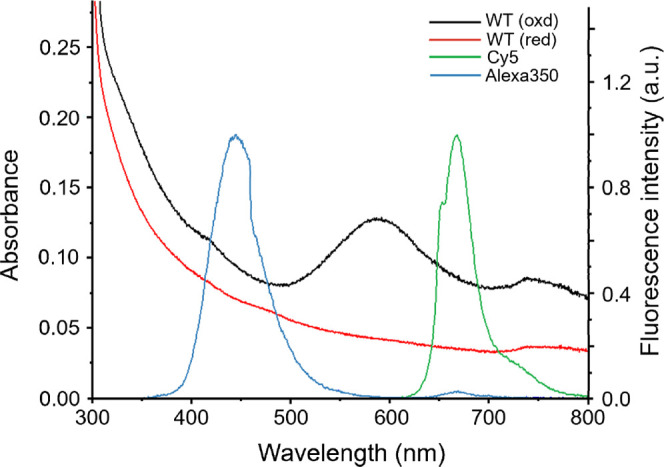 Figure 1
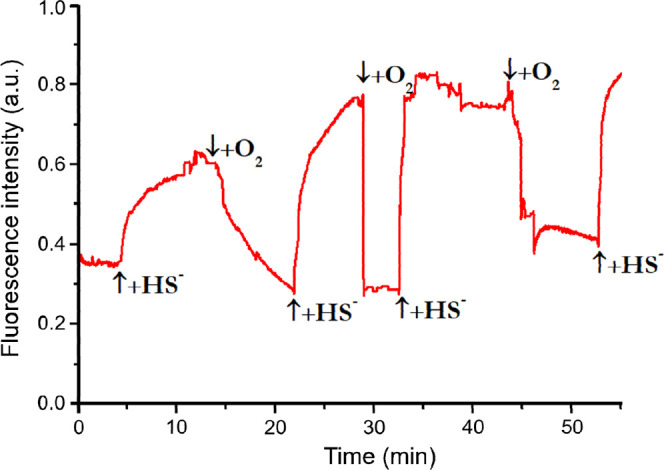 Figure 2
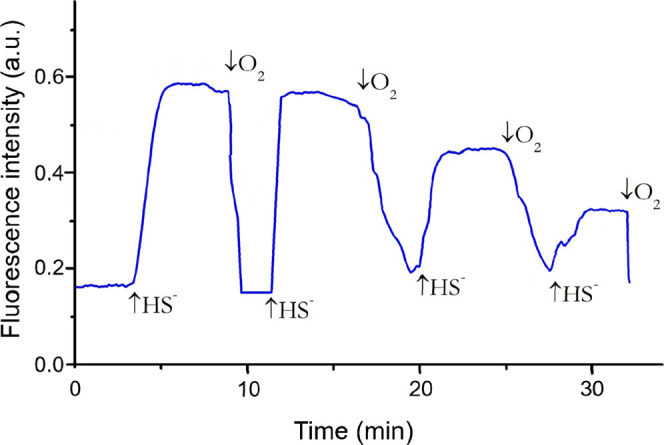 Figure 3
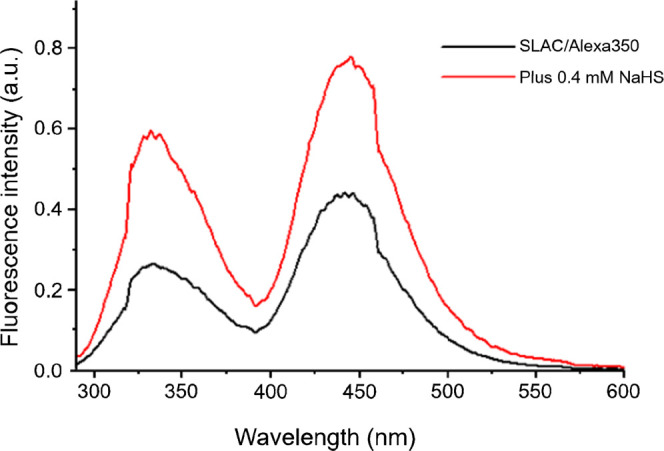 Figure 4
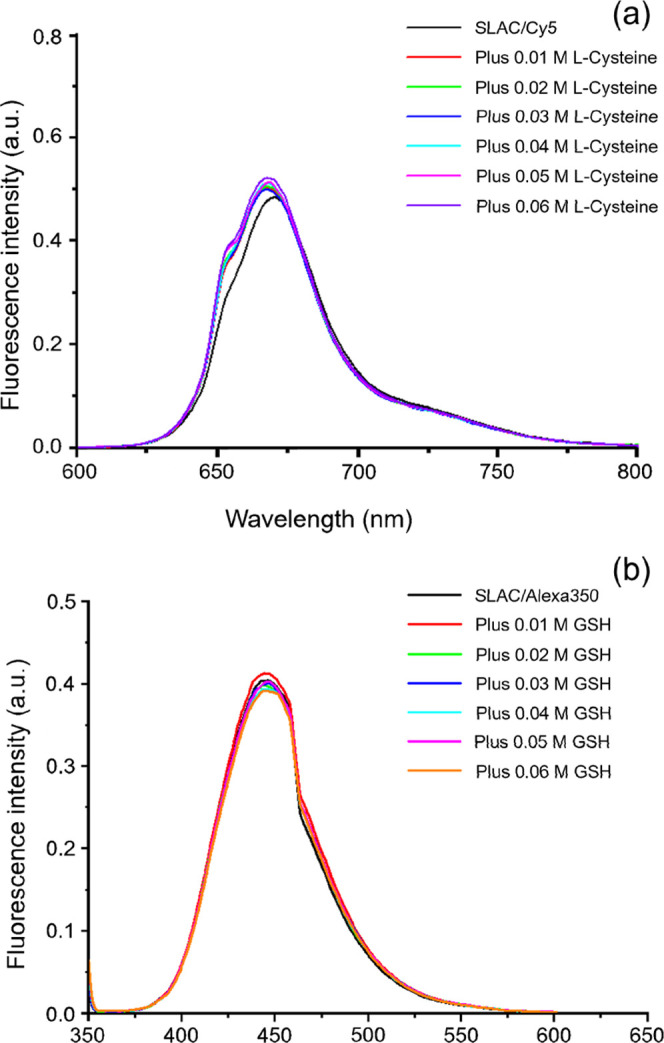 Figure 5
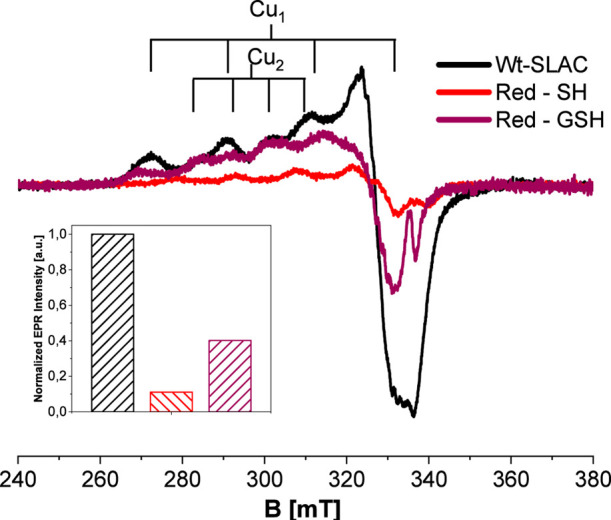 Figure 6
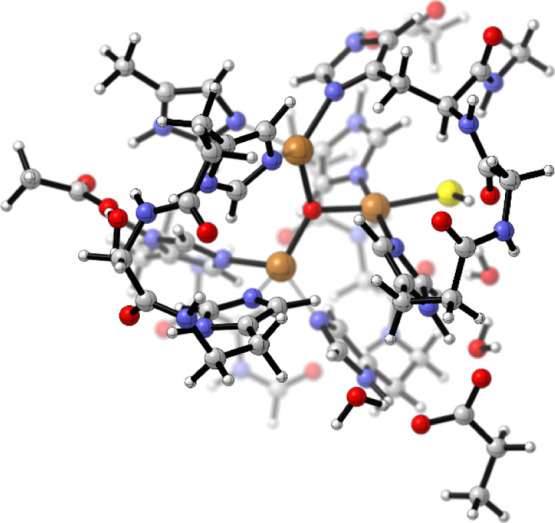 Figure 7
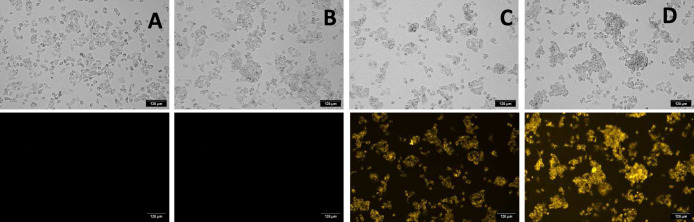 Figure 8
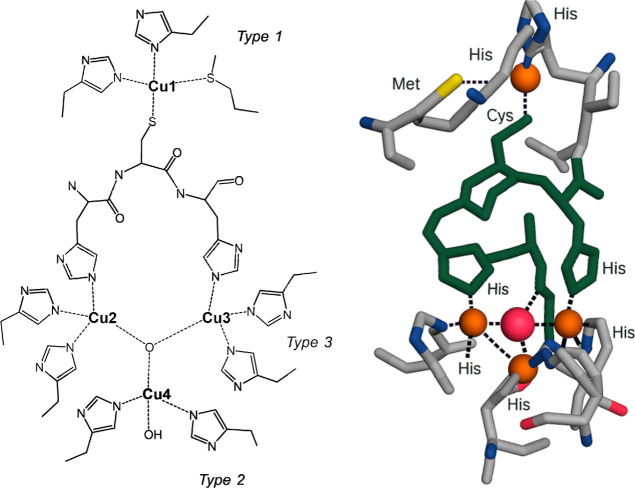 Figure 9
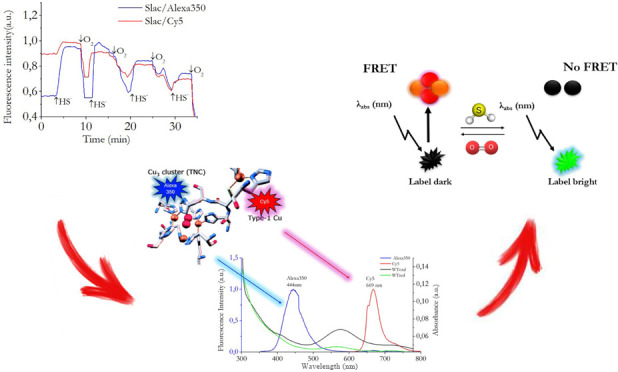 Figure 10
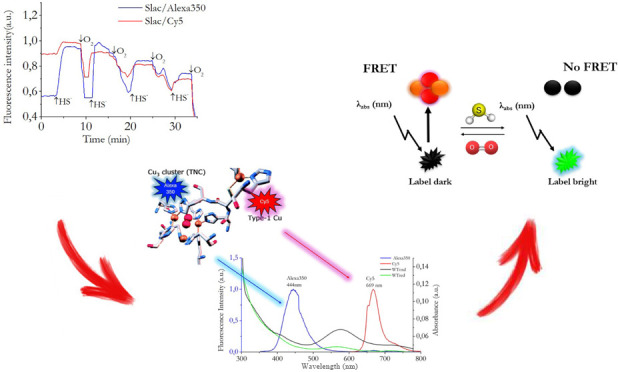 Figure 11
Peer Reviews
No public reviews on file for this paper yet. If you reviewed it on a platform where reviews are public (OpenReview, ICLR, NeurIPS, ICML), you can paste yours below so the community can read it here.
Videos
No videos yet. Explain this paper in a talk, walkthrough, or lecture? Add one.
Taxonomy
TopicsMolecular Sensors and Ion Detection · Molecular Junctions and Nanostructures · Sulfur Compounds in Biology