Autotrophic growth of Thermus sp. PS18 and its genomic determinants shed light on the autotrophic lifestyle and its evolution in the Thermaceae family
Tatyana G. Sokolova, Alexander G. Elcheninov, Galina B. Slobodkina, Ekaterina A. Provotorova, Maria I. Zvereva, Alexander V. Lebedinsky, Nikolai A. Chernyh

TL;DR
A new thermophilic bacterium, Thermus brevis PS18, can grow autotrophically, revealing insights into autotrophy in the Thermaceae family.
Contribution
This is the first demonstration of autotrophy in the Thermaceae family and Deinococcota phylum.
Findings
Thermus brevis PS18 can grow autotrophically using thiosulfate under aerobic conditions.
Genomic analysis shows the Calvin-Benson-Bassham (CBB) cycle is central to autotrophic CO2 assimilation in Thermaceae.
Multiple Thermus strains were found to exhibit autotrophic growth, suggesting widespread autotrophy in the family.
Abstract
A thermophilic bacterial strain PS18 was isolated from a hot spring on Kunashir Island under aerobic autotrophic conditions and identified as Thermus brevis. Autotrophy has never been demonstrated in representatives of the Thermaceae family or the entire Deinococcota phylum. T. brevis PS18, in addition to the capacity for heterotrophic growth, showed sustainable autotrophic growth on thiosulfate in aerobic conditions. It could also grow anaerobically with formate and nitrate. Autotrophic growth of T. brevis PS18 was characterized in growth experiments, as well as by radioisotopic, genomic and proteomic analyses, and the leading role of the CBB cycle was demonstrated. Analysis of Deinococcota genomes available in GenBank revealed CBB cycle determinants in 24 species of the Thermaceae family. We further demonstrated autotrophic growth of T. caldilimi YIM 78456T, one of the carriers of CBB…
Genes, proteins, chemicals, diseases, species, mutations and cell lines named across the full text — each resolved to its canonical identifier and authoritative record.
Click any figure to enlarge with its caption.
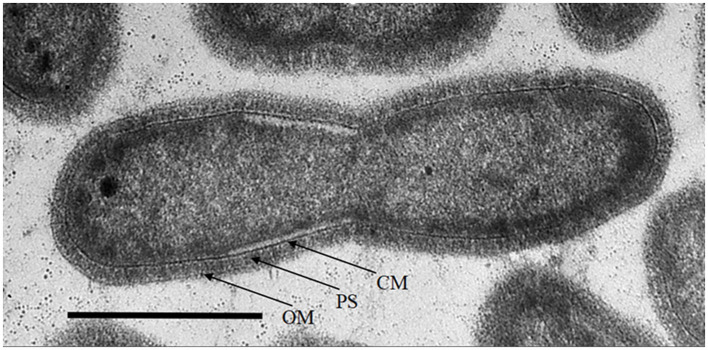 Figure 1
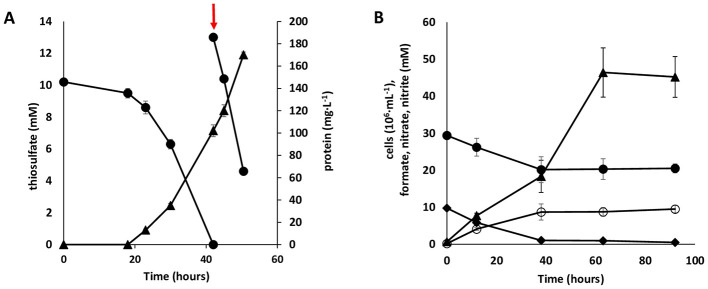 Figure 2
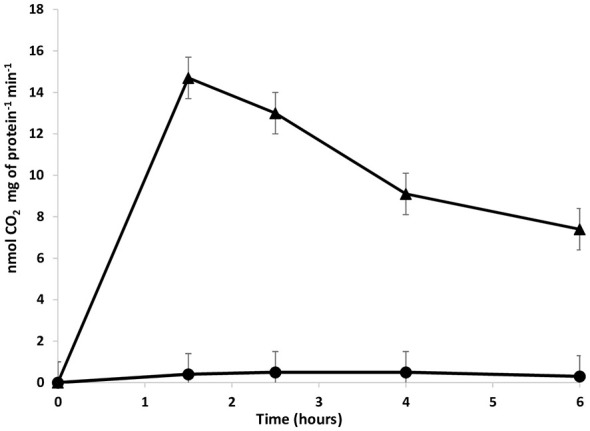 Figure 3
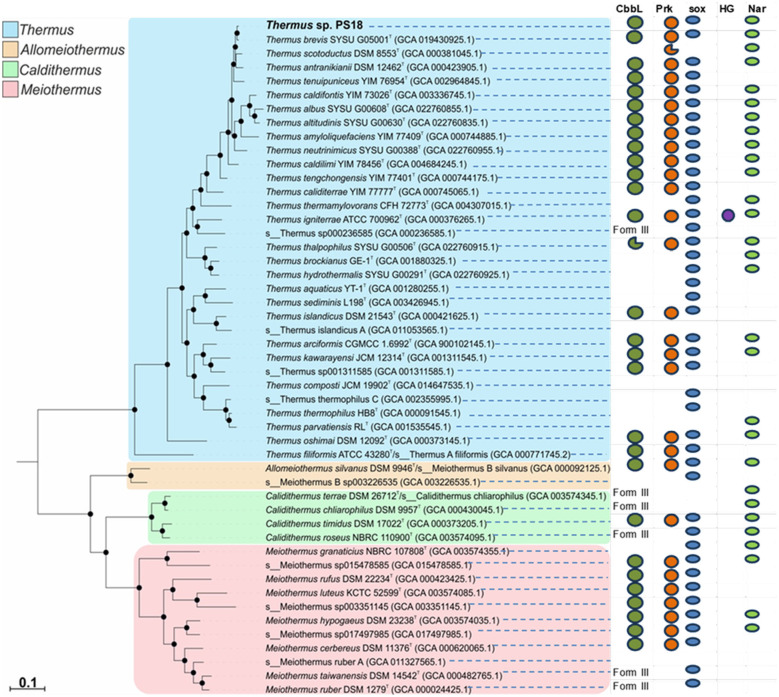 Figure 4
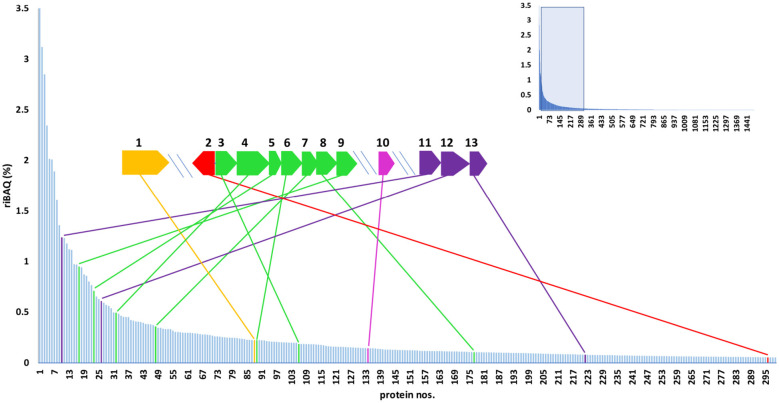 Figure 5
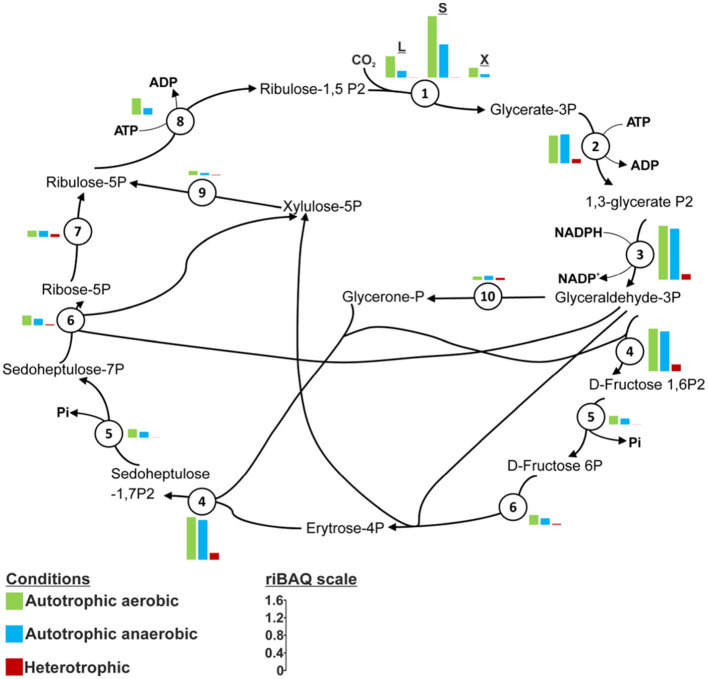 Figure 6
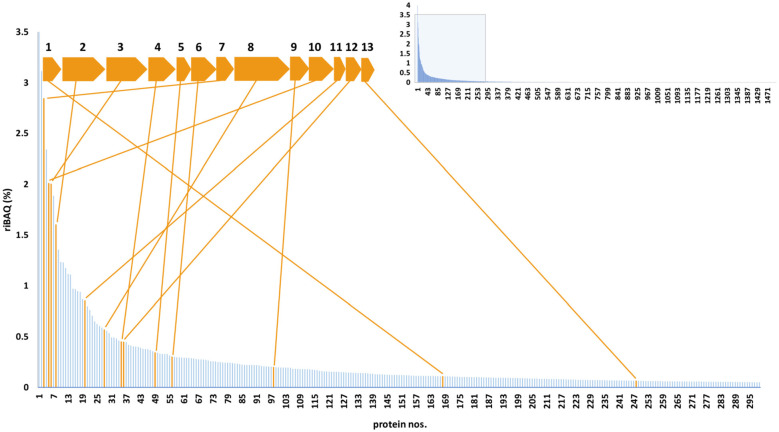 Figure 7
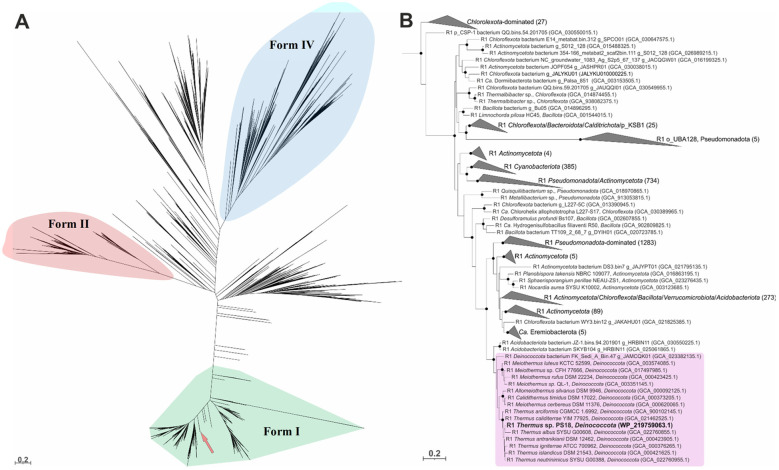 Figure 8
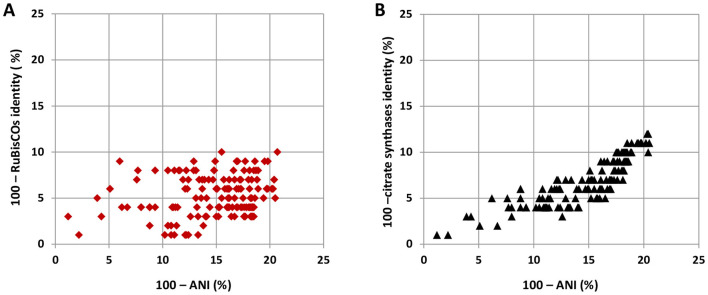 Figure 9
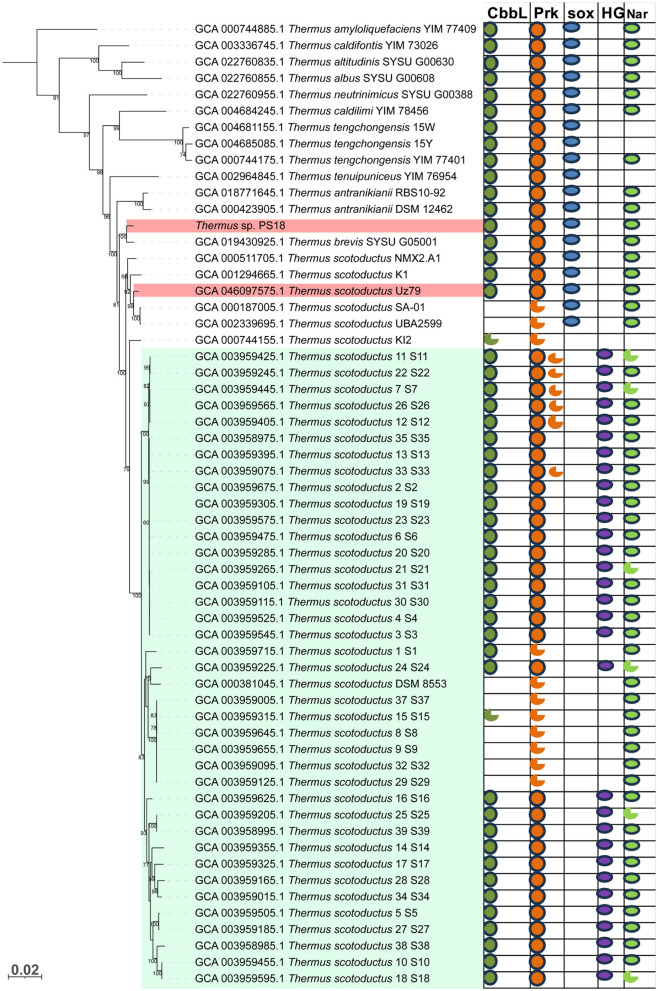 Figure 10
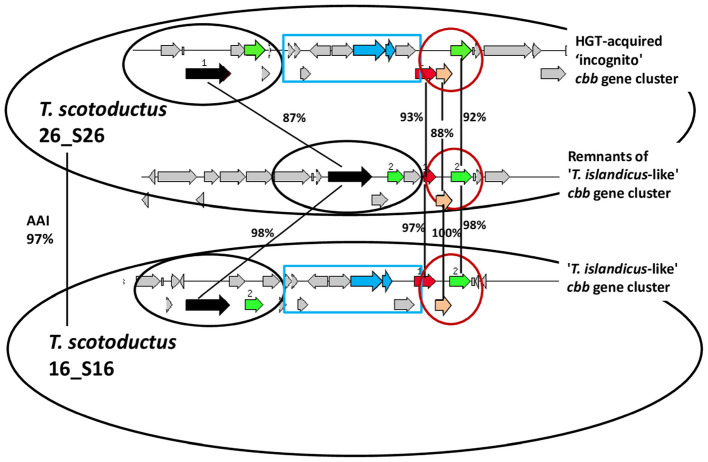 Figure 11
Peer Reviews
No public reviews on file for this paper yet. If you reviewed it on a platform where reviews are public (OpenReview, ICLR, NeurIPS, ICML), you can paste yours below so the community can read it here.
Videos
No videos yet. Explain this paper in a talk, walkthrough, or lecture? Add one.
Taxonomy
TopicsMicrobial Community Ecology and Physiology · Diatoms and Algae Research · Genomics and Phylogenetic Studies