Adoptive cellular therapy prevents reconstitution of myeloid-derived suppressor cells in the glioma tumor microenvironment
John W Figg, Caitland Love, Sofia Stansbury, Dan Jin, Connor Francis, Bayli DiVita Dean, Alexandra Reid, Mia Engelbart, Illeana West, Laura Falceto Font, Diana Feier, Ghaidaa Ebrahim, Rachael Bessey, David Hilferty, Oleg Yegorov, Changling Yang, Kaytora Long-James

TL;DR
Adoptive cellular therapy prevents myeloid-derived suppressor cells from accumulating in brain tumors, improving immune response and survival in glioma models.
Contribution
This study reveals a novel mechanism by which adoptive cellular therapy limits MDSC accumulation in the tumor microenvironment through TAM-derived CCL12 reduction.
Findings
Adoptive cellular therapy prevents MDSC accumulation in the tumor microenvironment while allowing their reconstitution in secondary lymphoid organs.
Adoptive cellular therapy reduces CCL12 levels in the tumor microenvironment, and TAM-derived CCL12 neutralization inhibits MDSC migration in vitro.
Loss of intratumoral immunosuppressive elements and TAM-derived CCL12 is associated with improved immune response after immunotherapy.
Abstract
Glioblastoma (GBM) is an aggressive brain cancer infiltrated by immunosuppressive myeloid-derived suppressor cells (MDSCs) and confers poor prognosis. To address this, our group developed an adoptive cellular therapy platform specifically for primary central nervous system (CNS) malignancies that yielded significant survival benefits against multiple brain cancer models. Preclinically, this platform establishes proof-of-concept for lymphodepletion achieved through host conditioning with total body irradiation (TBI). While host conditioning is thought to remove immunosuppressive elements, the aim of this study was to determine how immune recovery is affected by adoptive cellular therapy. The adoptive cellular therapy platform includes myeloablative TBI, hematopoietic stem cell rescue, tumor-specific T cells, and dendritic cell vaccines. KR158B glioma-bearing mice were treated with…
Genes, proteins, chemicals, diseases, species, mutations and cell lines named across the full text — each resolved to its canonical identifier and authoritative record.
Click any figure to enlarge with its caption.
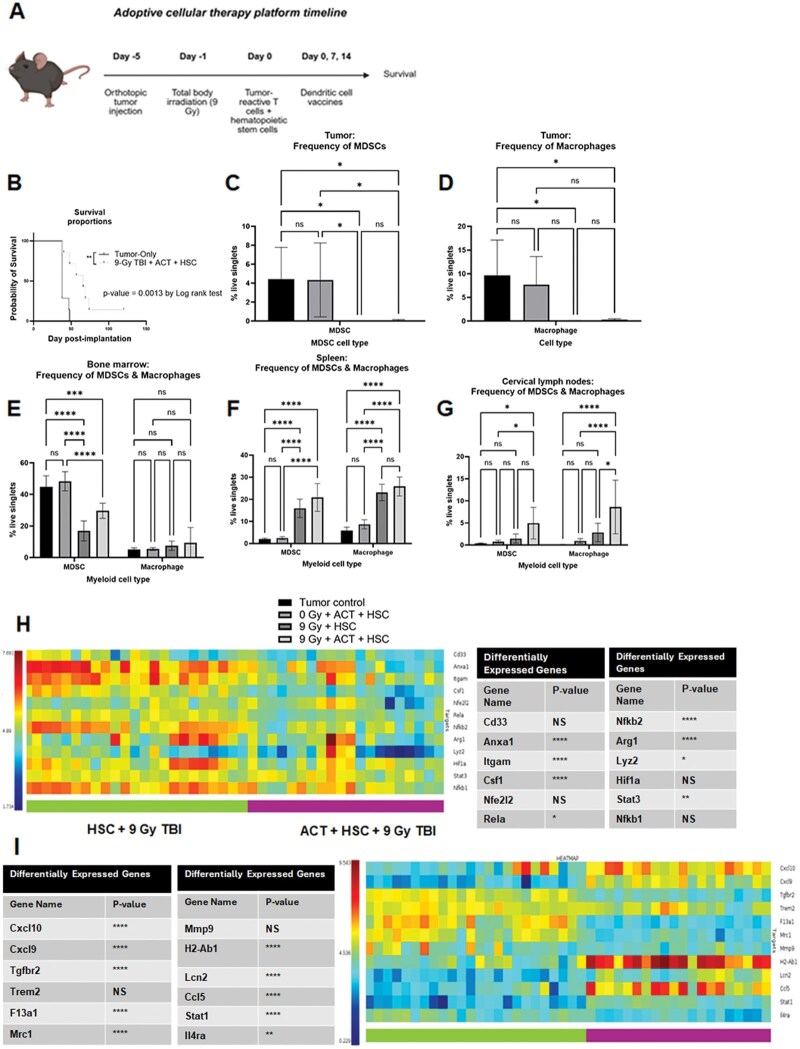 Figure 1
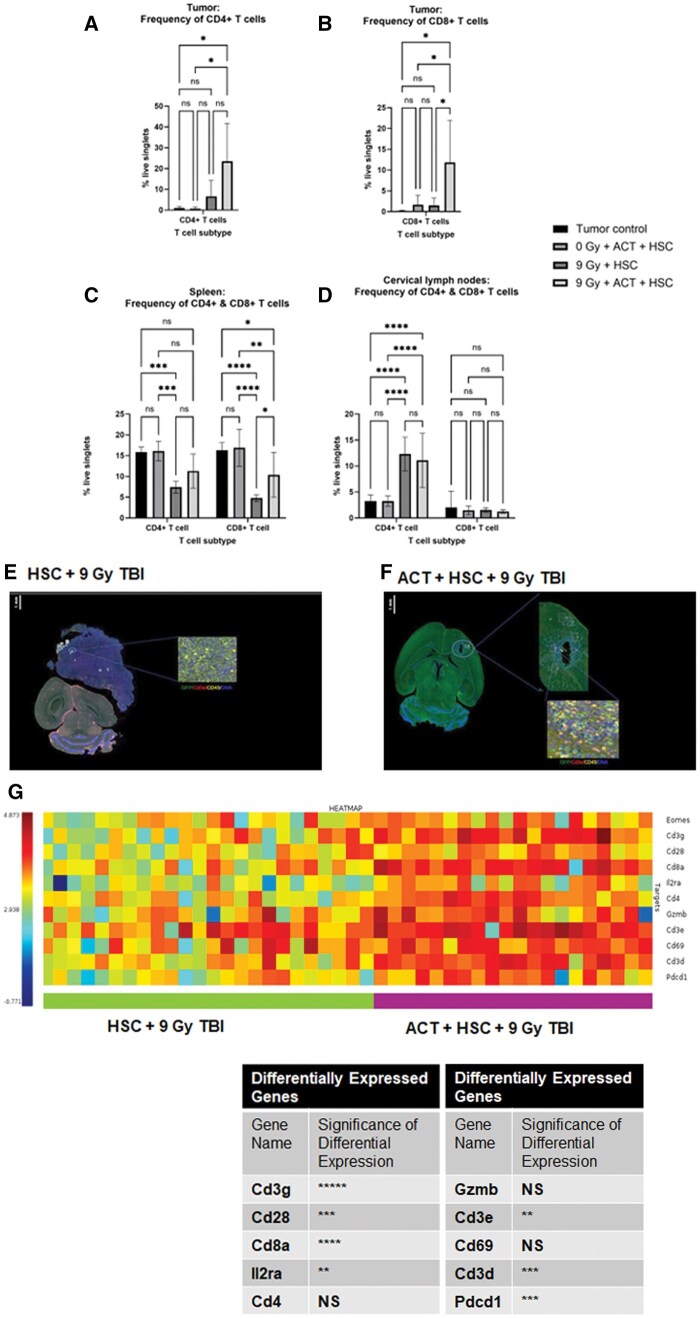 Figure 2
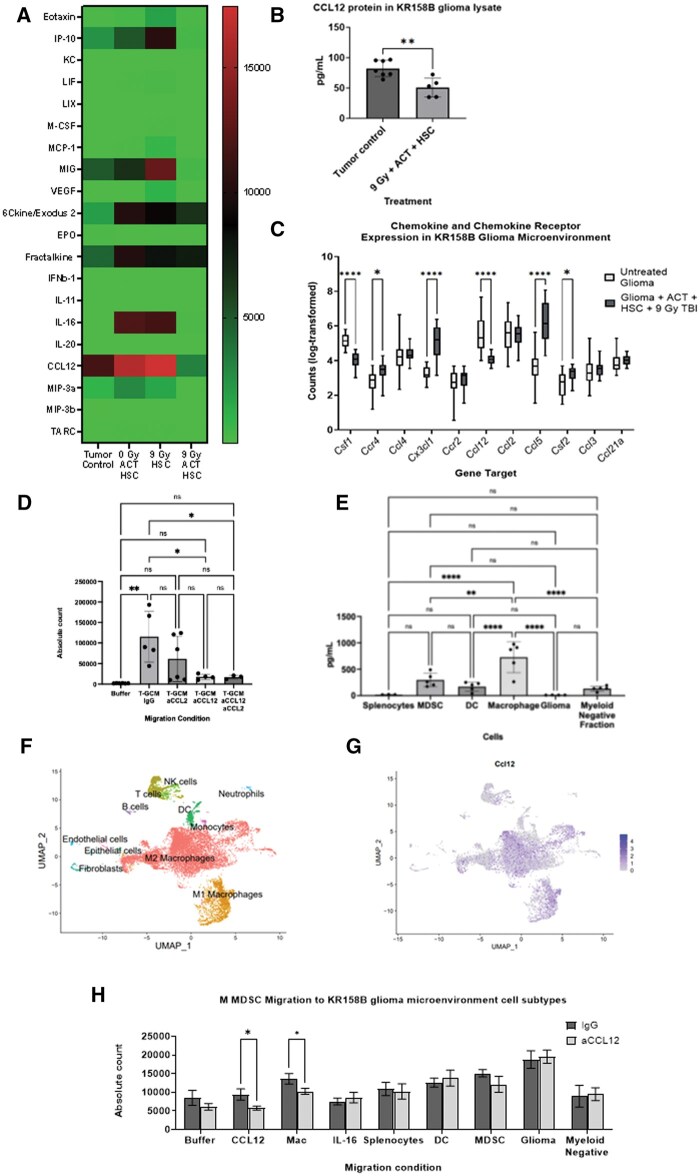 Figure 3
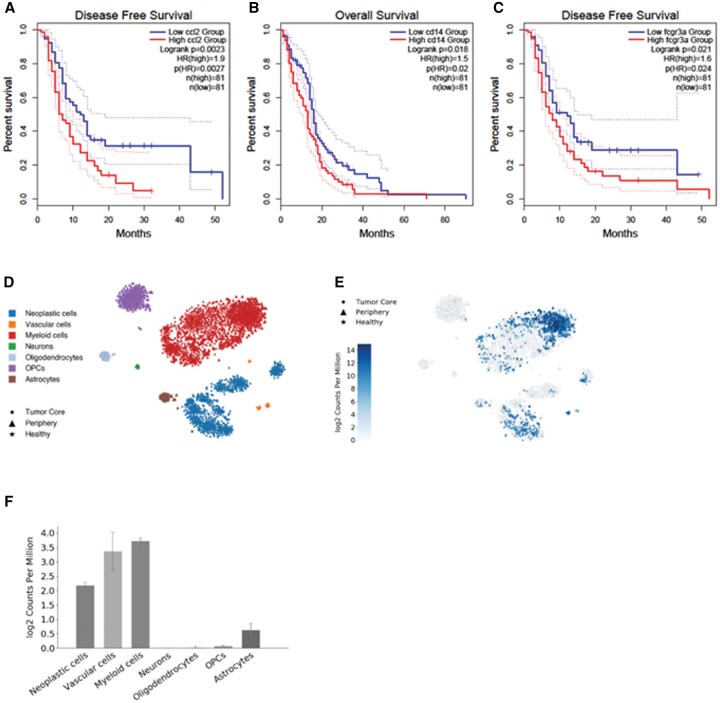 Figure 4
Peer Reviews
No public reviews on file for this paper yet. If you reviewed it on a platform where reviews are public (OpenReview, ICLR, NeurIPS, ICML), you can paste yours below so the community can read it here.
Videos
No videos yet. Explain this paper in a talk, walkthrough, or lecture? Add one.
Taxonomy
TopicsImmune cells in cancer · Glioma Diagnosis and Treatment · CNS Lymphoma Diagnosis and Treatment