The use of intact fish skin grafts in the treatment of acute complicated bite wounds: a case report
Ivan Adamovic, Hans-Dieter Mäder, Alexander Golowan, Kostas Michael, Thibika Sivakumar, Jörg Lucian, Lukas Krähenbühl

TL;DR
This case report describes the successful use of fish skin grafts to treat a severe dog bite wound in a patient with diabetes and arthritis.
Contribution
The paper introduces the use of intact fish skin grafts as a novel treatment for contaminated bite wounds in immunocompromised patients.
Findings
An intact fish skin graft was successfully used to treat a contaminated bite wound in a patient with comorbidities.
The treatment combination included surgical debridement, antibiotics, and the fish skin graft, leading to effective wound healing.
The patient showed no signs of infection and the wound healed without complications.
Abstract
The management of complex bite wounds, particularly in patients with comorbidities, presents a significant clinical challenge due to the high risk of infection and prolonged healing times. This case report highlights the successful use of intact fish skin grafts as a novel treatment modality for a primary contaminated bite wound at the patient with comorbidities such as diabetes mellitus and rheumatoid artritis with cortisone use. A 54-year-old European female patient with a medical history of rheumatoid arthritis and type 2 diabetes mellitus presented with a large, full-thickness dog bite wound on her right lower leg. Surgical debridement and broad-spectrum antibiotic administration, an intact Kerecis fish skin graft was applied and secured. The application of an intact fish skin xenograft, combined with surgical debridement and appropriate antibiotic therapy, proved to be a highly…
Genes, proteins, chemicals, diseases, species, mutations and cell lines named across the full text — each resolved to its canonical identifier and authoritative record.
Click any figure to enlarge with its caption.
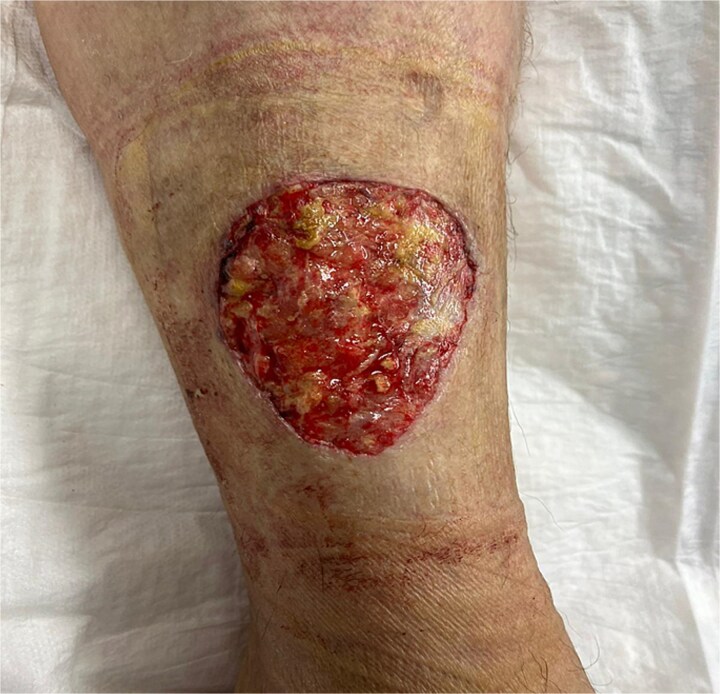 Figure 1
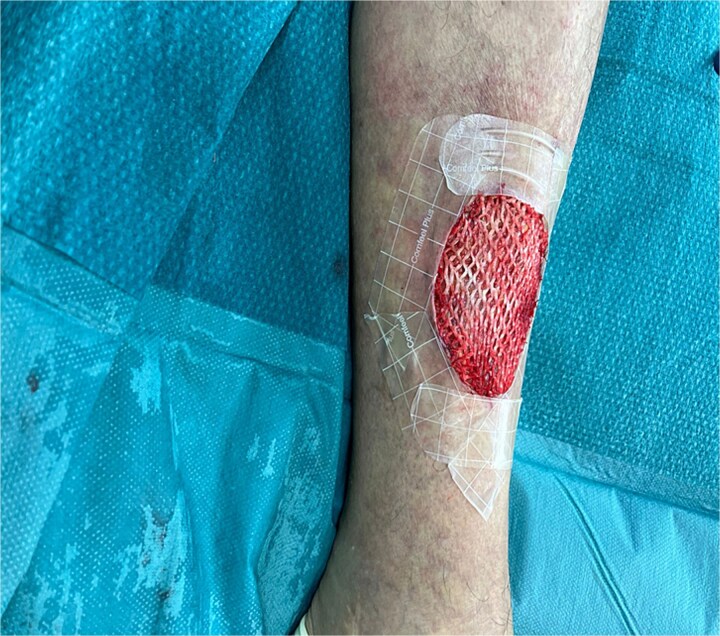 Figure 2
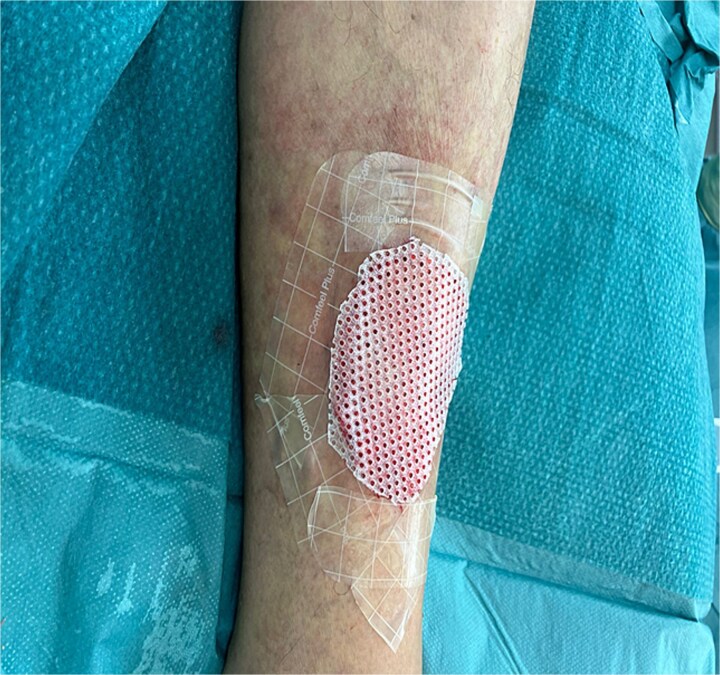 Figure 3
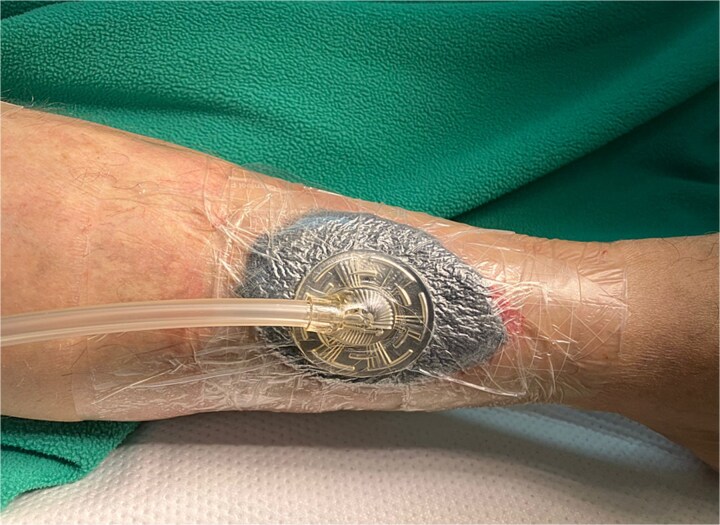 Figure 4
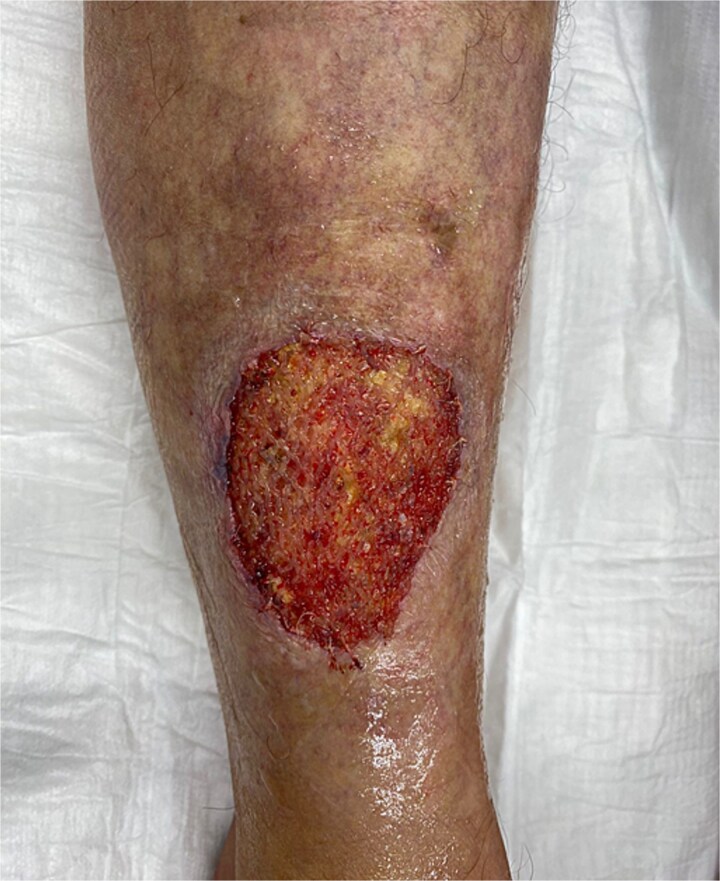 Figure 5
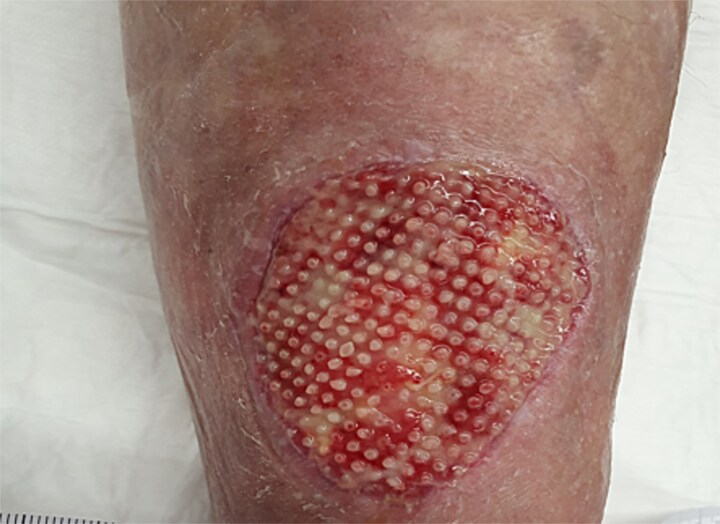 Figure 6
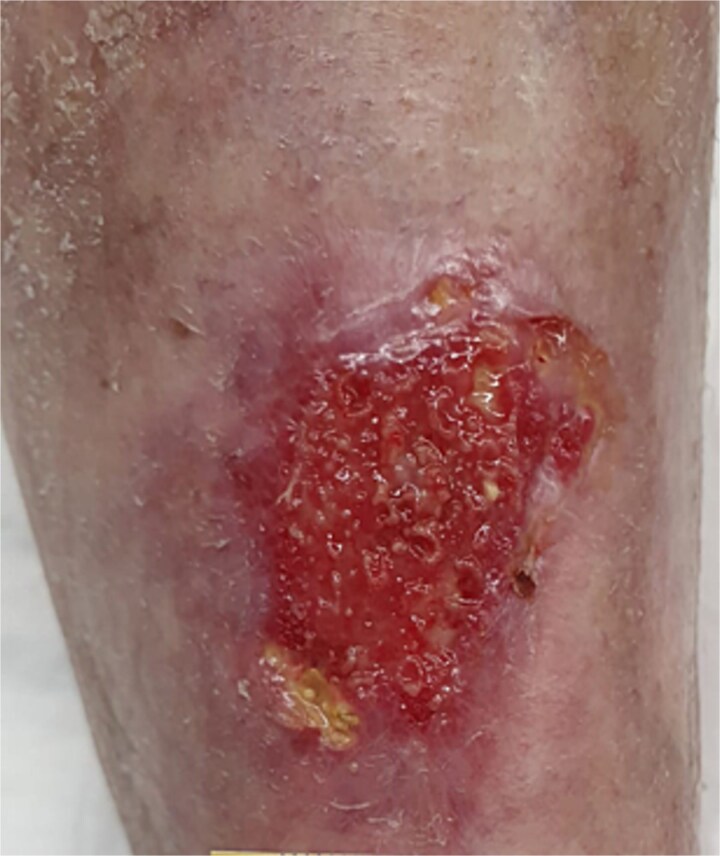 Figure 7
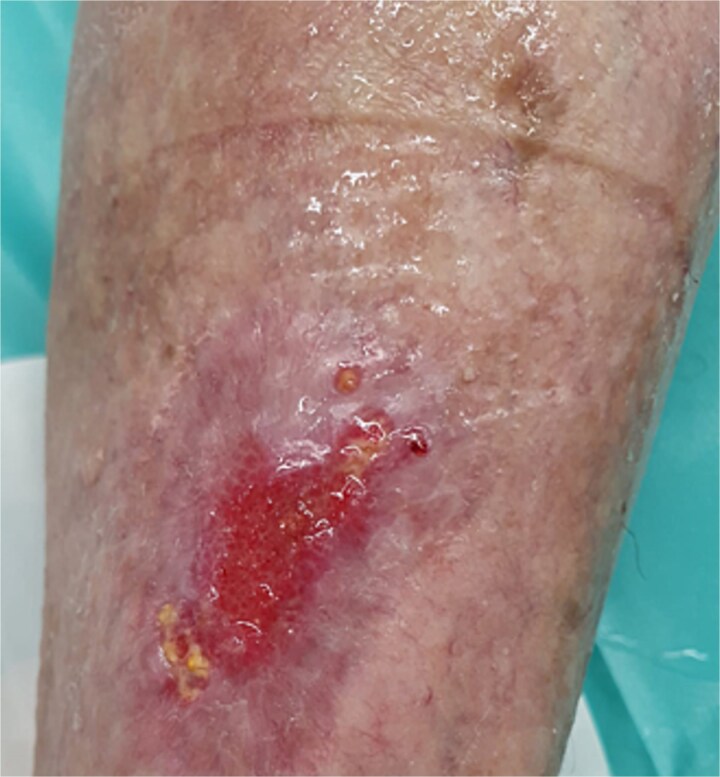 Figure 8
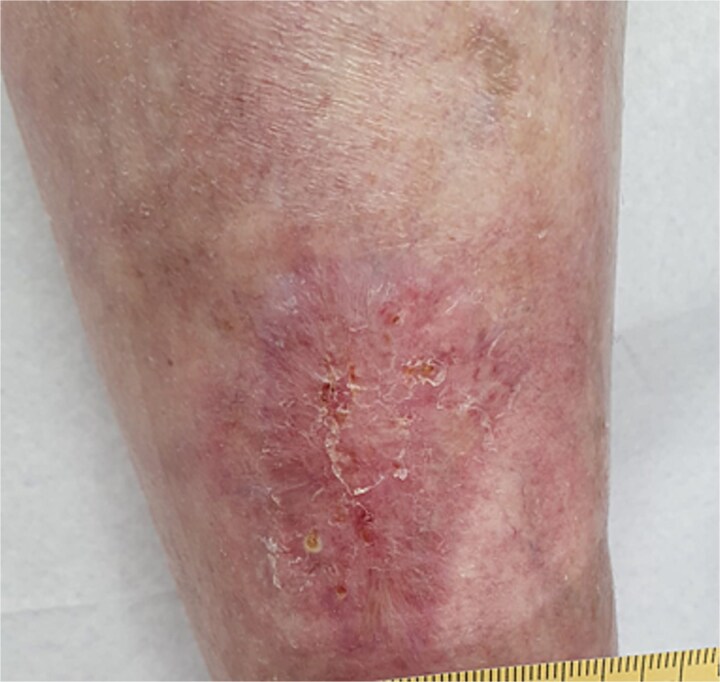 Figure 9
Peer Reviews
No public reviews on file for this paper yet. If you reviewed it on a platform where reviews are public (OpenReview, ICLR, NeurIPS, ICML), you can paste yours below so the community can read it here.
Videos
No videos yet. Explain this paper in a talk, walkthrough, or lecture? Add one.
Taxonomy
TopicsMarine Invertebrate Physiology and Ecology · Rabies epidemiology and control · Venomous Animal Envenomation and Studies