Advances in pH‐Sensitive Luminescent Transition Metal Complexes for Theranostic Applications
Bishnu Das, Sakira Tabassum Borah

TL;DR
This paper reviews recent progress in pH-sensitive luminescent metal complexes for sensing and cancer treatment.
Contribution
The first comprehensive review connecting luminescence modulation with theranostic function in pH-sensitive transition metal complexes.
Findings
pH changes significantly affect luminescence through protonation and charge-transfer processes.
Ruthenium(II) complexes are highlighted for their tunable properties and suitability in biological environments.
Design strategies for reliable pH sensing and imaging are outlined based on mechanistic insights.
Abstract
pH sensitive luminescent transition metal complexes are emerging as next generation molecular probes for sensing, bioimaging, and cancer theranostics. Small variations in protonation state can markedly influence their photophysical behavior by modulating charge‐transfer processes, excited‐state energetics, and noncovalent interactions, resulting in pronounced and often reversible changes in emission intensity or wavelength. In this review, we examine recent advances in the design of pH‐responsive luminescent transition metal complexes and discuss the mechanistic origins of their pH sensitivity, including protonation‐deprotonation equilibria, hydrogen‐bonding effects, and aggregation‐induced phenomena. Particular emphasis is placed on ruthenium(II) and related complexes, which offer long‐lived excited states, structural robustness, and wide tunability through rational ligand design. We…
Genes, proteins, chemicals, diseases, species, mutations and cell lines named across the full text — each resolved to its canonical identifier and authoritative record.
Click any figure to enlarge with its caption.
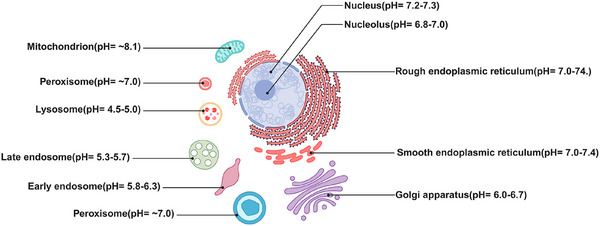 Figure 1
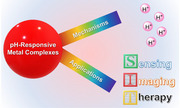 Figure 2
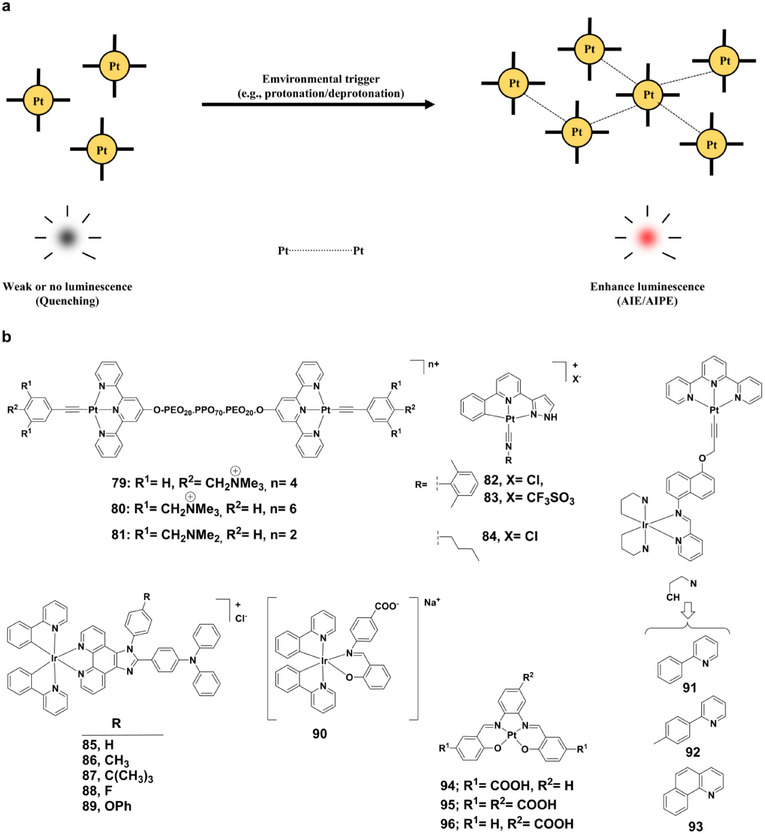 Figure 3
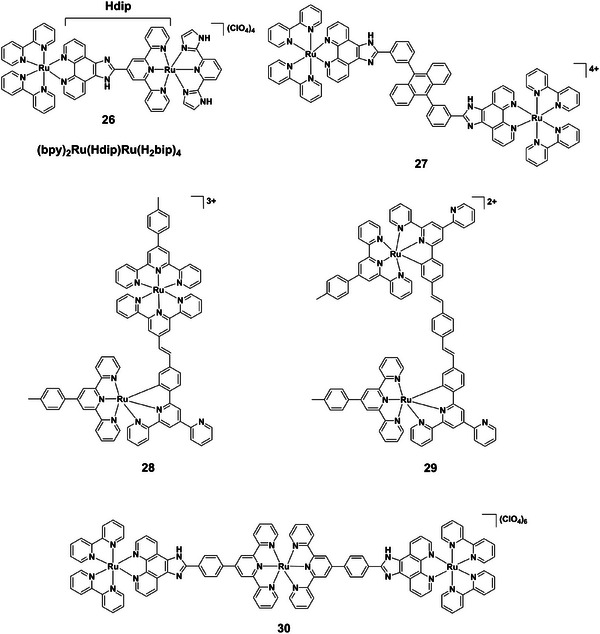 Figure 4
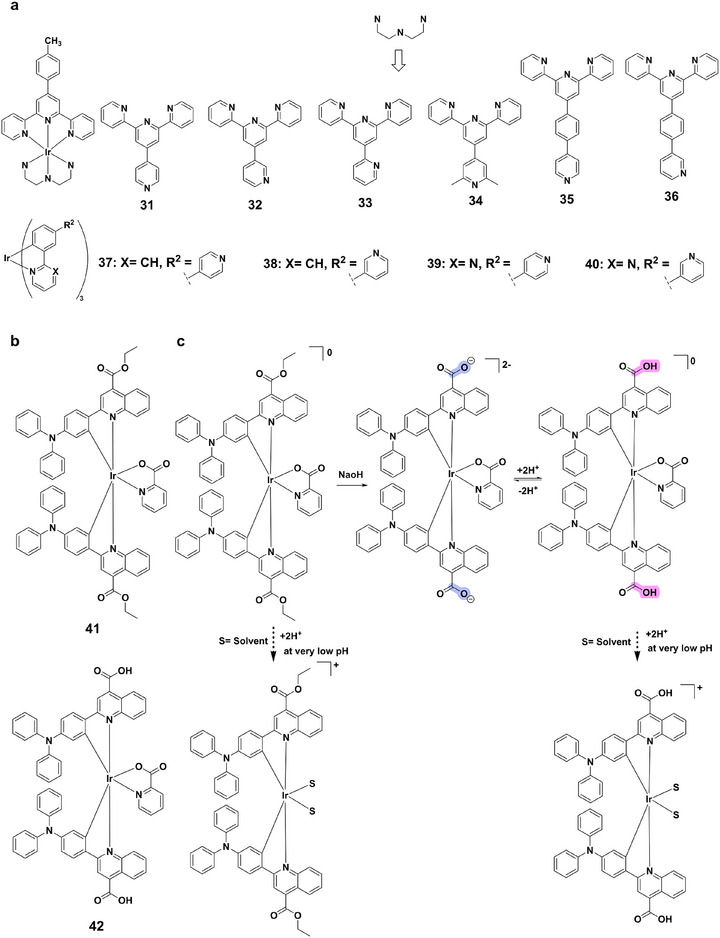 Figure 5
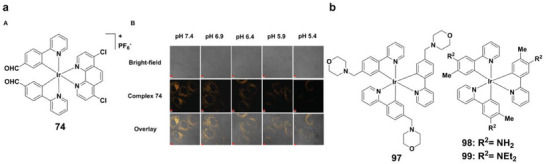 Figure 6
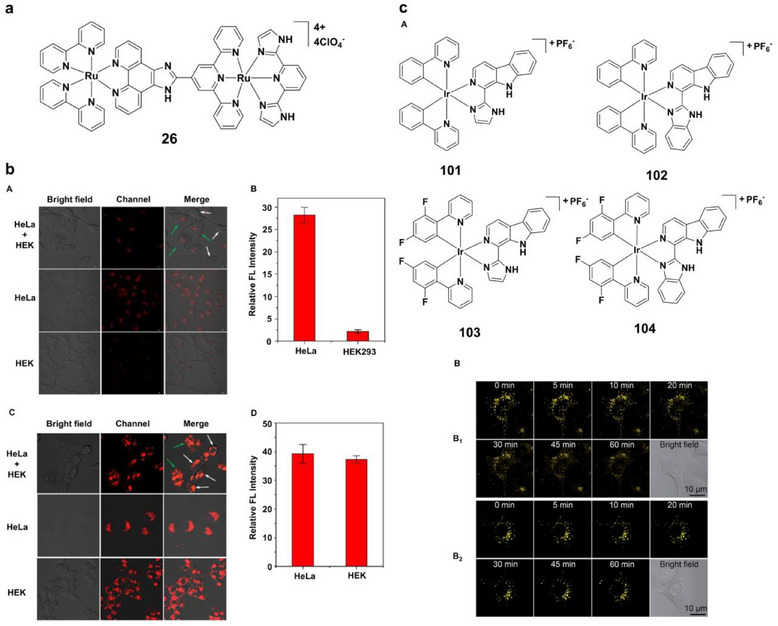 Figure 7
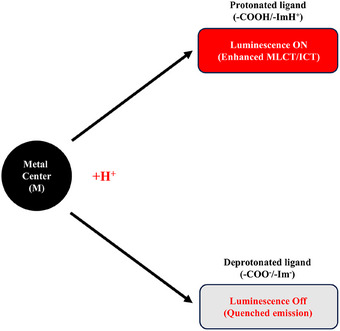 Figure 8
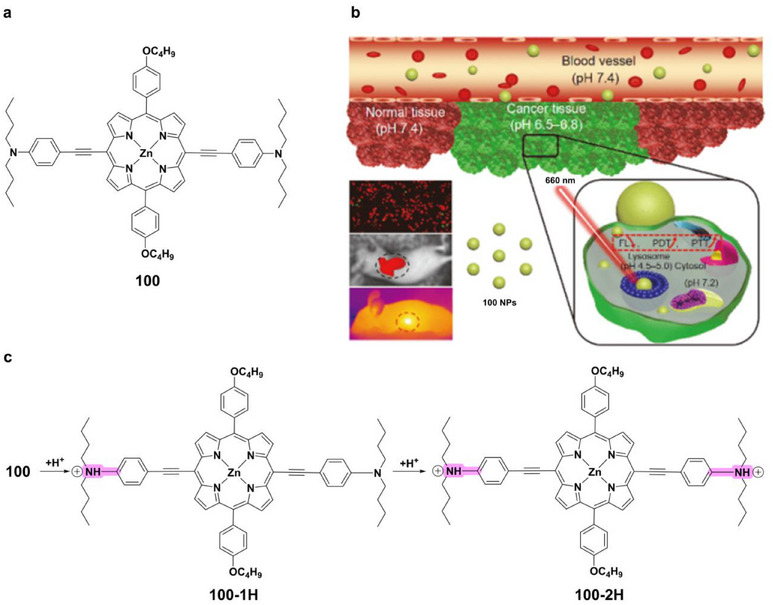 Figure 9
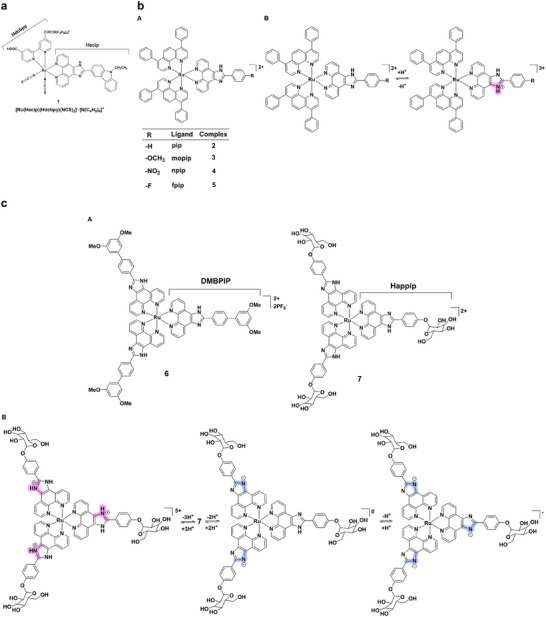 Figure 10
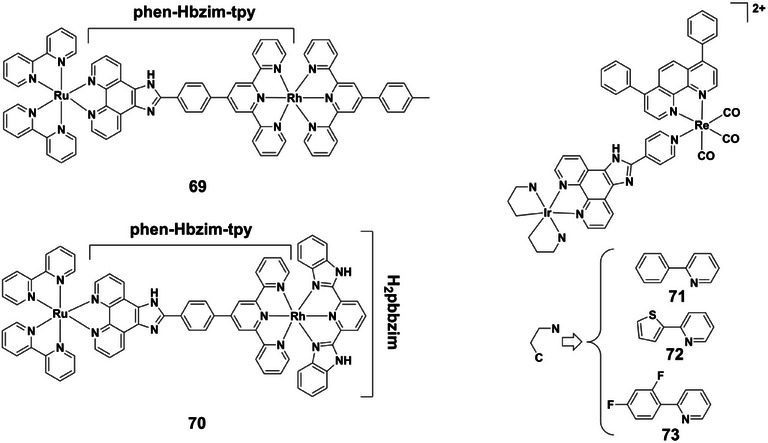 Figure 11
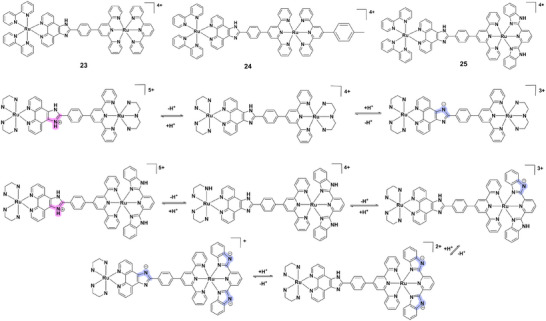 Figure 12
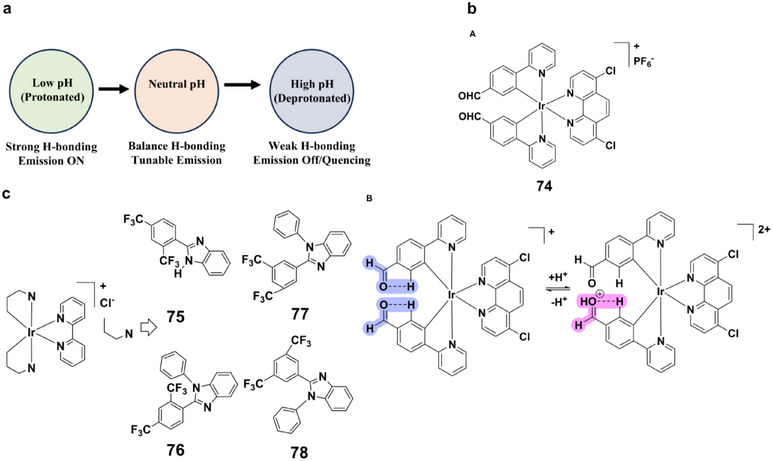 Figure 13
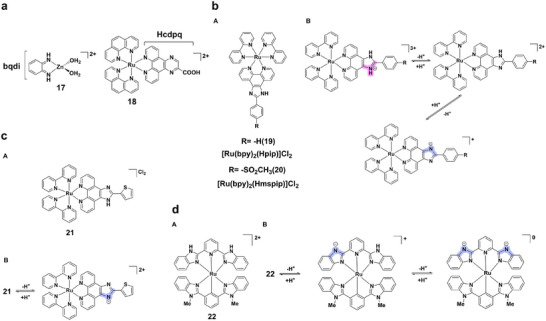 Figure 14
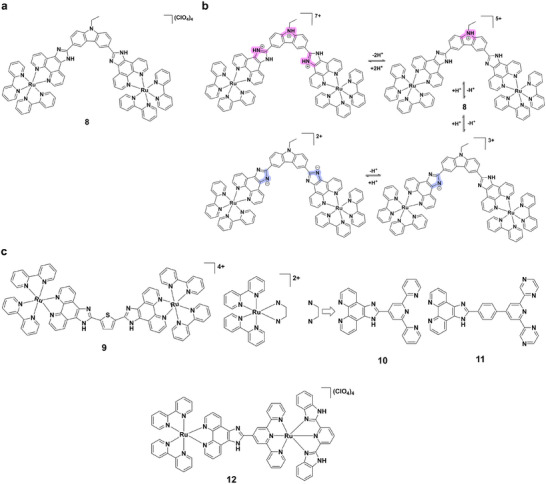 Figure 15
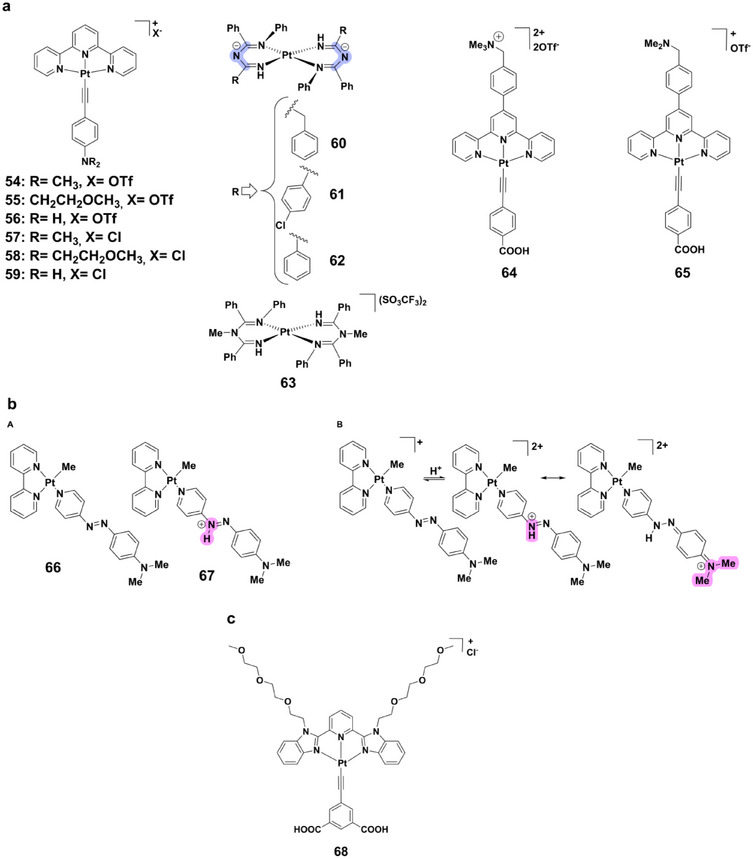 Figure 16
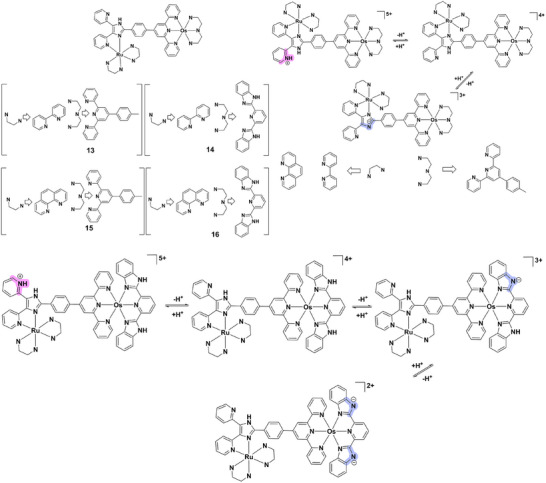 Figure 17
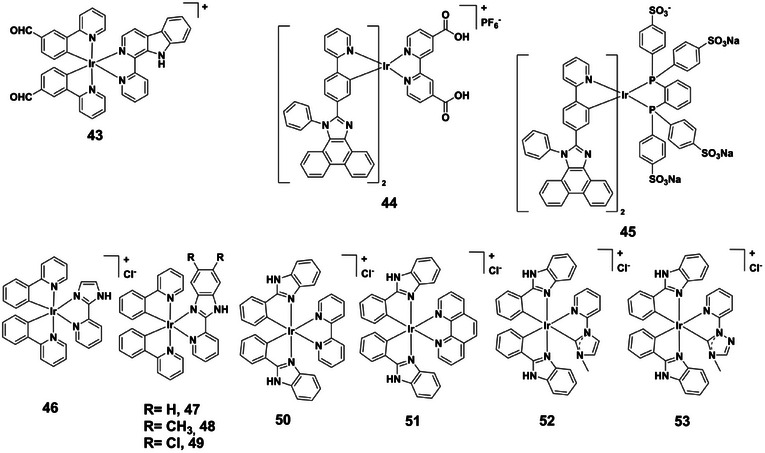 Figure 18
Peer Reviews
No public reviews on file for this paper yet. If you reviewed it on a platform where reviews are public (OpenReview, ICLR, NeurIPS, ICML), you can paste yours below so the community can read it here.
Videos
No videos yet. Explain this paper in a talk, walkthrough, or lecture? Add one.
Taxonomy
TopicsMolecular Sensors and Ion Detection · Analytical Chemistry and Sensors · Supramolecular Chemistry and Complexes