Circularity in Polyamide Textiles: Enhancing Recycled Polymer Molar Mass with Carbodiimide Linear Coupling
Graziela S. Baccarin, Mateus O. Costa, Rodrigo H. dos S. Garcia, Bruno Trebbi, Eduardo R. de Azevedo, Marco A. B. Ferreira, Lucas H. Staffa, Sandra A. Cruz

TL;DR
This paper introduces a new recycling method for polyamide 6 textiles using carbodiimide to increase polymer molar mass and improve circularity.
Contribution
A novel carbodiimide-based recycling method is proposed to recover PA6 molar mass and enable cradle-to-cradle textile recycling.
Findings
CDI increased molar mass of dry and wet PA6 by 40% and 75%, respectively.
CDI promotes linear chain extension rather than branching, confirmed by DFT calculations.
CDI-treated PA6 showed higher glass transition temperature and no tertiary carbon formation.
Abstract
Textile waste from clothing production poses growing environmental and economic challenges with global fabric disposal expected to reach 148 million tons by 2030. Polyamide 6 (PA6), commonly used in fabrics, degrades during recycling due to hydrolysis, lowering its molar mass and limiting its reuse. This study presents a method to recycle PA6 fabrics using a carbodiimide (CDI) additive, which acts as an antihydrolysis agent and chain extender, aiming for cradle-to-cradle recycling. Controlling physicochemical properties, especially molar mass, is crucial; yet, the mechanisms of molar mass recovery are not well-understood and can be affected by humidity. This work showed that CDI reduced degradation in both dry and wet PA6, increasing molar mass by 40% and 75%, respectively, as confirmed by rheological analysis. Molecular investigation through 13C NMR showed no tertiary carbon signals,…
Genes, proteins, chemicals, diseases, species, mutations and cell lines named across the full text — each resolved to its canonical identifier and authoritative record.
Click any figure to enlarge with its caption.
 Figure 1
 Figure 2
 Figure 3
 Figure 4
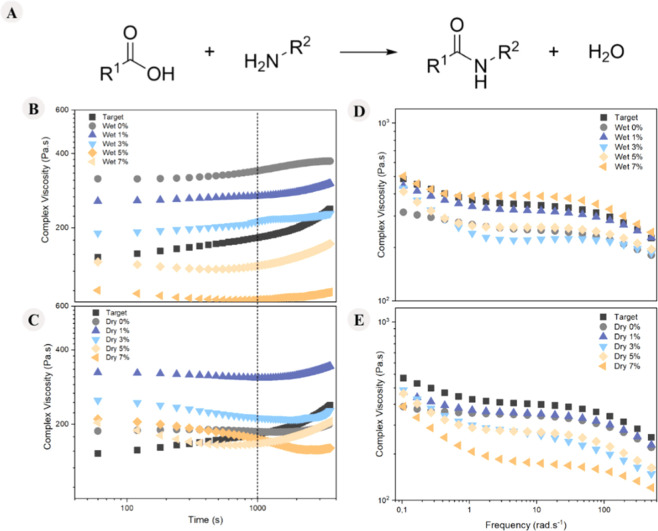 Figure 5
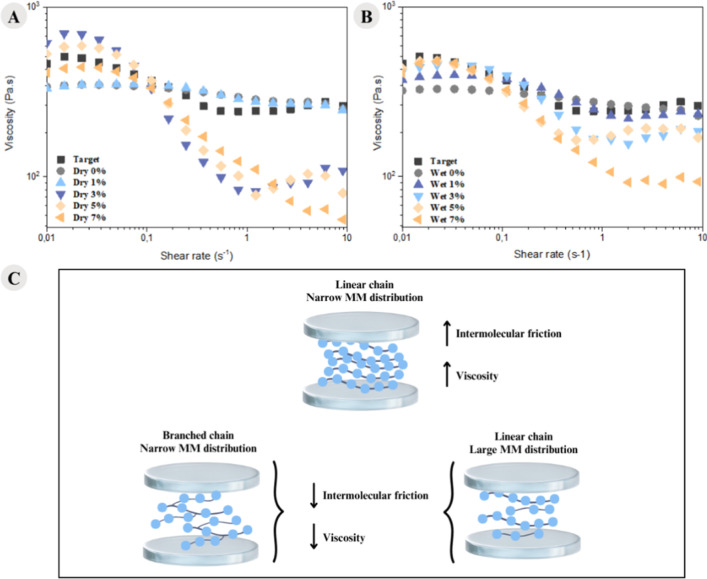 Figure 6
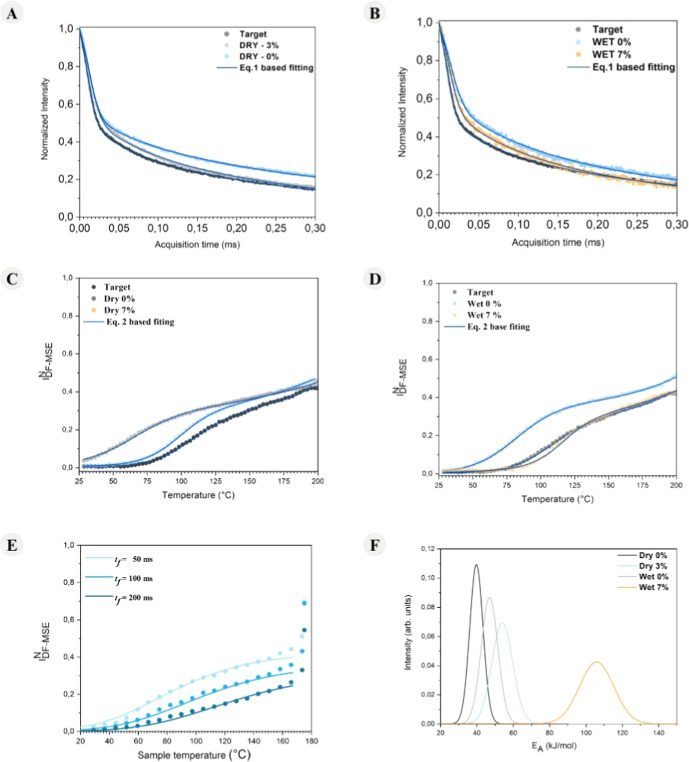 Figure 7
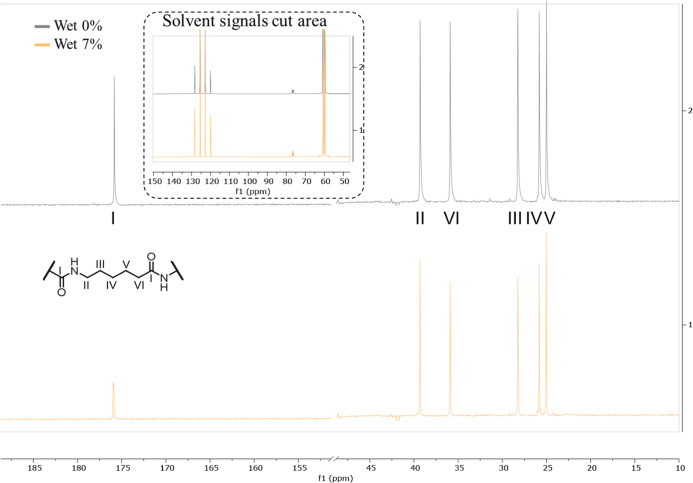 Figure 8
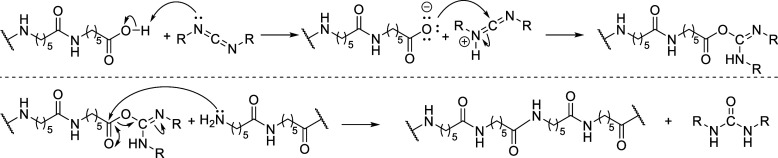 Figure 9
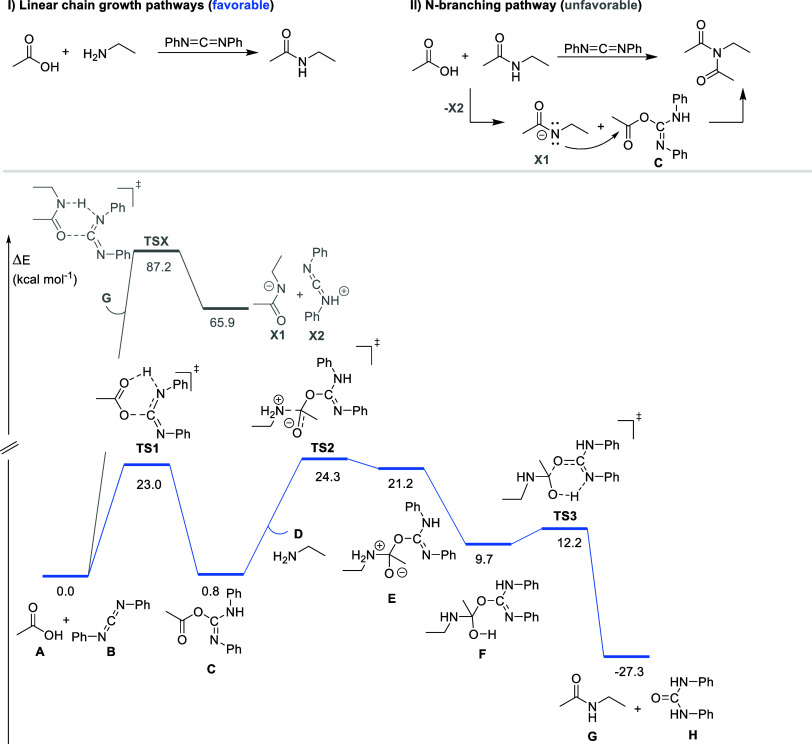 Figure 10
 Figure 11
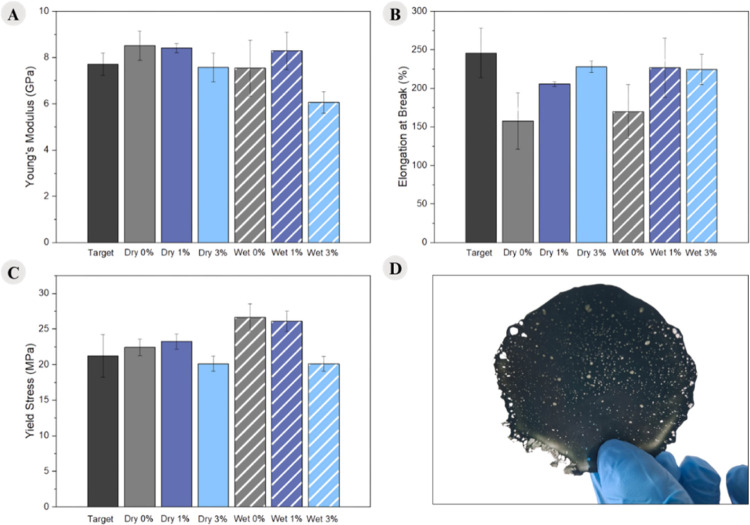 Figure 12
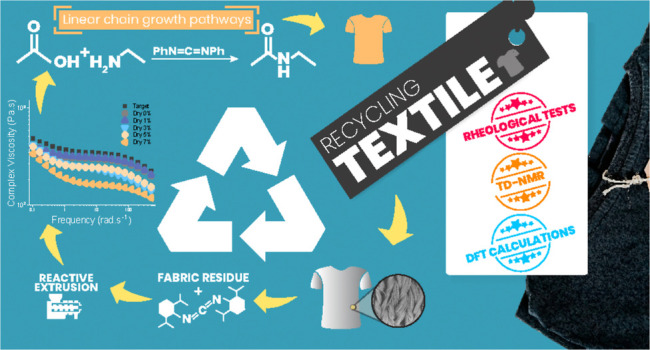 Figure 13
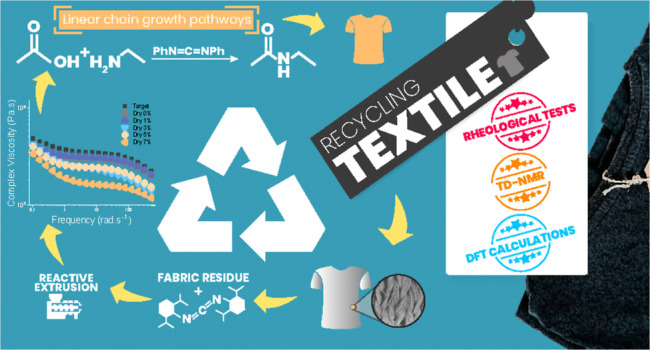 Figure 14
 Figure 15
 Figure 16
 Figure 17
 Figure 18
 Figure 19
 Figure 20
 Figure 21
Peer Reviews
No public reviews on file for this paper yet. If you reviewed it on a platform where reviews are public (OpenReview, ICLR, NeurIPS, ICML), you can paste yours below so the community can read it here.
Videos
No videos yet. Explain this paper in a talk, walkthrough, or lecture? Add one.
Taxonomy
TopicsPolymer crystallization and properties · Microplastics and Plastic Pollution · Fiber-reinforced polymer composites