Investigation of Hydrazine Electrooxidation Performance of Dihydrobenzothienopyranone Derivatives
Omruye Ozok Arıcı, Raffaella Mancuso, Bartolo Gabriele, Hilal Kivrak, Arif Kivrak

TL;DR
This study explores new organic compounds as efficient and low-cost alternatives to metal catalysts in fuel cells.
Contribution
The study introduces a dihydrobenzothienopyranone derivative (A5) as a promising organic catalyst for hydrazine electrooxidation.
Findings
A5 shows the highest electrochemical activity with a current density of 38.29 mA/cm².
A5 demonstrates excellent long-term stability and low charge transfer resistance.
A5 is a sustainable and cost-effective alternative to metal-based catalysts in fuel cells.
Abstract
This work presents the electrochemical activity of five dihydrobenzothienopyranone derivatives, A 1 –A 5 , toward the electrooxidation of hydrazine (N2H4) in alkaline media (1 M KOH + 0.5 M N2H4). All of the prepared catalysts were characterized by cyclic voltammetry (CV), chronoamperometry (CA), electrochemical impedance spectroscopy (EIS), and linear sweep voltammetry (LSV). Dihydrobenzothienopyranone (A 5 ) exhibits the highest electrochemical activity, with a current density of 38.29 mA/cm2. It also exhibited very good long-term stability, showing constant catalytic activities, current density, and low charge transfer resistance during extended periods, with relevant features for efficient energy conversion. These findings thus constitute evidence that A 5 might be an active but economically feasible alternative to the conventionally used transition metal-based catalysts such…
Genes, proteins, chemicals, diseases, species, mutations and cell lines named across the full text — each resolved to its canonical identifier and authoritative record.
Click any figure to enlarge with its caption.
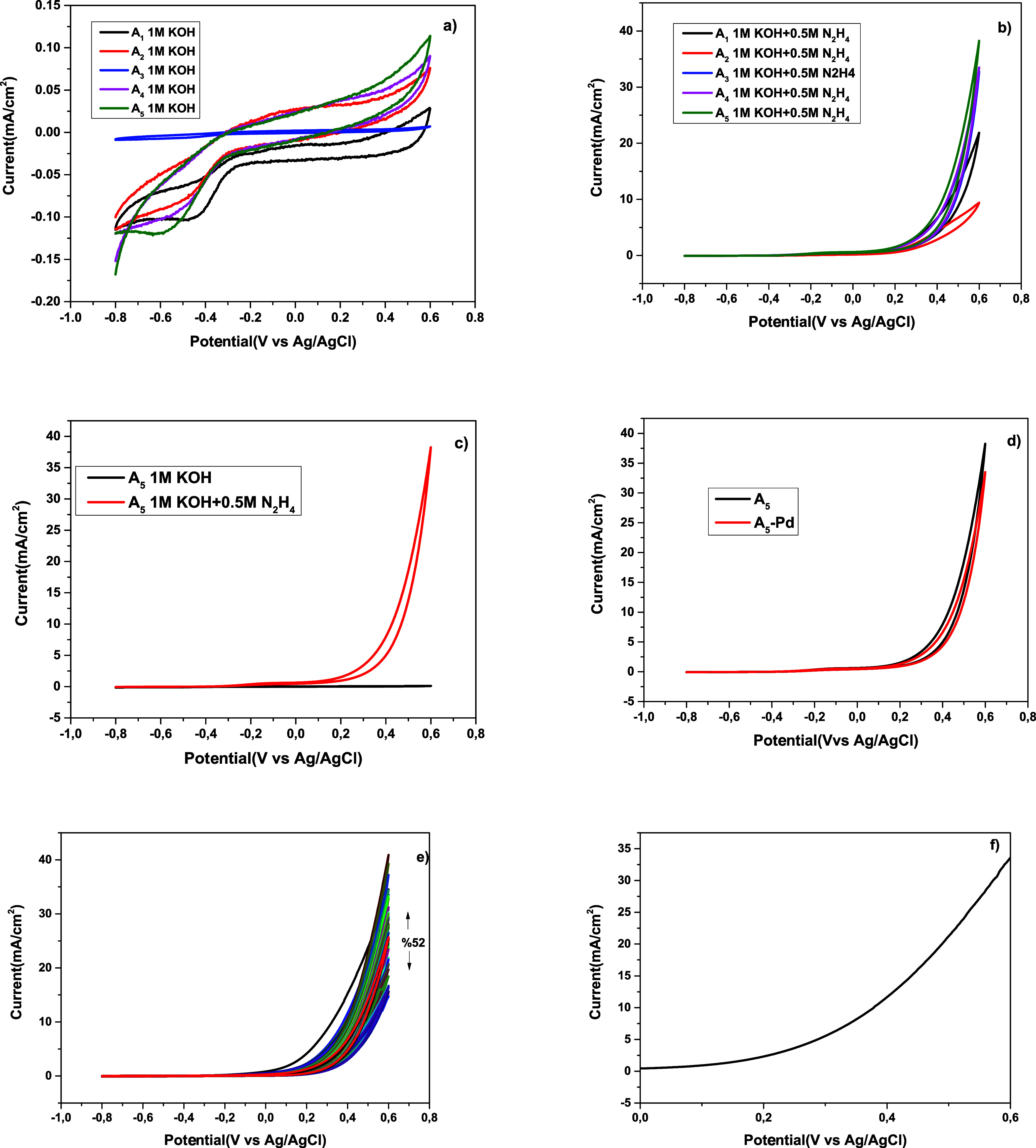 Figure 1
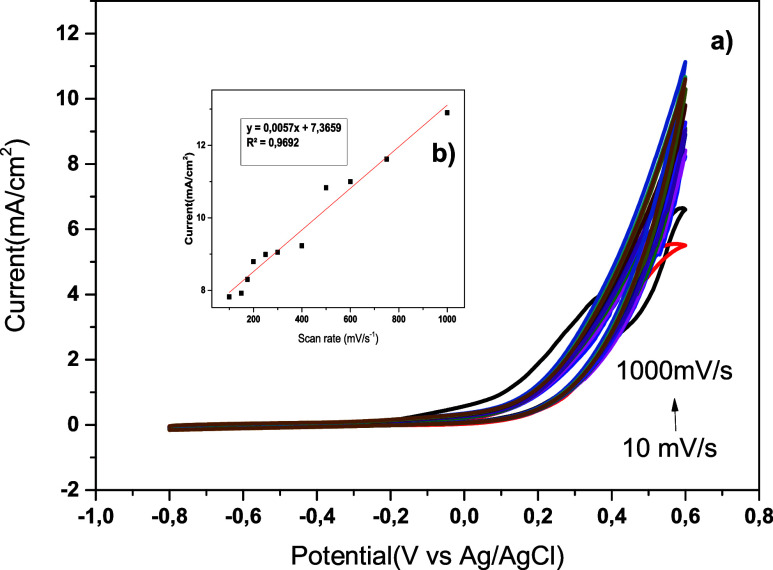 Figure 2
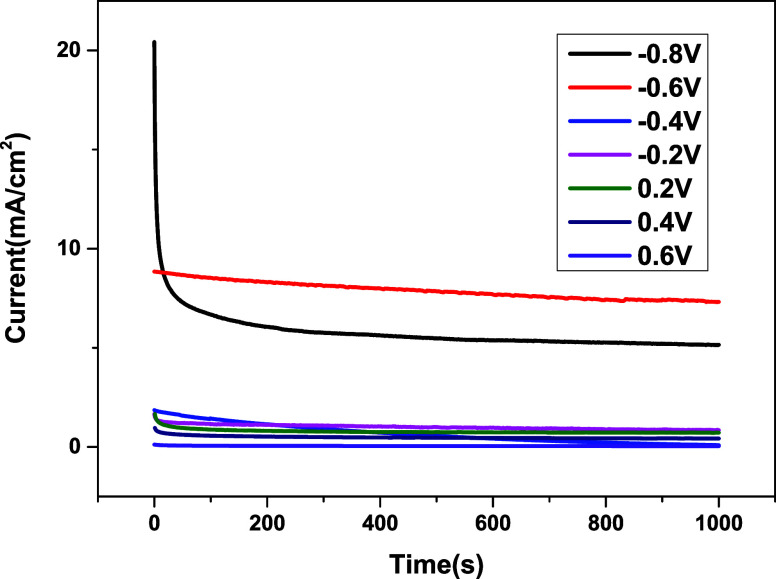 Figure 3
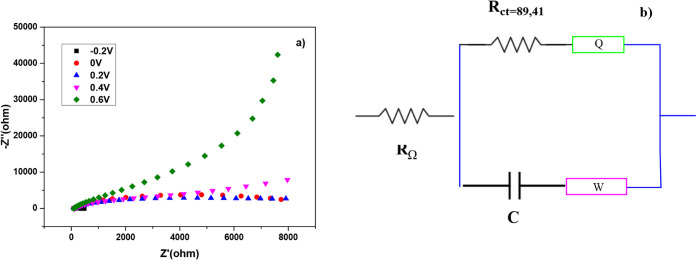 Figure 4
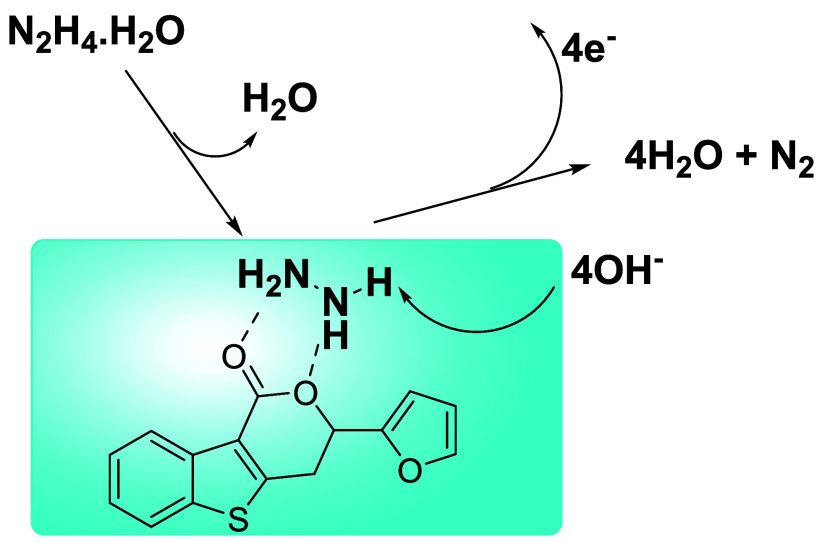 Figure 5
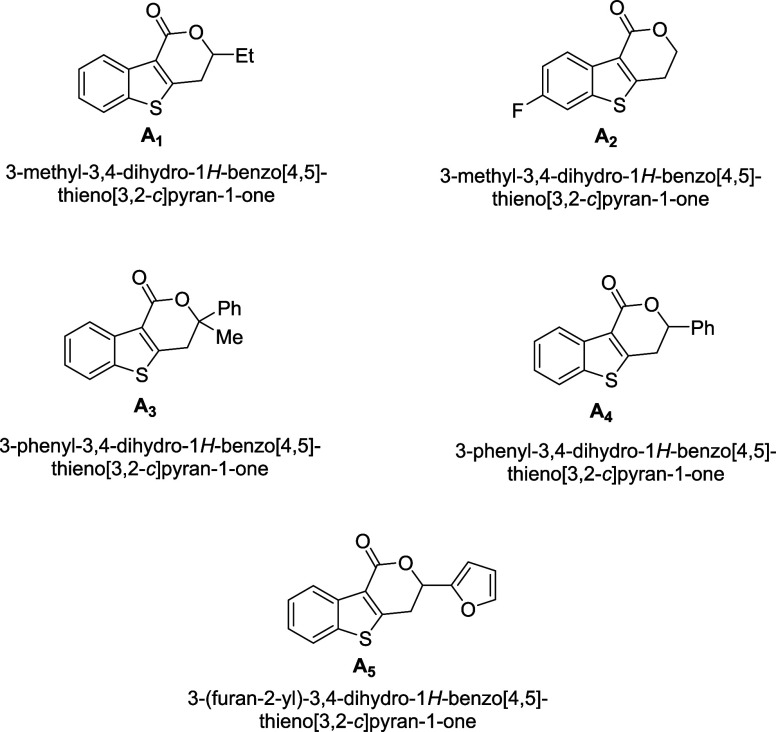 Figure 6
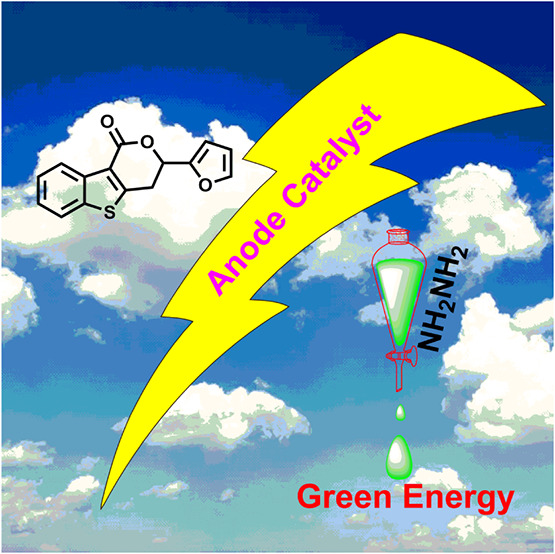 Figure 7
 Figure 8
 Figure 9
 Figure 10
 Figure 11
Peer Reviews
No public reviews on file for this paper yet. If you reviewed it on a platform where reviews are public (OpenReview, ICLR, NeurIPS, ICML), you can paste yours below so the community can read it here.
Videos
No videos yet. Explain this paper in a talk, walkthrough, or lecture? Add one.
Taxonomy
TopicsElectrocatalysts for Energy Conversion · Oxidative Organic Chemistry Reactions · Catalysis for Biomass Conversion