Chemosensitizer Effects of Coencapsulation of Curcumin and Cabazitaxel in Nanostructured Lipid Carriers in Glioblastoma Cells
Franciely Rufino de Almeida Lima, Hélder A. Santos, Priscyla D. Marcato

TL;DR
This study shows that combining curcumin and cabazitaxel in nanostructured lipid carriers improves treatment of glioblastoma by increasing drug effectiveness and reducing required doses.
Contribution
The novel approach of coencapsulating curcumin and cabazitaxel in NLCs for glioblastoma therapy is introduced.
Findings
NLCs with curcumin and cabazitaxel showed high encapsulation efficiency (>98%) and stability.
The coencapsulated NLCs reduced the IC50 of cabazitaxel by 2.418 times and induced apoptotic cell death in U87MG cells.
The system exhibited high cellular internalization and cytotoxic activity.
Abstract
Gliomas are the most common primary tumors of the central nervous system and are associated with poor prognosis. Current therapy with Temozolomide shows limited efficacy, highlighting the need for new treatment options. Cabazitaxel (CBZ), a chemotherapeutic agent approved for prostate cancer, has shown efficacy in preclinical glioblastoma models. However, there is a need for strategies to reduce toxicity and enhance delivery. Curcumin (CUR), known for its antitumor, anti-inflammatory, and antioxidant properties, has been investigated as a potential chemosensitizer. Here, we developed and characterized a nanostructured lipid carrier (NLC) for codelivery of CBZ and CUR, evaluating its cytotoxic effect on U87MG GBM cells. The NLCs were optimized using a Box–Behnken design and exhibited a size below 150 nm, low polydispersity, and stability. The NLC–CUR/CBZ showed spherical morphology and…
Genes, proteins, chemicals, diseases, species, mutations and cell lines named across the full text — each resolved to its canonical identifier and authoritative record.
Click any figure to enlarge with its caption.
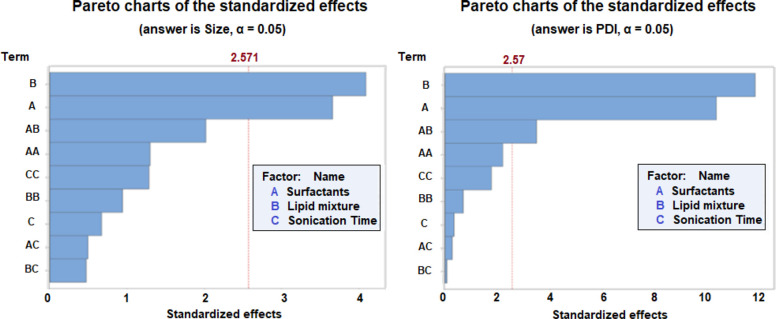 Figure 1
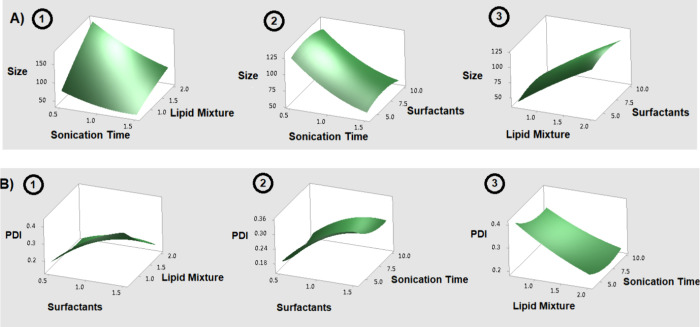 Figure 2
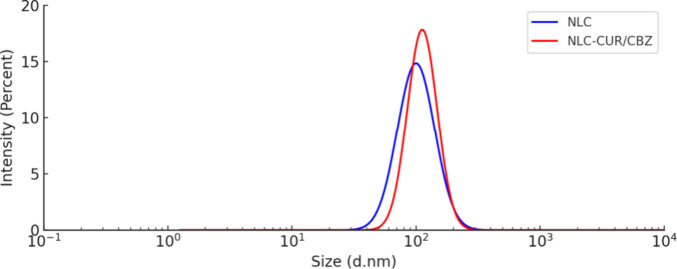 Figure 3
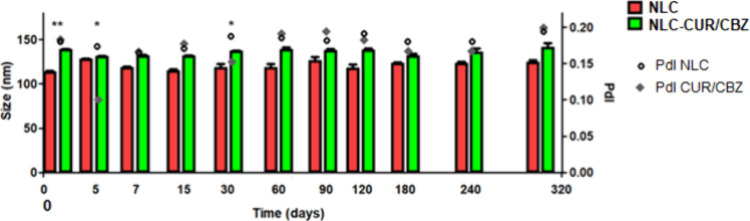 Figure 4
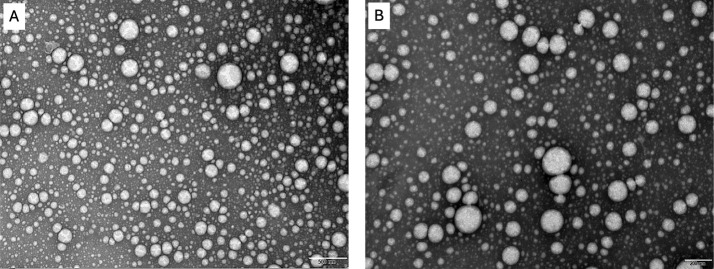 Figure 5
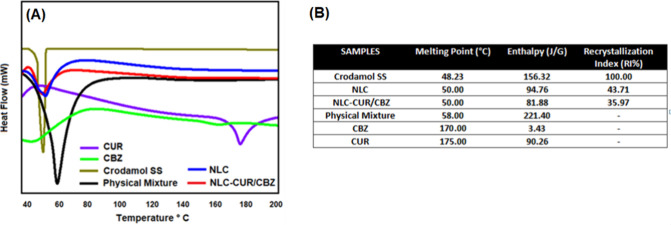 Figure 6
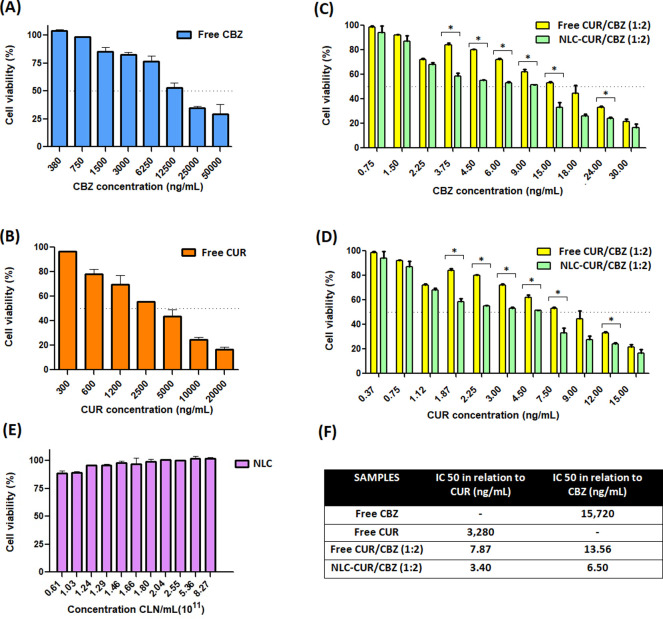 Figure 7
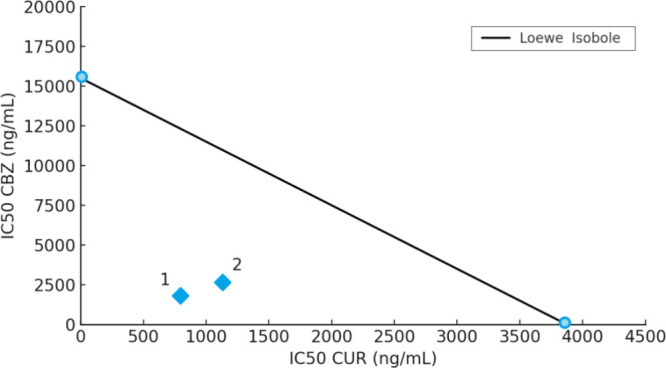 Figure 8
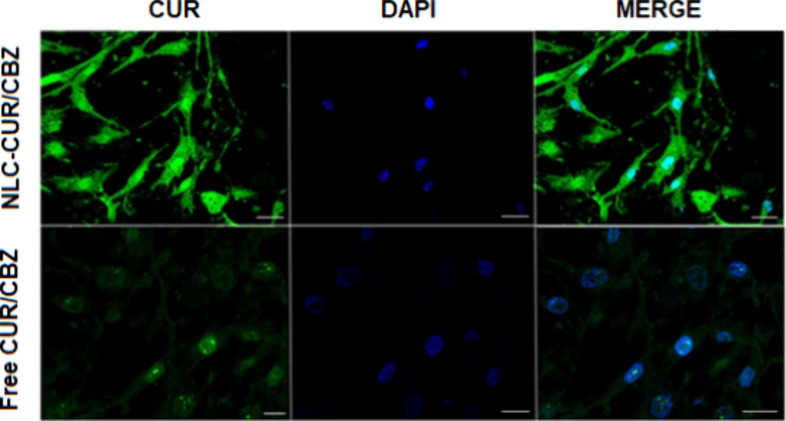 Figure 9
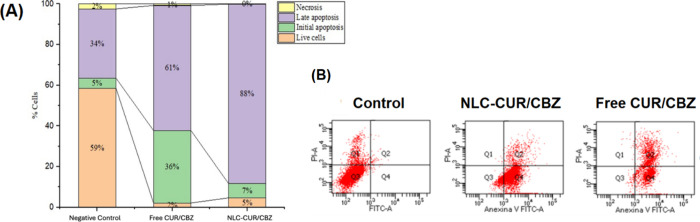 Figure 10
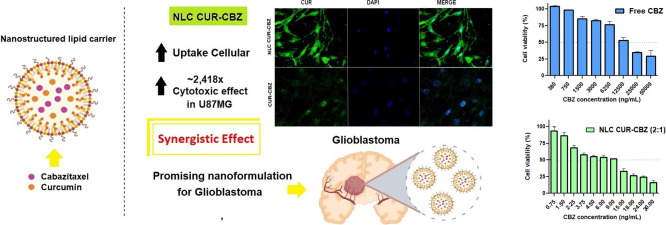 Figure 11
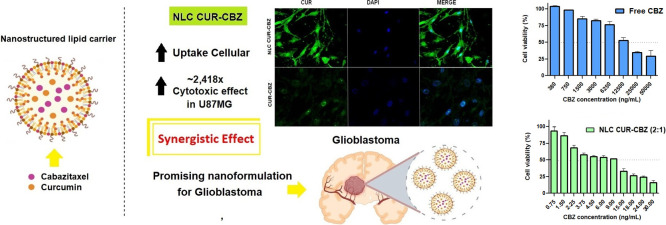 Figure 12
 Figure 13
 Figure 14
 Figure 15
 Figure 16
 Figure 17
Peer Reviews
No public reviews on file for this paper yet. If you reviewed it on a platform where reviews are public (OpenReview, ICLR, NeurIPS, ICML), you can paste yours below so the community can read it here.
Videos
No videos yet. Explain this paper in a talk, walkthrough, or lecture? Add one.
Taxonomy
TopicsCurcumin's Biomedical Applications · Advancements in Transdermal Drug Delivery · Silymarin and Mushroom Poisoning