Structural and Functional Analyses of Trypanosoma brucei Nucleoside Diphosphate Kinase
Patricia Makori, Michael P. Boeckman, Heidi S. David, Finley Payne, Markenya Gatling, Colby Greer, Dylan Hayes, Alexandra Jefferson, Micaela Maxwell, Christian Smith, Jamilah Watson, London Williams, Jazmin Barkley, Caitlyn Pepper, Tawanda Zininga, Sandhya Subramanian

TL;DR
This study explores the structure and function of a key enzyme in the parasite causing African trypanosomiasis, highlighting its potential as a drug target.
Contribution
The paper provides new structural and functional insights into TbNDPK, revealing its stability and substrate specificity.
Findings
TbNDPK is highly stable under thermal and chemical stress and undergoes conformational changes with nucleotides.
Crystal structures show a conserved hexameric fold with induced-fit binding involving Phe59 and active-site residues.
Enzymatic assays show preference for UDP and GDP, with reduced efficiency for deoxyribonucleotide diphosphates.
Abstract
Trypanosoma brucei, the causative agent of Human African Trypanosomiasis (HAT), relies exclusively on purine salvage for nucleotide biosynthesis, making its nucleotide-processing enzymes attractive drug targets. Here, we present a comprehensive structural and functional characterization of T. brucei’s nucleoside diphosphate kinase B (TbNDPK), a key enzyme in nucleotide homeostasis. Circular dichroism and fluorescence spectroscopy revealed that TbNDPK is highly stable under thermal and chemical stress and undergoes nucleotide-induced conformational changes. This study also presents high-resolution crystal structures of the apo enzyme and complexes with UDP, CDP, and GDP, showing a conserved hexameric fold, with induced-fit binding via a flexible loop involving Phe59 and key active-site residues. Enzymatic assays revealed substrate preferences for UDP and GDP, while deoxyribonucleotide…
Genes, proteins, chemicals, diseases, species, mutations and cell lines named across the full text — each resolved to its canonical identifier and authoritative record.
Click any figure to enlarge with its caption.
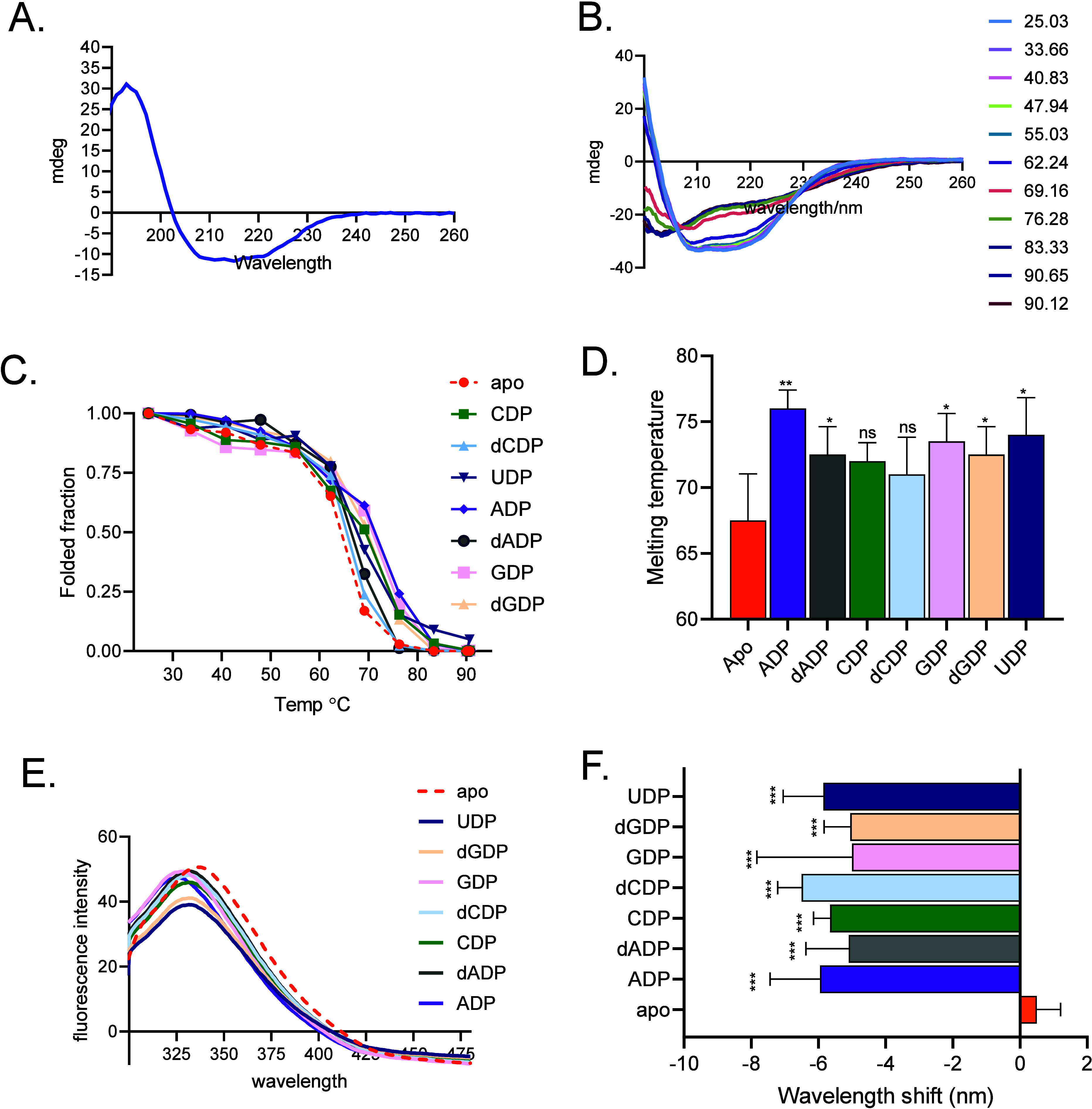 Figure 1
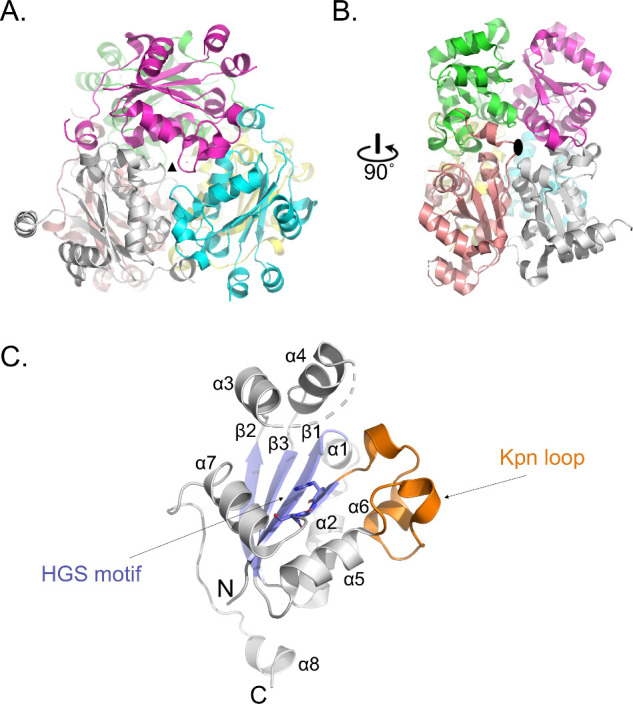 Figure 2
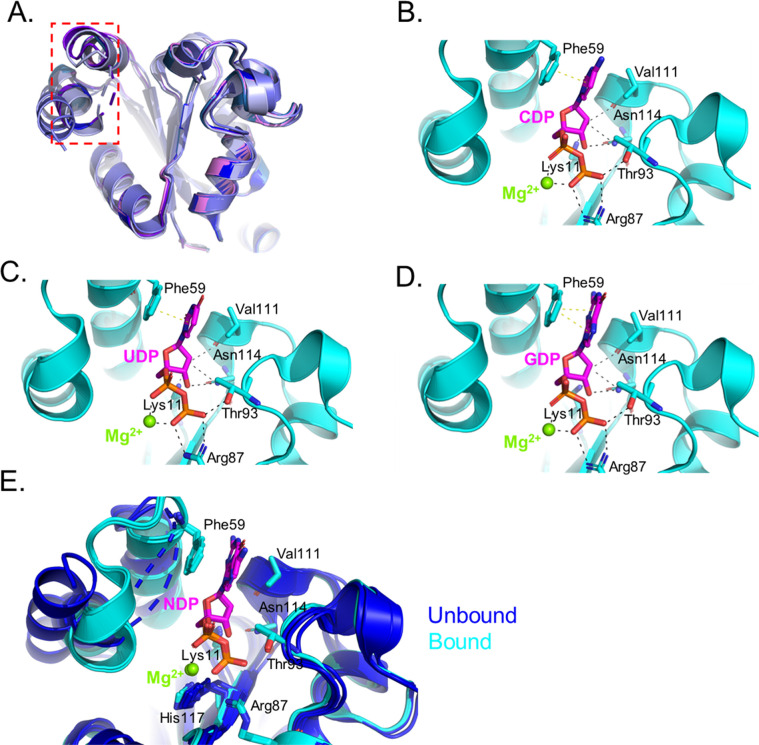 Figure 3
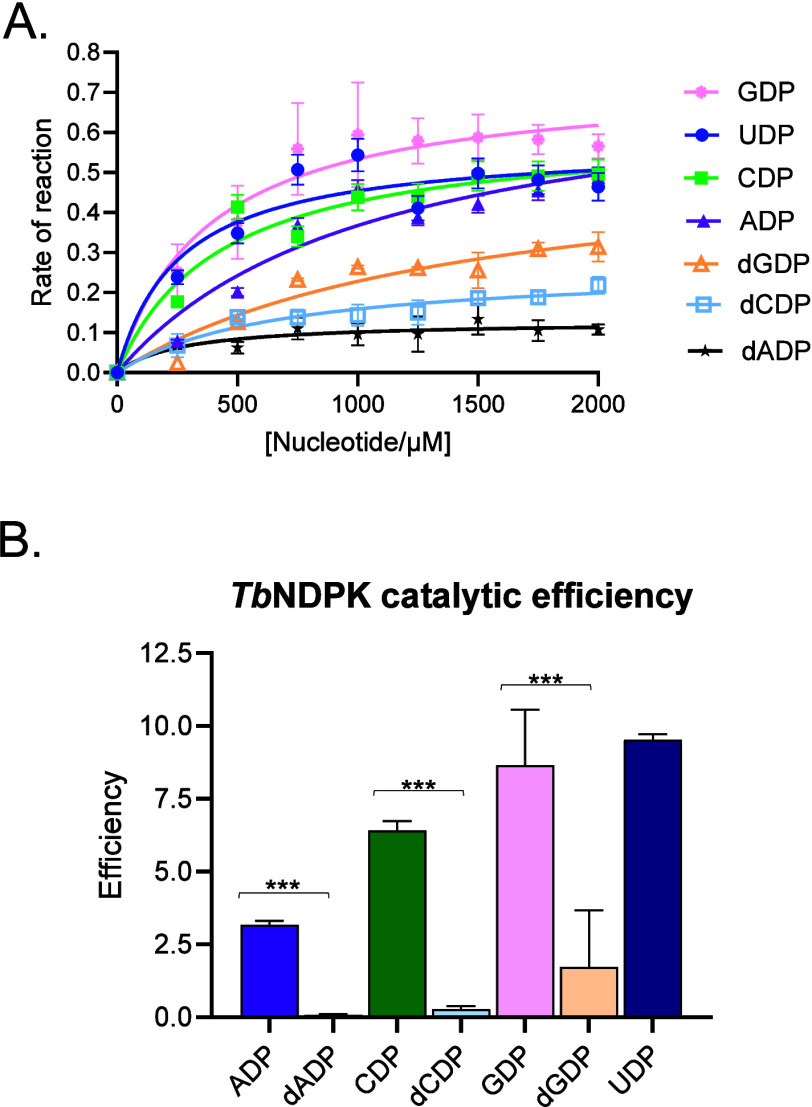 Figure 4
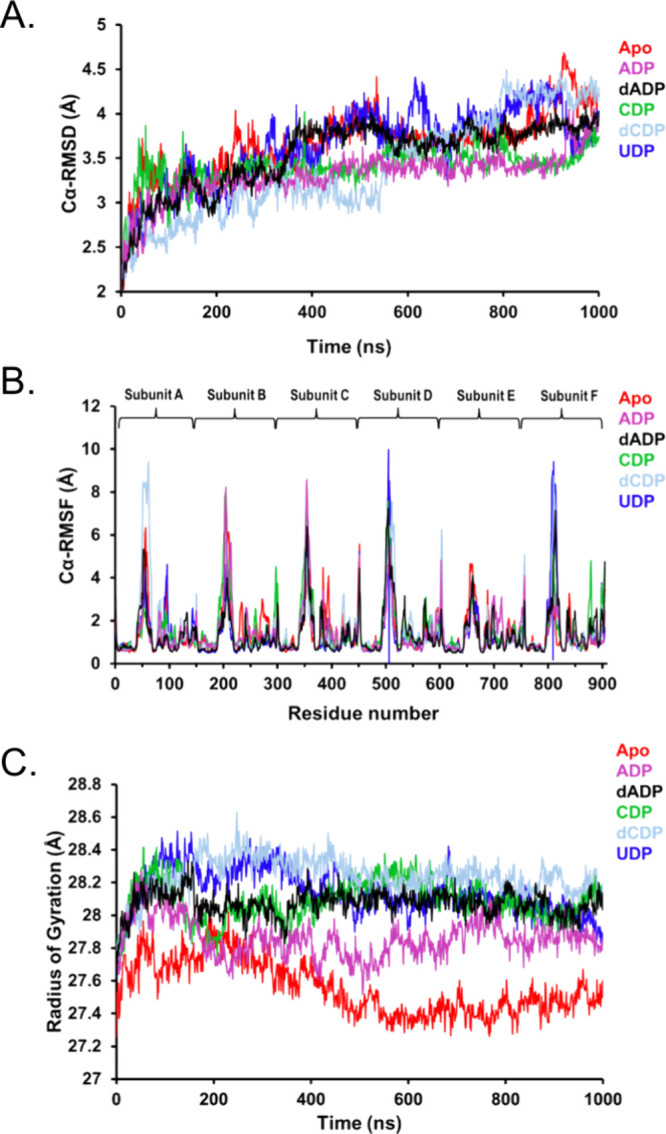 Figure 5
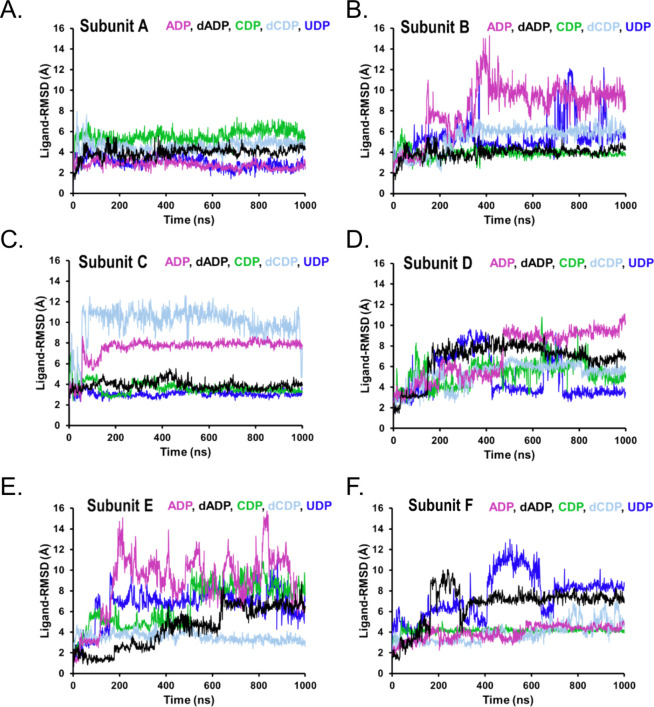 Figure 6
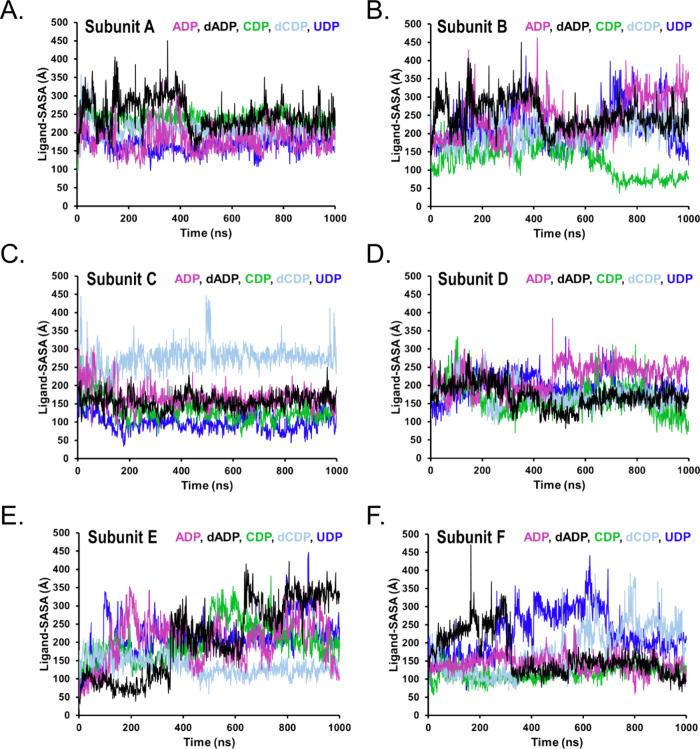 Figure 7
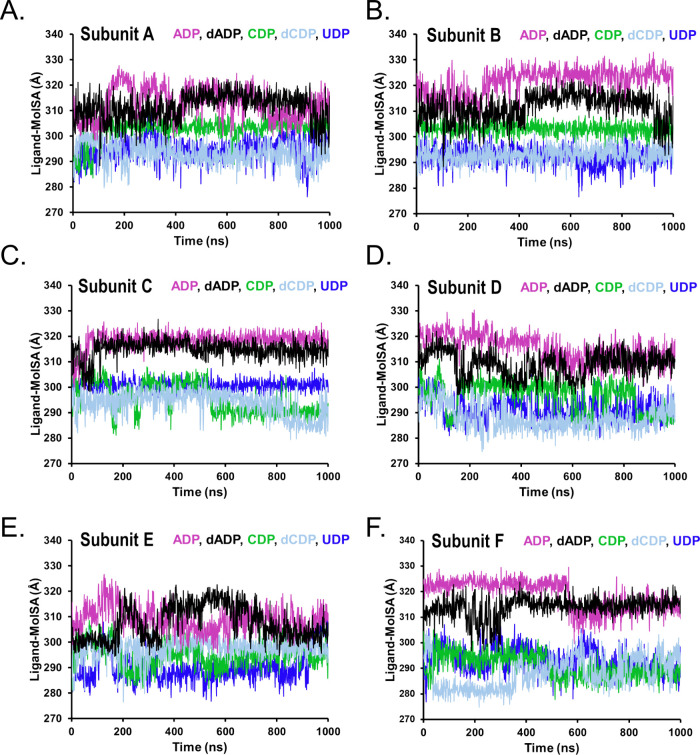 Figure 8
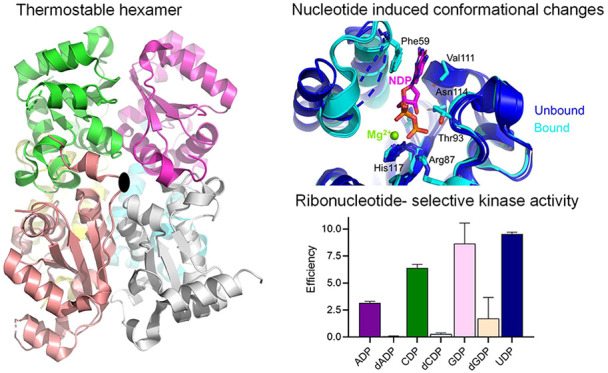 Figure 9
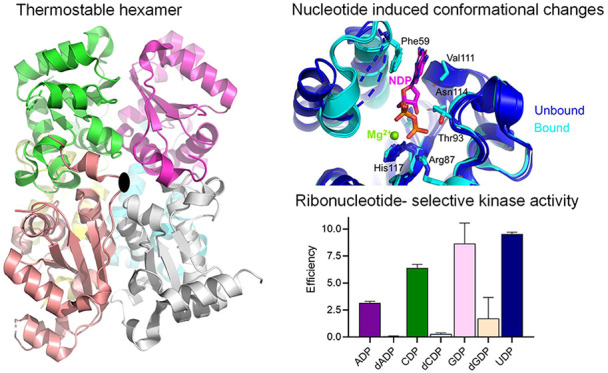 Figure 10
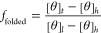 Figure 11
Peer Reviews
No public reviews on file for this paper yet. If you reviewed it on a platform where reviews are public (OpenReview, ICLR, NeurIPS, ICML), you can paste yours below so the community can read it here.
Videos
No videos yet. Explain this paper in a talk, walkthrough, or lecture? Add one.
Taxonomy
TopicsMechanisms of cancer metastasis · Cancer Mechanisms and Therapy · Tuberous Sclerosis Complex Research