Single-Stage Bilateral Hip Reconstruction for Kabuki Hip Dysplasia in a Four-Year-Old: A Case Report
Abshina Shajahan, Mariam H Almuqeem, Assad Qureshi

TL;DR
A four-year-old with Kabuki syndrome underwent successful single-stage bilateral hip reconstruction without open reduction, achieving improved mobility and hip stability.
Contribution
This is the first documented case of single-stage bilateral hip reconstruction for Kabuki syndrome without open reduction of the dislocated hip.
Findings
Single-stage bilateral hip reconstruction achieved concentric reduction and improved dysplasia in a Kabuki syndrome patient.
The child became weight-bearing one year post-surgery with satisfactory clinical and radiological outcomes.
The procedure avoided open reduction of the left hip and used femoral and pelvic osteotomies for correction.
Abstract
Kabuki syndrome (KS) is a rare congenital syndrome characterized by distinctive facies, joint hyperlaxity, and hypotonia. When hip dysplasia manifests, it is usually severe, demonstrating treatment resistance with a recognized risk of later re-dislocation. Limited case numbers with variable outcomes compound uncertainty regarding optimal management. To date, all surgical cases described in the literature have been treated with open reduction, with no documented cases of concurrent bilateral hip surgery. Here, we present the case of a four-year-old boy with Kabuki syndrome who has been unable to walk since the age of three, following a spontaneous left hip dislocation. Clinical examination revealed characteristic facies, hypotonia, and painful and reduced left hip movements. Radiographs demonstrated left hip dislocation and severe bilateral acetabular dysplasia. Arthrographic evaluation…
Genes, proteins, chemicals, diseases, species, mutations and cell lines named across the full text — each resolved to its canonical identifier and authoritative record.
Click any figure to enlarge with its caption.
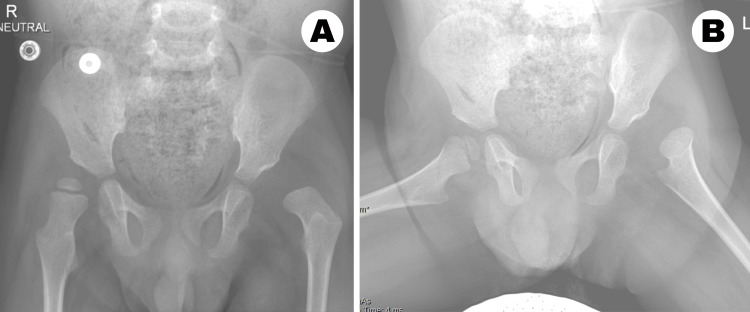 Figure 1
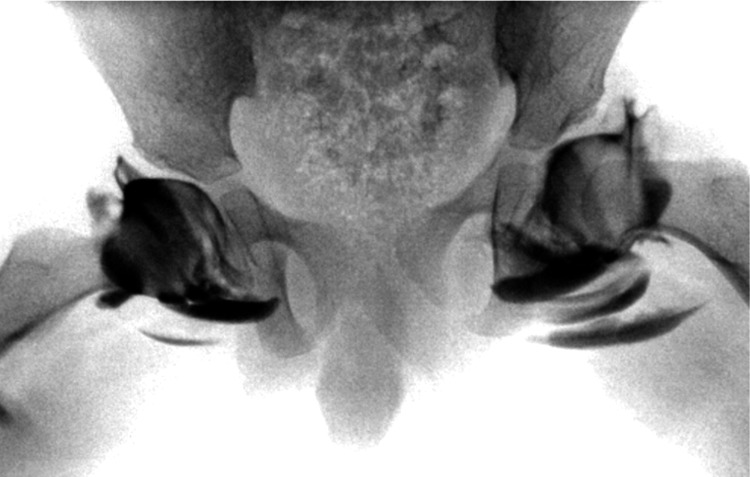 Figure 2
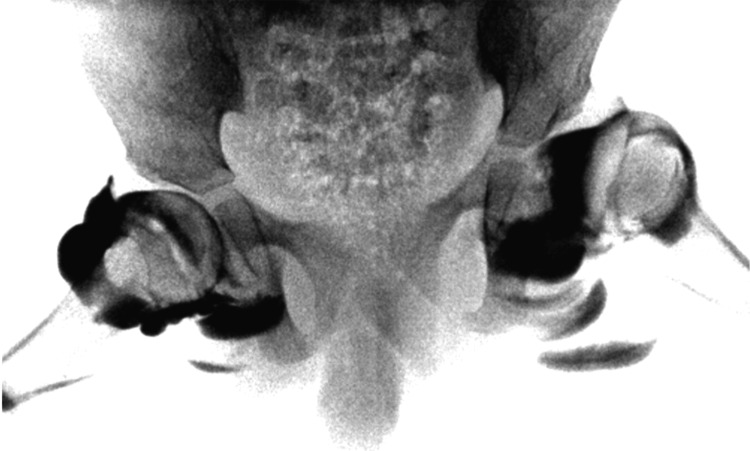 Figure 3
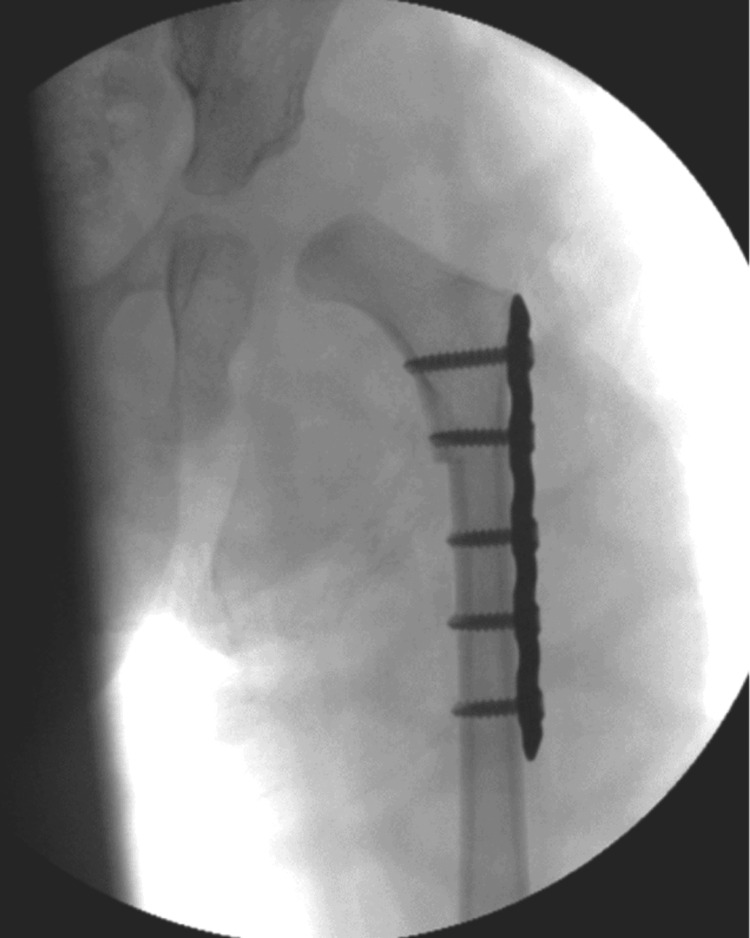 Figure 4
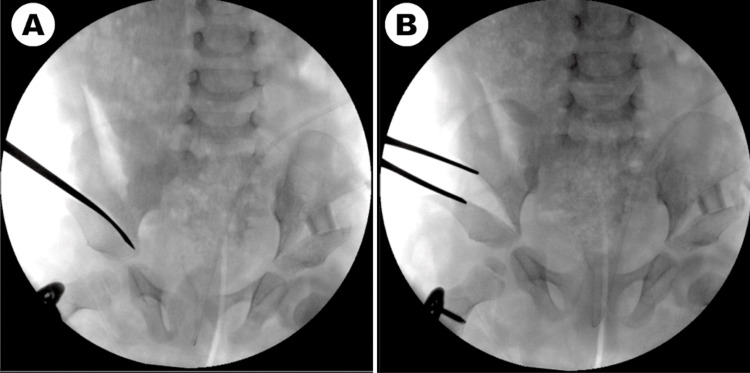 Figure 5
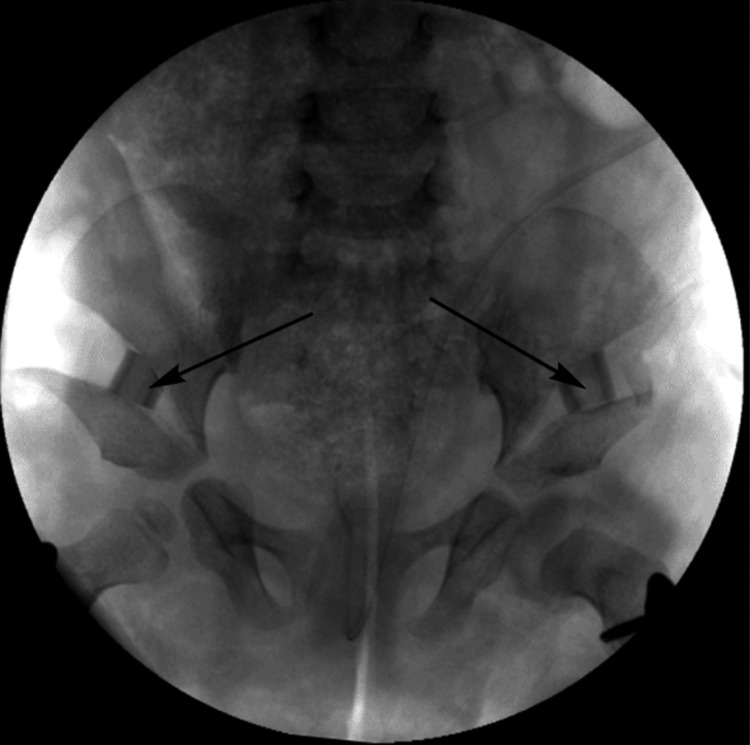 Figure 6
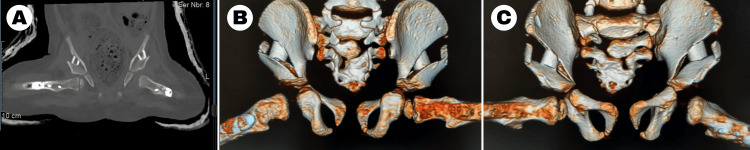 Figure 7
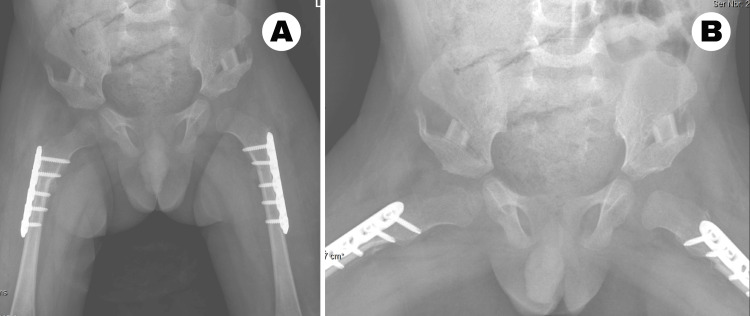 Figure 8
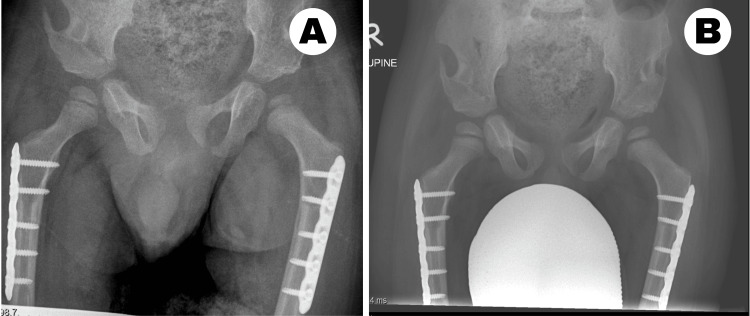 Figure 9
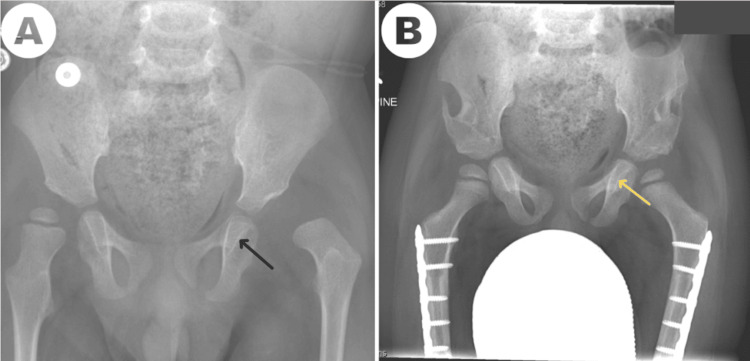 Figure 10
Peer Reviews
No public reviews on file for this paper yet. If you reviewed it on a platform where reviews are public (OpenReview, ICLR, NeurIPS, ICML), you can paste yours below so the community can read it here.
Videos
No videos yet. Explain this paper in a talk, walkthrough, or lecture? Add one.
Taxonomy
TopicsGenomics and Rare Diseases · Genetic Syndromes and Imprinting · Connective tissue disorders research