Microstructure, Microhardness, and Wear of a Rapidly Solidified Al–20Sn–1Cu Alloy with Bi Addition
Vinicius Leme Andrade, Sarah De Albuquerque, Rodrigo André Valenzuela Reyes, José Eduardo Spinelli

TL;DR
Adding bismuth to an aluminum alloy improves its hardness and wear resistance when rapidly solidified, making it suitable for twin-roll casting processes.
Contribution
The study reveals that bismuth enhances tribological performance by refining microstructure and increasing hardness in rapidly solidified Al–Sn alloys.
Findings
Bismuth addition promotes fragmentation of the Sn-rich phase without altering the α-Al matrix structure.
Microhardness and wear resistance increase with bismuth and higher cooling rates.
Wear surfaces show adhesive wear with material transfer from the steel counterface.
Abstract
This study investigates the effects of Bi addition on the microstructure, hardness, and wear behavior of a rapidly solidified Al–20Sn–1Cu alloy, aiming to clarify Bi’s role under cooling rates comparable to those experienced during twin-roll casting (TRC). Alloys with and without 2 wt % Bi were solidified in a stepped graphite mold, under cooling rates between 260 and 409 °C/s. Microstructural analyses revealed that Bi did not alter the primary cellular/dendritic growth of the α-Al matrix but significantly modified the interdendritic Sn-rich phase, promoting its fragmentation. CALPHAD predictions confirmed the occurrence of liquid phase separation in the Bi-containing alloy, consistent with the formation of finely dispersed Bi-rich regions observed experimentally. Microhardness increased with Bi addition and with increasing cooling rate. Wear ball-cratering tests showed that Bi addition…
Genes, proteins, chemicals, diseases, species, mutations and cell lines named across the full text — each resolved to its canonical identifier and authoritative record.
Click any figure to enlarge with its caption.
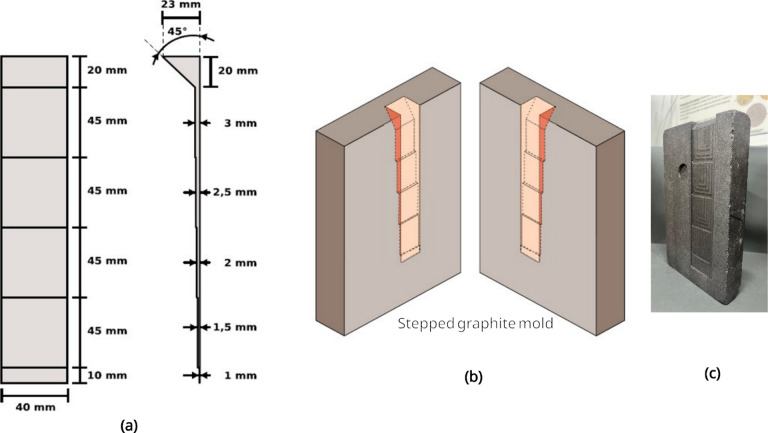 Figure 1
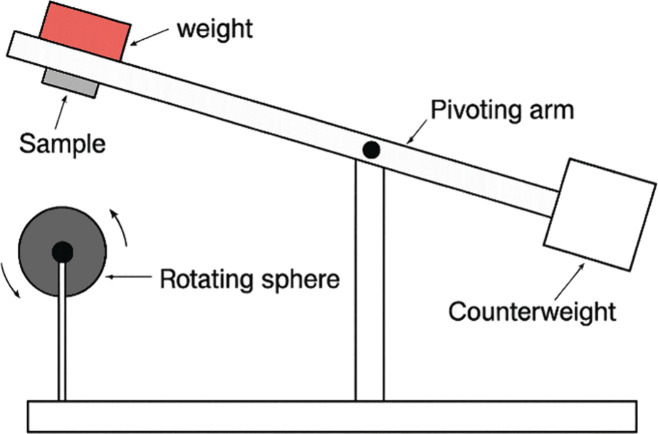 Figure 2
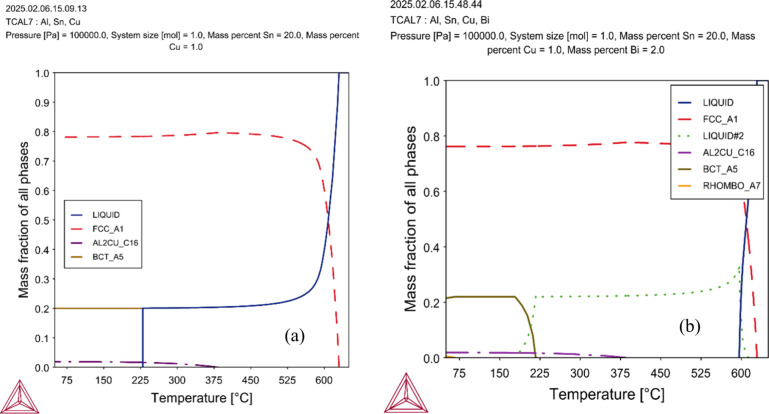 Figure 3
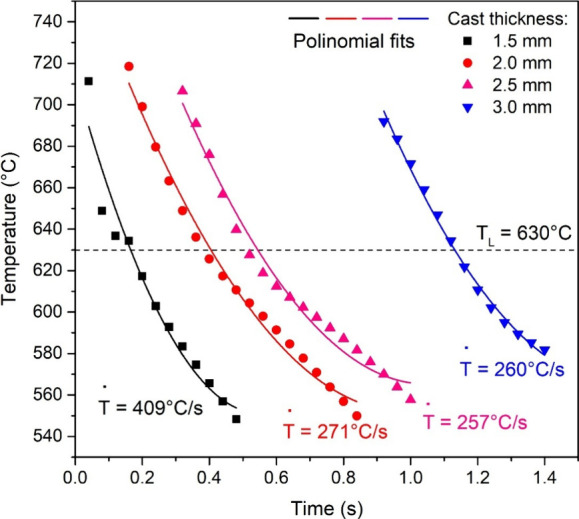 Figure 4
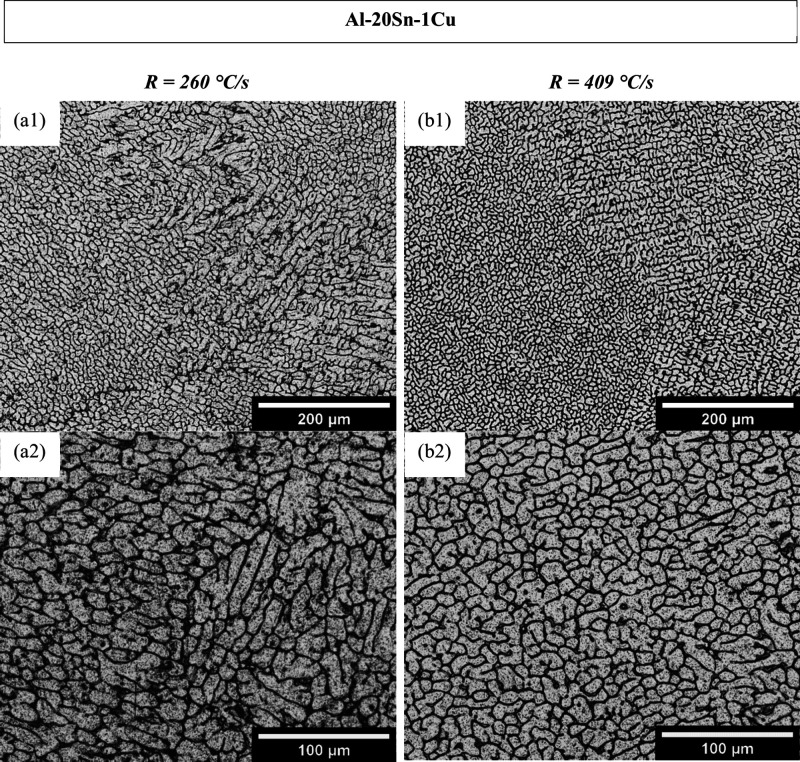 Figure 5
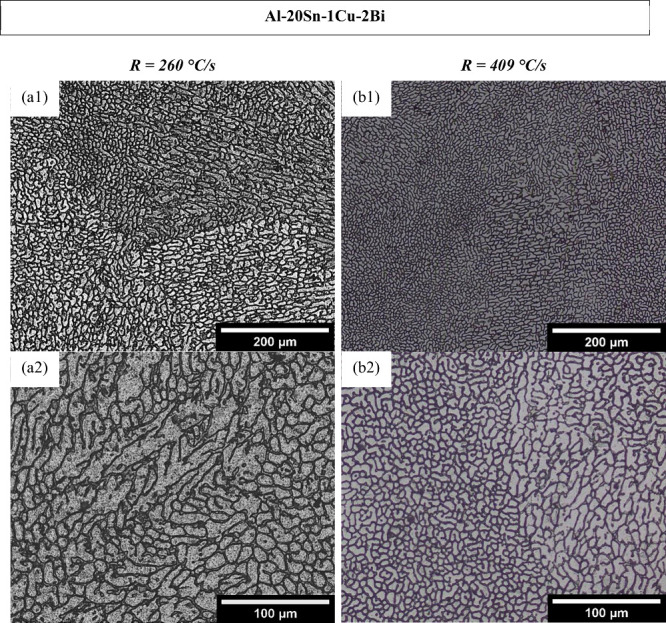 Figure 6
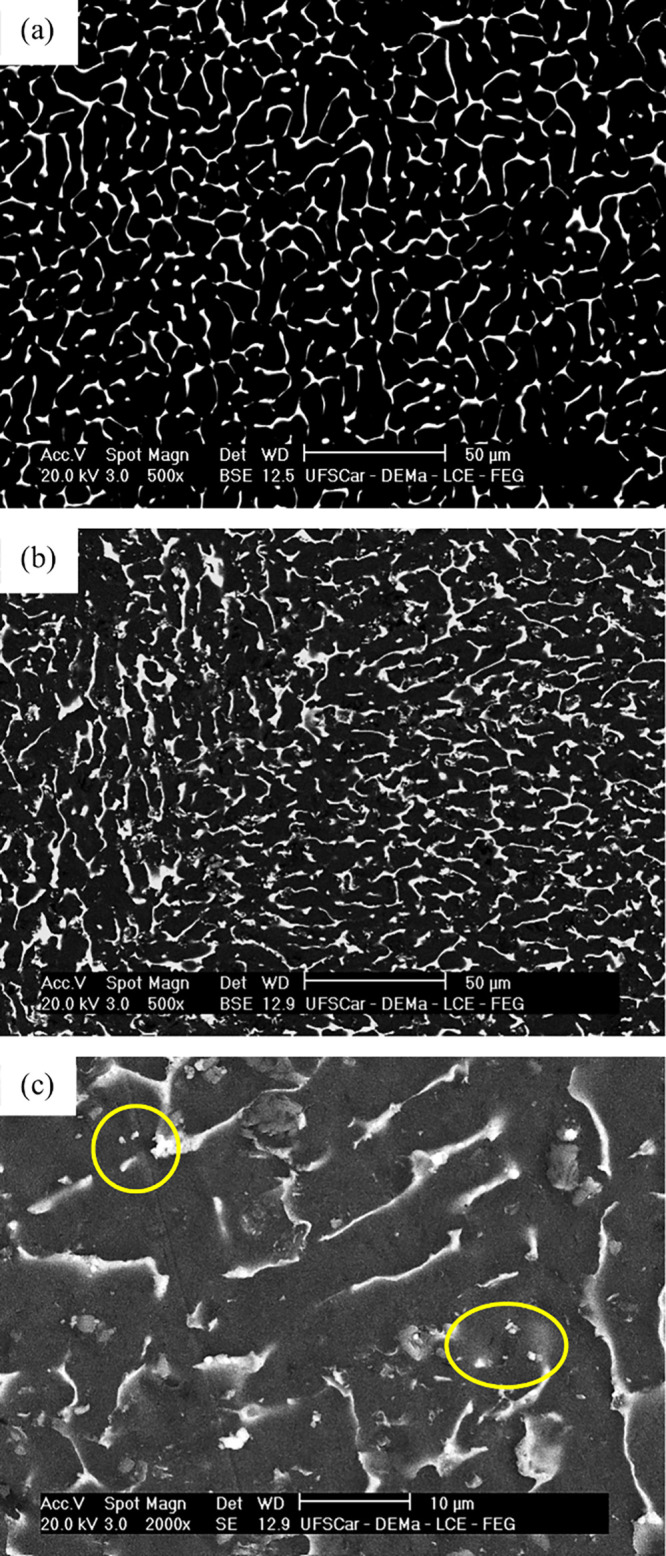 Figure 7
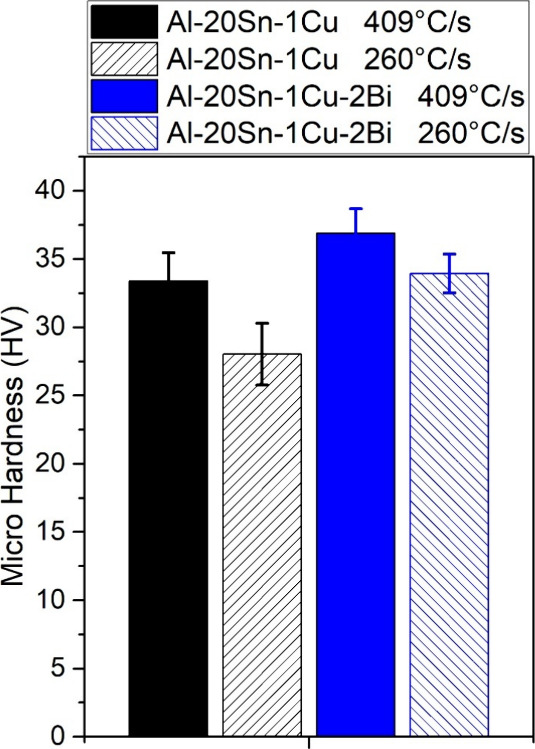 Figure 8
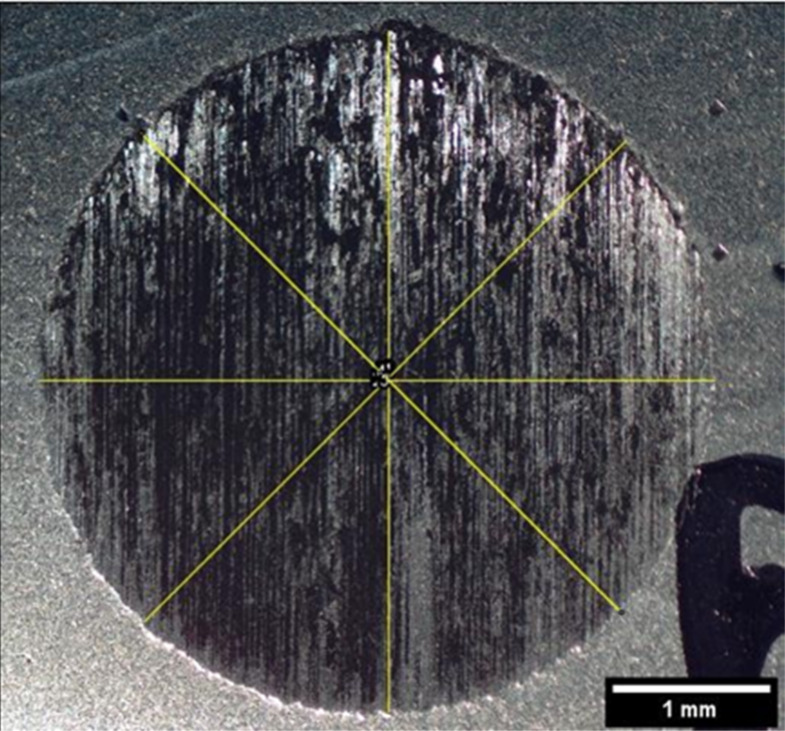 Figure 9
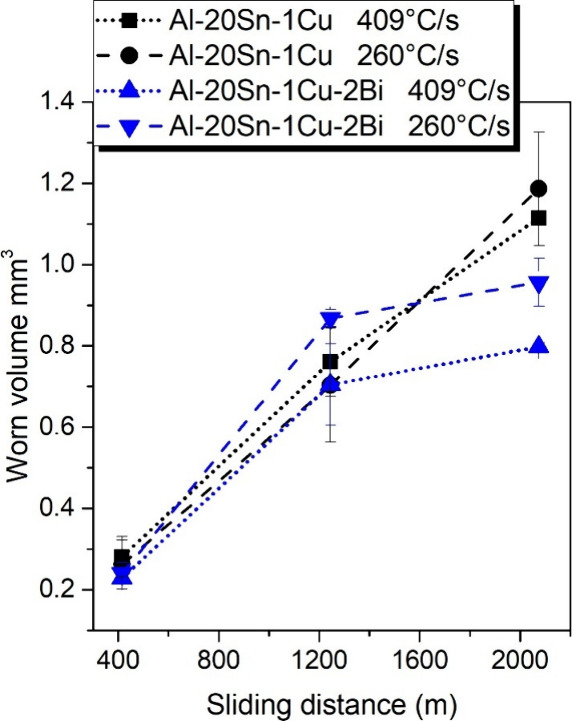 Figure 10
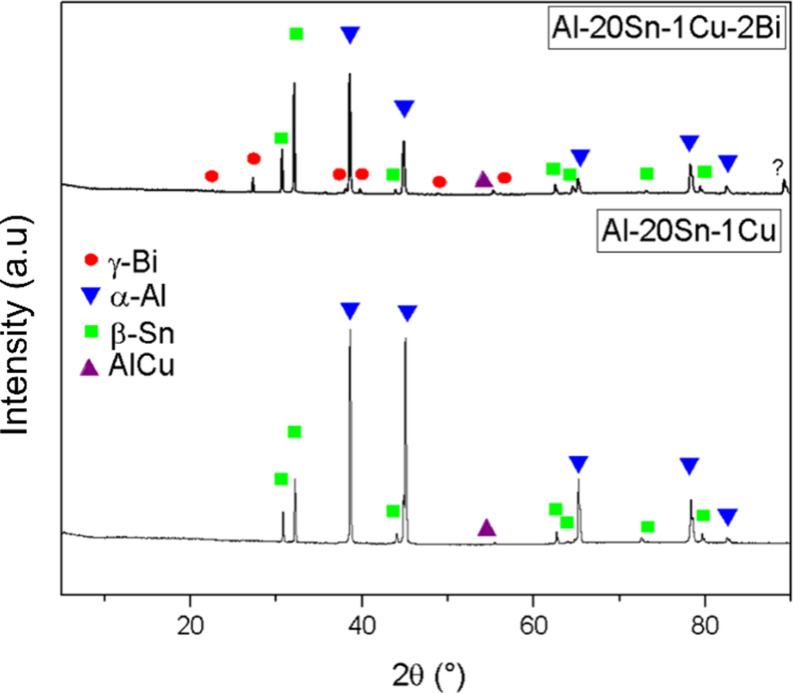 Figure 11
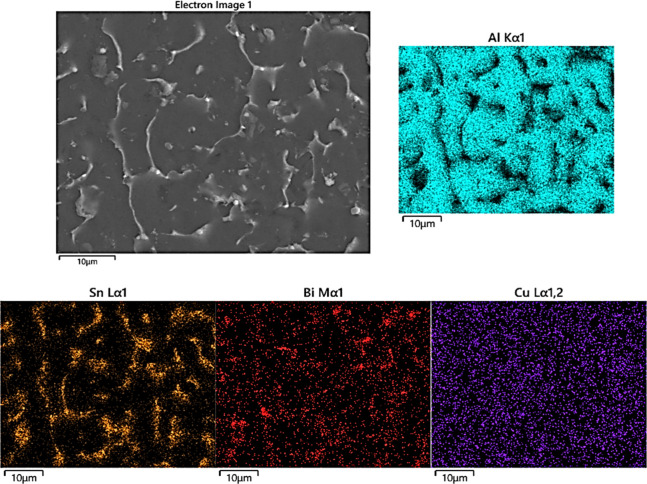 Figure 12
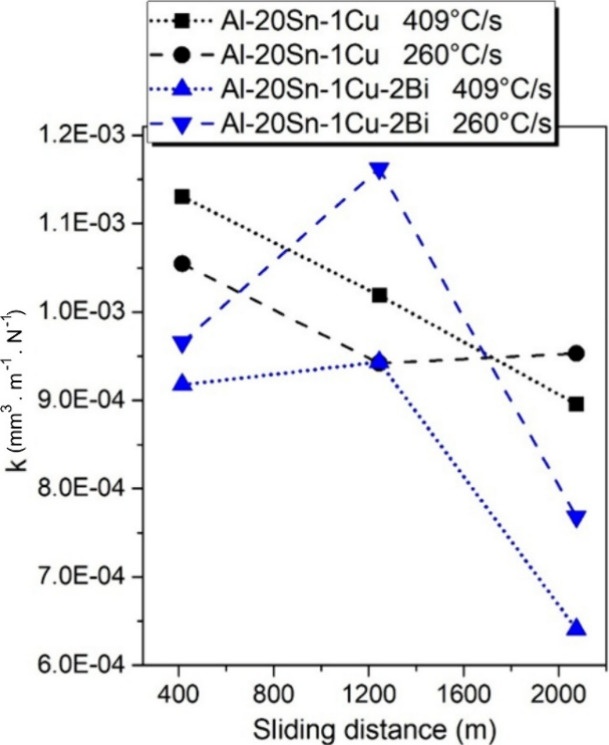 Figure 13
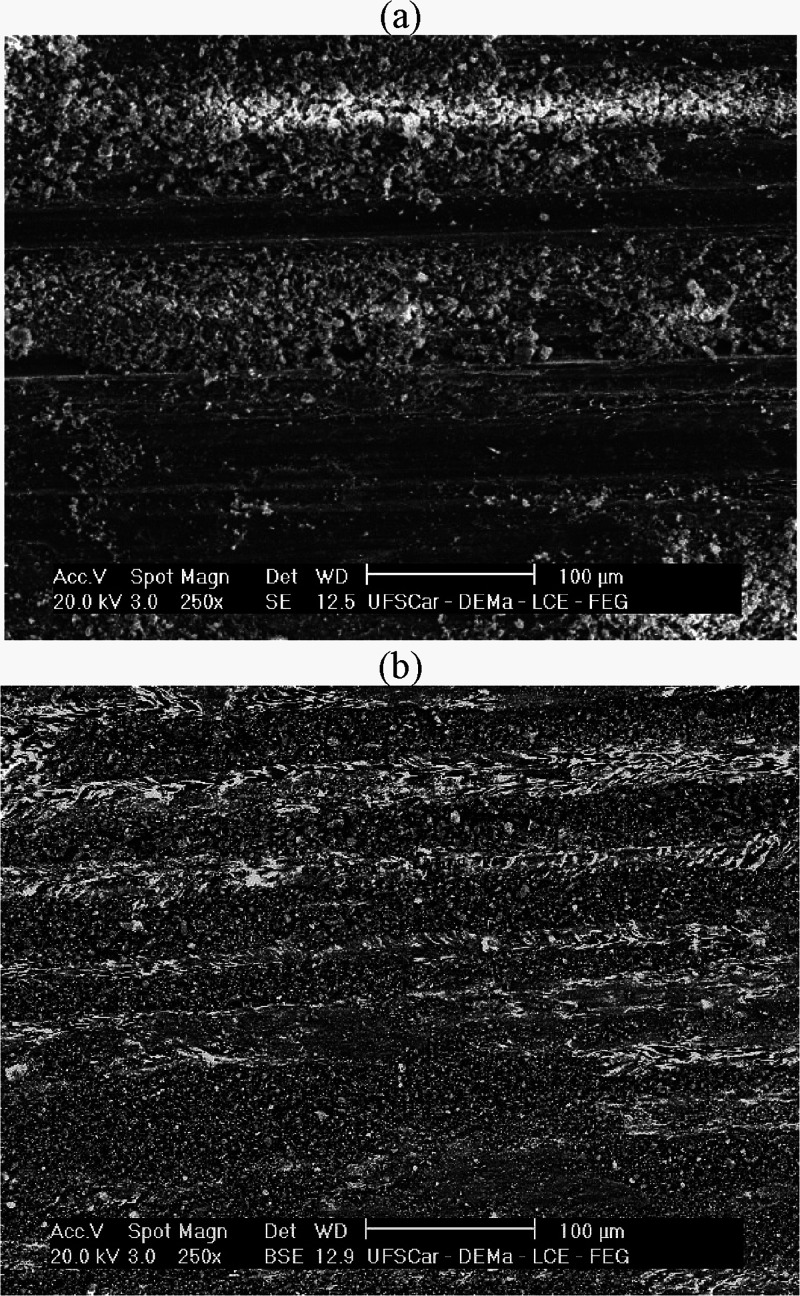 Figure 14
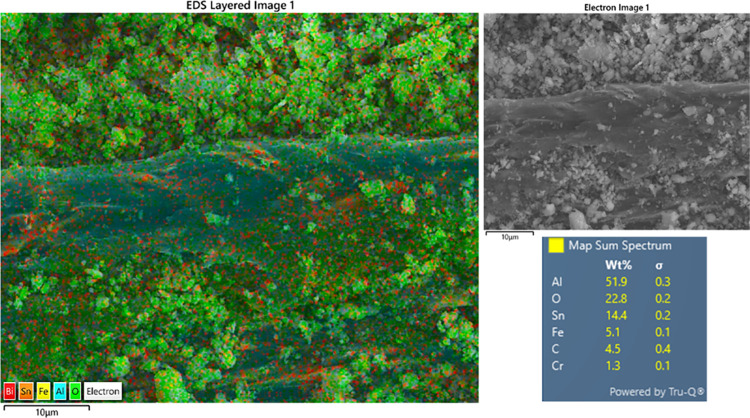 Figure 15
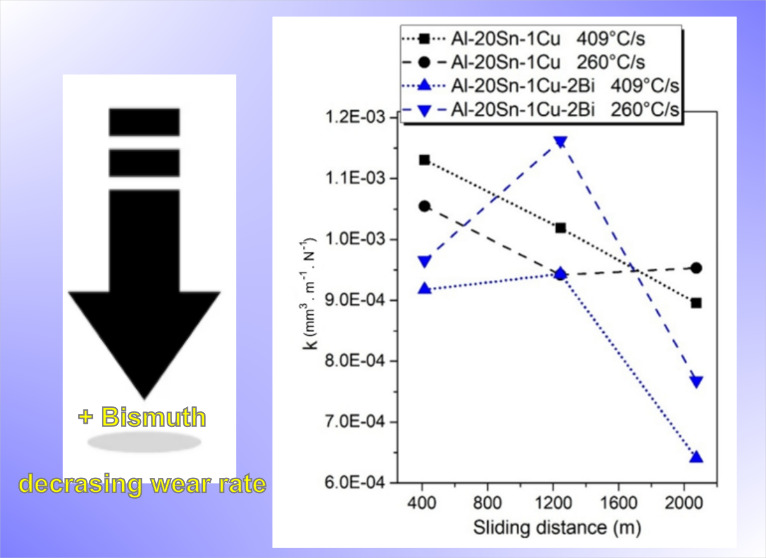 Figure 16
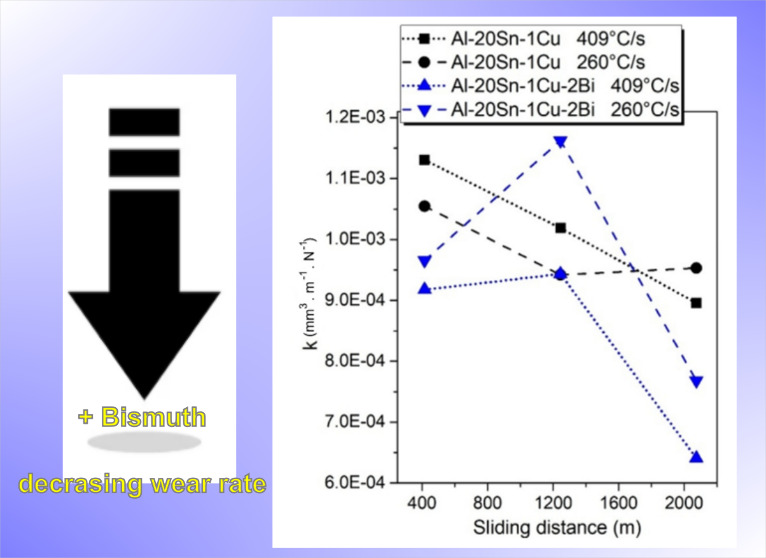 Figure 17
 Figure 18
 Figure 19
Peer Reviews
No public reviews on file for this paper yet. If you reviewed it on a platform where reviews are public (OpenReview, ICLR, NeurIPS, ICML), you can paste yours below so the community can read it here.
Videos
No videos yet. Explain this paper in a talk, walkthrough, or lecture? Add one.
Taxonomy
TopicsAluminum Alloy Microstructure Properties · Aluminum Alloys Composites Properties · Metallurgy and Material Forming