Colorimetric Ready-to-Use Microfluidic Chips for Rapid Antibiotic Susceptibility Testing of Methicillin-Resistant Staphylococcus aureus by a Smartphone-Based Analysis
Cagla Celik Yoldas, Nilay Ildiz, Naim Yagiz Demir, Memed Duman, Erhan Yoldas, Sadik Kucukgunay, Kadir Erol, Ismail Ocsoy

TL;DR
A new microfluidic chip with smartphone analysis enables rapid antibiotic resistance testing for MRSA in a few hours.
Contribution
A ready-to-use microfluidic chip with anthocyanin pH indicators and smartphone-based analysis for rapid MRSA antibiotic susceptibility testing.
Findings
Colorimetric responses in microfluidic chip wells indicate MRSA antibiotic resistance profiles.
The system demonstrated feasibility using standard S. aureus reference strains.
Antibiotic susceptibility testing was achieved in a few hours with minimal device requirements.
Abstract
Many phenotypic resistance tests have been developed for Methicillin-resistant Staphylococcus aureus (MRSA), but they still have disadvantages such as long incubation times, complicated procedure and a lack of portability. Herein, we designed ready-to-use microfluidic chips to use more advanced and new methods for analyzing antibiotic resistance specifically for the rapid detection of MRSA. Anthocyanin molecules, which change color depending on the pH value of the reaction medium in the microfluidic chip wells, are utilized as pH indicator in the test. The color change in the wells depends on the inhibition of antibiotic-resistant or susceptible bacteria at varying cefoxitin doses. The antibiotic resistance profiles of MRSA to multiple doses were revealed on a single chip. The obtained colorimetric responses were analyzed using a mobile application and color image processing techniques.…
Genes, proteins, chemicals, diseases, species, mutations and cell lines named across the full text — each resolved to its canonical identifier and authoritative record.
Click any figure to enlarge with its caption.
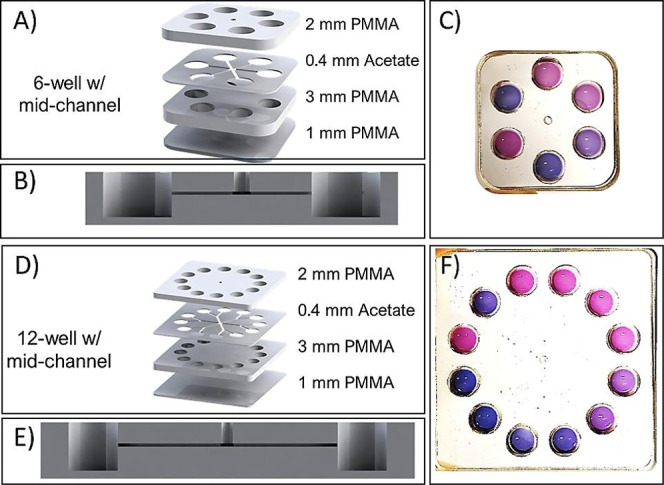 Figure 1
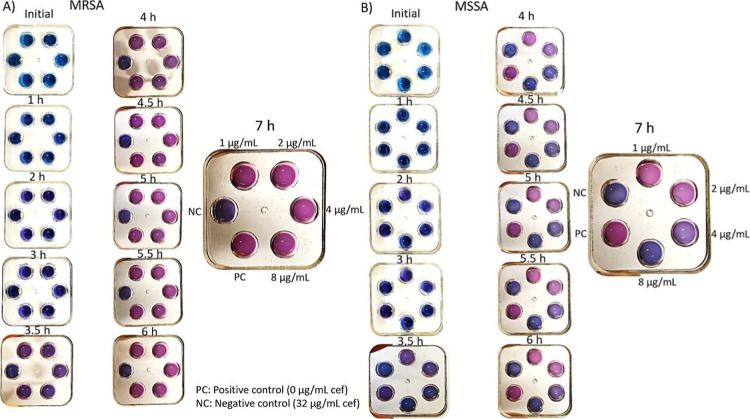 Figure 2
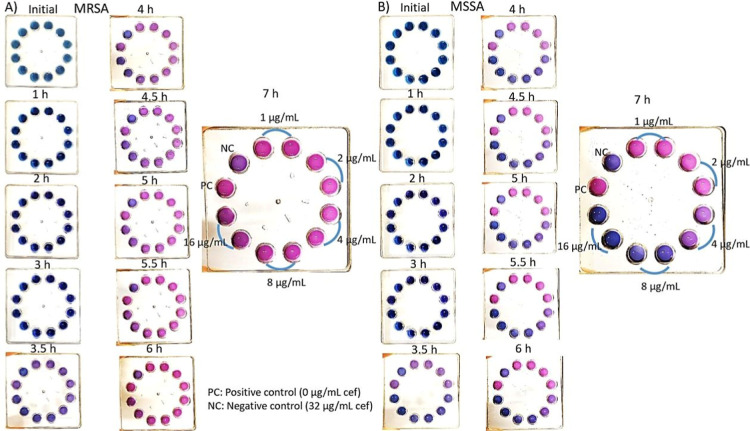 Figure 3
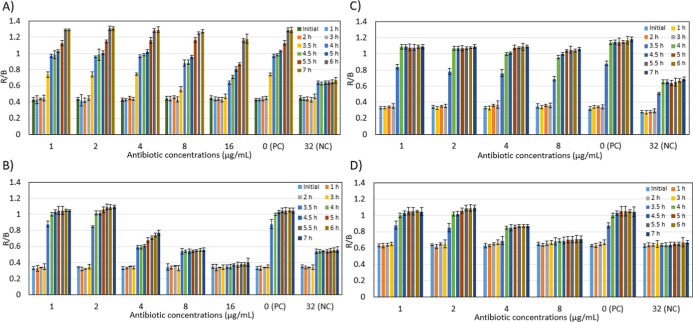 Figure 4
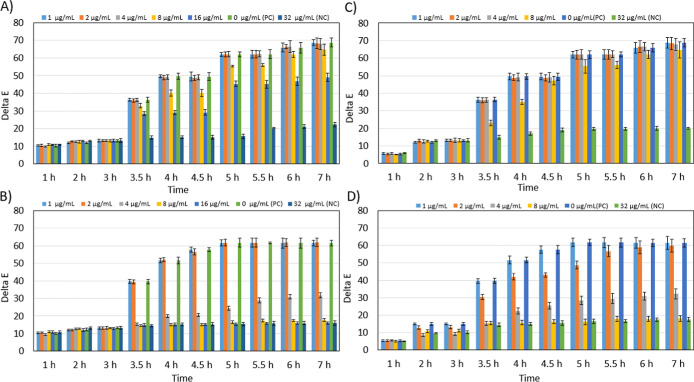 Figure 5
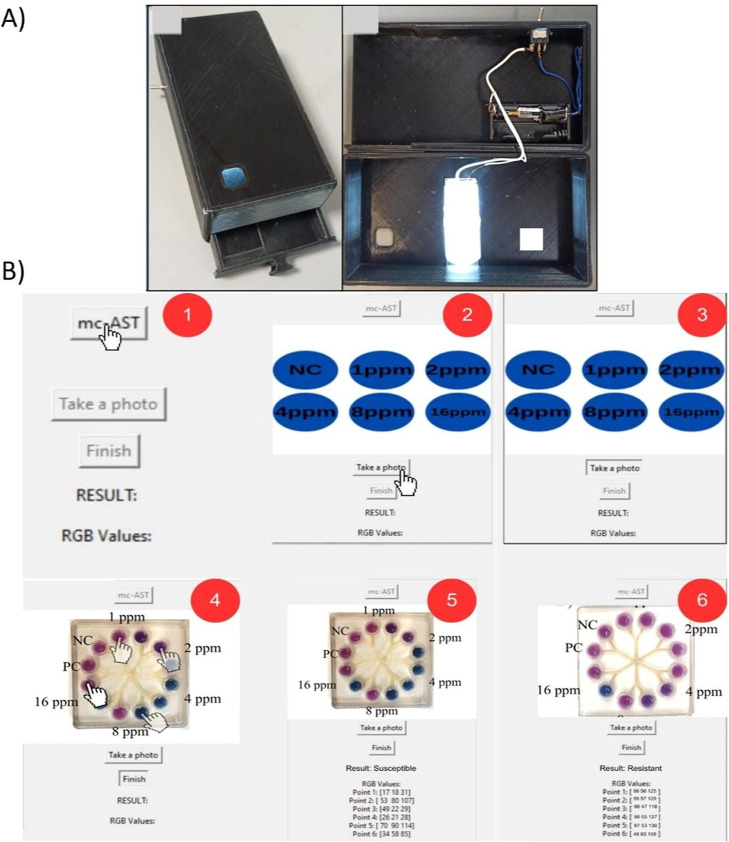 Figure 6
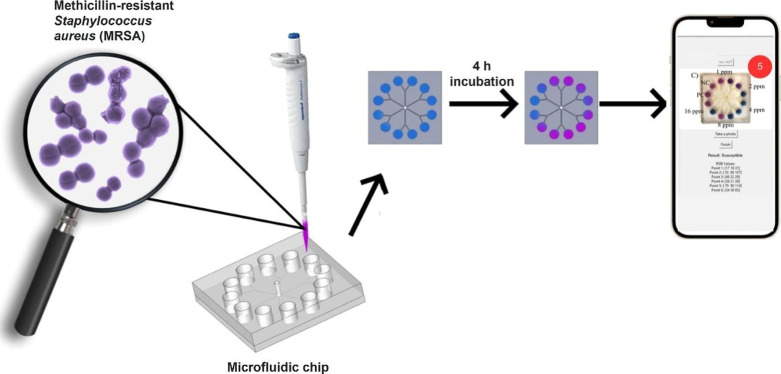 Figure 7
 Figure 8
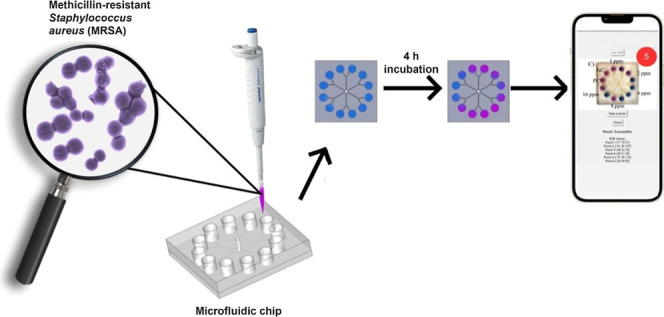 Figure 9
 Figure 10
 Figure 11
 Figure 12
Peer Reviews
No public reviews on file for this paper yet. If you reviewed it on a platform where reviews are public (OpenReview, ICLR, NeurIPS, ICML), you can paste yours below so the community can read it here.
Videos
No videos yet. Explain this paper in a talk, walkthrough, or lecture? Add one.
Taxonomy
TopicsBiosensors and Analytical Detection · Bacterial Identification and Susceptibility Testing · Bacterial biofilms and quorum sensing