Prolonged In Vivo Performance of Electrospun PCL-Based Vascular Grafts in a Large Animal Model: Influence of Material Design and Systemic Drug Support
Suzan Ozdemir, Janset Oztemur-Sezgin, Havva Tezcan-Unlu, Atıf Yolgosteren, Elif Unlu, Abdullah Dogukan Oz, Meric Kocaturk-Guney, Gulsah Cecener, Nihal Yasar Gul Satar, Hande Sezgin, Ipek Yalcin-Enis

TL;DR
This study explores how material design and drug support affect the long-term success of biodegradable vascular grafts in large animals.
Contribution
The study introduces bilayer electrospun vascular grafts with specific fiber orientations and evaluates their performance with systemic drug support in a porcine model.
Findings
PCL_PCL grafts showed longer patency, especially with enoxaparin treatment, lasting up to 90 days.
PCLPLA_PLCL grafts had higher radial strength but lower compliance and early failure due to delamination.
Inflammation, fibrin deposition, and fibrosis were the main causes of graft occlusion.
Abstract
The development of biodegradable vascular grafts that replicate the structural and functional characteristics of native vessels remains a critical challenge in regenerative medicine. Although in vitro studies have demonstrated promising outcomes, the long-term success of electrospun vascular grafts in large animal models has been limited due to mechanical incompatibility, insufficient interfacial adhesion, and thrombotic issues. In this study, bilayer vascular grafts composed of polycaprolactone (PCL), polylactic acid (PLA), and poly(l-lactide-co-caprolactone) (PLCL) were developed and fabricated using the electrospinning technique, and after testing biological and mechanical performance, they were implanted and evaluated in a porcine carotid artery model. Two bilayer configurations were designed, namely, PCL_PCL and PCLPLA_PLCL, consisting of random fiber distribution in inner layers…
Genes, proteins, chemicals, diseases, species, mutations and cell lines named across the full text — each resolved to its canonical identifier and authoritative record.
Click any figure to enlarge with its caption.
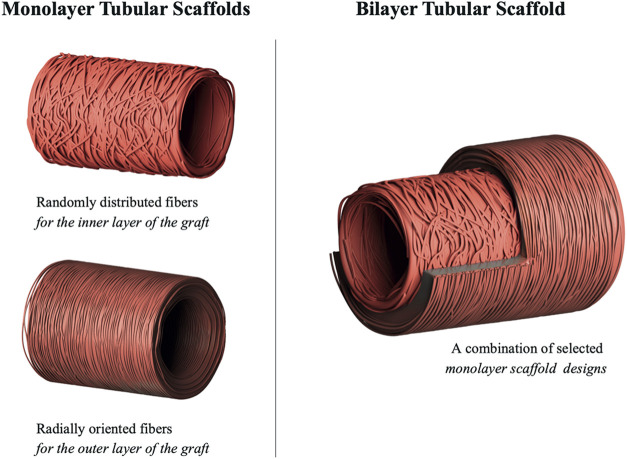 Figure 1
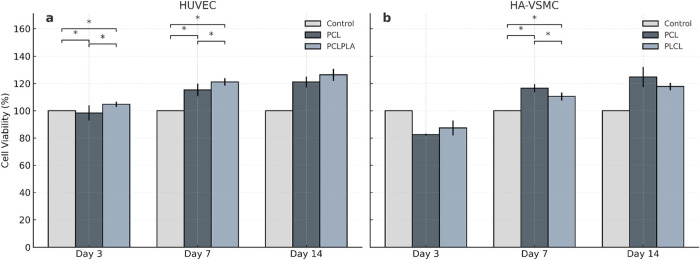 Figure 2
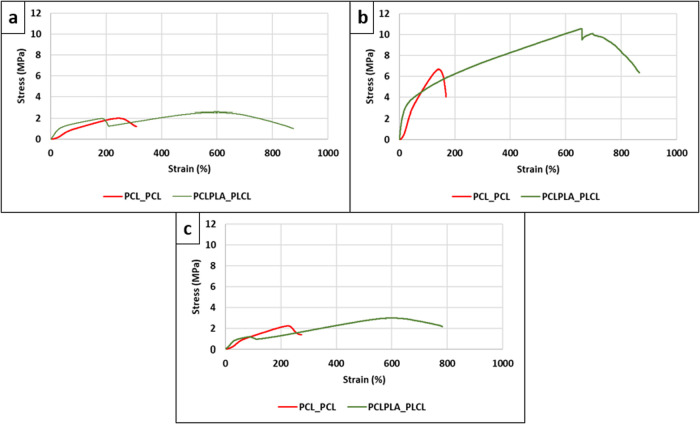 Figure 3
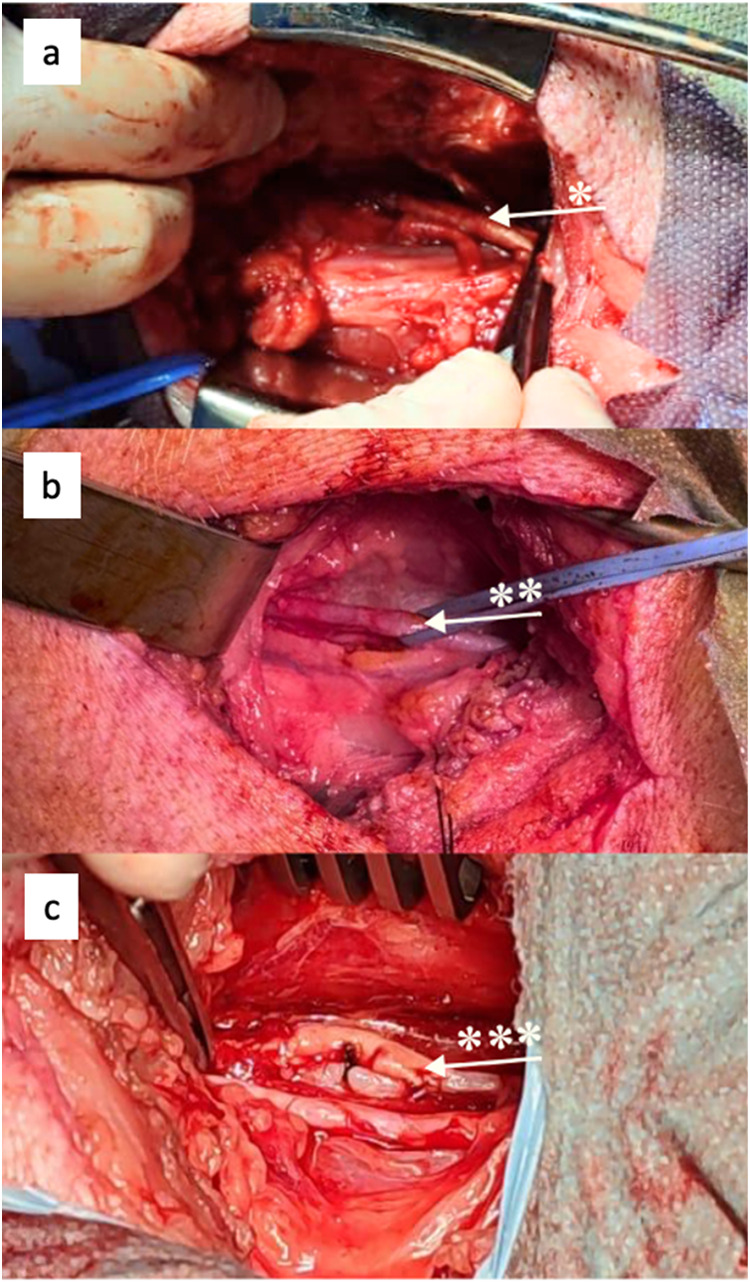 Figure 4
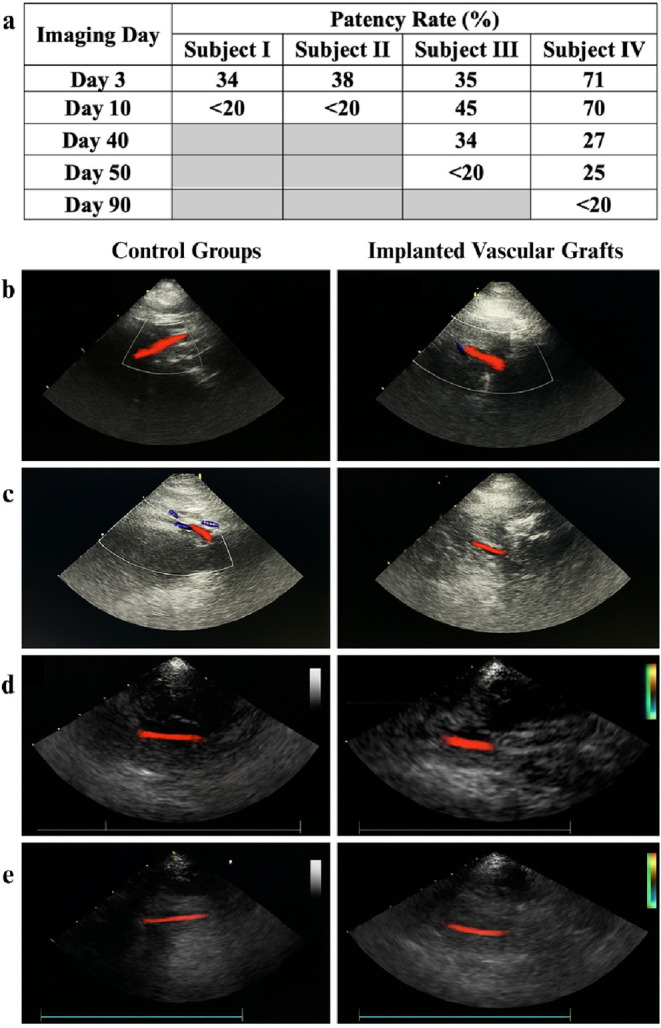 Figure 5
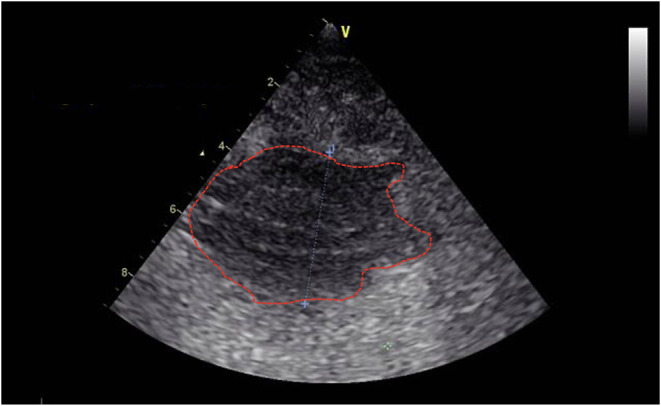 Figure 6
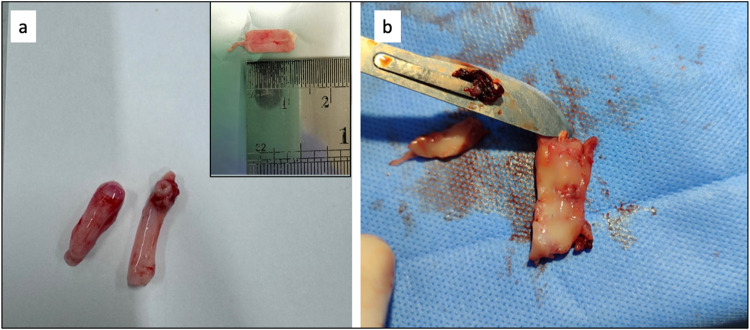 Figure 7
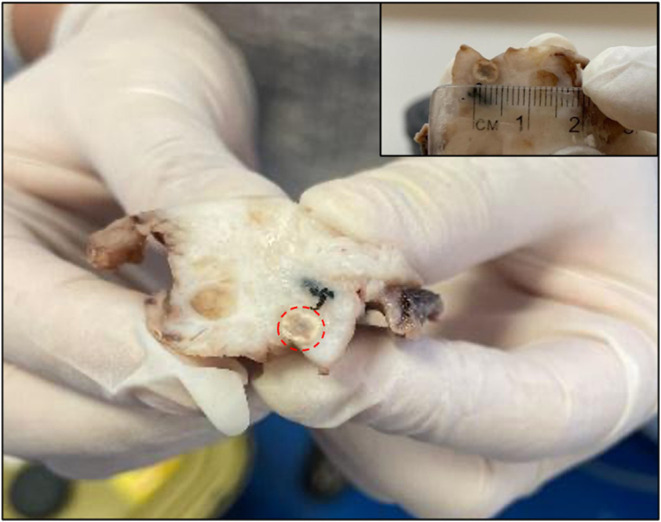 Figure 8
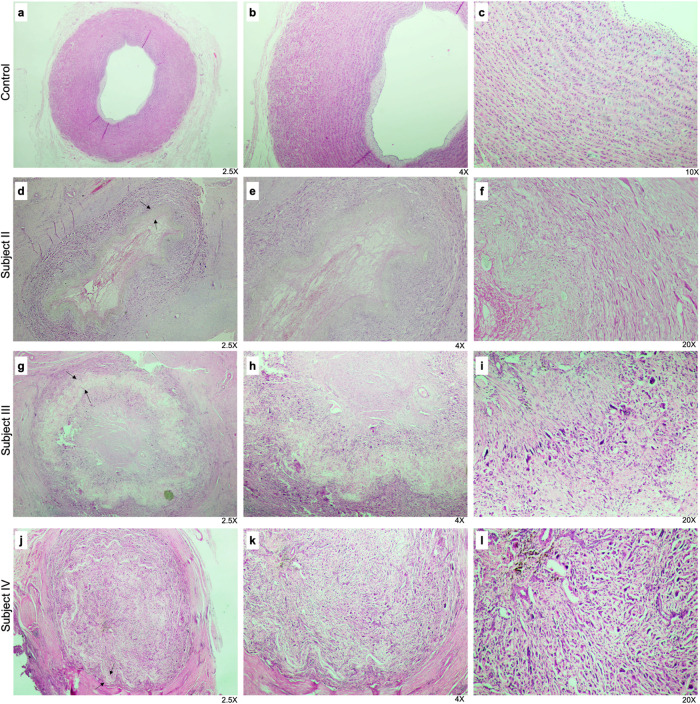 Figure 9
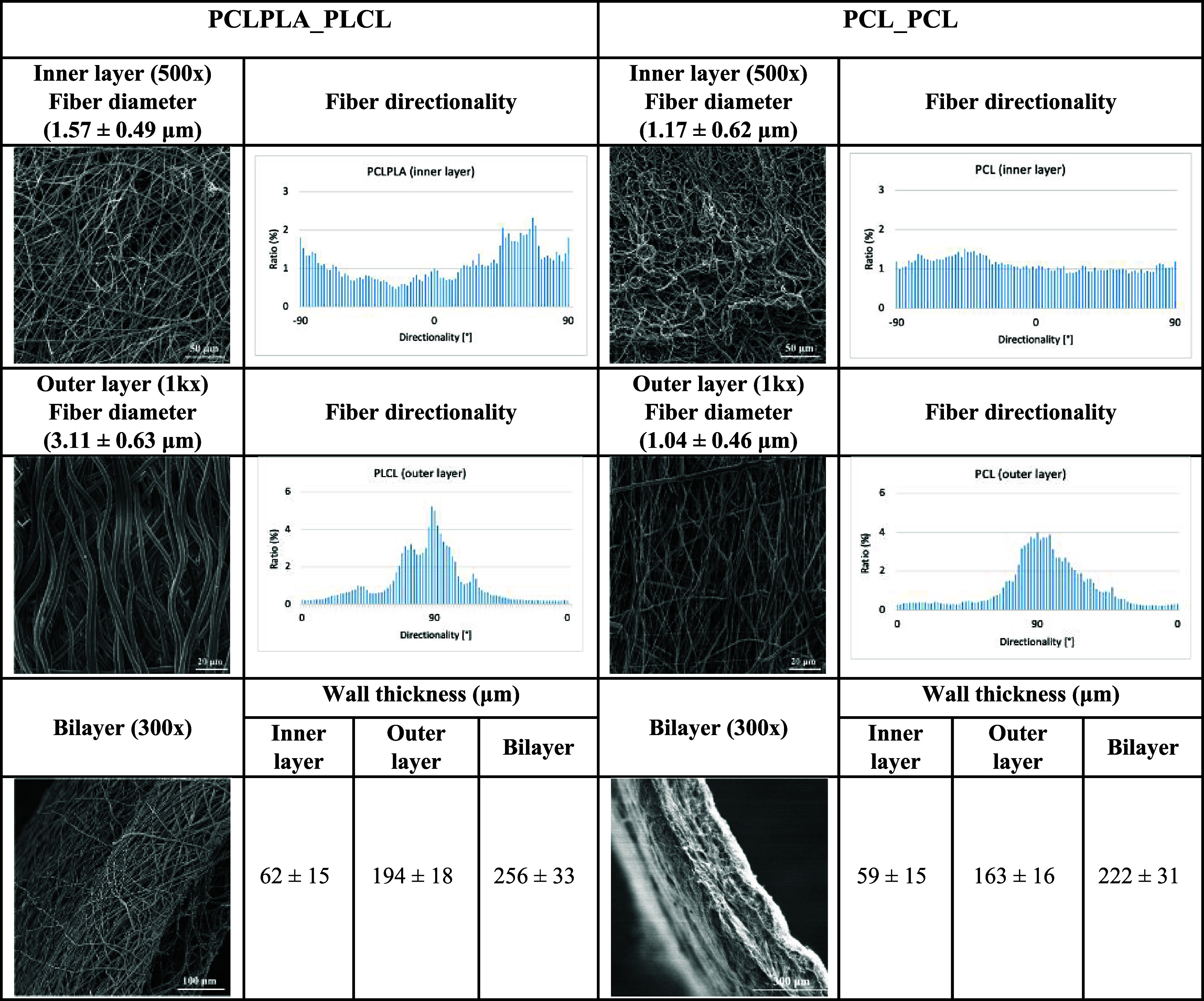 Figure 10
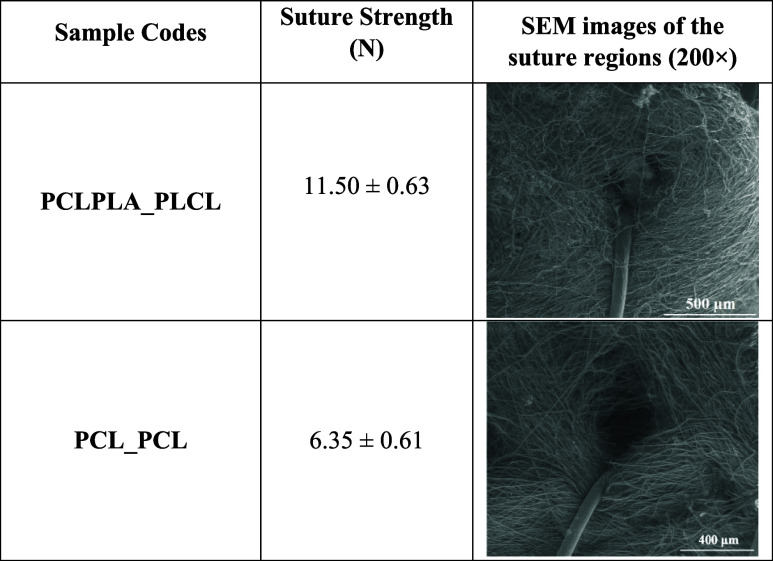 Figure 11
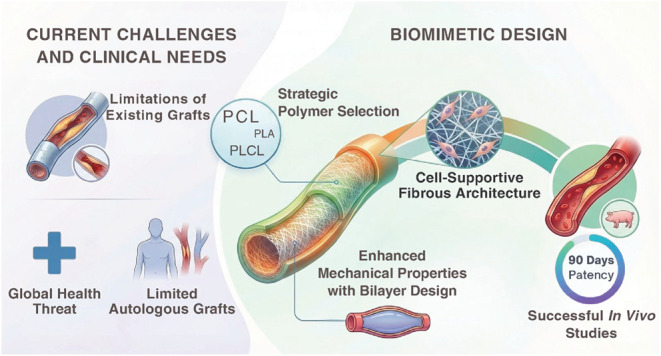 Figure 12
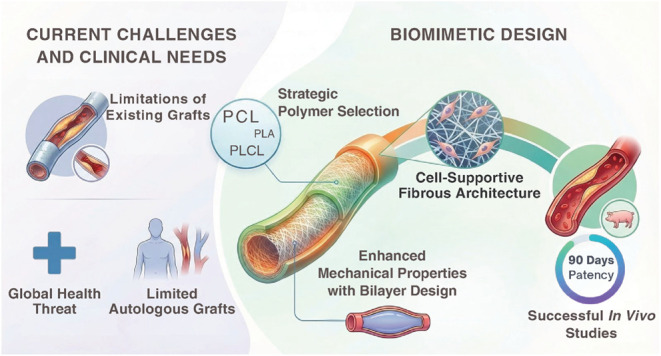 Figure 13
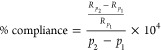 Figure 14
Peer Reviews
No public reviews on file for this paper yet. If you reviewed it on a platform where reviews are public (OpenReview, ICLR, NeurIPS, ICML), you can paste yours below so the community can read it here.
Videos
No videos yet. Explain this paper in a talk, walkthrough, or lecture? Add one.
Taxonomy
TopicsElectrospun Nanofibers in Biomedical Applications · Tissue Engineering and Regenerative Medicine · Infectious Aortic and Vascular Conditions