Integrative Transcriptomics, Machine Learning, and Molecular Dynamics Reveal Honghua Longdan (Gentiana rhodantha)‑Modulated Therapeutic Targets in Bladder Cancer
Qinsha Wang, Haihong Wang, Peng Lan, Bing Yang, Jia Deng, Kangmin Zhou, Dongxin Tang

TL;DR
This study combines transcriptomics, machine learning, and molecular simulations to identify CCNB1 as a potential biomarker and therapeutic target in bladder cancer, using compounds from Honghua Longdan.
Contribution
The study introduces an integrative approach combining transcriptomics, machine learning, and molecular dynamics to identify CCNB1 as a GR-modulated therapeutic target in bladder cancer.
Findings
Eight core drug–disease genes were identified, enriched in cell-cycle-related pathways.
CCNB1 high expression is significantly associated with poorer overall survival in bladder cancer.
Swertiamarin from Honghua Longdan forms a stable complex with CCNB1 in molecular simulations.
Abstract
Bladder cancer (BC) has a high recurrence rate and marked molecular heterogeneity, yet effective biomarkers and druggable targets remain scarce. Honghua Longdan (Gentiana rhodantha Franch., GR), a traditional Chinese medicine, exhibits antitumor activity, but its therapeutic targets and mechanisms in BC remain poorly defined. Here, differentially expressed genes (DEGs) in BC from TCGA-BLCA and GEO were integrated with weighted gene coexpression network analysis (WGCNA) to identify BC-related gene modules. Active GR-derived compounds were obtained from HERB v 2.0 and SymMap. Three machine-learning algorithms were employed to identify hub genes and build a neural-network diagnostic model. Functional enrichment, survival, and gene set enrichment analyses together with immunohistochemistry (IHC) were used to characterize key genes. Molecular docking and all-atom molecular dynamics…
Genes, proteins, chemicals, diseases, species, mutations and cell lines named across the full text — each resolved to its canonical identifier and authoritative record.
Click any figure to enlarge with its caption.
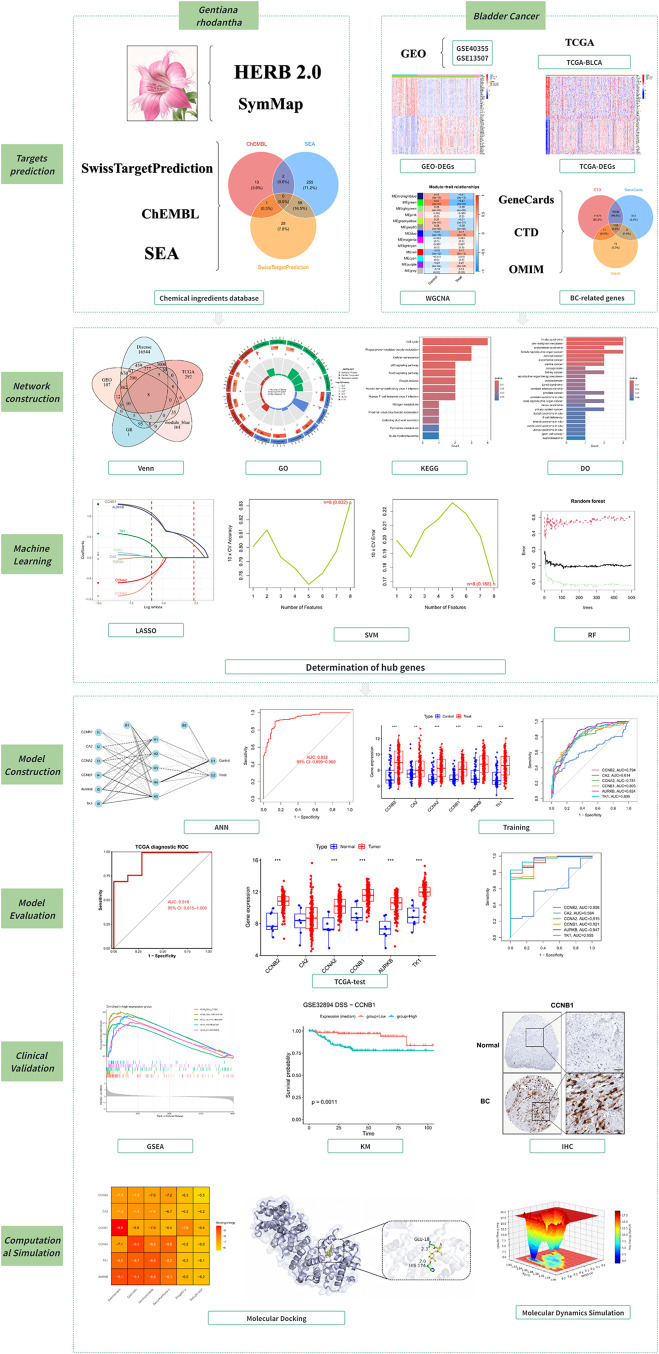 Figure 1
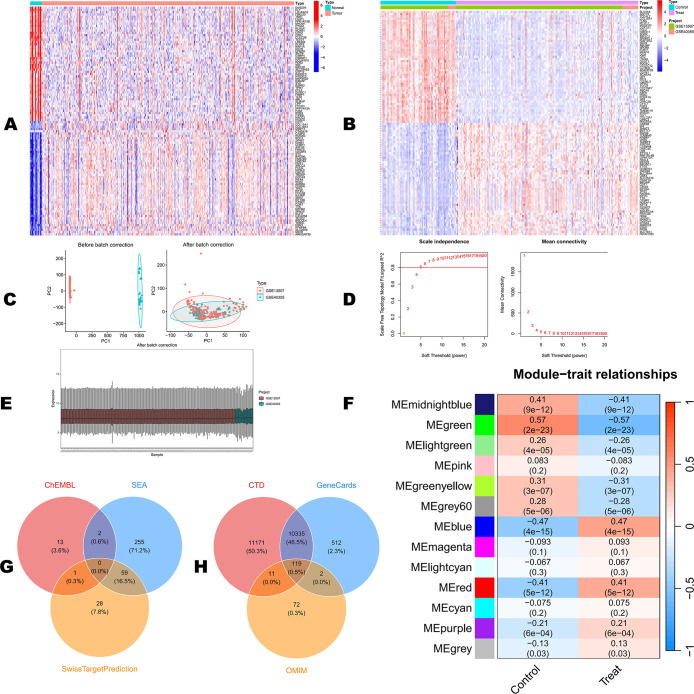 Figure 2
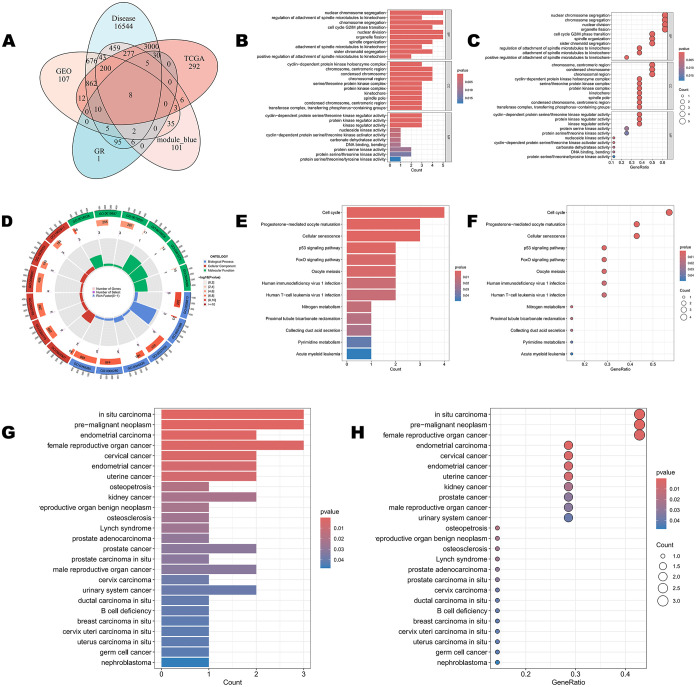 Figure 3
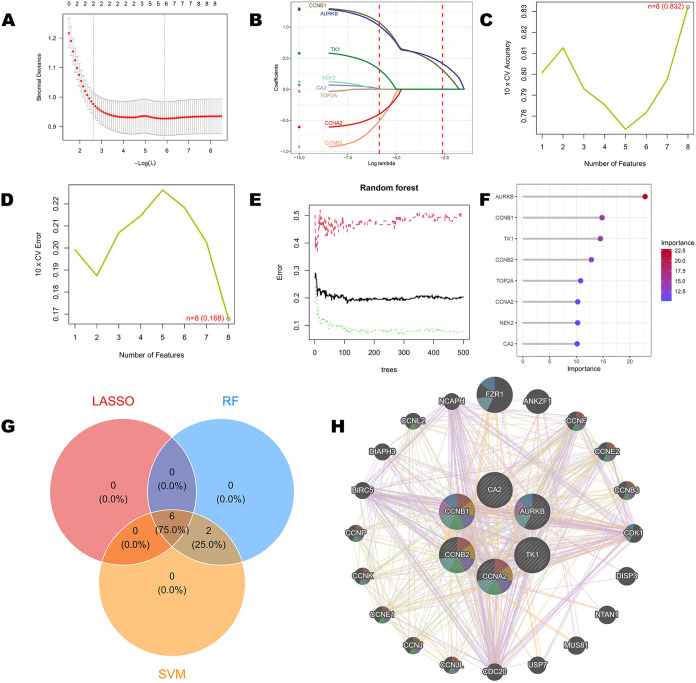 Figure 4
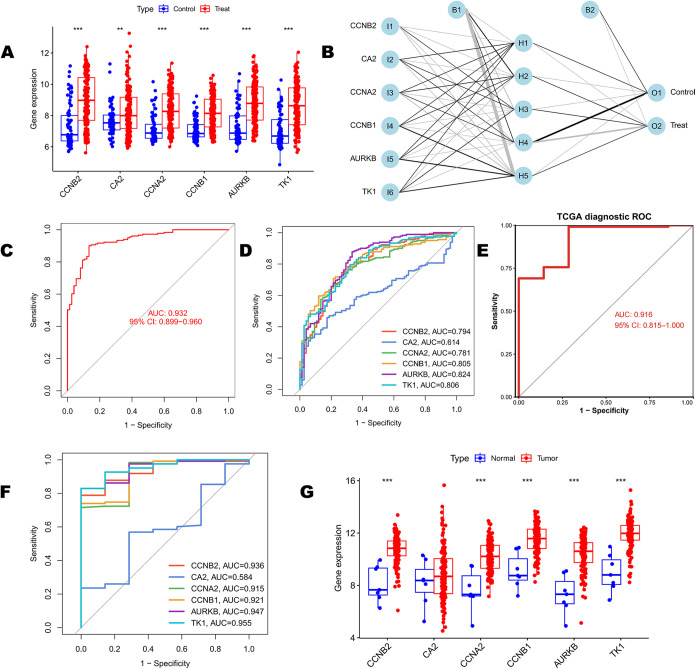 Figure 5
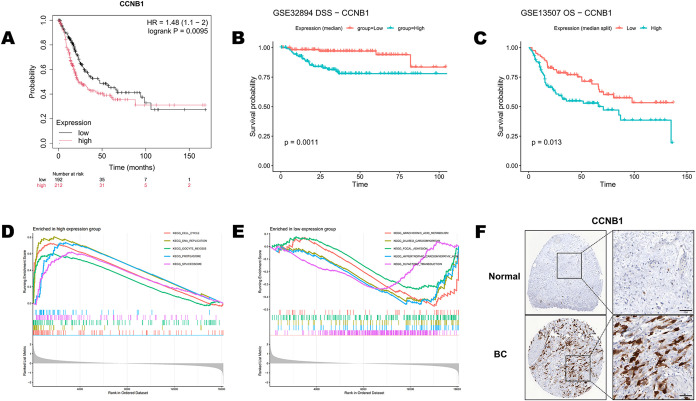 Figure 6
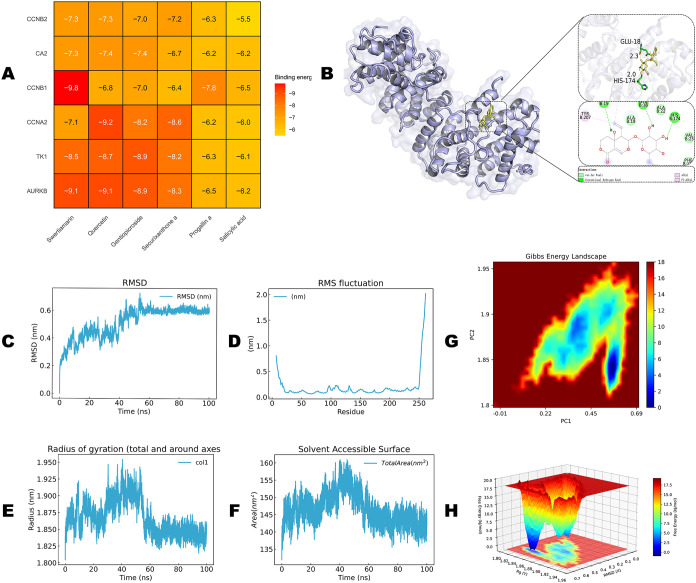 Figure 7
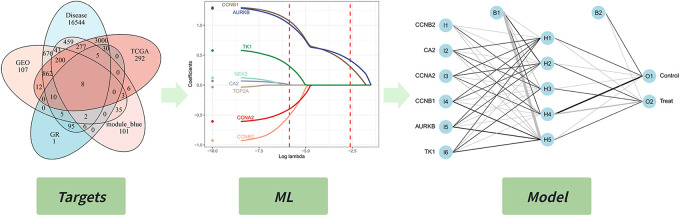 Figure 8
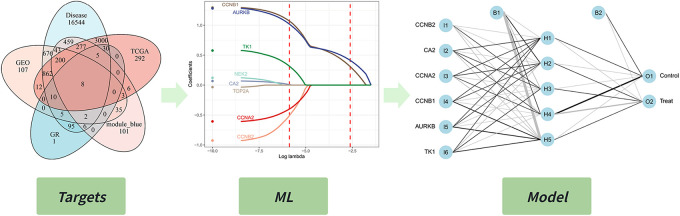 Figure 9
Peer Reviews
No public reviews on file for this paper yet. If you reviewed it on a platform where reviews are public (OpenReview, ICLR, NeurIPS, ICML), you can paste yours below so the community can read it here.
Videos
No videos yet. Explain this paper in a talk, walkthrough, or lecture? Add one.
Taxonomy
TopicsPhytochemistry and Biological Activities · Biological and pharmacological studies of plants · Andrographolide Research and Applications