Next-generation Janus kinase inhibitors: Integrating synthetic innovation, structural biology, and computational design for precision drug discovery
Karthik K. Karunakar, Binoy Varghese Cheriyan, Sowmiya Philiph, Rajesh kumar Shanmugam, Josme Sree

TL;DR
This review explores new strategies to design better JAK inhibitors for treating inflammatory, autoimmune, and cancer diseases with improved safety and precision.
Contribution
The paper integrates synthetic chemistry, structural biology, and computational methods to guide the development of next-generation JAK inhibitors with enhanced selectivity and therapeutic profiles.
Findings
Structural features like the Cys909 residue in JAK3 offer unique opportunities for isoform-specific inhibitor design.
Multidisciplinary approaches including molecular docking and machine learning improve hit discovery and pharmacokinetic profiles.
Hinge-binding optimization and scaffold-hopping strategies diversify inhibitor scaffolds for better selectivity.
Abstract
Janus kinase (JAK) dysregulation plays a central role in the pathogenesis of inflammatory, autoimmune, and malignant disorders, making the JAK family an essential therapeutic target across multiple disease domains. Over the past two decades, the field has progressed from the identification of early JAK2 inhibitors to the approval of several first-generation agents, including ruxolitinib, tofacitinib, baricitinib, and fedratinib, which validated the clinical feasibility of JAK blockade. However, limitations related to safety, isoform selectivity, long-term tolerability, and off-target kinase interactions continue to restrict their broader application and highlight the need for next-generation molecules. In this review, we provide a comprehensive and strategic assessment of the molecular features underpinning JAK2 and JAK3 selectivity, including signaling features directly relevant to…
Genes, proteins, chemicals, diseases, species, mutations and cell lines named across the full text — each resolved to its canonical identifier and authoritative record.
Click any figure to enlarge with its caption.
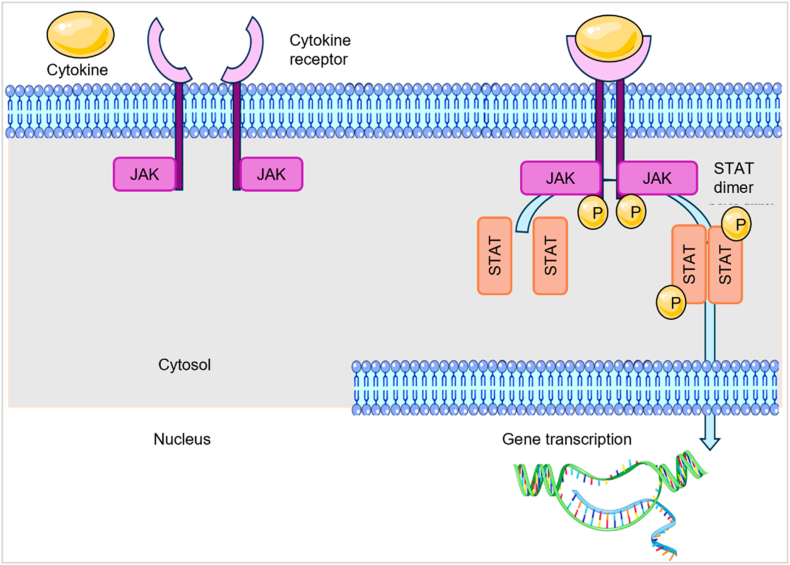 Figure 1
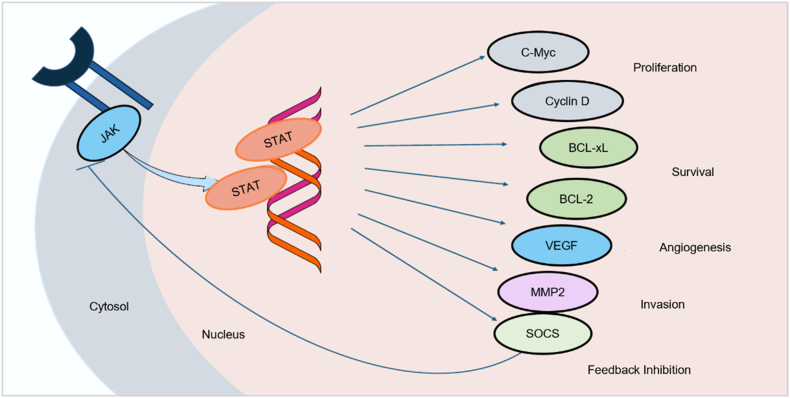 Figure 2
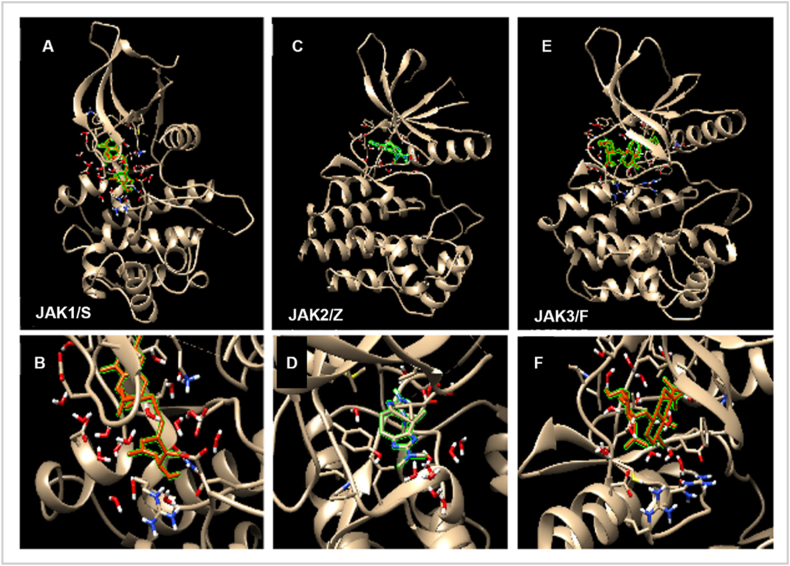 Figure 3
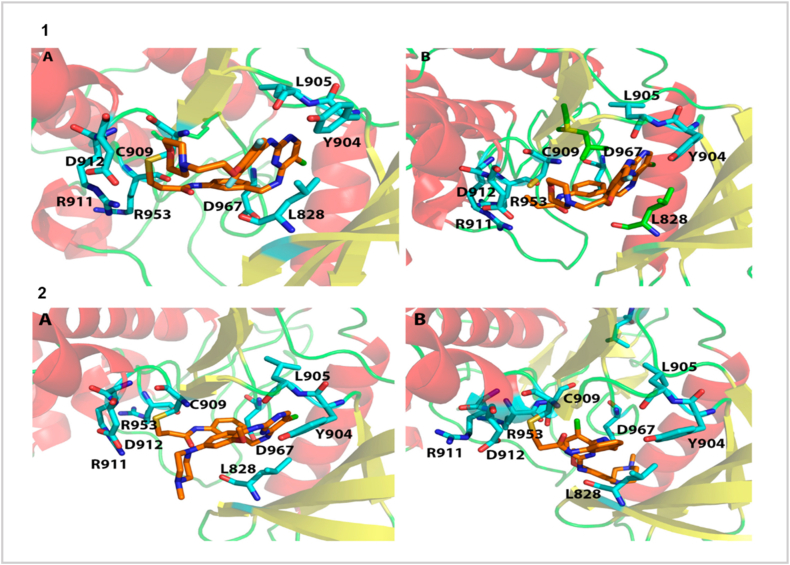 Figure 4
Peer Reviews
No public reviews on file for this paper yet. If you reviewed it on a platform where reviews are public (OpenReview, ICLR, NeurIPS, ICML), you can paste yours below so the community can read it here.
Videos
No videos yet. Explain this paper in a talk, walkthrough, or lecture? Add one.
Taxonomy
TopicsMicrotubule and mitosis dynamics · Synthesis and Reactivity of Heterocycles · Cyclization and Aryne Chemistry