Advancing biomedical technology through multifunctional porphyrin-based MOFs: design principles, applications, and biosafety evaluations
Tushuai Li, Wenxue Sun, Hongying Pan, Qi Tang, Lanxin Geng, Jin Liu, Guangfu Liao, Yanhua Zhang

TL;DR
This review explores how porphyrin-based metal–organic frameworks can be used in biomedical applications like cancer therapy and wound healing, while also examining their safety and future potential.
Contribution
The paper provides a systematic overview of design principles, biomedical applications, and biosafety of porphyrin-based MOFs, highlighting their clinical translation potential.
Findings
Porphyrin-based MOFs show promise in cancer therapy, antibacterial treatment, and biosensors.
These materials exhibit good biosafety, low toxicity, and biodegradability.
Current challenges and future directions for clinical translation are identified.
Abstract
Porphyrin-based metal–organic frameworks (MOFs) have a great deal of promise for widespread use in biomedical and nanomedical fields because of their exceptional structural and functional properties, good biosafety and low toxicity, and intrinsic biodegradability. This review systematically outlines the design principles of porphyrin-based MOFs and highlights their latest developments in a variety of biomedical applications, including cancer therapy, antibacterial treatment, wound healing, and biosensors. Subsequently, we critically examine their biosafety and toxicity aspects. Finally, we detail the current state of the art, ongoing challenges, and future prospects for the emerging materials in biomedicine. With continued research efforts, multifunctional porphyrin-based MOFs have great potential for future clinical translation. Image 1 •Design principles of porphyrin-based MOFs were…
Genes, proteins, chemicals, diseases, species, mutations and cell lines named across the full text — each resolved to its canonical identifier and authoritative record.
Click any figure to enlarge with its caption.
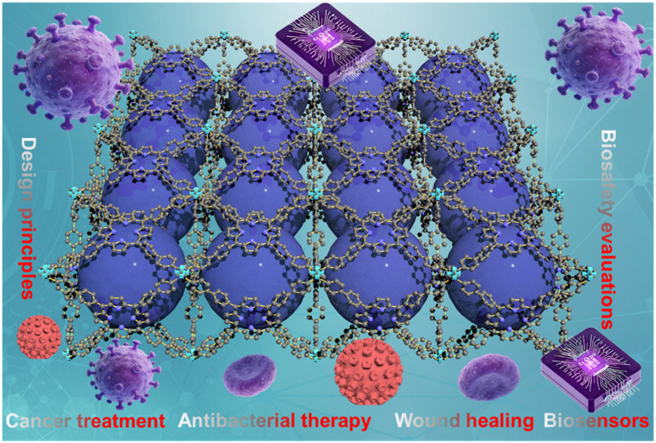 Figure 1
 Figure 2
 Figure 3
 Figure 4
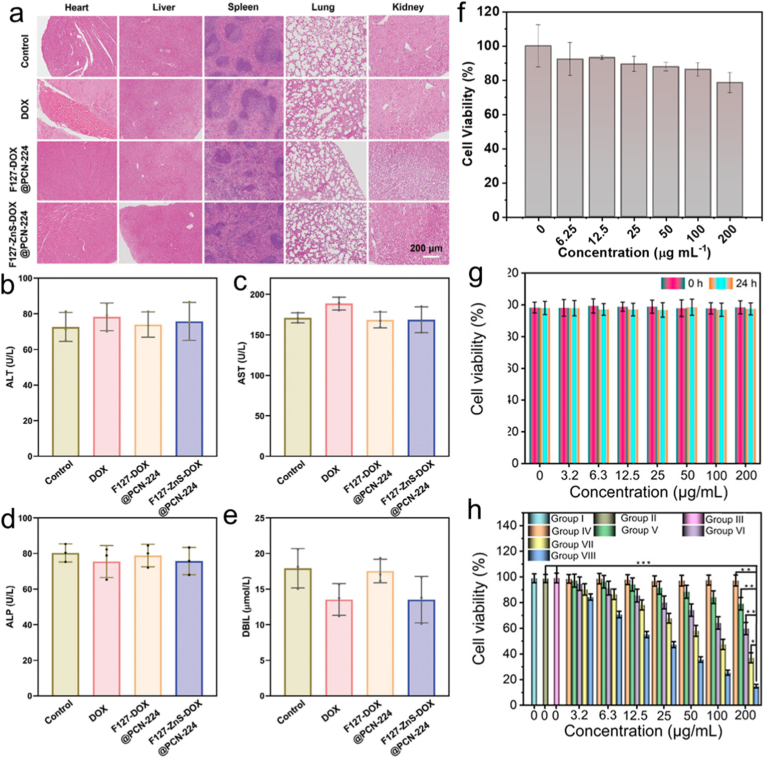 Figure 5
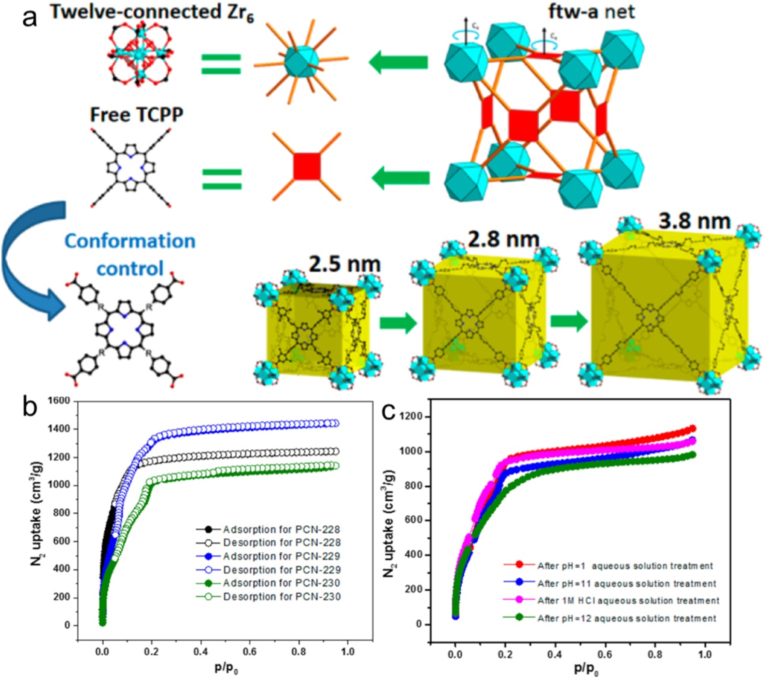 Figure 6
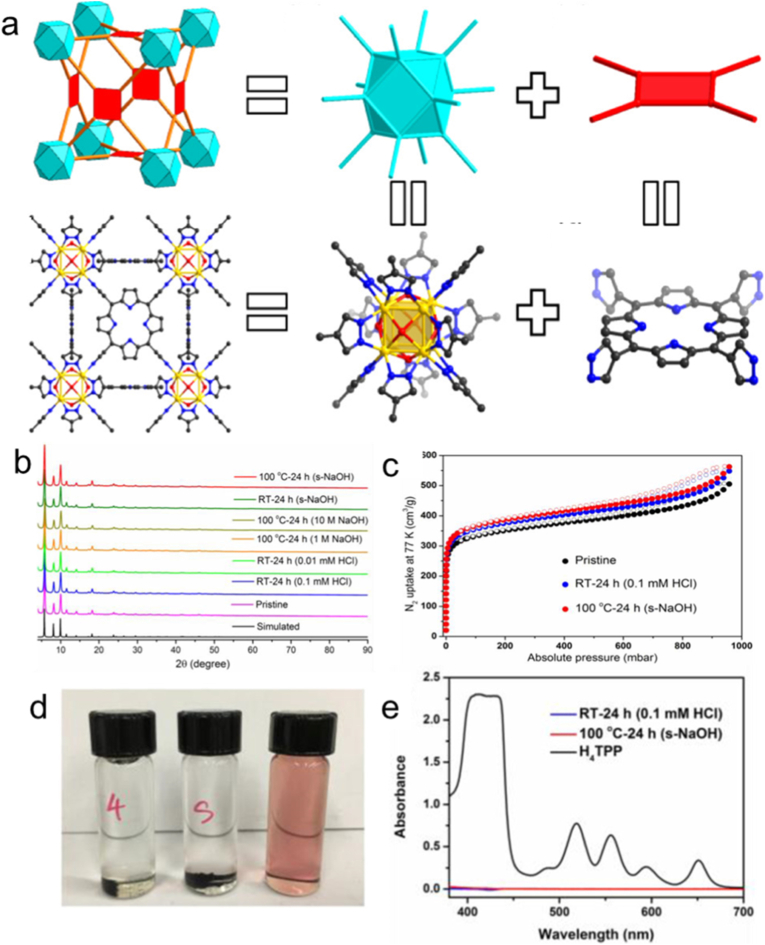 Figure 7
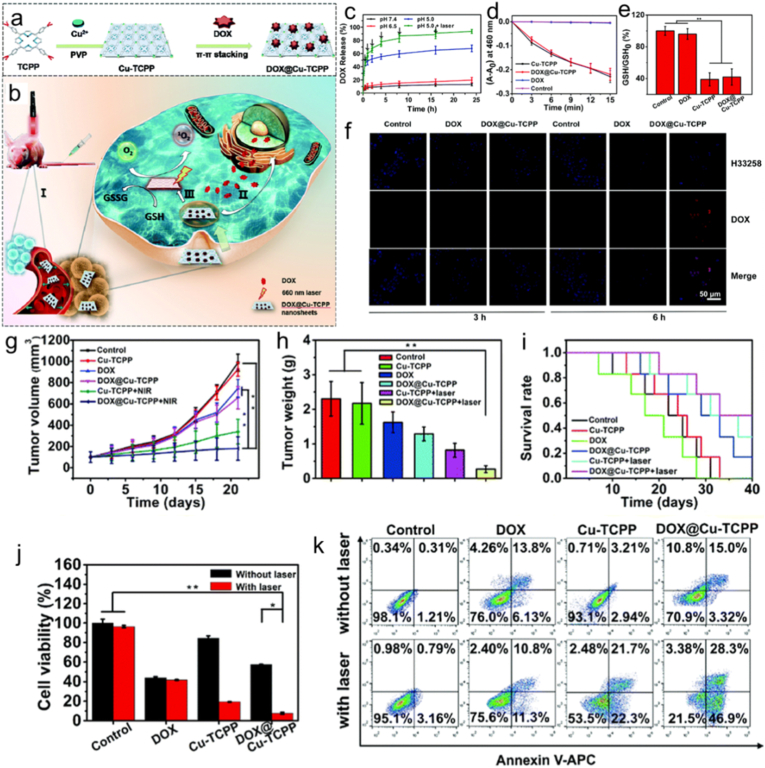 Figure 8
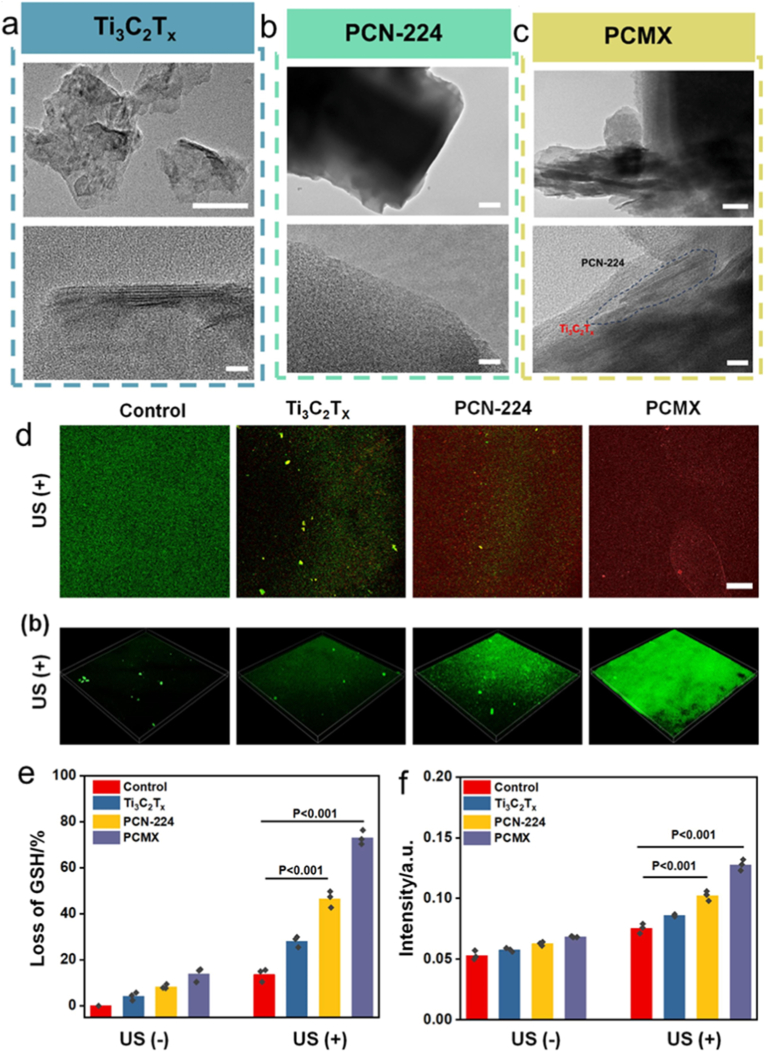 Figure 9
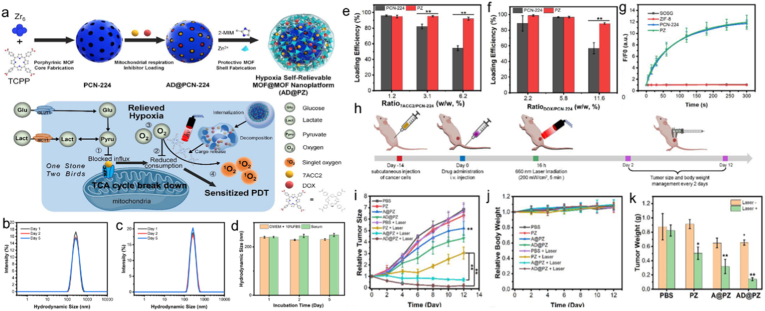 Figure 10
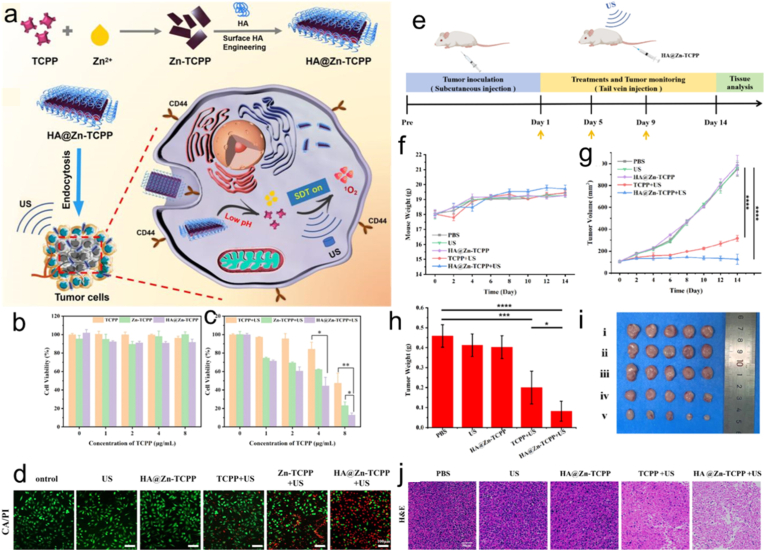 Figure 11
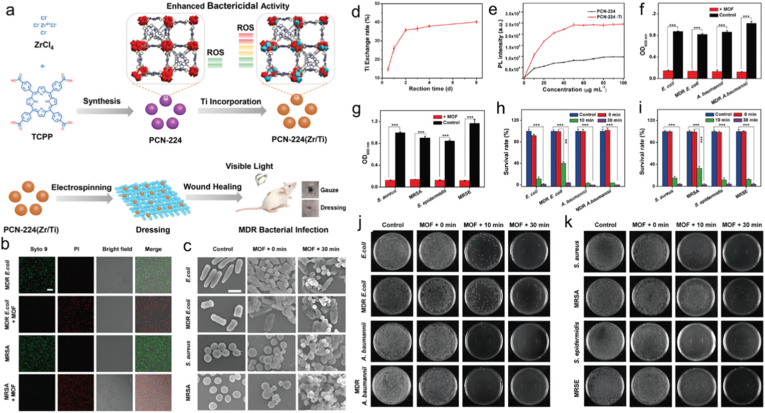 Figure 12
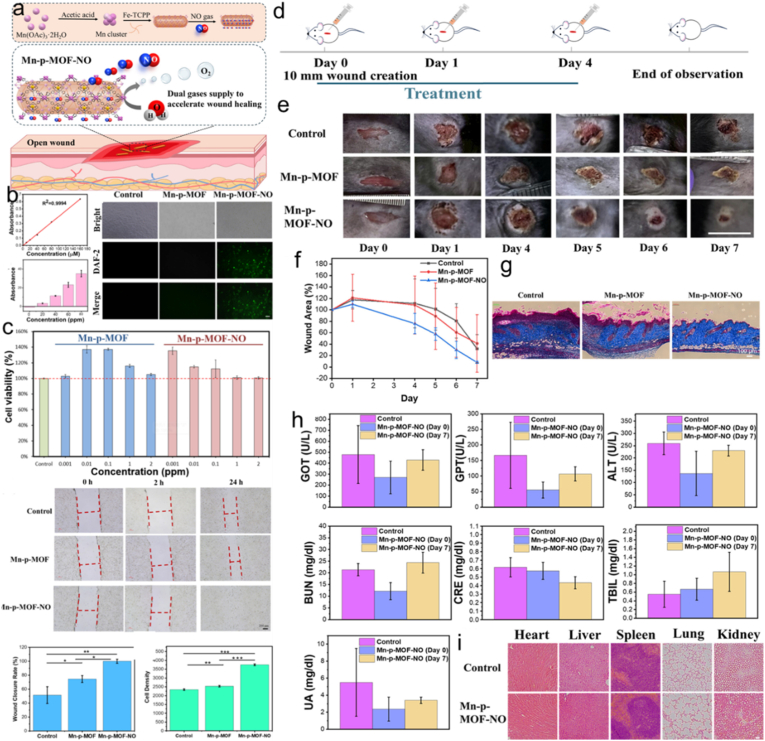 Figure 13
Peer Reviews
No public reviews on file for this paper yet. If you reviewed it on a platform where reviews are public (OpenReview, ICLR, NeurIPS, ICML), you can paste yours below so the community can read it here.
Videos
No videos yet. Explain this paper in a talk, walkthrough, or lecture? Add one.
Taxonomy
TopicsMetal-Organic Frameworks: Synthesis and Applications · Nanoplatforms for cancer theranostics · Advanced Nanomaterials in Catalysis