Efficacy of eco-friendly synthesized silver nanoparticles in ameliorating tartrazine induced reproductive toxicity in Japanese quails
Fiza Abbas, Shabana Naz, Hanan Al-Khalaifah, Samra, Maryam Fatima, Ulfat Zahra, Hafsa Saeed, Sania Satti, Abdul Hafeez Abdul Razzaq, Rifat Ullah Khan, Ala Abudabos, Raed M. Al-Atiyat, Ihtesham Ul Haq, Ibrhaim A. Alhidary

TL;DR
This study shows that eco-friendly silver nanoparticles can reduce reproductive harm caused by a food dye in Japanese quails.
Contribution
The novel use of green-synthesized silver nanoparticles to counteract tartrazine-induced reproductive toxicity in Japanese quails is presented.
Findings
Tartrazine exposure significantly reduced egg production, fertility, and gonadal weight in Japanese quails.
Administration of silver nanoparticles (AgNPs) reversed these reproductive impairments caused by tartrazine.
The combination of 10 mg/kg tartrazine and 8 mg/kg AgNPs showed the greatest recovery in reproductive health.
Abstract
Tartrazine, a synthetic azo dye that imparts a lemon-yellow color, is widely used in food products. Tartrazine has raised health concerns due to its potential to induce physiological and biochemical disruptions in different species. This study aimed to evaluate the protective effect of AgNPs synthesized from Azadirachta indica against tartrazine-induced reproductive toxicity using Japanese quail as an animal model. For this purpose, a total of 672, 14-day-old Japanese quails were purchased and, after a 10-day acclimatization period, were equally divided into 7 treatment groups (96 birds per group) with six replicates and a sex ratio of 1 male to 3 females. Group 1 served as the control and received a basal diet only. Groups 2 and 3 were administered tartrazine at doses of 10 and 20 mg/kg body weight, respectively. Groups 4 and 5 received tartrazine (10 mg/kg body weight) in combination…
Genes, proteins, chemicals, diseases, species, mutations and cell lines named across the full text — each resolved to its canonical identifier and authoritative record.
Click any figure to enlarge with its caption.
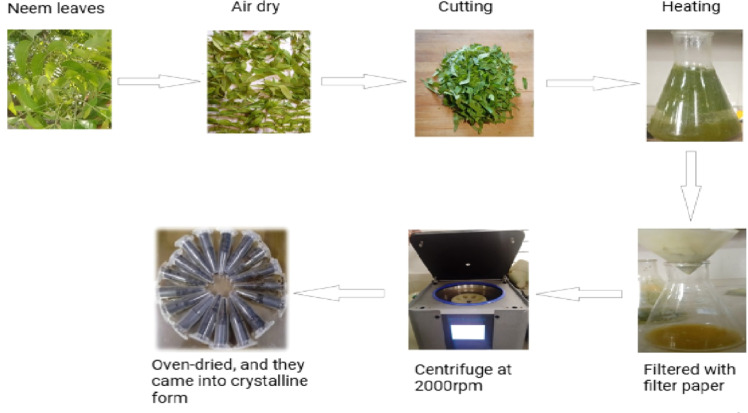 Figure 1
Peer Reviews
No public reviews on file for this paper yet. If you reviewed it on a platform where reviews are public (OpenReview, ICLR, NeurIPS, ICML), you can paste yours below so the community can read it here.
Videos
No videos yet. Explain this paper in a talk, walkthrough, or lecture? Add one.
Taxonomy
TopicsDye analysis and toxicity · Nanoparticles: synthesis and applications · Saffron Plant Research Studies