Integrated multi-omics identifies macrophage ARG1-mediated deacetylation with causal and diagnostic implications in ischemic stroke
Hang-Ze Ruan, Ying Zhu, Shen-chi Cheng, Jin-Yu Huang, Wei Hu

TL;DR
This study identifies a three-gene signature linked to epigenetic changes in ischemic stroke, offering a diagnostic tool and revealing immune-related mechanisms.
Contribution
The study introduces a novel three-gene deacetylation signature and identifies ARG1-expressing macrophages as causal factors in ischemic stroke.
Findings
A three-gene signature (VIM, ARG1, PRPF31) achieved high diagnostic accuracy (AUC = 0.840) for ischemic stroke.
ARG1 was confirmed as a causal factor for ischemic stroke via Mendelian randomization analysis.
ARG1 upregulation was validated in macrophages from both mouse and human ischemic stroke models.
Abstract
Ischemic stroke (IS) involves transcriptional dysregulation linked to epigenetic deacetylation. By integrating multi-omics data from IS patients and an MCAO model, we identified fifty-two differentially expressed deacetylation-related genes (DEARGs) and derived a three-gene signature (VIM, ARG1, and PRPF31) that exhibited high diagnostic accuracy (AUC = 0.840) and stratified IS patients into two immunologically distinct molecular subtypes with divergent immune microenvironment infiltration patterns. Two-sample Mendelian randomization analysis with 24 eQTL-derived instrumental variables confirmed ARG1 as a causal factor for IS (IVW method; FDR-corrected p = 0.03). Single-cell RNA sequencing validated specific ARG1 upregulation in infiltrating macrophages of a mouse MCAO model and myeloid subsets of human IS PBMCs, with RT-qPCR further verifying this pattern. Together, our study links…
Genes, proteins, chemicals, diseases, species, mutations and cell lines named across the full text — each resolved to its canonical identifier and authoritative record.
Click any figure to enlarge with its caption.
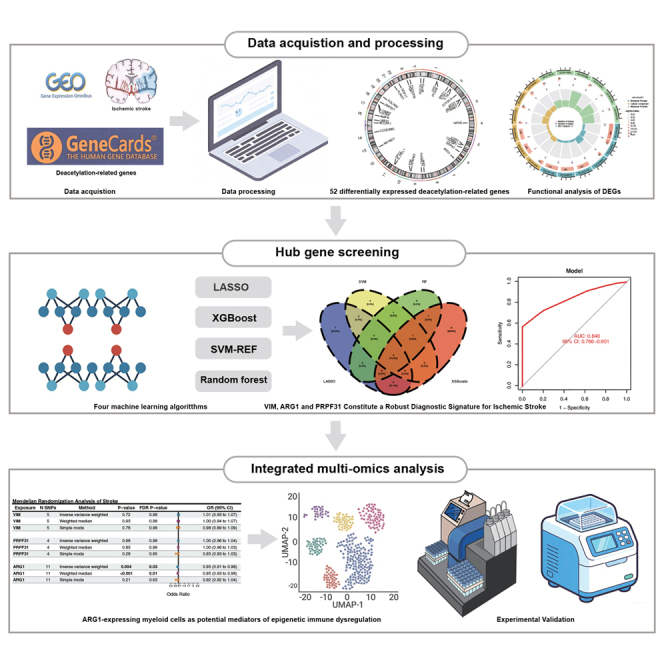 Figure 1
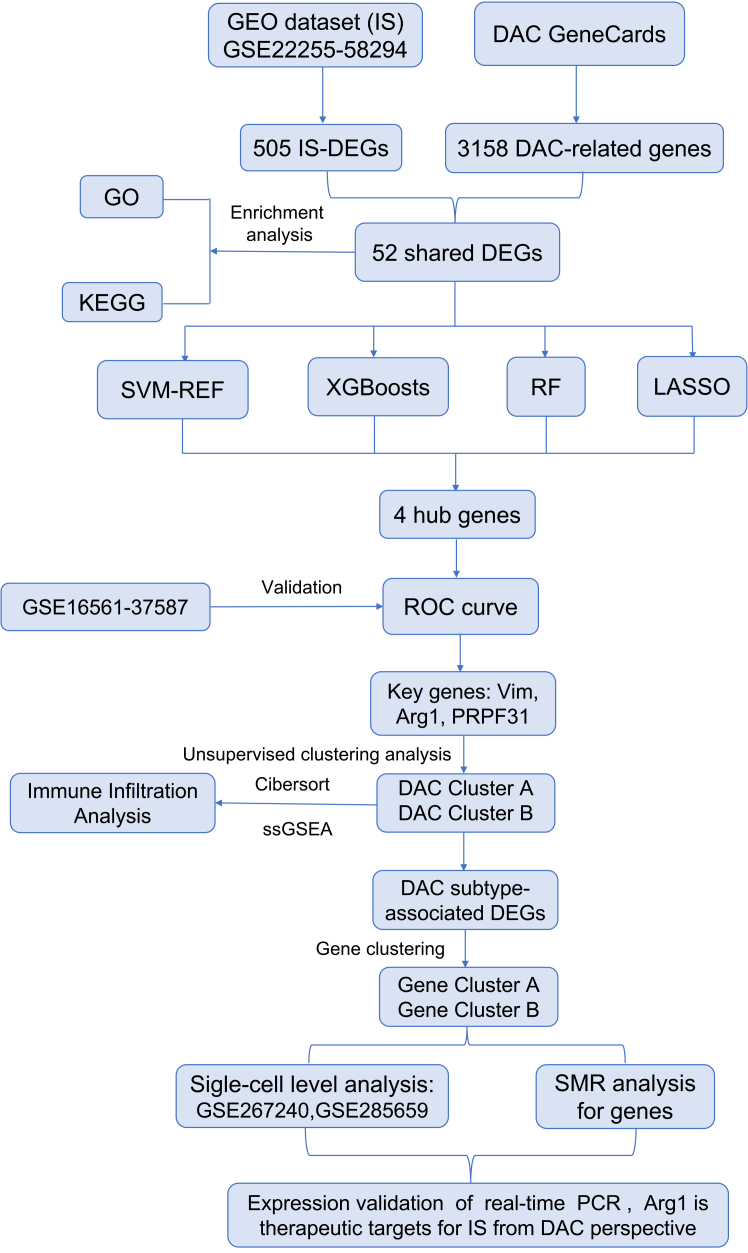 Figure 2
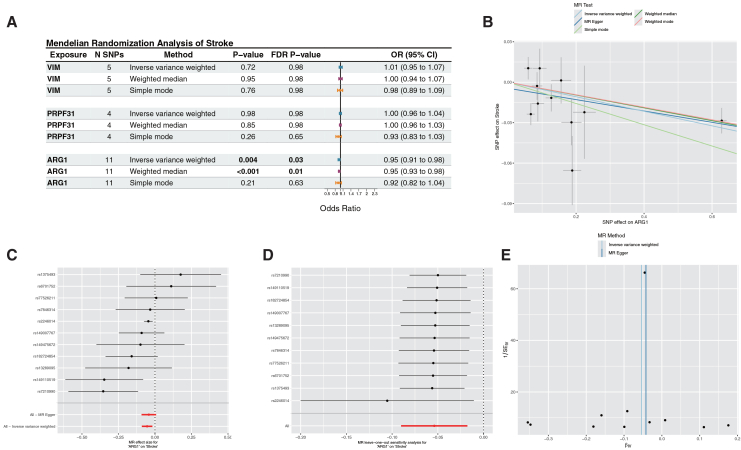 Figure 3
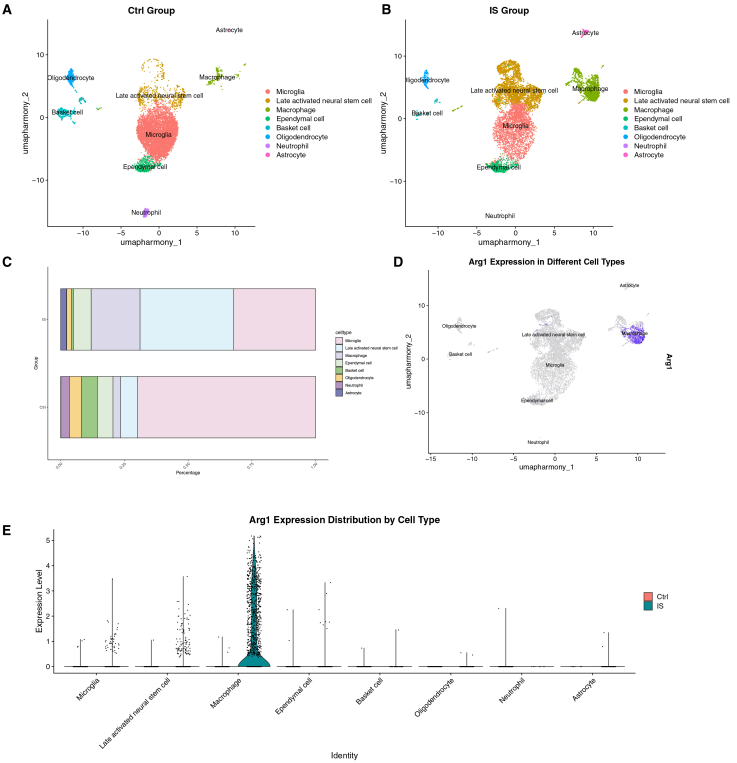 Figure 4
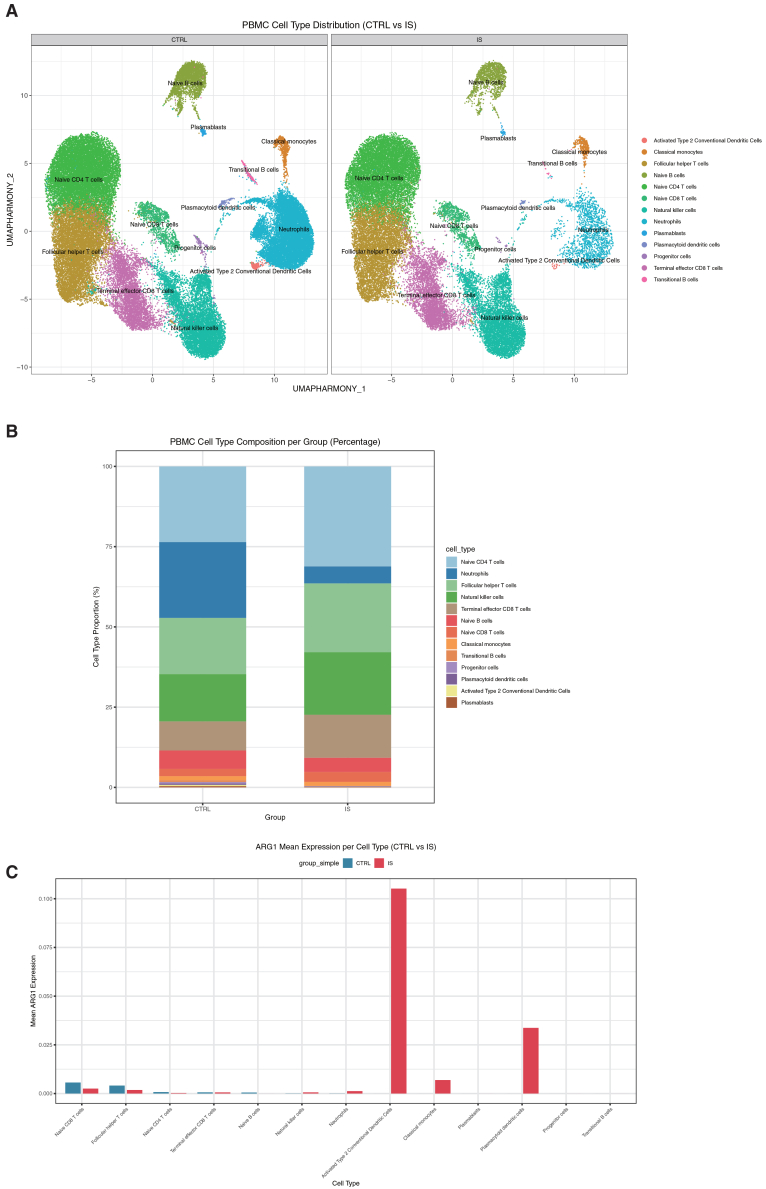 Figure 5
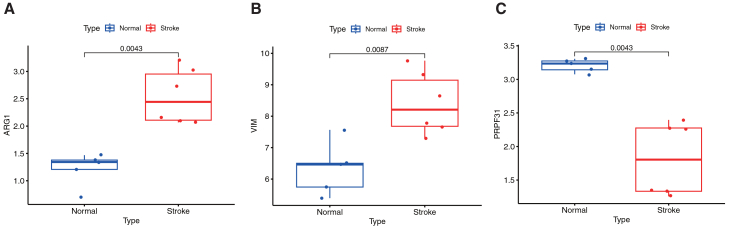 Figure 6
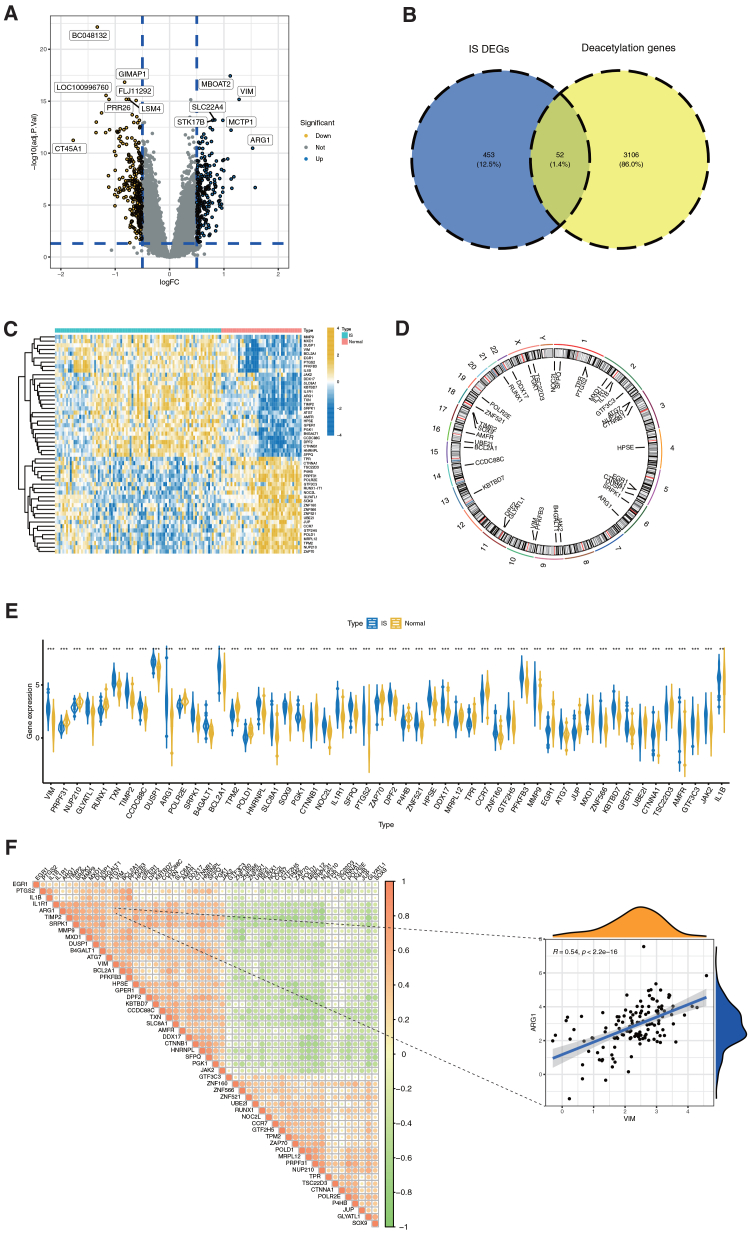 Figure 7
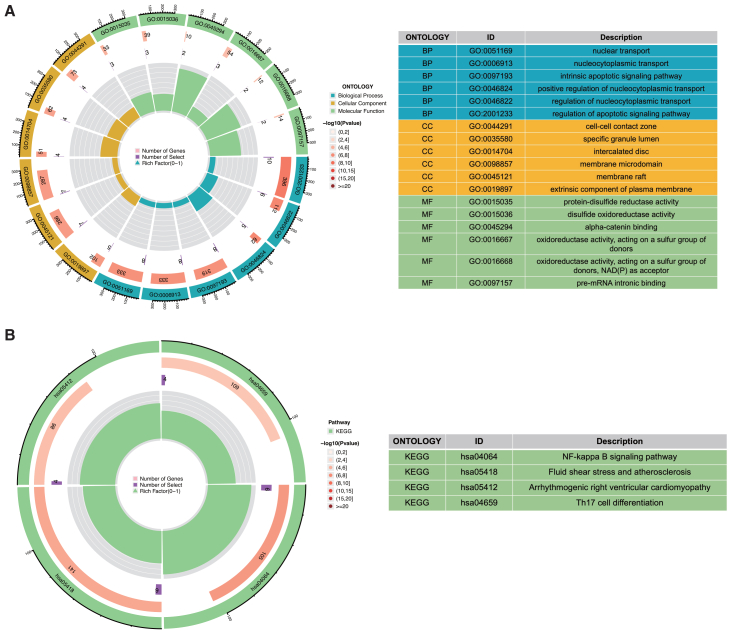 Figure 8
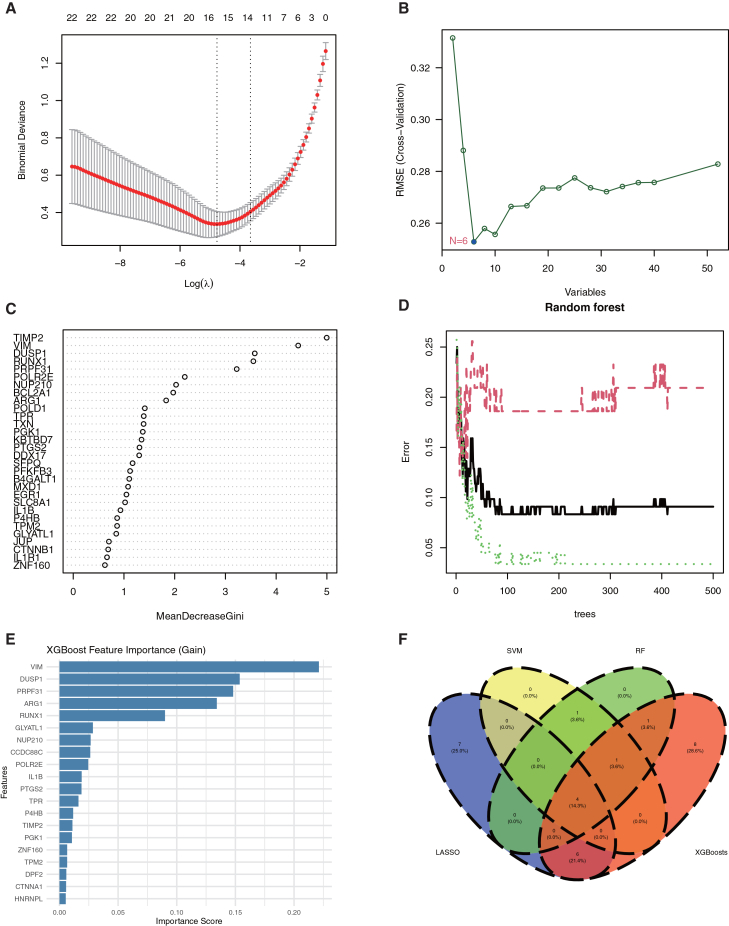 Figure 9
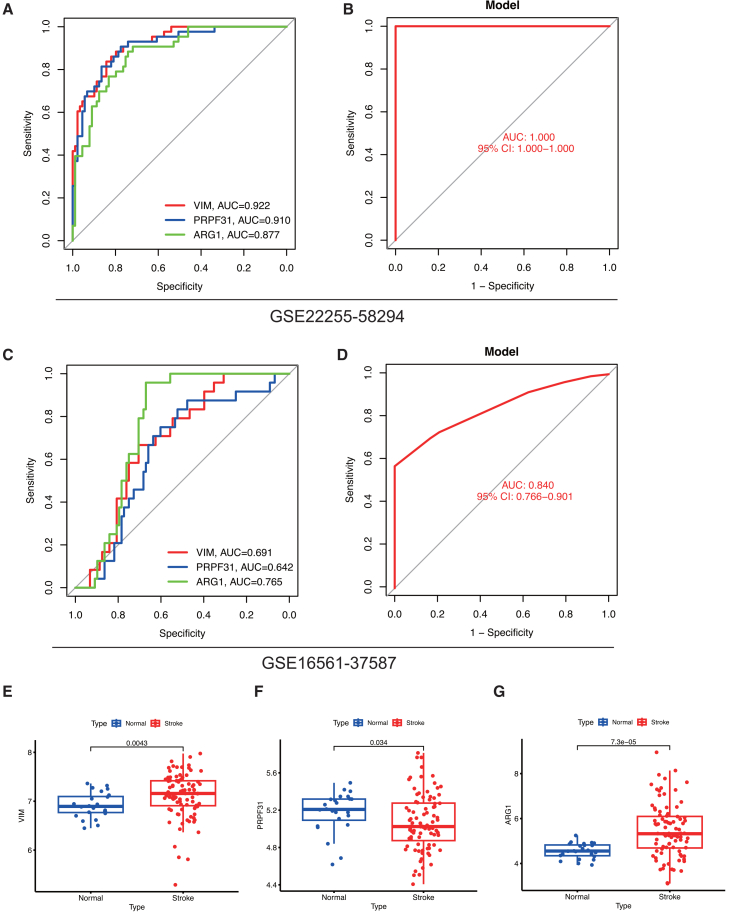 Figure 10
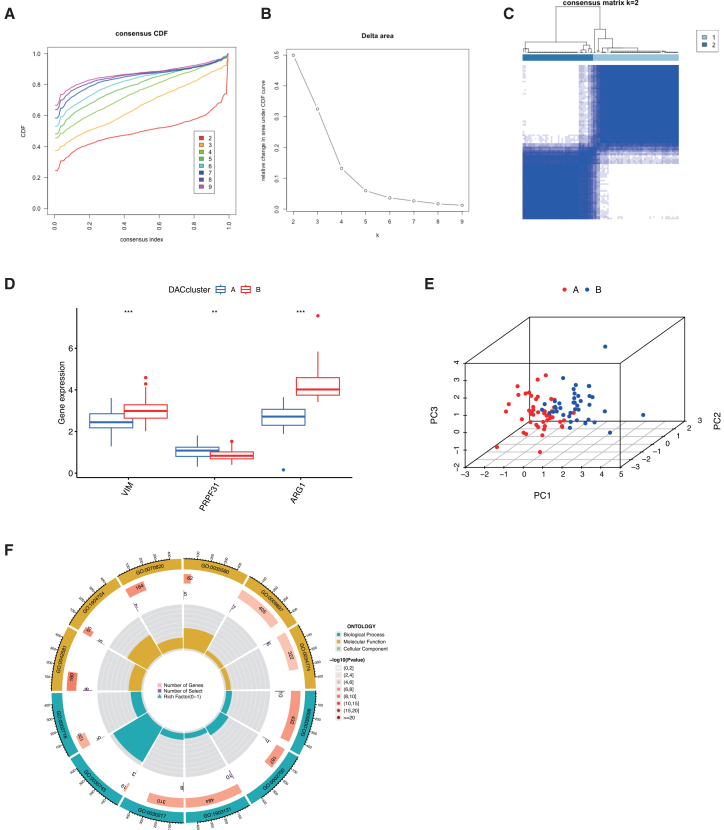 Figure 11
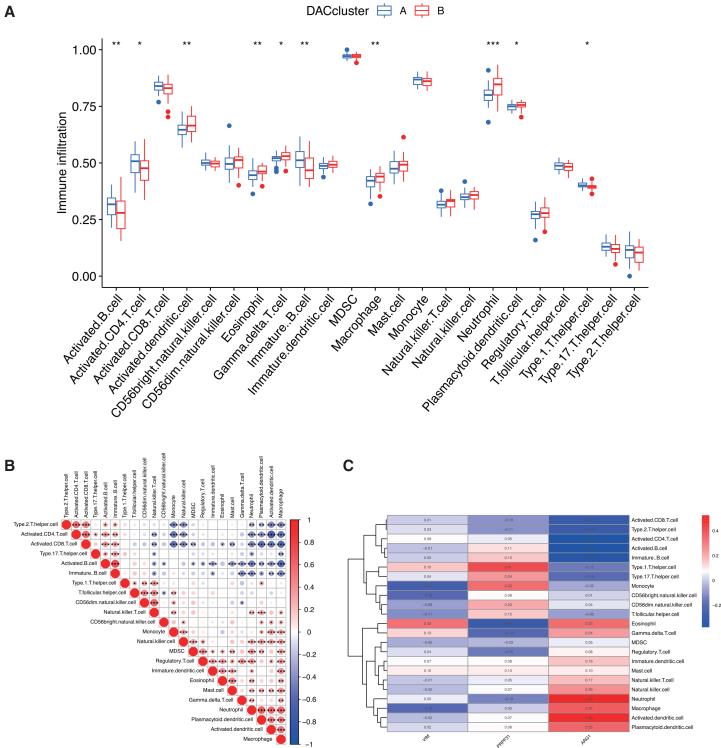 Figure 12
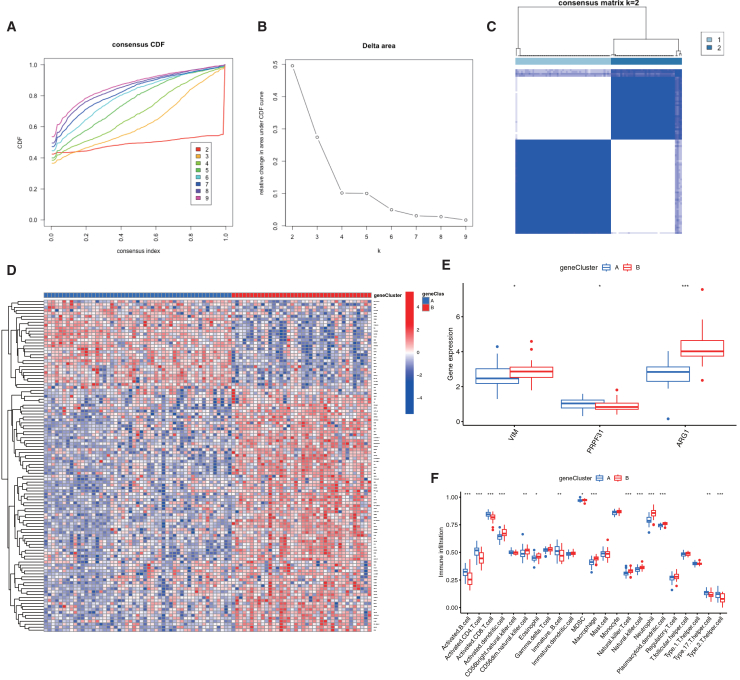 Figure 13
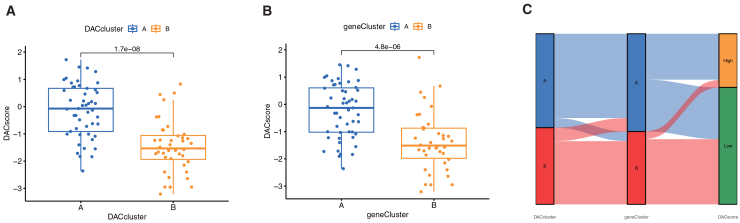 Figure 14
Peer Reviews
No public reviews on file for this paper yet. If you reviewed it on a platform where reviews are public (OpenReview, ICLR, NeurIPS, ICML), you can paste yours below so the community can read it here.
Videos
No videos yet. Explain this paper in a talk, walkthrough, or lecture? Add one.
Taxonomy
TopicsCerebrovascular and genetic disorders · S100 Proteins and Annexins · Hereditary Neurological Disorders