Analysis of familial exudative vitreoretinopathy (FEVR) cases in the UK 100 000 genomes project increases diagnostic rate and implicates heterozygous CTNND1 mutations in FEVR
Dong Sun, Robert H Henderson, Emma Clement, Michel Michaelides, Angelos Kalitzeos, Genevieve A Wright, Eibhlin Mcloone, Chris Inglehearn, James A Poulter, Carmel Toomes

TL;DR
This study analyzed genetic data from 59 FEVR cases in the UK 100,000 Genomes Project, identifying new variants and increasing the diagnostic rate from 20% to 37%.
Contribution
The study identifies heterozygous CTNND1 mutations as potential contributors to FEVR and improves diagnostic yield through reanalysis.
Findings
Six novel and eight known pathogenic variants in FEVR-related genes were identified in 15 out of 59 cases.
Heterozygous CTNND1 variants were found in three unsolved FEVR cases, suggesting a new potential genetic cause.
Reanalysis increased the diagnostic yield from 20% to 37%, but most FEVR cases remain genetically unsolved.
Abstract
Familial exudative vitreoretinopathy (FEVR) is an inherited eye disease characterised by the incomplete development of the retinal vasculature. Over 10 genes have been associated with FEVR, but there are still a substantial number of genetically unsolved cases. The aim of this study was to analyse whole genome sequencing (WGS) data from the FEVR cases in the Genomics England (GEL) 100 000 genomes project to identify the causative variants. WGS was performed by GEL and accessed within the GEL Research Environment. FEVR cases were identified using LabKey and candidate variants were extracted using the ‘gene-variant workflow’ and ‘CNV/SV workflow’ and by using BCFtools in unfiltered VCF files. Fifty-nine FEVR probands were submitted to GEL. We found six novel and eight previously reported pathogenic variants in six genes known to underlie FEVR (TSPAN12, LRP5, FZD4, CTNNB1, KIF11 and…
Genes, proteins, chemicals, diseases, species, mutations and cell lines named across the full text — each resolved to its canonical identifier and authoritative record.
Click any figure to enlarge with its caption.
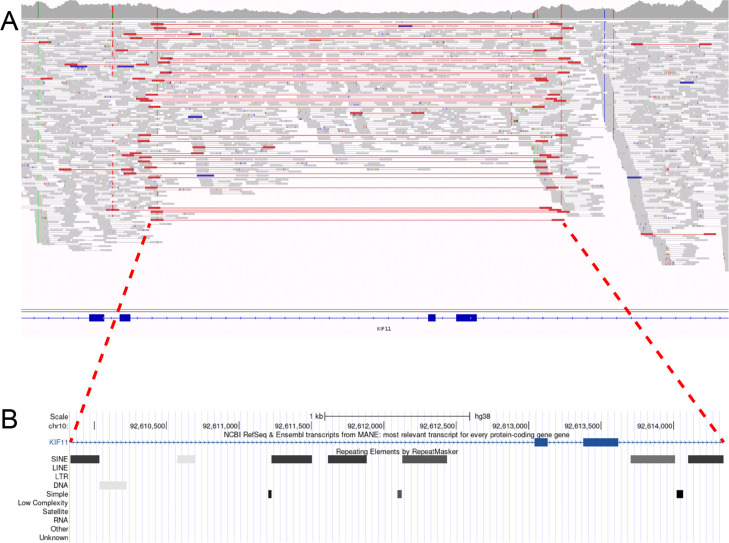 Figure 1
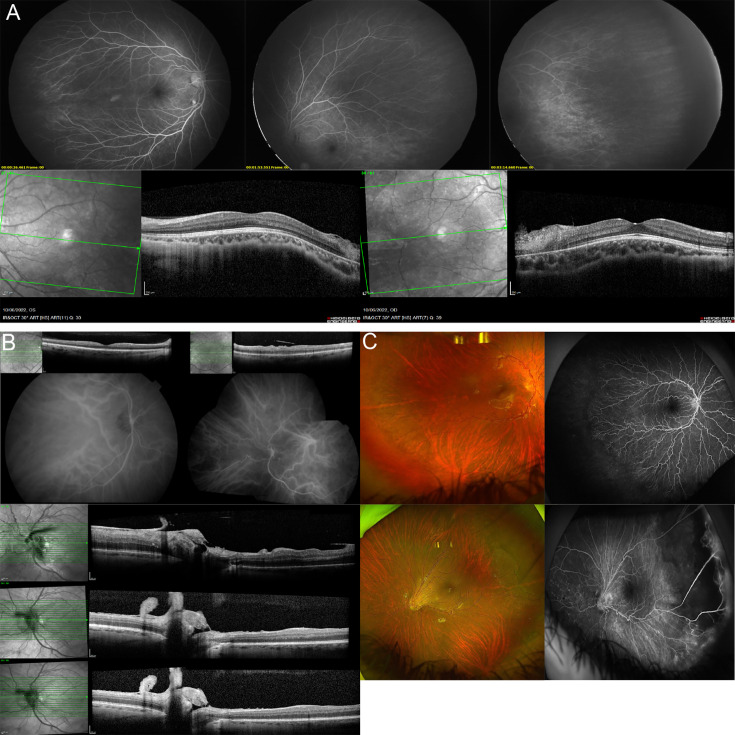 Figure 2
Peer Reviews
No public reviews on file for this paper yet. If you reviewed it on a platform where reviews are public (OpenReview, ICLR, NeurIPS, ICML), you can paste yours below so the community can read it here.
Videos
No videos yet. Explain this paper in a talk, walkthrough, or lecture? Add one.
Taxonomy
TopicsWnt/β-catenin signaling in development and cancer · Retinal Development and Disorders · Retinal and Macular Surgery