Construction, Control, and Application of Cyborg Animal Composed of Biological and Electromechanical Systems
Yue Ma, Chuang Zhang, Fei Nie, Hengshen Qin, Qi Zhang, Yiwei Zhang, Lianchao Yang, Lianqing Liu

TL;DR
This paper explores cyborg animals that combine biological and mechanical systems to improve control, flexibility, and endurance for various applications.
Contribution
The study offers a zoological framework for cyborg animals and highlights key areas for future development, including control strategies and ethical considerations.
Findings
Cyborg animals leverage natural intelligence and physiology for superior adaptability and performance.
Brain-computer interfaces and muscle-receptor stimulation are key control techniques examined.
Electronic backpacks and navigation algorithms are crucial for closed-loop control and applications like swarm robotics.
Abstract
The limitations of biohybrid and mechanical robots, including insufficient control accuracy, limited flexibility, long-term stability, and endurance, have spurred considerable research interest in cyborg animals, which leverage the innate locomotion capabilities, physiological systems, and natural intelligence of organisms to perform tasks with high adaptability, superior performance, and extended endurance. This study provides a comprehensive overview of cyborg animals within the framework of animal taxonomy, summarizing the current state of research from a zoological perspective. Subsequently, the effect of different control techniques on the locomotion performance of cyborg animals was examined, with a special emphasis on 2 prominent research areas: brain–computer interfaces and muscle-receptor electrical stimulation. In addition, the role of advances in electronic backpack design…
Genes, proteins, chemicals, diseases, species, mutations and cell lines named across the full text — each resolved to its canonical identifier and authoritative record.
Click any figure to enlarge with its caption.
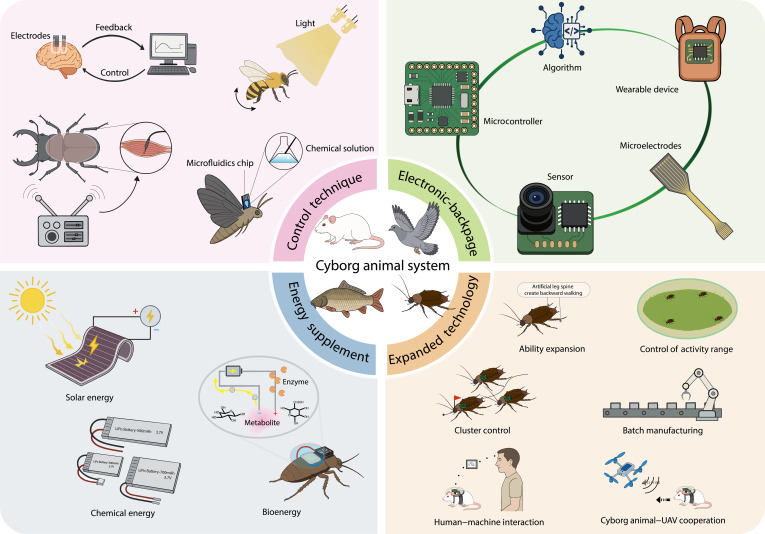 Figure 1
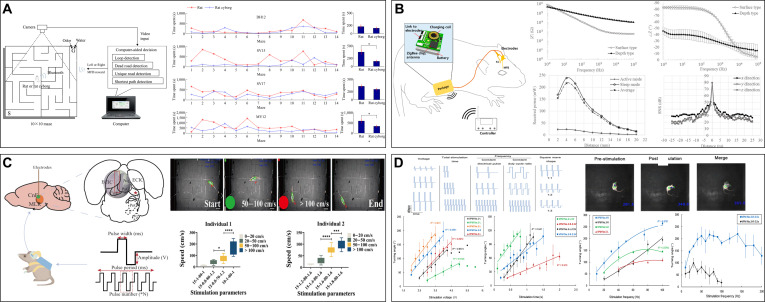 Figure 2
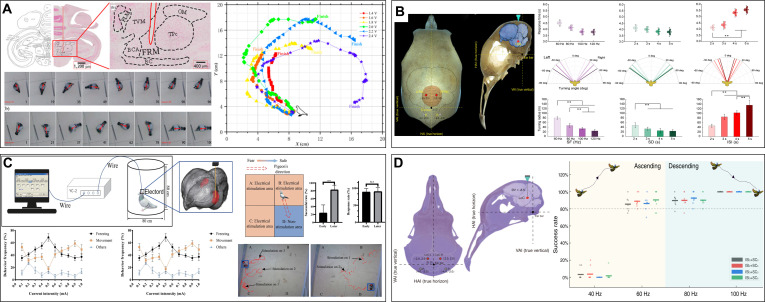 Figure 3
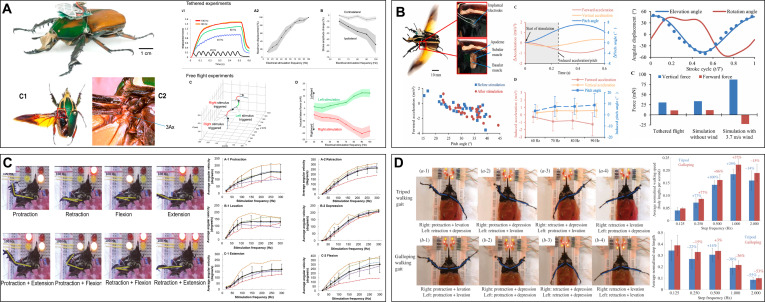 Figure 4
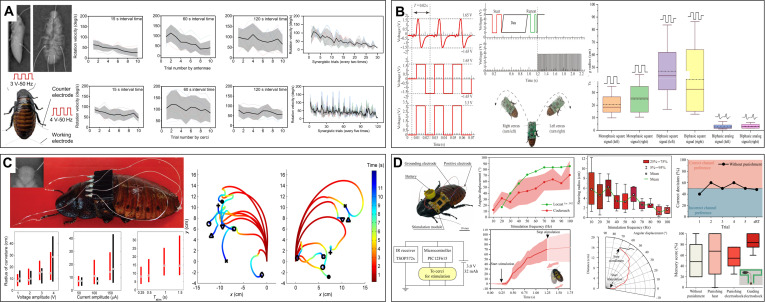 Figure 5
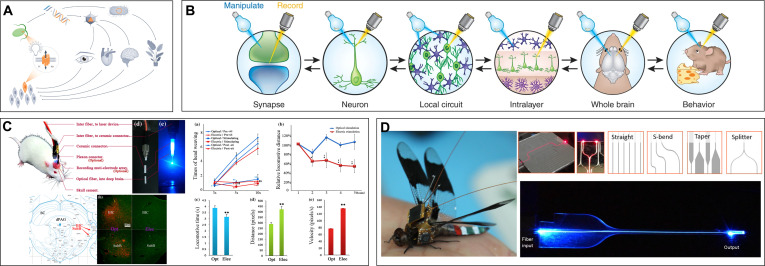 Figure 6
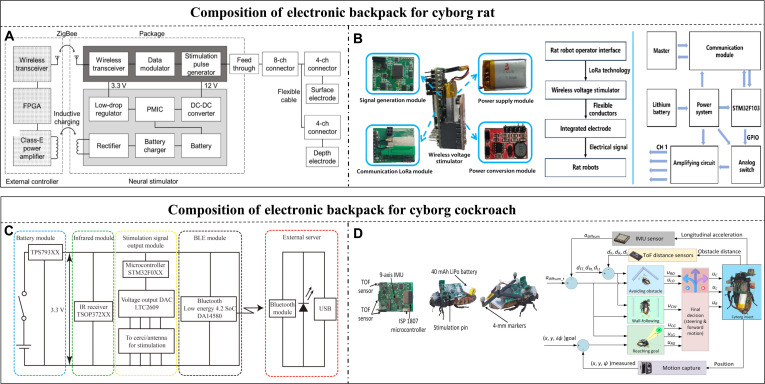 Figure 7
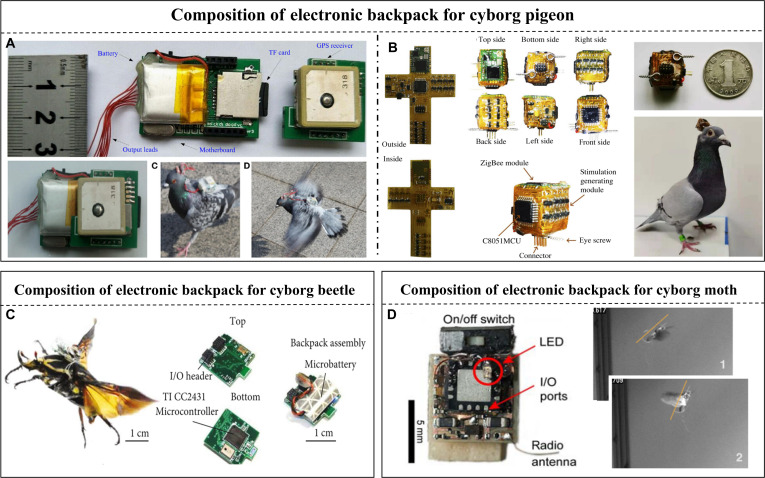 Figure 8
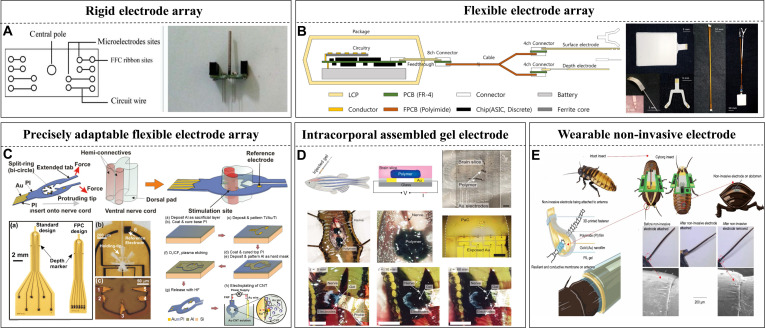 Figure 9
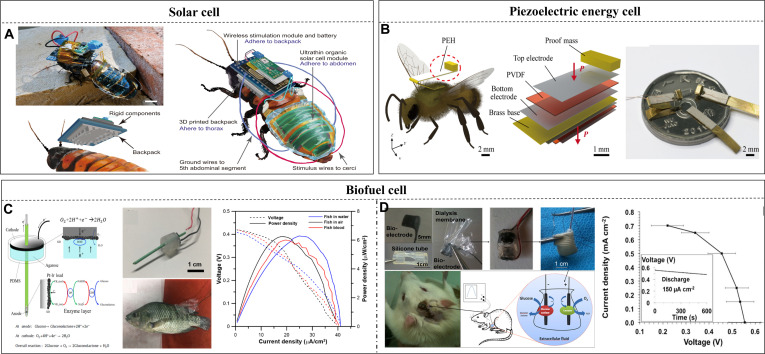 Figure 10
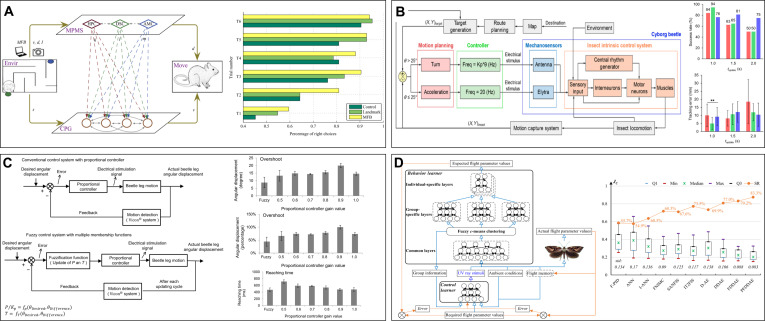 Figure 11
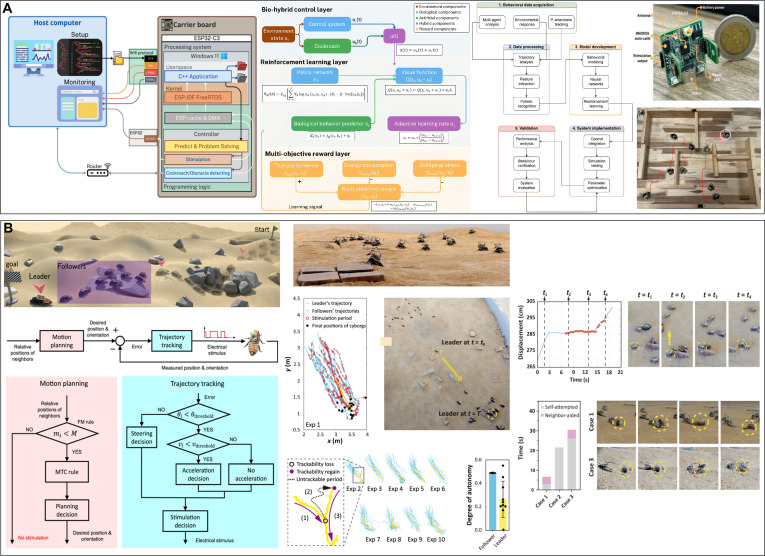 Figure 12
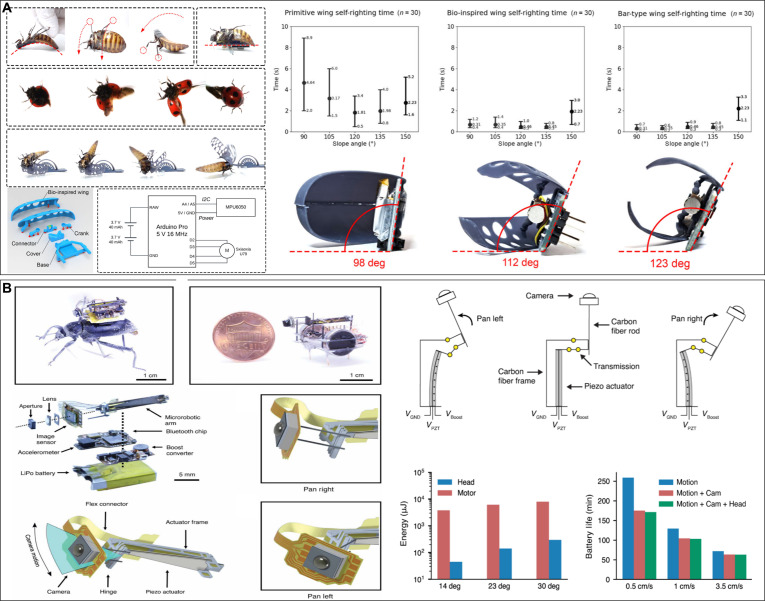 Figure 13
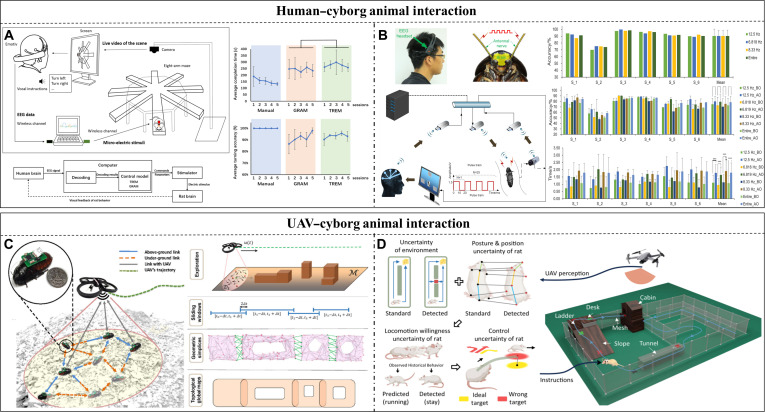 Figure 14
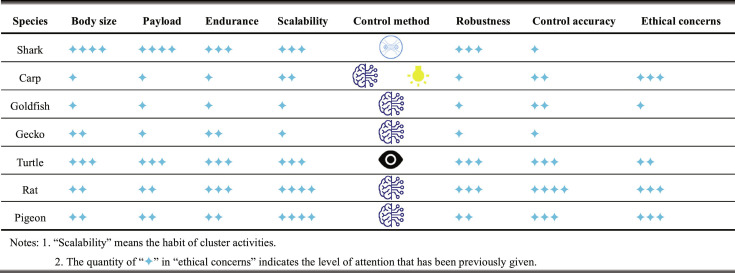 Figure 1
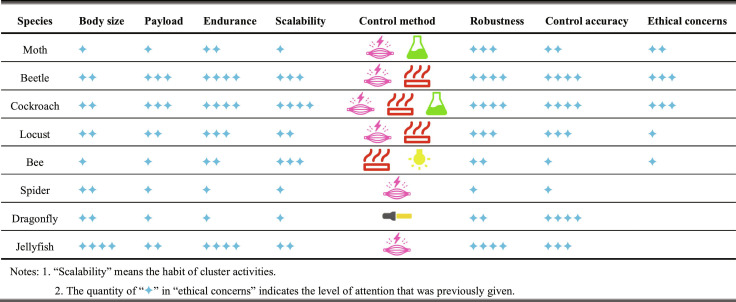 Figure 2
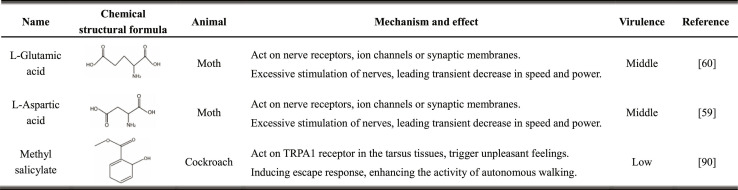 Figure 3
Peer Reviews
No public reviews on file for this paper yet. If you reviewed it on a platform where reviews are public (OpenReview, ICLR, NeurIPS, ICML), you can paste yours below so the community can read it here.
Videos
No videos yet. Explain this paper in a talk, walkthrough, or lecture? Add one.
Taxonomy
TopicsCephalopods and Marine Biology · Meat and Animal Product Quality · Animal testing and alternatives