CHAtRF Modulates Cardiac Hypertrophy via SRSF5-Dependent Regulation of Psmg4 Alternative Splicing
Lu-Yu Zhou, Kai Wang, Ying-Hui Li, Shao-Cong Wang, Xin-Zhe Chen, Cui-Yun Liu, Xin-Min Li, Yu-Qin Wang, Shu-Fang Cai, Su-Min Yang, Yun-Hong Wang, Fang Liu, Kun Wang

TL;DR
A new tRNA fragment called CHAtRF contributes to heart enlargement by altering how a gene called Psmg4 is processed, offering potential new treatments and biomarkers for heart disease.
Contribution
Identifies CHAtRF as a novel tRF involved in cardiac hypertrophy through SRSF5-dependent regulation of Psmg4 splicing.
Findings
CHAtRF levels are elevated in cardiac hypertrophy in mice and humans.
CHAtRF interacts with SRSF5 to regulate Psmg4 pre-mRNA splicing, promoting exon 2 skipping.
CHAtRF deficiency reduces hypertrophy and improves heart function, while overexpression worsens it.
Abstract
tRNA-derived small RNAs (tsRNAs) or tRNA-derived fragments (tRFs) are an important class of regulatory molecules whose role in cardiac hypertrophy remains largely unknown. Here, we identified a novel tRF contributing to the regulation of cardiac hypertrophy that we termed CHAtRF (cardiac hypertrophy-associated tRF). The CHAtRF level was increased in mice and in patients with cardiac hypertrophy. CHAtRF deficiency attenuated angiotensin II (AngII)-induced cardiac hypertrophy and restored the heart function, while CHAtRF overexpression enhanced hypertrophic responses. Mechanistically, CHAtRF directly interacts with SRSF5 and blocks SRSF5 to bind with Psmg4 pre-mRNA, which mediates alternative splicing of Psmg4 pre-mRNA and promotes exon 2 skipping of Psmg4. CHAtRF-dependent alternative splicing of Psmg4 inhibits the expression of Psmg4 full-length isoform, resulting in progression of…
Genes, proteins, chemicals, diseases, species, mutations and cell lines named across the full text — each resolved to its canonical identifier and authoritative record.
Click any figure to enlarge with its caption.
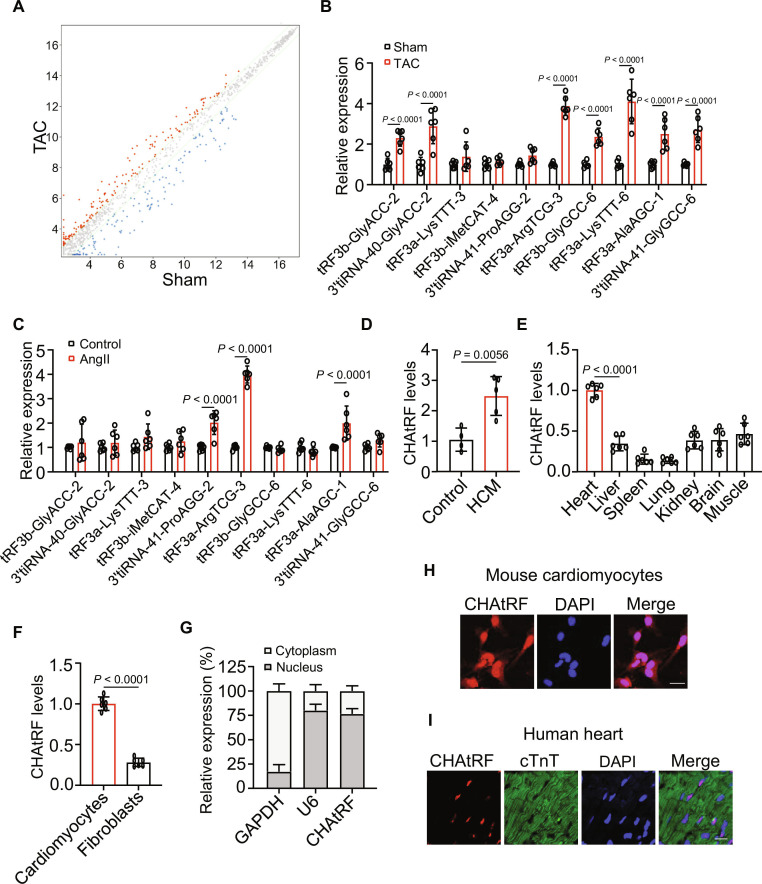 Figure 1
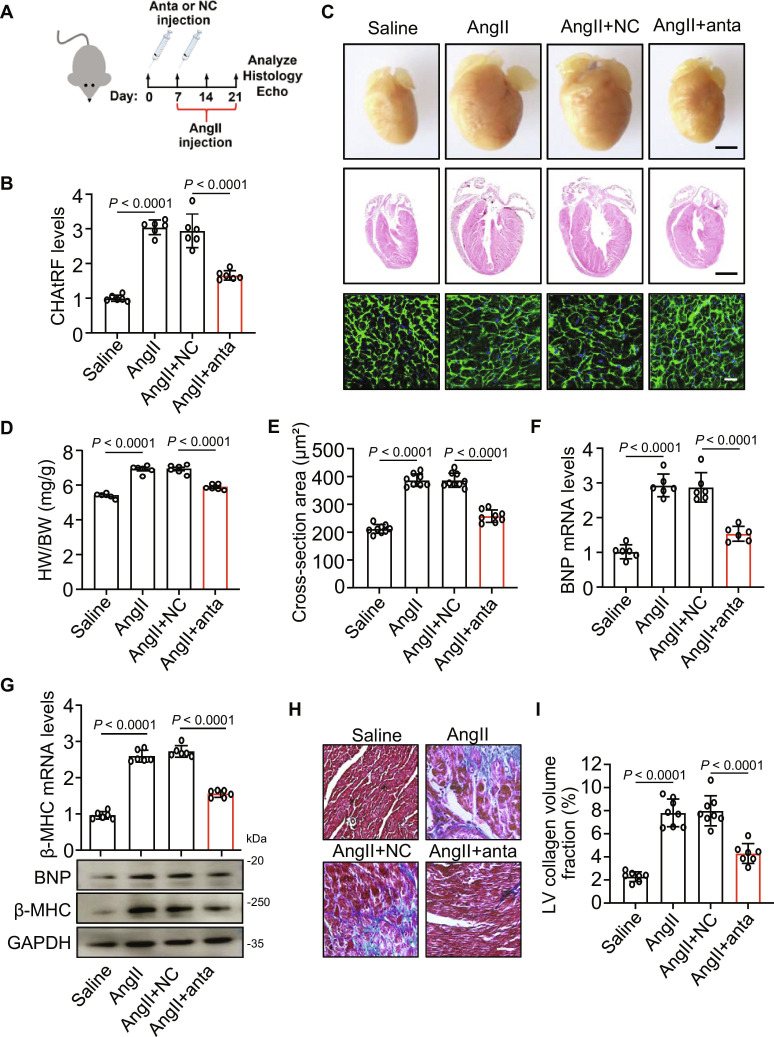 Figure 2
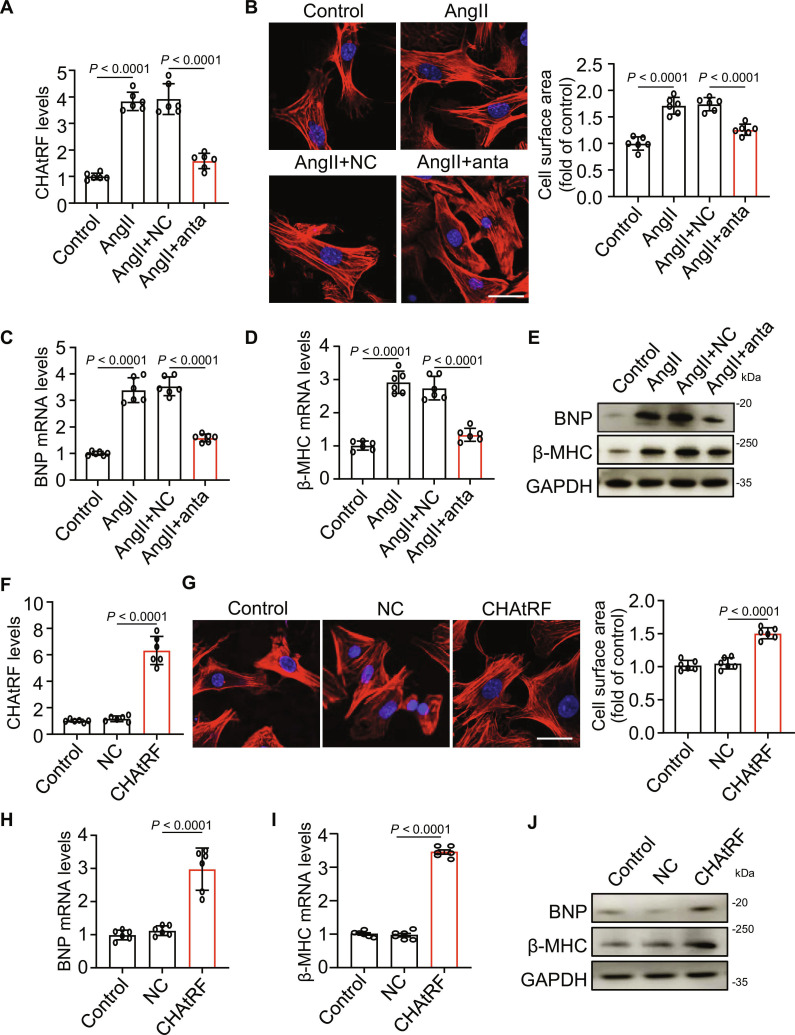 Figure 3
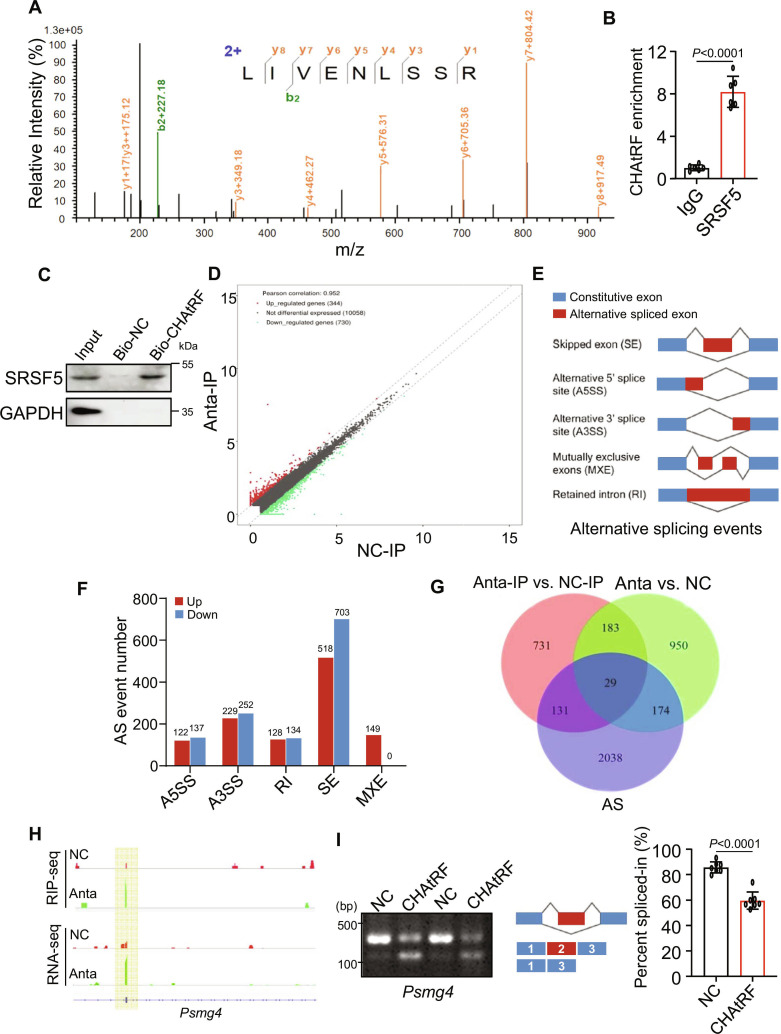 Figure 4
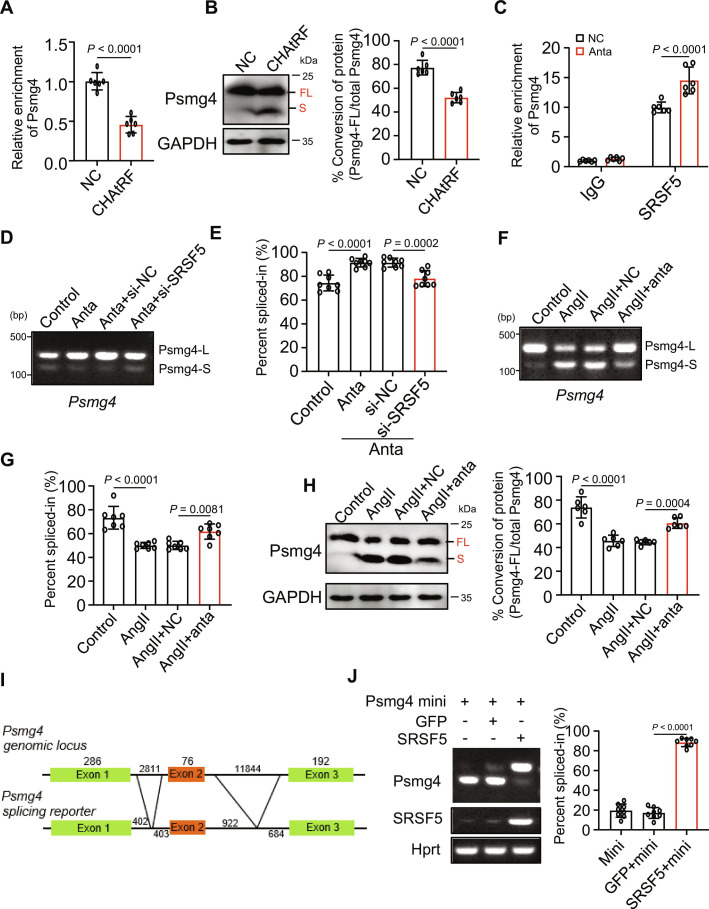 Figure 5
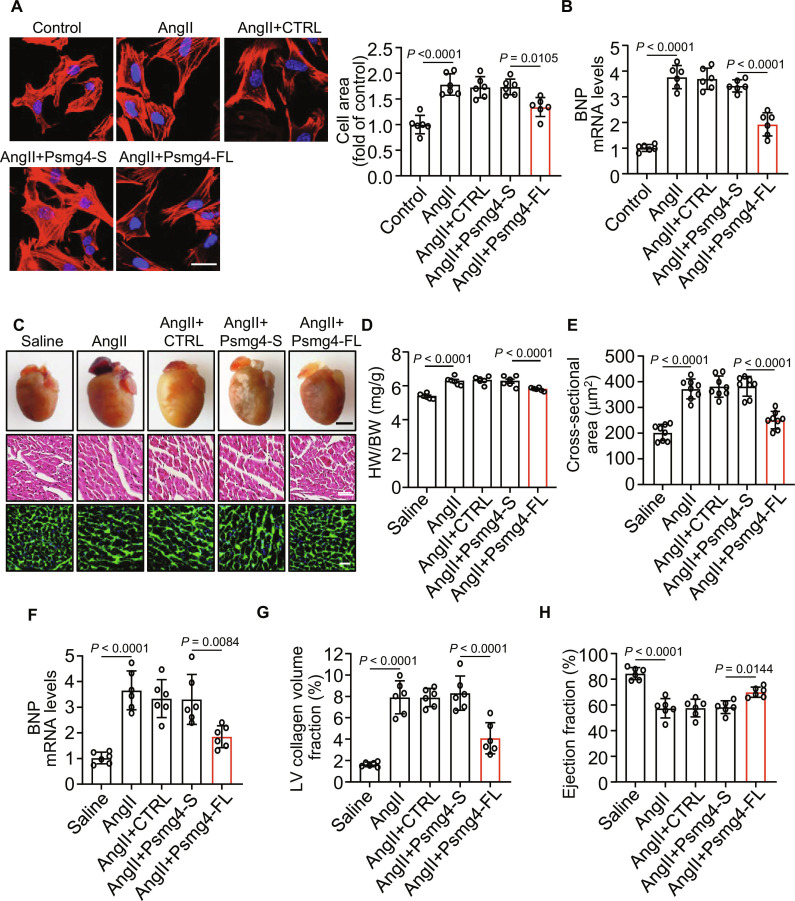 Figure 6
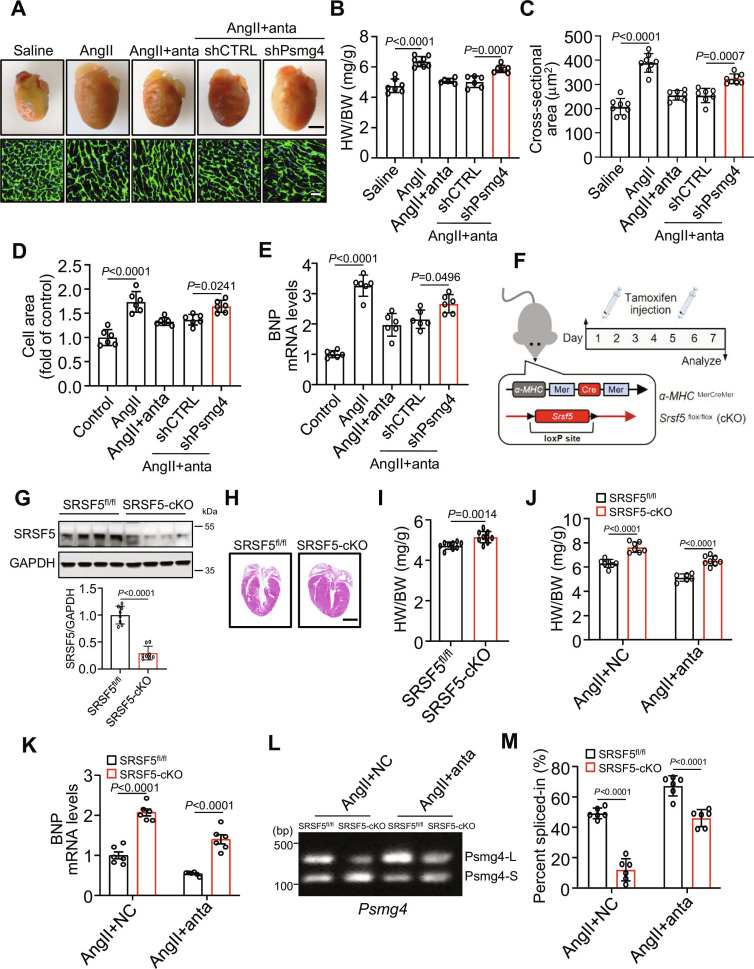 Figure 7
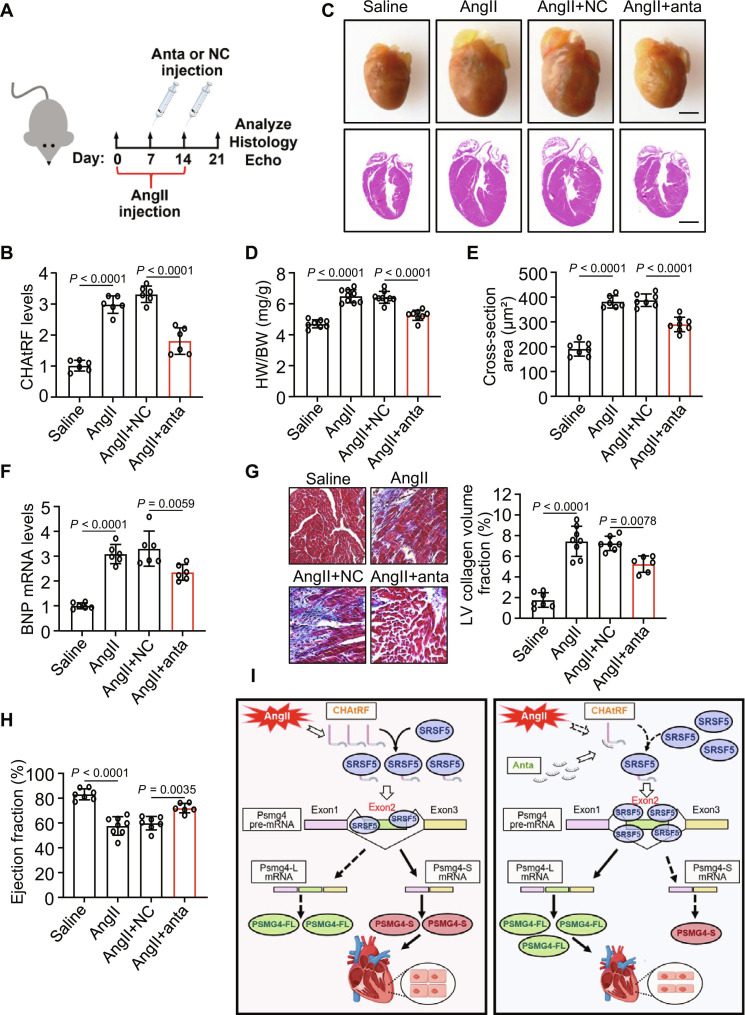 Figure 8
Peer Reviews
No public reviews on file for this paper yet. If you reviewed it on a platform where reviews are public (OpenReview, ICLR, NeurIPS, ICML), you can paste yours below so the community can read it here.
Videos
No videos yet. Explain this paper in a talk, walkthrough, or lecture? Add one.
Taxonomy
TopicsRNA Research and Splicing · Cancer-related gene regulation · Congenital heart defects research